

Table of Contents
- Basics of Dance Shoe Maintenance
- Cleaning Shoes per Material
- Protection and Spraying Leather
- Brushing and Restoring Soles
- Lifespan and Replacement Moments
- Storage and Daily Care
- Frequently Asked Questions
You're in the middle of a double turn and suddenly it feels as if you're glued to the parquet floor with superglue. Proper dance shoe care is about maintaining the right balance between grip and glide by consistently roughening suede soles and cleaning the upper material in time with specific products. This structural shoe maintenance significantly extends the lifespan of your valuable material and prevents you from losing your balance during a fast routine due to a lack of friction. In the years I've been teaching, I often see how dancers unintentionally ruin their shoes by walking on the street with them or letting the soles clog up with a layer of dance floor dust and grease. I still remember my own first pair of professional Latin shoes; I was so proud of the shine that I completely ignored the technical condition of the sole, until I literally slipped and fell during a training session. Whether you dance on satin, leather, or patent leather, your shoes are your most important instrument. In this guide, I share the techniques I apply daily in the studio to keep my shoes in top condition, from effectively cleaning stains to the correct way of airing them out after an intensive dance evening.
Basics of Dance Shoe Maintenance
As a dancer, your shoes are your most important instrument, comparable to how a musician cherishes their instrument. What I often see in practice, however, is that dancers invest heavily in a quality pair, only to simply leave them in their bag after an intensive lesson until the next time. That is the fastest way to halve the lifespan of your shoes. Proper dance shoe care doesn't just start when there's a stain on them, but the moment you step off the dance floor.
A common mistake is underestimating the impact of perspiration and moisture. During an hour of intensive salsa, bachata, or ballroom, your feet lose a lot of moisture, which draws directly into the lining and the sole. If you put these shoes directly into a closed bag, the material doesn't get a chance to breathe. This affects the glue joints and causes the leather or satin to tear faster. Take them out of your bag immediately at home and let them air dry. A tip I always give: use cedar wood shoe trees. These absorb moisture and keep the shape of your shoe intact, which is essential for flexible leather women's dance shoes that would otherwise lose their fit.
Keeping the suede sole in top condition
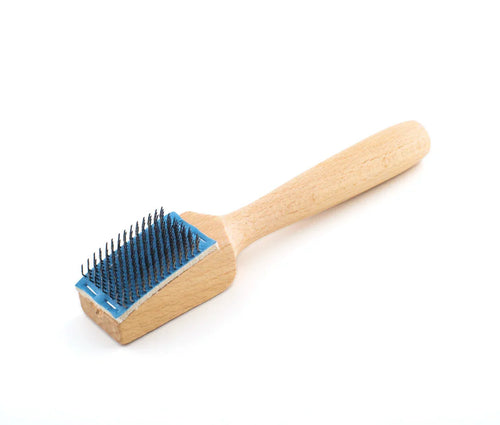
The sole is the most critical part of your shoe maintenance. In practice, I often see dancers lose grip because the suede sole 'clogs up'. This happens through a combination of dust, wax from the dance floor, and compressed dirt. The result is a smooth, shiny sole that can be dangerous during fast turns or spins. To prevent this, it is essential to regularly roughen your soles with a steel shoe brush.
- Always brush from the middle to the sides or from heel to toe to bring the fibers of the suede back up.
- Do not apply too much pressure; you want to remove the dirt and the shine, not file away the suede itself.
- If you notice your soles are extremely sticky due to a dirty floor, never use water. This makes the suede hard and unusable.
For those who dance on different types of floors, it's smart to invest in the right maintenance products for women. This prevents you from losing grip halfway through a dance evening because your soles are saturated with dirt and grease from the floor.
Cleaning of different materials
Not every material requires the same shoe maintenance. With leather shoes, it's mainly a matter of keeping the material flexible. A common mistake is using normal, thick shoe polish. This often contains too much wax, which clogs the pores of the soft dance leather and makes the shoe less flexible. Preferably use a mild conditioner or a specific cream that nourishes the leather without sealing it off.
Satin is a completely different story. This material is beautiful but attracts dirt like a magnet. What I often advise my students is to tackle stains on satin immediately after class with a slightly damp cloth and a tiny bit of mild soap. Never rub too hard, as you will damage the delicate weave of the fabric. For deeper cleaning and protection against street dirt, you can look at our specialized shoe cleaning collection, where you will find products that maintain the shine of the satin while repelling dirt. By consistently applying this basic cleaning and maintenance, you ensure that you not only enjoy your purchase longer, but also that your technique doesn't suffer from poorly functioning equipment.
Cleaning Shoes per Material
After an intensive evening on the dance floor, it's tempting to throw your shoes directly into your bag and not look at them again. What I often see in practice is that dancers only take action when their shoes really look bad or have completely lost their grip. That's a shame, because by applying the right technique for each material, you significantly extend the lifespan of your investment. Each material reacts differently to moisture, friction, and cleaning agents.
Satin shoes and delicate fabrics
Satin is beautiful on the dance floor, but it's also a magnet for dirt and dust. A common mistake I see beginners make is trying to scrub away stains with a lot of water. This results in rings that you can never get out. For your satin dance shoes, a careful approach is essential. Use a soft, slightly damp cloth and dab the stain from the outside in.
- For stubborn stains, use a special textile cleaner, but always test this first on an inconspicuous spot near the heel.
- Never let satin dry near a radiator; the heat can weaken the glue joints of the sole and cause the fabric to discolor.
- What I often advise is to dab any damp spots dry with a clean cloth immediately after dancing to prevent sweat rings.
Maintaining leather dance shoes
Leather shoes are durable, but they need 'nourishment' to stay flexible. In practice, I often see leather cracking over time, especially at the flex points at the ball of the foot. This happens because the natural grease disappears from the leather due to the heat from your feet and the dry air in dance halls. For proper care of leather shoes, a mild shoe polish or a colorless leather balm is indispensable.
- First remove surface dust with a soft brush before applying a care product.
- Apply the balm in circular motions and let it soak in for a while before buffing it for that natural shine.
- Do you have patent leather shoes? Then use a specific patent oil to prevent the shoes from sticking together while passing the feet, which often leads to ugly cracks in the patent layer.
Suede soles and finishes
The suede sole is perhaps the most important part of your dance shoe. It provides that perfect balance between gliding and grip. A common problem is that these soles become 'smooth' due to a combination of accumulated floor grease and dust. If you notice you're slipping during a spin, it's time to roughen the sole with a steel sole brush.
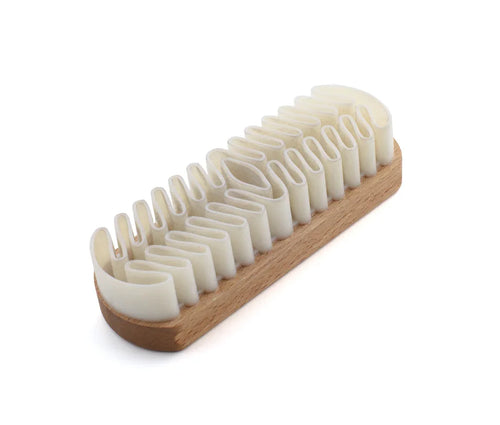
Always brush from the toe toward the heel to bring the fibers of the suede back up. For the exterior of suede shoes, use a special suede brush or an eraser for stains. It's a misconception that you can clean suede with water; this permanently changes the texture and makes the material hard. If you train regularly, it's smart to have quality maintenance products on hand so you can quickly refresh the soles after each lesson. This prevents dirt from settling deep into the fibers, which would ultimately ruin the turning properties of your shoe.
Protection and Spraying Leather
The biggest mistake I see dancers make is putting on their new purchase straight out of the box and running onto the dance floor. I understand the enthusiasm, but without proper basic protection, you significantly shorten the lifespan of your shoes. In practice, I see that untreated leather absorbs moisture and dirt much faster, which is extra problematic with dance shoes due to the combination of sweat and the resins or oils often found on dance floors. Proper dance shoe care actually begins before the first step is even taken.
How to impregnate
What I often advise my students is to use a quality waterproofing spray specifically suitable for fine leather or satin. The goal is not to "seal" the shoe, but to create an invisible shield that repels liquids. A common mistake is spraying the spray too closely. Always maintain a distance of about 20 to 30 centimeters. If you spray too close, wet spots occur that can leave stains on delicate materials like those of your new Latin shoes.
In practice, a method of several thin layers works much better than one thick layer. Spray the shoes lightly, let them dry for at least 15 minutes, and repeat this process. This ensures deeper penetration into the fibers without the leather becoming stiff. Because let's be honest: a dance shoe that loses its flexibility is useless for technical footwork.
Nourishing leather and keeping it flexible
In addition to protection against external dirt, leather needs nourishment. Leather is, after all, a natural product that dries out due to the heat of your feet and the dry air in dance studios. When leather dries out, cracks appear in the places where the shoe bends the most, such as at the base of the toes. This is often the point where a shoe becomes irreparably damaged.
- Use a colorless leather cream: For smooth leather shoes, a thin layer of cream is essential to keep the material flexible. This prevents the tension on the leather during a deep lunge or pivot from leading to cracks.
- Avoid the sole: This is crucial. When spraying or applying cream, make sure absolutely nothing gets on the suede sole. Grease or spray on a suede sole immediately turns the grip into a dangerous slide effect.
- Focus on the instep and heel: These are the zones that endure the most during partner work and contact.
What I often see with intensive dancers is that they only care for their shoes when they already look worn out. A proactive approach works better. If you notice the leather becoming dull or that water droplets no longer roll off the surface, it's time for a new treatment. For men dancing in ballroom shoes, this is extra important because the larger surfaces of these shoes show scratches and scuffs faster during intensive footwork.
Also remember that shoe maintenance doesn't stop at just the exterior. After spraying and cleaning, it's essential to let the shoes rest. The leather needs time to absorb the substances and fully cure. So don't put your shoes on for a lesson immediately after spraying; give them at least a night to "breathe" in a well-ventilated room, but never directly next to a heater, as that is the fastest way to make the leather crack.
Brushing and Restoring Soles
The sole of your dance shoe is the most critical part for your balance and technique on the floor. What I often see with students is that they only take action when they almost slip during a spin, but at that point, you're actually too late. A suede sole works through the small hairs of the leather that provide grip on a smooth parquet floor. In practice, I see that these hairs get flattened by a combination of dust, floor wax, and sweat, forming a kind of hard, shiny layer. We call this the 'glazing' of the sole. To prevent this, regular maintenance with a steel sole brush is essential. It's a misconception that you should only brush when the shoe feels slippery; preventive brushing significantly extends the lifespan of your salsa shoes. By standing the fibers back up, the sole regains its natural resilience and grip.The right brushing technique in practice
A common mistake is brushing the sole too forcefully or in random directions. If you push too hard, you pull the fibers out of the leather instead of just loosening them. This results in a sole that becomes thin very quickly. In practice, I always follow these steps for an optimal result:- Hold the shoe firmly by the heel and always brush from the center to the sides or from the heel to the toe.
- Use short, powerful strokes to remove the dirt and compressed wax from between the hairs.
- Observe closely while brushing if the 'dullness' of the suede returns; as soon as the shine is gone, you have optimal grip again.
- Don't forget the edges, especially with ballroom shoes where you often use the side of the foot for balances and sideways movements.
When is restoration no longer possible?
Sometimes a sole is simply 'done'. You notice this when the suede has become so thin that you start to feel the glue layer or the hard inner sole through it. In practice, I often see this with dancers who also wear their shoes outside the dance hall (which is a mortal sin for suede soles) or with dancers who put in extreme hours on a rough floor. If the sole is worn out but the top of the shoe is still in top condition, you can consider having the soles replaced by a specialized shoemaker. He can glue a new layer of suede over the old sole. Note that this can slightly affect the flexibility of the shoe. A good indication that you need new soles is when brushing no longer has any effect and the sole is mirror-smooth again within one dance number. By briefly inspecting and brushing your shoes after each training, you prevent losing your grip at a crucial moment during a performance or competition.Lifespan and Replacement Moments
I often get the question in the studio: "How long will my shoes actually last?" The honest answer is that this depends entirely on your dance hours, your technique, and the floor you stand on. What I often see with avid social dancers is that they wear their shoes too long out of sentimental value, while the technical support has long since disappeared. In practice, a quality pair lasts about six to twelve months with intensive use (3 to 4 times per week). Do you dance recreationally once a week? Then you can sometimes use them for years, provided you apply the correct shoe care to keep the material in top condition.
It's important to understand that a dance shoe is a functional item with a limited lifespan. Just as car tires wear out due to friction, a dance shoe loses its integrity due to constant pressure, sweat, and torsion during turns. A common mistake is waiting until the shoe literally falls apart. Often the anatomical support has been gone for months, which can lead to nasty inflammations under the foot or unstable ankles.
When is the sole ready for replacement?
The sole is the most critical part of your equipment. With suede soles, I often see the fibers completely 'clog up' due to a combination of dust and grease from the floor. Although regular cleaning with a steel brush works wonders, there comes a point where the suede simply becomes too thin. Pay specific attention to the following signals:
- Slipperyness that doesn't go away: If you slip again within five minutes after brushing, the suede is saturated or worn down to the glue layer.
- Visible bald spots: Especially under the ball of the foot, where most pressure is applied during spins, you often see the underlying material coming through first.
- The metal of the heel: A common mistake is ignoring the heel tips. As soon as you hear a clicking sound on the floor, you're actually already too late. The metal of the heel then becomes exposed, which is dangerous for your grip and disastrous for the dance floor.
The hidden wear: Support and Anatomy
What is less visible, but at least as important, is the stiffness of the 'shank' (the steel or plastic connection in the sole). In practice, I notice that dancers often get pain in their arch when this support weakens. If you notice that your salsa shoes 'sag' sideways when you put your weight down or the heel cup no longer fits firmly around your heel, it's time for a new pair. A loose heel cup significantly increases the chance of twisting an ankle, especially during fast combinations or jumps.
In addition, hygiene plays a role in the lifespan. Sweat breaks down the glue joints and the leather from the inside out. If the shoes continue to smell despite good airing and the use of cedar shoe trees, the inner lining is often saturated with bacteria. This not only affects comfort but can also weaken the structure of the shoe. A fresh start with a new pair is then not just a luxury, but a necessity for your foot health.
Storage and Daily Care
What I often see after an intensive social or a tough training evening is that dancers stuff their shoes directly into their bag, zip it up, and leave them there until the next lesson. This is a common mistake that drastically shortens the lifespan of your material. Your feet produce a lot of heat and moisture while dancing. That moisture draws deep into the leather, the satin lining, and especially into the suede sole. If you don't give your ballroom shoes a chance to breathe, the salt from your sweat eats away at the material from the inside out, making it stiff and prone to tearing faster.
Immediately after dancing: The 24-hour rule
In practice, the most important step of your dance shoe care is what you do in the first hour after you step off the floor. Take your shoes out of your bag immediately at home. Don't leave them in a plastic bag; this creates a greenhouse effect that bacteria (and nasty odors) love. A good habit I always pass on to my students is to put the shoes in a dry, well-ventilated spot, but never directly by a heater. The heat from a radiator dries out the natural leather too quickly, making it brittle and causing your favorite Latin shoes to lose their flexibility.
- Airing: Open the shoes wide. Remove any loose insoles if possible.
- Brushing: Use a suede brush immediately after dancing to remove dirt and accumulated wax from the dance floor before it settles into the fibers.
- Shape retention: Use untreated cedar wood shoe trees. Cedar wood extracts moisture from the leather and neutralizes odors naturally, while the tension ensures the toe of the shoe doesn't start to curl up.
The right environment for long-term storage
When you don't dance for a while, for example during a summer break, the way you store them is crucial for maintaining the fit. A common complaint is that shoes suddenly feel "too tight" after a break or that the sole comes loose. This is often due to low humidity or extreme temperature fluctuations. Always store your dance shoes in a fabric shoe bag (usually included with purchase) to protect them from dust and light. Sunlight can cause the color of satin and suede to fade.
For the weekly routine, I recommend checking regularly if the heels are still straight and if the heel tips are not worn down to the nail. Timely replacement of parts is part of good shoe maintenance and prevents you from losing balance on the floor. What I often see is that dancers continue to walk on worn soles for too long, which changes the anatomy of the shoe and eventually causes pain in your ankles or knees. By taking a critical look at your shoes every day and giving them the rest they need, you invest directly in your own dancing pleasure and physical health.
Frequently Asked Questions
How long do dance shoes last on average?
On average, dance shoes last between six months and two years. The exact lifespan depends heavily on the intensity of use, the quality of the materials, and how well you maintain them. With daily intensive use, the soles and insoles wear out faster, while recreational dancers who dance once a week often enjoy their specific footwear for years.
How do you maintain dance shoes?
You maintain dance shoes by regularly roughening the suede soles with a special sole brush to maintain grip. Let the shoes air out well in a dry place after each use, but never directly by a heater. Use specific cleaning agents for the leather or satin and put shoe trees in the shoes to maintain the shape and prevent creasing in the material.
How often should you replace your dance shoes?
You should replace dance shoes as soon as the firmness and support around the ankles or the arch disappear. Other signals include holes in the soles that can no longer be repaired, or when the insole has been affected by perspiration to such an extent that comfort decreases. On average, for most active dancers, this is the case after about one to one and a half years with weekly intensive use.
How often should you spray leather shoes?
It is recommended to spray leather dance shoes every two to four weeks with a protective spray, depending on how often you wear them. Always do this after you have cleaned the shoes and the leather is completely dry. The spray forms a protective layer against dirt and moisture, keeping the leather flexible and less likely to dry out or crack during intensive dancing.
Are you allowed to wear dance shoes outside?
No, dance shoes with suede soles are intended exclusively for use on smooth indoor floors. When you wear them outside, the suede sole is immediately damaged by moisture, dirt, and rough surfaces like asphalt. This destroys the grip essential for turning movements. If you still want to dance outside, choose special dance sneakers with a rubber or synthetic sole that can withstand rougher surfaces.
How do you clean the suede sole of dance shoes?
You clean the suede sole by rubbing vigorously over the bottom with a steel sole brush. Brush from the heel to the toe to remove accumulated dirt and flattened fibers. This gives the sole back its original friction, which prevents dangerous slipping. Preferably do this before or after each dance lesson to extend the life of the sole and maintain optimal grip.
What can you do about smelly dance shoes?
To prevent nasty odors in dance shoes, it is essential to take them out of the bag immediately after dancing and let them air out. Use cedar wood shoe trees; these absorb moisture and neutralize odors naturally. For stubborn odors, you can use an antibacterial shoe spray or sprinkle baking soda in the shoes. Also, make sure you always wear clean socks.
How do you clean satin dance shoes safely?
You clean satin dance shoes carefully with a slightly damp, soft cloth and a little bit of mild soap or a special satin cleaner. Gently dab stains away instead of rubbing, to prevent the delicate fabric from pilling or being damaged. Then let the shoes dry naturally. Avoid excessive use of water, as this can leave rings on the fabric and weaken the glue joints.
The beauty of good shoe care is that your favorite pair is no longer just an accessory, but an extension of your own movements on the floor. What I especially want to give you is that those few extra minutes of attention after each lesson make the difference between a stiff sole and that perfect, controlled spin. Remember above all that your dance shoes support you with every step you take; they deserve that extra love to maintain their grip and flexibility.
To truly make maintenance part of your routine, it's essential to have the right tools on hand. Feel free to take a look at our women's shoe care collection for everything you need to keep suede soles and leather in top condition. When you care for your material with respect, your shoes give you back the confidence to move completely freely. Grant yourself that feeling of a perfectly cared-for pair of shoes with every first step on the dance floor; your feet will notice the difference immediately.


