

Table of Contents
- Why Special Dance Shoes?
- Choosing Fit & Material
- Dance Style & Shoe Type
- Where to Buy Dance Shoes?
- Budget & Maintenance Tips
- Frequently Asked Questions
The moment you move fluidly across the dance floor feels magical. But that feeling starts long before you take your first step: namely, with choosing the right dance shoes. I have been teaching dance for years and I see the same challenge with new students every time: the search for the perfect first pair. Many beginners think it's just a matter of picking out a nice pair, but nothing could be further from the truth. A well-chosen shoe is crucial for your technique, comfort and above all to prevent injuries.
In my classes, I often see how students struggle with shoes that don't fit, are too stiff or simply have the wrong sole. This leads to frustration and sometimes even giving up, and that's a shame. That's why I decided to bundle my experience into this guide. Whether you plan to buy your dance shoes online or prefer to try them on in a physical store, this checklist and essential tips will help you. I share my insights so that you can confidently take your first dance steps without the pitfalls I encounter so often. And yes, I also give advice on how to recognize a good dance shoe sale, because quality really doesn't have to cost top price.
Why Special Dance Shoes?
As a dance teacher, I get this question so often: "Do I really need special dance shoes, or can't I just wear my sneakers or dress shoes?" My answer is then always a resounding 'yes, absolutely!' It is one of the first and most important investments you make in your dance journey. And believe me, it makes a world of difference, not only for your comfort but also for your technique and safety.Safety and Injury Prevention: Your Feet Are Your Instrument
What I often see with beginners is that they start enthusiastically with regular shoes. Think of sneakers with a rubber sole. These provide so much grip that your feet seem stuck to the floor. Just try to do a pirouette or a quick turn; your knees and ankles then take the full brunt because your body wants to turn, but your feet are held back. This is a common mistake that can lead to nasty injuries, such as twisted ankles or knee complaints. On the other hand, you have dress shoes with a smooth sole. They might seem suitable, but they often lack the right support, flexibility, and balance you need. Especially heels of regular shoes are often too narrow or incorrectly placed, making you unstable and prone to losing your balance. In practice, I see people moving insecurely, afraid of slipping or falling. Special dance shoes are designed with your safety in mind. They usually have a suede or leather sole that provides exactly the right amount of friction: enough grip not to slip, but also smooth enough to turn and glide fluidly. The heels are centered and stable, which is essential for your balance, especially in styles like Latin or Standard Ballroom. For those looking for comfort and stability, there are various quality dance shoes that help you with this.Technique and Performance: Feel the Floor, Feel the Dance
Besides safety, dance shoes are crucial for your technique. Dancing is about connection: with the floor, with your partner, and with the music. With the right shoes, you can 'read' the floor. You feel the nuances of the surface, which helps you shift your weight, ground yourself, and control your movements. Take, for example, the flexibility of the sole. A good dance shoe, like many of the men's dance shoes or women's models, allows you to fully roll out, point, and flex your foot. This is fundamental for elegance, alignment, and creating beautiful lines. Think of 'foot articulation' in ballroom, where you use the ball of your foot and your toes to push off and glide. With a stiff shoe, this is simply not possible. Dance shoes are also indispensable for turns and pirouettes. A supple suede sole ensures that you can pivot with minimal effort, which helps you focus your energy on your posture and balance. A common challenge in salsa, for example, is turning quickly and in a controlled manner; without the right sole, this is a struggle, but with special salsa shoes, it feels almost effortless. It's not just about the shoe itself, but also about how it enables you to perform your movements as they were intended.Comfort and Endurance: Dance the Night Away
Dance lessons, workshops, or an evening of social dancing can last a long time. You don't want your feet to hurt after just an hour. Dance shoes are designed for long-term use. They are often lighter than regular shoes, made of breathable materials and equipped with light cushioning and good support for your arch. This ensures that your feet get tired less quickly and you stay comfortable, even after hours on the dance floor. So, why special dance shoes? Because they help you stay safe, improve your technique, and feel comfortable, so you can fully concentrate on the pleasure of dancing. It is an investment in yourself and in your passion.Choosing Fit & Material
As an experienced dancer and teacher, I have seen countless students struggle with choosing their first dance shoes over the years. A common mistake is to go by looks alone, while the fit and material are at least as crucial for your dancing pleasure and, more importantly, for preventing injuries. See your dance shoes as an extension of your foot, not as a fashion accessory.The Perfect Fit: Your Second Skin
What I often see is that beginners buy their dance shoes too large. They think "then I'll have room for my toes", but in practice, this means your foot will slide. This not only leads to blisters and discomfort, but it also reduces your control over the movements. You have less feeling with the floor and that is disastrous for your balance and technique, especially during turns and pivots. A dance shoe should fit like a second skin: snug, but without pinching.- Heel: Ensure your heel is firmly in the shoe. There should be no space where your heel can come up while walking or turning. A slipping heel is a recipe for blisters and instability.
- Forefoot: Your toes must have enough space to spread, but your foot must not slide forward. Test this by taking a few steps and shifting your weight from heel to toe. Do you feel your toes pushing against the front? Then the shoe is too short or too wide.
- Instep: The shoe must enclose the instep well. This provides support and prevents your foot from 'swimming' in the shoe. With lace-up shoes, you can adjust this; with pumps, it's a matter of finding the right last.
Material Matters: Grip, Flexibility and Durability
The material of your dance shoes largely determines your experience on the dance floor. We distinguish here between the sole and the upper.The Sole: Your Connection to the Floor
The sole is perhaps the most important part.- Suede soles: This is most common for indoor dance shoes for Latin, Ballroom and Salsa. Suede offers the perfect balance between grip and glide, essential for turning movements like a pirouette or a spot turn. You can turn smoothly with it without sticking or slipping too much. However, suede requires maintenance; with a special sole brush, you keep the sole rough and therefore grippy enough. For those who do a lot of turns and pivots, salsa shoes with a suede sole are often the best choice.
- Rubber soles: These are suitable for outdoor use or for dance styles where you need a lot of grip and turn less, such as some forms of line dance or street dance. However, for traditional partner dances, they are too grippy.
The Upper: Comfort and Appearance
The material of the upper affects the comfort, durability and of course the look of your shoe.- Leather: Leather is breathable, durable and molds beautifully to your foot. It offers good support and is an excellent choice for most dance styles. It is often slightly more expensive, but worth the investment.
- Satin: Often used for Ballroom shoes, satin gives an elegant and classic look. However, it is more vulnerable to stains and damage.
- Synthetic materials: These are often cheaper and available in many colors and styles. They are less breathable and mold less well to the foot than leather. In practice, I see that these shoes wear out faster with intensive use.
Dance Style & Shoe Type
When you're just starting to dance, or even if you've been at it for a while, there's one question I get often: "What dance shoes do I need?" My answer is always: "That depends entirely on the dance style you practice!" A common mistake is thinking that 'a dance shoe' is universal. Nothing could be further from the truth. The right shoe is not a luxury, it is an essential tool that supports your technique, prevents injuries and significantly increases your dancing pleasure.
The Ballroom & Latin Distinction
Let's start with the classics, Ballroom and Latin. Here you immediately see a very clear distinction. For Ballroom (think Waltz, Tango, Quickstep) you usually need shoes with a closed toe, a lower, wider heel (often about 2.5 to 4 cm for ladies, slightly lower for men) and a stable fit. The sole is almost always made of suede, which provides the perfect balance between grip and glide on a smooth dance floor. The shoe must enclose your foot well and provide sufficient support for long, fluid movements and a lot of floor contact.
For Latin (such as Cha Cha Cha, Rumba, Jive, Paso Doble) on the other hand, the shoes look very different. Here, ladies often have open-toe shoes with a higher, slimmer heel, ranging from 5 to as much as 9 cm. The heel is often placed a bit more towards the middle of the foot to promote balance during dynamic, fast foot movements and hip action. What I often see in practice is that beginners try to dance Latin in Ballroom shoes. This is not only uncomfortable, but also hinders your ability to correctly perform specific foot placement and weight transfer, such as ball-of-foot pressure. The flexibility of the sole is crucial for Latin; it must enable you to fully bend and stretch your foot. With us, you will find a wide range of Latin dance shoes specifically designed for these movements.
Salsa, Bachata, Kizomba: The Social Dance Floor
For social dance styles like Salsa, Bachata and Kizomba, you often see overlap with Latin dance shoes, but there are subtle differences. These styles involve many fast spins, pivots and close contact with your partner. Women often choose shoes with a heel height between 5 and 7.5 cm, also often with a suede sole. A common detail is a strap over the instep or around the ankle for extra stability, which is essential for those fast turns without slipping out of your shoe. I always recommend paying attention to the flexibility of the sole and the cushioning, especially if you are on the dance floor for hours. A good set of salsa shoes can make the difference between sore feet after an evening of dancing and full enjoyment.
Men often wear a lower heel (2-3 cm) and a closed shoe for these styles, similar to men's Ballroom shoes, but often slightly lighter and more flexible. The focus is on grip and the ability to turn easily. If you plan to buy dance shoes online, make sure to check the size charts carefully and read reviews about the fit, as it can vary by brand.
Other Styles and the Right Choice
Of course, there are many more dance styles, each with their own specific shoe requirements:
- Ballet: You immediately think of ballet slippers (soft leather or canvas with a split sole for flexibility) and later, for advanced dancers, pointe shoes. Pointe work requires years of training and perfectly fitted shoes.
- Jazz: Often, flexible jazz shoes with a split sole or even sneakers are worn here. The emphasis is on freedom of movement and the ability to point and flex the foot.
- Tap: Tap dancing requires special tap shoes, equipped with metal plates ('taps') under the toe and heel to produce the characteristic sound.
- Hip-Hop/Streetdance: Here you often see sneakers with good cushioning and ankle support. It's about comfort and the ability to absorb shocks during jumps and fast movements.
My advice is always: consult with your dance teacher. They know the specific requirements of the style you are learning and can often point you in the best direction. Remember that the right shoe not only increases your comfort, but also improves your technique and helps you prevent injuries. Invest in quality, because your feet are your most important instrument on the dance floor!
Where to Buy Dance Shoes?
The search for your first pair of dance shoes is an exciting moment, but can also be quite overwhelming with all the choices. Where do you start? What I often see is that beginners immediately grab the first shoe that looks nice, without thinking about functionality or the place of purchase. That is a common mistake. Choosing the right place to buy your dance shoes is just as crucial as the type of shoe itself, because it affects the fit, the advice and ultimately your dancing pleasure.
The Dance Specialty Store: Try and Feel
My personal advice, especially for your very first pair, is to start at a specialized dance store. Why? Because here you get the unique opportunity to try on different models, feel them and even take a few steps. The expertise of the staff is worth its weight in gold. They can help you with the right size – which often differs from your regular shoe size – and advise on materials, soles and fits that suit your dance style and foot type. I have seen countless times that a student thought they were a certain size, only to find out that half a size smaller or wider offered the perfect fit. A good dance specialty store pays attention to details such as arch support, toe room and whether the shoe fits well at your heel, which is essential to prevent blisters and injuries.
In practice, this means that you don't just look at how the shoe looks, but especially how it feels. Stand on the ball of your foot, turn a bit, bend your toes. Does it feel comfortable? Does it provide enough support? For salsa shoes, for example, flexibility in the sole and good balance are of crucial importance. Don't forget to bring socks or tights that you would also wear while dancing to get a realistic fit.
Buying Dance Shoes Online: Convenience and Choice
Once you know roughly what size and type of dance shoe you need, for example after visiting a physical store, you can consider buying your dance shoes online. The internet offers an unprecedented wide range, often with more competitive prices and the ability to easily compare prices. Moreover, online you often find an extensive dance shoe sale, which is ideal if your budget is a bit tighter or if you already have a specific model in mind.
What should you look out for when ordering online? These are my essential tips:
- Size Charts: Carefully compare your foot length with the size chart of the specific manufacturer. Sizes can vary greatly by brand.
- Reviews: Read reviews from other dancers. They often provide valuable feedback on the fit, quality and whether the shoes run small or large.
- Return Policy: Always check the webshop's return policy. A flexible return policy is essential if the shoe doesn't fit perfectly.
- Material and Sole: Pay close attention to the description of the material (leather, satin, suede) and the sole (suede for indoor, rubber for outdoor). For ballroom and Latin, suede soles are the standard because they offer the right combination of grip and turnability on a dance floor.
Online you will find a huge diversity of women's dance shoes and men's shoes, from specific Latin models with extra flexible soles to elegant standard ballroom shoes. It's a great place to look for unique styles or brands that aren't available locally.
Second-hand or Temporary Solutions?
While it may be tempting to save by buying second-hand dance shoes, I strongly advise against this for your first pair. Dance shoes mold to the wearer's foot, and an already broken-in shoe can negatively affect the fit for your foot and even lead to discomfort or injury. Your first pair is an investment in comfort and technique; don't skimp on that. The same applies to temporary solutions, such as using athletic shoes: they lack the specific sole and flexibility needed for dance movements, which can hinder your learning process and increase the risk of falling.
Ultimately, the best place to buy your dance shoes is where you feel most comfortable and confident in your choice. A good fit is the key to enjoyment and progress on the dance floor. Good luck with your search!
Budget & Maintenance Tips
When you start dancing, your first dance shoes are an investment. What I often see with new students is that they tend to go for the cheapest option, which is understandable. However, in practice, it often turns out that this is more expensive in the long run, both financially and in terms of comfort and even injury risk.
Smart Budgeting: Quality Over Quantity
You really don't have to spend a fortune on your first pair, but a minimal investment in quality pays off twice over. A common mistake is buying shoes that fall apart after a few lessons or are so uncomfortable that you don't want to dance in them. Cheap shoes often have poorer cushioning, provide insufficient arch support and have soles that wear out quickly or provide insufficient grip. Think of the impact on your knees and ankles if you continuously turn on a surface that is not optimal.
My advice? Set a realistic budget. Definitely look at dance shoes on sale. Often you can then find a qualitatively better pair for the price of a standard model. If you decide to buy your dance shoes online, pay extra attention to size charts and reviews, because fitting is crucial. Keep in mind that a cheaper pair may need replacing after a few months, while a slightly more expensive pair with good maintenance will last for years.
Maintenance: Extending the Lifespan of Your Dance Shoes
Now that you've finally found those perfect shoes, it's essential to maintain them well. This is something I always emphasize to my students. Good maintenance not only extends the life of your shoes, but also ensures that they continue to perform optimally and feel comfortable. In dance practice, I too often see shoes with worn soles or a musty smell, which is really not necessary.
Practical Maintenance Tips from Dance Practice:
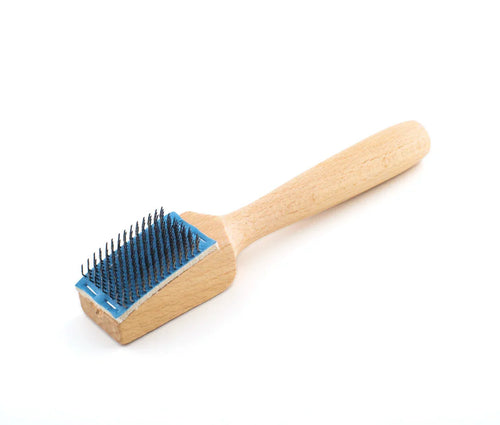
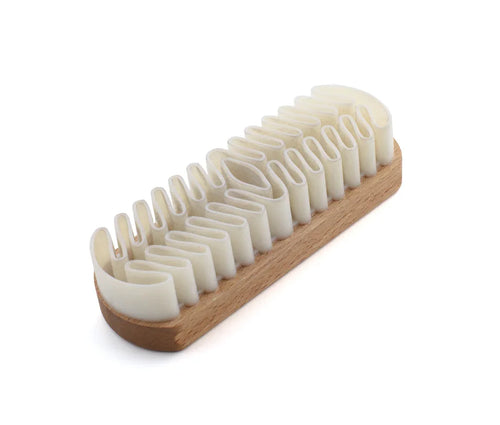
- Brush the Suede Soles: This is perhaps the most important tip for dance shoes with suede soles. Suede becomes smooth over time due to dirt and moisture. Use a special suede brush after every dance lesson to roughen the soles. What I often say to my women's Latin dance shoe wearers is: "A good brushing is just as important as your warm-up!" This restores grip, which is crucial for safe turns and stability. Without grip, you slide too much, which increases the chance of injuries and affects your technique.
- Let Them Air Out: Dance shoes can get quite sweaty. Never put them directly into a closed bag after dancing. Take them out, possibly put shoe trees in them (wood absorbs moisture and holds the shape) and let them dry in a dry, ventilated place. This prevents unpleasant odors and mold growth.
- Clean the Upper: Depending on the material (leather, satin, synthetic), clean the upper correctly. For leather, use a damp cloth and possibly special leather conditioner. Satin can be carefully wiped with a slightly damp cloth. Avoid aggressive cleaning agents that can damage the material.
- Store Them Correctly: Store your dance shoes in a shoe bag or box to protect them from dust and damage. Avoid direct sunlight or extreme heat, which can dry out or deform materials.
- Repair Timely: Don't wait until a heel comes completely loose or a strap tears. Small repairs, such as re-securing a loose heel or gluing a sole edge, are often cheap and prevent major damage. A professional cobbler can work wonders.
By following these tips, you ensure that your dance shoes serve you longer and better. It's a small effort with a big result, both for your wallet and for your dancing pleasure and performance.
Frequently Asked Questions
Why are special dance shoes indispensable for beginners?
Special dance shoes offer optimal grip and flexibility, essential for learning new steps. They protect your feet, prevent injuries from excessive friction or slipping, and improve your posture and balance. The right sole and fit ensure that you can turn and glide smoothly, which is crucial for an enjoyable and safe dance experience from the first lesson. Invest in these for a flying start.
How do I choose the right size dance shoes?
The right size is crucial. Dance shoes often run smaller than normal shoes. Measure your feet accurately and consult the size chart of the specific brand. They should be tight but not pinch, and there should be no space at the toes. Your foot should form one whole with the shoe. Preferably try them on at the end of the day, when your feet are slightly swollen.
What should I look for when trying on dance shoes?
Pay attention to the fit: the shoe should be snug without pinching. There should be no heel slip and your toes should lightly touch the front, but not fold over. Walk, turn and bend your feet to test the flexibility. Feel if the sole makes enough contact with the ground and if the shoe remains comfortable during various movements. Comfort is key for long dance sessions.
Is it wise to buy dance shoes online?
Buying dance shoes online can be advantageous, especially during a sale, but trying them on is essential. If you already know your size and the brand, ordering online is fine. For your first pair, however, we recommend fitting them in a specialized store. This way you directly experience the fit, material and comfort, which is harder to judge online and prevents disappointment.
What is the difference between a suede sole and a rubber sole and which is best for beginners?
Suede soles are flexible, provide excellent grip on smooth dance floors and allow for smooth turning. They are ideal for indoor use. Rubber soles are more durable, offer more grip and are more suitable for outdoors or rougher floors, but limit sliding. For beginners on a dance floor, suede soles are often the best choice because they offer the right balance between grip and freedom of movement.
How do I maintain my new dance shoes for a longer lifespan?
Good maintenance extends the lifespan. Regularly brush suede soles with a special dance shoe brush to remove dirt and maintain roughness. Store your shoes in a breathable shoe bag to protect them from dust and moisture. Let them air out well after dancing and avoid wearing them outside the dance floor to prevent wear and dirt buildup.
Are there special points of attention when buying dance shoes on sale?
In a dance shoe sale, pay close attention to the return policy, as sale items often have different conditions. Carefully check the shoes for any damage or production errors, which can sometimes be the reason for the discount. Although the price is attractive, the fit and comfort should never be compromised. It is more important that the shoes fit well than that they are cheap.


