

Table of Contents
- Importance of Good Care
- Effectively Cleaning Leather Dance Shoes
- Nourishing and Protecting Leather
- Lifespan of Your Dance Shoes
- Optimal Storage and Ventilation
- Avoiding Common Mistakes
- Frequently Asked Questions
You feel it immediately when you start a spin and suddenly lose grip on a slippery parquet floor. Effective dance shoe maintenance is the only way to keep the suede soles rough, preserve the leather's suppleness, and double the lifespan of your precious footwear. In my years as an instructor, I have seen countless dancers ruin their favorite pair simply by leaving them in a sealed bag after a sweaty class or accidentally wearing them outside on the asphalt.
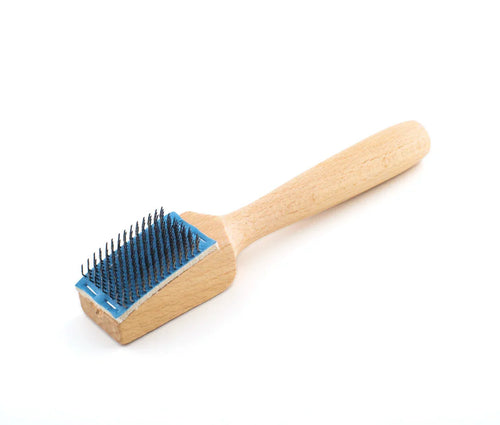
A shame, because with proper dance shoe care, they last for years instead of just one season. After every training evening, I immediately grab my steel sole brush to remove the accumulated dirt and floor wax from the floor before the material becomes hard and slippery. Cleaning satin requires a completely different approach than nourishing supple calf leather. In this guide, I share the practical shoe maintenance routine that I use myself to keep my equipment in top condition. No complicated theories, just the honest tips I normally only share between classes in the studio.
Importance of Good Care
In practice, I often see dancers investing hundreds of euros in lessons and workshops to perfect their technique, but completely neglecting the condition of their footwear. A common mistake is the thought that dance shoes last as long as regular sneakers without you having to do anything. Nothing could be further from the truth. Your shoes are your most important tool; they form the only connection between your body and the dance floor. When the suede sole under your favorite salsa shoes becomes saturated with dirt and dust, you lose the essential grip needed for controlled spins and powerful footwork.
What I often see with students who do not maintain their shoes is that they unconsciously adapt their dance style to the slipperiness of their soles. They dare to use less speed in their turns or take their steps less fully for fear of slipping. Good dance shoe care is therefore not just a matter of aesthetics, but directly linked to your technical progress and safety on the floor.
Grip and Safety on the Dance Floor
The suede sole of a dance shoe has a specific texture designed to provide just enough resistance on a wooden parquet floor. Over time, these small hairs of the suede are flattened by a mixture of floor wax, dust, and sweat. This process we call 'glazing' the sole. A slippery sole is life-threatening during a fast spin turn or a sudden stop in a choreography.
By regularly using the right shoe care, such as a steel sole brush, you roughen these fibers again. This ensures that you maintain control over your movements. In practice, this means that your ankles and knees are less strained because the shoe correctly absorbs the impact of your movements instead of slipping unpredictably.
Lifespan of Your Investment
Let's be honest: high-quality dance shoes are a significant investment. Whether you dance on satin, leather, or suede, each material has specific properties that are lost with neglect. Leather can dry out and crack at the flex points of the foot, while satin quickly becomes dull and dirty. A good shoe maintenance routine significantly extends the life of your pair. Here are some concrete reasons why maintenance pays off:
- Maintaining flexibility: By nourishing the leather with the right products, the shoe continues to move flexibly with the anatomy of your foot, which is essential for stretching your toes (pointing).
- Shape retention: Sweat contains salts and acids that can affect the structure of the shoe. By letting them dry properly and cleaning them, you prevent the shoe from losing its support.
- Hygiene: Dancing is a top sport. Bacteria thrive in damp environments. Cleaning the inside and using cedar shoe trees helps prevent unpleasant odors and mold formation.
What I often recommend to my advanced dancers is to briefly brush the soles immediately after class before the dirt has a chance to soak deep into the fibers. It takes less than thirty seconds, but in the long run, it saves you the cost of a new pair. If you notice your heels starting to wear down or the material on the side starting to pull, you're actually already too late. By preventively using high-quality cleaning sets, you ensure that your shoes not only look like new but also continue to perform that way. Remember that a well-maintained shoe forms the basis for every successful movement you make on the floor.
Effectively Cleaning Leather Dance Shoes
After an intensive evening on the dance floor, your shoes often no longer look as fresh as when you took them out of the box. What I often see is dancers simply throwing their shoes in a bag and not taking them out again until the next lesson. That is one of the fastest ways to let the leather dry out and crack. Leather is a natural product that needs to be able to breathe, but it also absorbs sweat and dirt from the dance floor. Whether you are on a smooth parquet floor or a rough sports floor, your shoes take a beating.
A common mistake is the use of aggressive cleaning agents or too much water. Water pulls the natural oils out of the leather, making it stiff. In practice, I have noticed that a slightly damp, lint-free cloth often works wonders for removing superficial dust and dried drink splatters. For deeper cleaning of your leather dance shoes, however, I always advise using specific cleaning agents that maintain the flexibility of the material.
Refreshing the leather step-by-step
If you notice the leather starting to get dull, it's time for a thorough cleaning. This is not just a matter of aesthetics; clean leather moves better with your foot during a pivot or a quick weight transfer. Follow these steps to keep the material in top condition:
- Remove loose dirt: Use a soft brush to sweep away sand and dust. Pay extra attention to the seams and the transition between the sole and the upper, where dirt often accumulates.
- Use a mild cleaner: Apply a small amount of specialized cleaner to a cloth. The right shoe care ensures that you do not clog the pores of the leather, which is essential for ventilation during dancing.
- Focus on the heel: With Latin and Ballroom shoes, I often see black streaks on the inside of the heel, caused by hitting the other foot. Rub here gently with circular motions to remove the streaks without damaging the finish of the leather.
- Let dry naturally: Never put your shoes near the heater. The heat distorts the fit and makes the leather brittle. Let them rest at room temperature with a wooden shoe tree inside to maintain the shape.
Don't forget the soles
Although we often concentrate on the top, the bottom of your shoe is crucial for your technique. With leather soles (often used in Tango or certain Ballroom styles), dirt can cake on, causing you to lose grip or stick too much. A common mistake is ignoring the buildup of floor wax and dust under the ball of the foot.
In practice, I see that dancers who check their soles weekly suffer much less from injuries due to slipping. If you invest in high-quality maintenance products for dance shoes, you significantly extend the life of your material. A clean sole provides that perfect balance between 'slide' and 'grip', which is essential for controlled turns and powerful push-offs. Also, remember to always apply a conditioner after cleaning the leather; this keeps the leather supple so it doesn't pinch at the instep or toes during a long dance evening.
Nourishing and Protecting Leather
Leather is a natural product that, just like your own skin, needs care to stay supple and strong. In the dance world, leather takes a beating; think of the constant friction during a pivot, the sweating of the feet, and the dry air in many dance studios. What I often see is that dancers only start caring for their shoes when the leather already starts to crack or look gray. At that point, you're actually already too late. The leather has then lost its natural oils, causing the fibers to break with every step you take. To extend the life of your shoes, it is essential to nourish the leather regularly. You do this not only for the shine but especially for the elasticity. When you invest in high-quality leather dance shoes, you want the material to give with your foot without losing its shape. A well-nourished shoe molds to your anatomy, while dried-out leather remains stiff and causes uncomfortable pressure points.The right way to nourish
In practice, I often see people using far too much product at once. A common mistake is applying a thick layer of shoe polish and trying to buff it out immediately. Leather can only absorb a limited amount of nourishment at a time. Rather, use a small amount of high-quality leather balm or cream on a soft cloth.- Apply the product with small, circular motions.
- Focus extra on the 'vamp' of the shoe – the part over the instep where the leather bends most during dancing.
- Let the nourishment soak in for at least 15 to 30 minutes before rubbing the leather with a clean cloth or a soft brush.
- Repeat this process more often with little product, rather than rarely with a lot of product.
Protection against sweat and dirt
Besides nourishment, protection is the second pillar of good maintenance. During an intensive salsa or tango lesson, your feet produce heat and moisture. The salt in your sweat is a silent killer for leather; it draws the moisture out of the material and makes it brittle. A good protective layer ensures that dirt and salt penetrate less deeply into the pores of the leather. A handy tip from practice: use a colorless protective spray or a thin layer of wax after you have nourished the shoes. This acts as a barrier. Be careful not to use products that completely 'seal' the leather. Leather must be able to breathe to drain moisture from the inside. If you notice your shoes are very damp after dancing, put cedar shoe trees in them. These absorb the moisture and maintain the shape of the shoe. In our collection of maintenance kits, you will often find the right combinations of cleaners and conditioners specifically tailored to the delicate nature of dance footwear. By performing this routine once a month, your shoes will not only stay more beautiful but also retain that crucial support you need on the dance floor.Lifespan of Your Dance Shoes
What I often see in the dance school is dancers spending hundreds of euros on beautiful handmade shoes, only to completely 'wear them out' within a few months. That is a real shame and in most cases completely unnecessary. In practice, the lifespan of your pair depends not only on the number of hours you spend on the dance floor, but especially on the discipline you show after the last dance of the evening. A well-maintained pair can easily last a year or longer with intensive use (two to three times a week), while neglected shoes already lose their shape and grip after three months.
A common mistake is the idea that dance shoes can be treated the same as regular sneakers. The materials, such as the soft goat leather or the suede soles, are specifically chosen for flexibility and contact with the floor, not for robustness against the elements. Regularly applying the right women's shoe care is therefore not a luxury, but a necessity to keep the material supple. As soon as leather dries out, hairline cracks appear in the places where your foot bends, such as at the ball of the foot. Once those cracks are there, there is no going back.
The enemy called moisture
In practice, moisture is the biggest culprit for the lifespan of your shoes. During an intensive salsa or ballroom lesson, your feet sweat significantly. This sweat soaks into the lining and the sole. What I often see happening is that dancers stuff their shoes into a closed plastic bag immediately after class and leave them there until the next training. This is disastrous for the glue bonds and the structure of the leather. The moisture gets no chance to evaporate, causing the leather to 'work' and the fit to be lost.
- Remove your shoes from your bag immediately after returning home and let them air out in a well-ventilated room (but never near a heater!).
- Use untreated cedar shoe trees. These absorb moisture and keep the toe of the shoe in shape, which is crucial for anatomical support during turning.
- Give your shoes at least 24 hours of rest. This means that if you dance every day, you actually need to alternate between two pairs. The leather needs that time to dry completely and return to its original shape.
The technical condition of the sole
The sole is the heart of your dance shoe. With suede soles (also called chrome leather), I often see that dancers only take action when the sole has become mirror-smooth due to accumulated dirt and wax from the dance floor. At that point, you're actually already too late, because you then brush the fibers of the suede broken. By preventively using the right instruments from our shoe maintenance collection, you ensure that the sole remains open and maintains the correct grip.
Also pay close attention to the heel tips. A common mistake among women is continuing to walk on worn heel tips until the metal pin of the heel becomes visible. This not only damages the dance floor (which will not be appreciated by the studio owner) but also endangers the balance of the shoe. Once the balance of the heel is disturbed, unnatural pressure is placed on the steel shank in the sole, which can lead to the shoe sagging. So check your heels weekly. Rather invest in a few good maintenance accessories such as heel protectors, which not only save your heels but also provide extra stability during your spins.
Optimal Storage and Ventilation
After an intensive evening on the dance floor, whether during a fiery salsa social or a technical ballroom lesson, your shoes are saturated with moisture. What I often see with my students is that after the last dance they put their shoes directly into a plastic bag, zip up their dance bag, and leave them there until the next lesson. This is one of the biggest mistakes you can make. Sweat contains salts and acids that attack the leather and the satin lining from the inside. If this moisture cannot escape, the material begins to 'suffocate', which not only causes unpleasant odors but also drastically shortens the lifespan of your expensive pair.
In practice, I notice that dancers who take their shoe maintenance seriously let their shoes rest for at least 24 hours before putting them back on. The leather needs time to return to its natural shape and dry completely. If you don't do this, the leather stretches faster and you lose the crucial support around the ankles and the instep that you need for stable turns and footwork.
The power of cedar wood and fresh air
A common mistake is drying shoes near a direct heat source, such as a radiator or in bright sun. I have seen more often than I care to how the glue bonds of beautiful latin shoes came loose or how the leather became hard and brittle due to the heat. The best way to extract moisture is by using untreated cedar shoe trees. Cedar wood absorbs moisture like a sponge and simultaneously neutralizes odors without the use of chemical sprays.
For dancers who travel a lot between different studios, I always advise investing in a breathable shoe bag made of mesh or cotton. This ensures that air circulation already takes place during transport. Once home, it is essential to take them out of the bag immediately. Do you have a pair that is truly soaked in sweat? Then stuff them full of newspaper for an hour before putting the shoe trees in; this removes the worst wetness without forcing the shape.
Practical tips for daily ventilation
To keep your dance shoes in top condition, you can follow this routine after each training session:
- Take your shoes out of your bag immediately as soon as you get home. Do not leave them in the car, where temperature fluctuations can damage the material.
- Brush the suede soles briefly with a special steel brush before dirt and moisture have the chance to soak into the fibers. This is part of the daily cleaning of your equipment.
- Place your shoes in a dry, cool place with sufficient airflow. An open shoe rack is ideal; a closed cupboard is out of the question for damp shoes.
- Alternate between different pairs if you dance more than three times a week. By giving your shoes an extra day of rest, the insole retains its cushioning effect much longer, which is better for the anatomy of your foot and your joints.
I often see that dancers only take action when their shoes already start to smell or lose their shape. By seeing ventilation and storage as a regular part of your dance routine, you prevent having to purchase new shoes halfway through the season because the current ones are 'done'. Good dance shoe care begins the moment you step off the dance floor.
Avoiding Common Mistakes
In the years that I have been on the dance floor and teaching, I have seen countless pairs of beautiful shoes go into the trash prematurely. Often this is not due to intensive use, but to well-intentioned but wrong care. It is painful to see a student arrive with a brand new pair of shoes that are already irreparably damaged after two weeks because of a simple mistake.
Water and soap are not your friends
What I often see is dancers trying to polish their shoes like they do with their regular sneakers. They grab a wet cloth or, even worse, a sponge with aggressive soap to get stains out of satin or suede. Absolutely do not do this. Water causes the natural oils to disappear from the leather, making the material stiff and more likely to tear at the base of the toes. With satin shoes, water often leaves rings that you can never get out. For safely cleaning dance shoes, it is essential to use specific brushes and sprays that do not suffocate or saturate the fibers.
Treating the suede sole incorrectly
A common mistake in maintaining the sole is brushing too forcefully or too little. In practice, I often see dancers only grab their sole brush when the sole is already completely 'glazed' by accumulated dust and wax from the dance floor. If you wait too long, you have to apply so much force that you simply file away the suede layer down to the hard leather. You then lose the grip you need for controlled spins.
- Always brush from the heel to the toe to keep the fibers in one direction.
- Use a sole brush with short metal bristles, but don't press too hard; you want to 'open up' the fibers, not cut them away.
- Clean the brush after each use, otherwise you just move the dirt from the previous time back onto your shoe.
The 'just quickly to the car' pitfall
This is perhaps the most common mistake I see with beginners. You are tired after an intensive lesson and walk to the car or even all the way home in your salsa shoes. The suede sole of a dance shoe is extremely porous. One step on a damp sidewalk or a floor with street dirt and the sole sucks itself full of moisture and small stones. This ruins not only your grip, but the stones can also cause scratches on the studio's dance floor, which will not be appreciated by the owner.
Storing incorrectly after class
After an evening of intensive dancing, your shoes are damp from perspiration. A mistake I often see is dancers putting their shoes directly into a closed plastic bag and leaving it in their gym bag until the next lesson. This is a recipe for mold formation and unpleasant odors that you can never get out. In practice, it works much better to keep your shoes in a breathable fabric bag and take them out of the bag immediately at home. Let them air dry, but never put them near a heater. The heat dries out the glue bonds, which can cause the sole of your men's dance shoes to come loose the moment you start a powerful pivot. Rather use wooden shoe trees; these absorb the moisture and maintain the anatomical shape of the shoe while it rests.
Frequently Asked Questions
How do you clean leather dance shoes?
To clean leather dance shoes, first use a soft brush to remove loose dirt. Then gently wipe the leather with a slightly damp cloth and a mild soap solution. Avoid aggressive chemicals and excessive water, as this can damage the leather. Always let the shoes dry naturally in the air, far away from direct heat sources such as radiators.
How long do dance shoes last on average?
On average, dance shoes last between six months and two years, depending on the intensity of use and the quality of maintenance. Dancers who train many hours a week will logically have to replace their shoes sooner. By performing regular maintenance, such as brushing the soles in time and nourishing the leather, you can significantly extend the life of your shoes.
How do you keep leather shoes looking good?
You keep leather shoes beautiful by regularly treating them with a high-quality shoe polish or leather balm. This prevents the leather from drying out and cracking. In addition, always use shoe trees after dancing to maintain the shape and absorb excess moisture. Avoid wearing your dance shoes outside; use them exclusively on the dance floor to prevent unnecessary wear and stubborn dirt from outside.
How do you maintain dance shoes?
Maintenance of dance shoes begins with proper airing after each use. Regularly brush up suede soles with a special steel sole brush to maintain grip. For the leather itself, it is essential to remove dirt immediately and periodically apply a care product. Always store your shoes in a breathable cotton shoe bag to effectively prevent mold and unpleasant odors.
How do you prevent leather dance shoes from smelling?
To prevent unpleasant odors in leather dance shoes, it is crucial to let them air out immediately after each dance lesson. Preferably use cedar shoe trees, as these extract moisture and leave a fresh scent. You can also use special odor eaters or a bit of baking soda. Always wear clean cotton socks to minimize the absorption of sweat into the leather of the shoe.
Can you wash leather dance shoes in the washing machine?
No, never wash leather dance shoes in the washing machine. Water and heat damage the structure of the leather, which can cause it to shrink or crack. Also, the glue of the soles can come loose due to the rotation and temperature. Always clean them manually with a slightly damp cloth and special leather cleaners. This way you maintain the fit and quality of the material, while maximizing the life of your shoes.
What should you do if the soles of your dance shoes become slippery?
When suede soles become slippery due to accumulated dirt and wax from the dance floor, you should use a special steel sole brush. Brush vigorously over the sole to raise the hairs of the suede again. This restores the necessary grip on the floor. Do this regularly, preferably before each dance lesson, to prevent the sole from becoming completely blocked and dangerously slippery during turns.
The beauty of well-maintained dance shoes is that they not only last much longer but also give you that extra bit of confidence on the dance floor. You feel the difference immediately when your soles have the right grip again and the leather fits flexibly around your feet. What I especially want to share with you is that consistency is the key to a long lifespan. A quick brush after each lesson and timely cleaning and nourishing of the material make a world of difference for your daily dancing pleasure.
Above all, remember that your equipment is an extension of your passion for dance. To get the right tools right away for that optimal flexibility and shine, it is best to check out our women's shoe care collection. Here you will find everything you need to keep your favorite pair in top condition. Your shoes carry you through every turn and every beat; give them the care they deserve, so you can continue to shine in the spotlight without worry and with full dedication.


