

Table of Contents
- Essential Pole Dance Clothing
- Skin Contact and Safety
- Choosing Pole Dance Shoes
- Clothing for Pole Fitness
- Grip and Accessories
- Maintenance of Outfits
- Tips for Beginners
- Frequently Asked Questions
Your first pole dance class is often an eye-opener: those sports leggings you love so much suddenly turn out to be your worst enemy in the studio. Good pole dance clothing isn't just about aesthetics; it's essential for your safety and the necessary grip on the pole. Whether you choose high-waisted shorts for extra hold in your side or specific pole dance shoes with those signature platform soles for smooth transitions, the right equipment determines how confidently you start that first climb or spin.
In the years I've been teaching, I've seen countless students struggle with slippery fabrics or shoes that didn't offer enough ankle support during a landing. For effective pole fitness, direct skin contact is crucial; without bare legs and arms, you simply slide down as soon as you try a technique like the 'sit' or 'crucifix'. But the right materials are also needed for more dance-oriented classes to create friction in the right places. In this guide, I share my practical experience and the technical details you should look for when filling your gym bag. From high-quality grip shorts to the iconic heels: this is the foundation for everyone who is serious about this sport.
Essential Pole Dance Clothing
In the studio, I often see new students choosing long gym pants or baggy leggings out of a kind of natural insecurity. While that's fine for a regular group class at the gym, it's your biggest enemy when pole dancing. In practice, skin contact is your only real braking system. Without direct friction between your skin and the pole, you simply slide down, which is not only frustrating but can also be dangerous during more complex inversions.The Basics: Why Shorter Is Better
A common mistake is thinking that tight running leggings offer enough grip. Nothing could be further from the truth; most sports fabrics are designed to be slippery. For a good 'Basic Climb', you need the skin of your shins and the inside of your knees. For a 'Sit' or a 'Crucifix', the grip of your upper legs is crucial. That's why I always advise choosing short shorts that leave the entire thigh exposed. If you're just starting out and still feel a bit self-conscious about the amount of exposed skin, choose a high-waisted model. These offer support around the belly while your legs still maintain the necessary grip. Good women's pole dance clothing is specifically cut for these movements, with seams placed so they don't chafe during rotations. When trying them on, make sure the shorts don't 'cut' into the groin; you need to be able to spread your legs fully for a 'Straddle' without the fabric getting in the way.Support and Freedom of Movement
Regarding the upper body, I see in practice that the choice of a top often depends on the specific tricks you are working on. For beginners, a sturdy sports bra or a tight-fitting tank top is sufficient. However, as soon as you start with 'armpit holds' or tricks where the pole clamps into your side, such as the 'Side Saddle', you will notice that you also need skin contact here.- Racerback tops: These are ideal because they leave your shoulder blades free. In pole fitness, shoulder blade mobility is essential to keep your shoulders low and 'engaged' during lifting.
- Neckline: Choose a top with a higher neckline if you spend a lot of time upside down. There's nothing more annoying than having to worry about a 'wardrobe malfunction' while trying to keep your balance in a 'Gemini'.
- Material: Avoid cotton. It absorbs sweat, becomes heavy, and loses its shape. Synthetic materials that dry quickly are a must, especially since sweat on the pole ruins the grip for everyone in the class.
Shoes: Grip versus Style
Although many forms of pole fitness are practiced barefoot to maintain maximum grip with the instep, there is a growing group choosing specific shoes. What I often see with students transitioning to the 'Exotic' side of the sport is that they underestimate how heavy pole dance shoes actually are. These heels, often with a significant platform, act as a kind of weight training for your legs. Wearing these shoes completely changes your center of gravity. A common mistake is trying to dance in normal stilettos from a regular shoe store. Don't do this. Real pole dance heels have a sole made of special rubber or plastic that provides grip on the floor (for 'floorwork') but doesn't get stuck on the pole itself. Furthermore, the ankle support in professional shoes is much stronger, which is essential to prevent injuries during landings or fast transitions around the base of the pole. Make sure you invest in a pair that encloses your ankles well, so you don't twist them during a 'climb' or a 'fan kick'.Skin Contact and Safety
In the world of pole fitness, your skin isn't just a shell; it's your most important tool for ensuring safety. What I often see with beginners is an understandable hesitation to show a lot of skin. Yet, there is a purely physical reason why we train in short shorts and tops: friction. Without direct contact between your skin and the pole, you simply have no grip, and without grip, even the most basic exercises become risky.
Why bare skin is essential for grip
A common mistake is the assumption that tight sports leggings offer enough hold. In practice, you slide straight down with normal sportswear as soon as you try to climb or perform a 'sit'. For techniques like the Cross Knee Release or a Gemini (outside leg hang), you need the friction of your knee pits and the inside of your thighs. The pole must be able to 'grab' onto your skin, so to speak, to defy gravity.
When you invest in quality women's pole dance clothing, you will notice that the design is specifically focused on leaving crucial contact points exposed. In the studio, I see that students who switch from a standard fitness outfit to real pole gear immediately gain more confidence because they no longer constantly slip away. Important contact points your clothing should take into account are:
- The inside of the upper legs for stable 'pole sits'.
- The side and abdominal area for 'climbing' and 'inversions' (hanging upside down).
- The knee pits and the instep of the foot for secure hooks and clamps.
Safety and injury prevention through the right equipment
Safety on the pole goes beyond just preventing falls. It's also about protecting your joints and your skin itself. What we often call 'pole kisses' in practice — those typical bruises and scrapes — are part of the process in the beginning, but the right clothing can limit the impact of friction heat. Good grip also prevents you from having to absorb sudden shocks with your shoulders or wrists because you unexpectedly lose grip.
In addition to clothing, shoes play a major role in anatomical alignment and safety. Although many techniques are taught barefoot, specific pole dance shoes with a platform sole offer extra protection for your ankles and toes during 'floorwork'. A common mistake is wearing regular sneakers or gymnastics shoes; these often have too much grip on the floor, which can cause you to twist your knees during a spin, while they are too slippery against the pole. The sole of a pole dance shoe is designed to slide where necessary and stick where it must.
The influence of skincare on your safety
A crucial aspect of safety that is often underestimated is the preparation of the skin itself. What I often see is students applying body lotion to their legs just before class. This is extremely dangerous in a pole dance class. The oil in the lotion makes the pole slippery as ice for yourself and for those who come after you. Even the best pole dance clothing cannot compensate for this lack of natural friction.
Make sure your skin is completely free of oils and creams on the day of training. If you find your hands sweating too much from the effort, which is very normal in the beginning due to adrenaline, use a specific grip aid based on magnesium. This significantly increases safety when performing spins and transitions high on the pole, where a slipping hand can lead directly to a fall.
Choosing Pole Dance Shoes
In practice, I see that the choice of shoes is often underestimated by beginners. Many dancers start barefoot or in socks for pole fitness, which is excellent for building strength and grip. But as soon as you transition to Exotic Pole or Classy Pole, the rules of the game change. Those iconic platform heels aren't just for aesthetics; they serve as an essential extension of your leg and protect your instep and toes during intensive floorwork sessions. A common mistake I see in the studio is students going straight for the highest 8-inch heels because they look impressive, while their ankles haven't yet developed the necessary stability.
When selecting the right pole dance shoes, the balance between grip and mobility is leading. Unlike regular high heels, professional pole shoes have a sturdy sole that doesn't bend. This is crucial for the anatomy of your foot; it prevents your metatarsals from receiving too much pressure during spins. What I often advise is to pay attention to the material of the upper. Patent leather offers extra 'stick' to the pole, which makes a world of difference when climbing or performing figures like the 'sit'. Do you have a choreography with many slides and transitions across the floor? Then suede or matte leather often works better because it is less sticky on the dance floor.
Determining the right heel height and fit
What I often see is dancers struggling with sizing. A golden rule in the pole dance world: your shoes must fit like a second skin. If your foot slides inside the shoe, you lose control over your movements, which can be dangerous during fast rotations. When trying them on, pay close attention to the 'toe box'. Your toes should just barely not slip over the edge, but the heel must stay firmly in the cup. For your first pair, a 7-inch heel (about 17 centimeters) is often the 'sweet spot'. It gives you that extra length for your lines, but the platform is high enough to keep the angle of your foot comfortable.
- Patent Leather: Ideal for beginners who need extra help with grip on the pole.
- Suede: The best choice for advanced floorwork where smooth movements across the floor are central.
- Transparent straps: These often stretch a bit more due to the heat of your skin, which makes them very comfortable after a few lessons.
Don't forget that your shoes are an integral part of your full outfit. While you choose tight-fitting pole dance clothing for your upper body to maintain as much skin contact with the pole as possible, the shoes provide the necessary protection for the impact points on your feet. In practice, I see that dancers who invest in quality footwear make faster progress in their technique because they have more confidence in their landings and transitions.
Safety and maintenance in the studio
An aspect that is often forgotten is the maintenance of your heels. Before every class, check if the soles are still well attached and if the heels aren't loose. In the studio, I regularly see 'heel tips' wearing out, which not only affects your stability but can also damage the dance floor. Just as you carefully handle your women's sportswear by washing it the right way, your shoes also deserve attention. Always transport them in a fabric bag to prevent scratches on the platform and clean the soles after use to remove dust and dirt. This ensures your grip remains optimal, whether you're training for a competition or just enjoying a weekly class.
Clothing for Pole Fitness
When you first step into a pole dance studio for a fitness class, you'll probably notice right away: a lot of skin is shown. This is not an aesthetic choice, but pure necessity for safety and grip. In practice, I often see beginners initially feel a bit uncomfortable wearing very short shorts, but as soon as they try their first 'climb', they immediately understand why that extra layer of fabric is an obstacle. Your skin acts as your most important brake and anchor point on the pole.
A common mistake I see with new students is wearing long sports leggings during a technique class. Although leggings are fine for the warm-up to keep your muscles warm, the fabric blocks the friction you essentially need in your knee pits and on the inside of your thighs. For basic exercises like the 'pole sit' or the 'crucifix', direct contact between your skin and the metal is crucial to avoid sliding down. That's why I always advise investing in specially designed pole dance clothing that is not only short enough but also stays in place during intensive movements.
Functional requirements for your workout
Pole fitness is all about the balance between freedom of movement and compression. What I often see in the studio is that regular sportswear often falls short once we start 'inverting' (hanging upside down). A top that fits fine in a normal gym can suddenly fall in front of your face during a 'handstand' or 'butterfly', which is not only annoying but also obstructs your view of the pole. When picking out your outfit, pay attention to the following practical matters:
- Grip areas on the body: Ensure that important contact points such as your side, armpits, and the full length of your legs are exposed. For advanced techniques where you clamp the pole in your side, you really need that bare skin.
- Material and sweat management: Choose technical fabrics that wick moisture away quickly. Sweat is the biggest enemy of grip; a slippery pole due to perspiration can be dangerous during strength exercises at height.
- Sports bra support: Choose a model with a sturdy band under the chest that doesn't ride up when you stretch your arms above your head for a 'spin'.
The role of shoes and accessories
Although most pole fitness classes are taught barefoot to optimally train the foot muscles and ankles, I see in practice that the use of specific pole dance shoes can have an enormous added value for your training. In conditioning classes, these are often used as extra weight to challenge the abs and hip flexors during 'leg hangs' and 'tucks'. Additionally, they offer necessary protection for the instep of your foot during 'floorwork' passages, where you drag across the ground a lot.
If you suffer from dry hands or too much perspiration, combine your outfit with a good 'grip aid', but remember that the foundation always lies with your clothing. Wearing the right pole dance clothing prevents the notorious 'pole burn' in places where fabric would otherwise chafe, such as on the inside of your upper arms. Good gear gives you the confidence to try new tricks without constantly having to adjust your clothes, allowing you to focus entirely on technique and strength building.
Grip and Accessories
Without the right grip, you get nowhere in a pole dance class. What I often see with beginners is frustration when they constantly slide down during a basic sit or a crucifix. Often, students think they simply aren't strong enough, but in practice, it usually depends on the condition of the skin or the temperature of the pole. Grip is a very personal subject; what works like a charm for one person causes a sliding party for another.
Grip aids: Liquid chalk versus Wax
A common mistake is immediately reaching for the heaviest grip aids as soon as your hands sweat a little. In my classes, I always advise first washing your hands thoroughly with simple soap or dish soap to remove oils. If that doesn't work? Then there are several options you can consider:
- Liquid Chalk (Magnesium): This is the standard for pole fitness. It dries out your hands and gives that rough texture you need for spins. Brands like Dry Hands are popular because they leave no sticky residue on the pole.
- Wax-based grip: Products like iTac are perfect for dancers with very dry skin who lack grip because their skin doesn't 'stick' to the pole. However, never use this on your hands if you want to do static spins; this is purely intended for holds where you need to be stuck fast.
- Rosin: Sometimes used in classical pole dance, but beware: many studios forbid this because it makes the pole difficult to clean and can affect the coating.
When choosing your outfit, it's essential to consider the spots where you need grip. For example, if you're practicing a lot of 'thigh holds' or 'knee hooks', you want your women's pole dance clothing to be short enough to allow your skin direct contact with the pole. Fabrics like leather or special 'sticky' leggings can also help, but for most techniques, natural skin-on-pole friction remains the best teacher to truly master your technique.
Protection for your knees and feet
Floorwork is an integral part of pole dancing, whether you choose the sporty pole fitness side or the more fluid dance styles. A common complaint is bruises on the kneecaps or friction burns from sliding across the floor. In practice, I see that students who invest in good knee pads move much more confidently through their transitions. Preferably choose knee pads with an open back, so you can still use your knee pit (a crucial grip point) for clamps on the pole.
Additionally, your shoes play a major role in how you experience grip and balance. Although many people think heels only make it harder, specific pole dance shoes actually offer extra grip at the instep and the sole. This is incredibly handy during climbs or when you need to clamp your feet against the pole for stability. Moreover, they protect the top of your feet during 'floor slides' and complex leg movements on the ground.
Don't forget the post-class care either. Constant use of magnesium and cleaning the pole with alcohol dries out your skin enormously. A mistake I often see is dancers applying body lotion to their legs just before class to keep the skin 'soft'. Never do this on the day of your training! Rather use a grease-free moisturizer the night before. Healthy, hydrated skin has much more natural 'tack' than bone-dry skin that just flakes off.
Maintenance of Outfits
What I often see in the studio is that the focus is entirely on the training itself, while the maintenance of your gear is often overlooked. In practice, high-quality pole dance clothing is quite an investment, and nothing is more of a shame than a favorite top losing its stretch after three washes or a pair of heels looking like they've survived a war after a month. The combination of intense sweating, friction against the pole, and the use of grip aids like liquid magnesium puts your clothing to a severe test.
Washing without losing the stretch
A common mistake is washing pole dance clothing at too high a temperature or, even worse, using fabric softener. Fabric softener leaves a minuscule layer over the fibers of the fabric. While this feels nice with normal clothing, it's disastrous for pole fitness. It makes the fabric less breathable and, more importantly, it makes the fabric slippery. If you go back on the pole after that, you'll notice you have much less grip on your own clothing. Furthermore, the chemicals in fabric softener attack the elastane (the stretch), causing your shorts to sag at the glutes in no time.
- Always wash your sets inside out to protect the prints and the shine of the fabric from friction in the drum.
- Use a laundry bag. This prevents the delicate straps of your top from getting tangled in other garments or the edge of the drum.
- Wash at a maximum of 30 degrees. The synthetic materials that most pole dance clothing consists of absolutely cannot handle heat.
- Hang your clothes out to dry. The dryer is the biggest enemy of your sports outfit; the heat breaks down the elastic fibers, causing the fit to be permanently lost.
Keeping your pole dance shoes in top condition
Shoes have their own manual. In practice, I often see the toes of the shoes wearing out first, especially during floorwork like 'leg circles' or 'crawls'. If you train in pole dance shoes with a patent finish, always pull 'pleaser protectors' or a pair of old socks over the toes of your shoes while practicing new choreographies. This prevents the patent from cracking or becoming dull from dragging across the floor.
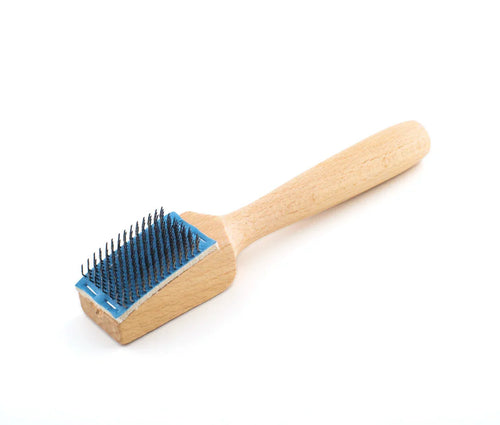
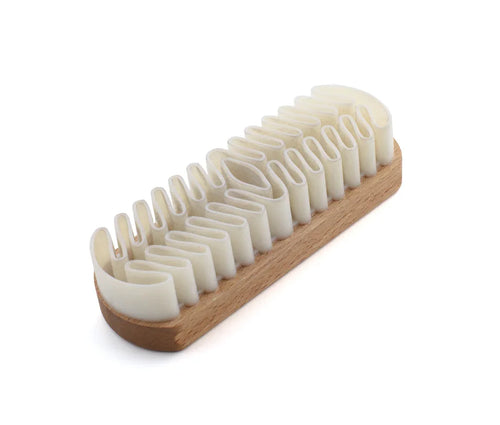
For cleaning the platforms and the heels themselves, I usually use a microfiber cloth with a little bit of glass cleaner or mild soap. This effectively removes residues of magnesium and skin oils without affecting the shine. Do you have shoes with a suede sole? Then use a special suede brush to raise the fibers again after they've been flattened by dancing. This ensures you maintain the right amount of grip and slide on the dance floor.
A final tip I always give my students: let your shoes air out after every class. Don't put them directly into a sealed bag. The materials need to breathe to prevent unpleasant odors and bacterial growth in the footbed. If you notice the inside starting to smell a bit musty, a small bag of activated charcoal or even a bit of baking soda can work wonders to absorb moisture and odor.
Tips for Beginners
Your first pole dance lesson can be quite intimidating, especially because the dress code differs quite a bit from what you're used to in the average gym. What I often see with beginners is a natural tendency to cover up 'safely' with long leggings and a loose T-shirt. In practice, however, this is the fastest way to get frustrated. For pole dancing, skin contact is your most important tool; your skin acts as a kind of natural brake and grip mechanism on the pole. Without direct contact between your legs and the pole, you simply slide down as soon as you try to climb or perform a 'sit'.Why less clothing really works better
A common mistake is thinking you only 'earn' those short shorts once you're advanced. Nothing could be further from the truth. Especially as a beginner, when your strength and technique are still developing, you really need that extra grip from your upper legs and knee pits. In our collection of women's pole dance clothing, you'll find shorts specifically cut to leave as much grip surface as possible at the hips and thighs, without you having to feel uncomfortable about the fit during active movements.- Avoid body lotion: This is the absolute 'silent killer' in the studio. On the day of your class, absolutely do not apply oil or lotion. It makes the pole slippery as ice, which is not only dangerous for you but also for the dancers using the pole after you.
- Wear layers: During the warm-up, you want to keep your muscles warm with sweatpants and a hoodie. As soon as the technical part begins, take these off to work in your shorts and sports bra.
- Jewelry off: Rings, bracelets, and watches can not only damage the pole (scratches!) but can also painfully get caught behind the pole during a spin or climb.
The transition to pole dance shoes
In most beginner classes, you start barefoot or in socks to develop a feel for the pole and the floor. Yet, I often see students quickly become fascinated by the iconic platform shoes. Although they look high, specific pole fitness shoes are often easier to dance in than normal heels, thanks to the enormous stability of the platform and the angle of the foot. In practice, these shoes even help you with certain techniques. The 'toe box' of the shoe can provide extra grip during floorwork, and the weight of the shoe helps you create momentum during spins. If you're considering purchasing your first pair, choose a model with a sturdy ankle strap. This prevents you from twisting your ankle during transitions. For the top of your outfit, I recommend looking at tops from our pole dance clothing line that have a high neckline or sturdy elastic bands; this gives you the assurance that everything stays in place when you hang upside down for the first time in a basic invert or a crucifix. Remember that everyone in the class is in the same boat. Those short shorts and specific shoes aren't for show, but are functional tools that help you move more safely and with more control. Focus on the technique and the anatomy of the movement – like actively pulling your shoulder blades down during a spin – and let the right clothing do the work of keeping you on that pole.Frequently Asked Questions
Do you wear shoes during pole dance class?
That depends entirely on the style you are following. In pole fitness, you usually train barefoot or in socks to develop optimal grip and technique. In Exotic Pole, special platform heels, such as those from the brand Pleaser, are actually essential. For beginners, it is advisable to start barefoot until you master the basic strength and control.
What clothing do I need for pole dancing?
For pole dancing, you need clothing that allows direct skin exposure, as skin contact provides the necessary grip on the pole. A sports bra and short shorts that leave the upper legs free are the standard. For the warm-up, you can wear leggings and a T-shirt, but for exercises on the pole, short garments are necessary for your safety.
Can you pole dance with clothes on?
While you can do floor exercises perfectly fine in leggings, pole dancing in the air with normal clothing is very difficult and often unsafe. Fabric simply slides off the metal pole. There is special 'sticky' pole dance clothing made of silicone for people who prefer to stay covered, but traditional pole dancing relies on the natural friction between bare skin and the pole for stability.
What should you wear for pole dancing?
For your first class, choose comfortable short shorts and a sleeveless top or sports bra. It is crucial not to use body lotion or oil on the day of the class, as this makes the pole dangerously slippery for you and other dancers. Additionally, always bring a small towel to clean the pole in between and keep your hands dry.
Why do pole dancers often wear high heels?
High heels, specifically platform soles, are used in the 'Exotic' style. These shoes aren't just for looks; the heavy soles provide extra momentum during spins and extend the visual line of the legs. Moreover, the toes of these shoes are specially designed to slide smoothly across the floor and make rhythmic taps, which is essential for the choreography.
What is the difference between pole fitness clothing and exotic pole clothing?
Pole fitness clothing is primarily functional, sporty, and focused on maximum freedom of movement for athletic tricks. With exotic pole clothing, it can often be a bit more glamorous, with materials like velvet, mesh, or glitters. Although both styles require short shorts for grip, the emphasis in exotic is more on aesthetics and the combination with iconic platform heels for a fluid dance style.
Do I need to use special grip aids during class?
Many pole dancers use aids such as liquid chalk or special grip gels to combat sweaty hands and gain more grip. Although this is not clothing, it belongs to the basic equipment. Beginners are often advised to first train without grip aids to build hand strength, but for advanced tricks, these aids are indispensable for a safe execution of the exercises.
How do I best maintain my pole dance clothing and shoes?
Preferably wash your pole dance clothing on a cold and delicate program without fabric softener, as this can affect the elasticity and grip of the fabric. You can wipe your pole dance shoes with a damp cloth after use. Never store your heels in a hot car or direct sunlight; the heat can weaken the glue of the platform soles, causing them to break faster.
The beauty of pole dancing is that it's much more than a workout; it's a personal journey of strength, expression, and growing confidence. What I especially want to share with you is that the right equipment forms the foundation of your success in the studio. Above all, remember that good pole dance clothing isn't just about aesthetics, but is essential for your grip and safety during every spin or climb. Whether you're training for pole fitness or taking your first steps in specialized pole dance shoes, your outfit should move with you and give you the freedom to give it your all.
When you wear clothing that feels like a second skin, insecurity disappears and makes room for pure focus on your technique. If you're still looking for that perfect match for your next training, View our women's pole dance clothing collection for items that are both functional and stylish. Your progress deserves to be supported by quality that can take a punch. Step onto the pole with the conviction that you can achieve anything, because you are always stronger than you think.


