

Table of Contents
- The Right Streetdance Shoes
- Essential Hip Hop Clothing
- Why Choose Special Dance Sneakers
- Comfort and Freedom of Movement
- Accessories for Dance Class
- Maintenance of Your Dance Gear
- Frequently Asked Questions
Nothing pulls you out of the flow of a cool choreo faster than shoes that have no grip or clothing that restricts your freedom of movement. The best gear for beginning street dancers consists of flexible dance sneakers with sufficient cushioning and comfortable hip hop clothing that can take a beating. In the years that I have been teaching in the studio, I have seen countless beginners struggle with the wrong footwear. Often I see students show up in standard sneakers with a sole that is too stiff, making turning movements an attack on their knees. That is exactly why the right street dance shoes are essential: they must support you during jumps, but also let you glide when the beat demands it.
In addition to your feet, your outfit plays a major role; it's not just about the right 'look', but especially about the functionality of the materials. A cotton shirt that is soaking wet after ten minutes doesn't help you during an intensive session. In this guide, I share my personal recommendations for your first set of basic gear, so you not only step into the room like a pro but also prevent injuries and get the maximum out of every move.
The Right Streetdance Shoes
What I often see in the dance studio is beginners showing up in their daily sneakers or, even worse, in running shoes. Although that seems logical because they are 'sports shoes', in practice you notice after the first lesson that this hinders your movements. Street dance is all about the balance between grip and glide. If your shoes have too much grip – which is the case with running shoes to prevent slipping on asphalt – you block your joints during turns. This is a common mistake that can lead to annoying knee and ankle injuries in the long run.Grip versus glide: The 'Spin Spot'
In practice, good streetdance shoes have a sole specifically designed for the dance floor. The most important feature I always emphasize to my students is the presence of a 'spin spot'. This is a smoother, round part under the ball of the foot. This allows you to turn smoothly without your foot sticking to the floor, while the rest of the sole still offers enough grip for powerful 'stomp' moves and fast transitions. Additionally, the flexibility of the sole is crucial. You have roughly two choices:- Split-sole: Here, the sole is interrupted at the arch of the foot. This gives you maximum freedom to point and flex your foot, which is essential for technical footwork.
- Full-sole: This sole runs all the way through. You often see this in the hip hop clothing style because it looks more like a 'normal' sneaker, but it also offers more stability and cushioning during heavy landings.
Cushioning and protection of your joints
Street dance is a high-impact sport. You make jumps, land deep in your knees, and perform explosive power moves. Without the right cushioning, your ankles and shins take all the hits. A good dance sneaker has a midsole made of EVA material or air cushions that absorb the shocks. Especially for young dancers who are still growing, this is not a luxury but a necessity. For the smallest talents, I always recommend looking at specific dance sneakers for children, as these provide the necessary support at the heel without hindering the natural development of the foot.The look and the culture
Let's be honest: street dance also comes with a certain look. Your shoes are an extension of your style. Although functionality always comes first, you also want your sneakers to match the rest of your hip hop clothing. Fortunately, today's modern dance sneakers no longer look like old-fashioned gymnastics shoes. They have the look of cool urban sneakers, but with the technical properties of a professional dance shoe. mine advice is to always try them on with the socks you also wear while dancing. Your foot expands slightly when you move intensively. A shoe that fits perfectly in the store can feel just a bit too tight at the toes during intensive choreography. Make sure you leave about half a centimeter of space at the front, so your toes don't get pinched during quick stops. Once you have found the right street dance shoes, you will notice that you stand on the floor with much more confidence and your technique improves faster.Essential Hip Hop Clothing
In the dance studio, I often see beginners who think they immediately need to spend a fortune on the latest designer streetwear to fit in. The reality is that hip hop clothing must primarily be functional; it is an extension of your movement. In practice, I see that the right clothing not only helps you feel the 'bounce' and the 'groove' better, but it also protects you physically during class. If you start with floorwork or 'freezes', for example, you don't want your skin to scrape directly over the dance floor.The basis: Freedom of movement and silhouette
A common mistake I see in new students is wearing clothes that are too tight, such as skinny jeans or stiff leggings. Hip hop is about large, grounded movements and isolations. If your clothing works against you when you go deep into a squat for a 'downrock' or throw your arms wide for a 'power move', it hinders your learning process.- The pants: Choose wide sweatpants or loose-fitting cargo pants. The extra fabric around the legs emphasizes your movements, making even small accents seem larger to the audience. Just make sure the pants have an elastic band at the ankles. Nothing is more dangerous than stepping on your own pant leg with your heel during a quick 'kick-ball-change'.
- Top: Layers are your best friend. You often start class cold during isolation exercises, but within twenty minutes your heart rate rises significantly. An oversized t-shirt over a sports bra or tank top is the standard. The heavy cotton of a quality hoodie can also help create that specific 'urban look', where the clothing follows the flow of the choreography.
- Accessories: A beanie or a cap is not just for style. In certain styles like breakdance, a beanie protects your head during spins, while a cap can help keep your focus 'in the zone' by slightly framing your field of vision.
The importance of the right dance sneakers
Your feet are your most important tool, and what I often see is beginners dancing in regular lifestyle sneakers that either have too much grip or offer no cushioning at all. This is where anatomy comes into play. In street dance, you often land flat on your foot or on the ball of your foot after a jump. Without good shock absorption, your ankles and knees have to handle all the impacts. For the youngest dancers, this is extra critical because their joints are still growing. Sturdy and flexible hip hop shoes for children are essential to prevent long-term injuries and to learn the right technique without the shoe restricting the foot. Additionally, a good shoe must have a so-called 'pivot point' under the sole. This is a smoother, round part that allows you to turn smoothly without twisting your knee. If you notice that you turn stiffly or get pain on the outside of your foot, that's often a sign that your footwear is not suitable. For adult dancers who want to work seriously on their footwork, these specialized dance sneakers for women are an excellent choice, as they offer the perfect balance between grip for quick stops and smoothness for spins. Remember that hip hop clothing is a form of self-expression. There are no strict rules like in ballet, but functionality must always come first. If your clothing forces you to think about how you look instead of how you move, then it is not the right gear for the class.Why Choose Special Dance Sneakers
When you're just starting with street dance, the temptation is great to just pull your daily Nikes or All Stars out of the closet. In practice, however, I see that this is one of the most common mistakes made by beginners. Although those shoes look cool on the street, they are simply not designed for the biomechanical load of a hip hop class. A common mistake I often see in the studio is that dancers 'stick' to the floor during a quick turn or pivot, which immediately causes enormous torsion on the knee joint.
Specific street dance shoes are essential because they offer the right balance between grip and glide. Unlike running shoes, which are designed for forward movement and maximum grip, dance sneakers often have a 'spin-point' under the ball of the foot. This smooth little circle ensures that you can turn effortlessly without straining your meniscus. If you want to start seriously, investing in good women's dance sneakers is not an unnecessary luxury, but a necessary protection for your body.
Cushioning during explosive movements
Street dance and hip hop are physically demanding. Think of 'stomp' moves, jumps from a deep squat, or explosive footwork combinations. What I often see is that dancers who dance in flat sneakers without cushioning suffer from their shins or lower back after a few weeks. A good dance sneaker has a midsole specifically designed to absorb the impact of these vertical forces.
- Split-sole construction: You see this a lot in advanced models. The sole is divided in two, keeping your foot extremely flexible for point work and floorwork.
- Shock absorption: Extra heel cushioning is crucial for the 'bounce' that is so characteristic of the hip hop style.
- Non-marking soles: Dance schools are strict about black streaks on the floor; special sneakers prevent this problem entirely.
For younger dancers, this is even more important. Growing bones and joints are extra vulnerable to repeated shocks on a hard dance floor. In practice, I notice that children who dance in quality dance sneakers for children not only complained less about tired feet but also developed their technique much faster because the shoe supports their movements instead of working against them.
The link with hip hop clothing and style
In addition to the technical aspects, the cultural context naturally also plays a role. You want your gear to match the rest of your hip hop clothing, but functionality must always come first. A common complaint is that dance shoes look 'too technical' or 'not cool enough'. Fortunately, the current generation of dance sneakers is designed to combine the aesthetics of urban streetwear with the technology of a sports shoe.
When trying them on, pay special attention to lateral stability. In street dance, you make many lateral movements (sliding sideways). A regular sneaker is often too weak in the upper, causing your foot to 'roll' over the edge of the sole. A good dance shoe firmly encloses your instep so that you don't twist your ankle during a quick directional change. My advice is always: choose a shoe that supports your ankle but gives you the freedom to fully roll your foot. This way, you combine the right 'look' with the safety you need to continue growing in your dance style injury-free.
Comfort and Freedom of Movement
Street dance is all about the 'bounce' and the 'groove'. If I see a new student in the studio struggling with tight jeans or a stiff hoodie, I already know the lesson will be difficult. In practice, clothing that is too tight hinders your ability to go deep into your knees or fully isolate your hips. Comfort here is not a luxury, but a technical requirement. You need space around your joints to perform explosive movements like a 'kick ball change' or a fast 'floor slide' unhindered. A common mistake is thinking that any sports outfit is suitable. Although fitness clothing is technically fine, it often lacks the specific cultural and functional properties of real hip hop clothing. The wider fit of street dance clothing not only helps create the right 'look', but it also emphasizes the movement. When you make a powerful arm movement, the fabric of an oversized shirt follows the movement just a bit later, which creates that typical visual effect we value so much in street dance.The anatomy of good streetdance shoes
What I often see is beginners walking into class in their daily sneakers. While this is fine for the very first trial lesson, you quickly run into limitations. Ordinary sneakers are often designed for forward movement (like running) and have a sole with an extreme amount of grip. In street dance, however, you need to be able to turn on the ball of your foot. If your shoe has too much grip during a 'pivot' or turn, your knees absorb the rotation instead of your shoes, which is guaranteed to lead to injuries in the long run. Good dance sneakers have a so-called 'spin spot' on the sole: a smoother circle under the ball of the foot. For adult dancers who want to work seriously on their footwork, I see that specific women's dance sneakers with a split sole offer much more flexibility when pointing the foot. For the younger generation, support is even more important. Because their joints and growth plates are still developing, quality dance sneakers for children provide the necessary shock absorption that you won't find in a standard gym shoe from Bristol.Practical tips for your first set
When you start putting together your gear, pay attention to the following points I always advise my own students:- Layers work best: You start cold, but after ten minutes of 'isolations' and a cardio warm-up, you'll be boiling hot. Wear a tank top under your baggy shirt or hoodie.
- Check the stretch: Always do a deep squat in the fitting room. If the pants pull at your crotch or knees, leave them. You must have full freedom of movement for 'level changes'.
- Socks are crucial: Don't wear thin ankle socks. Choose slightly thicker sports socks that prevent friction in your street dance shoes, especially if you jump a lot.
- Sole check: Look at the bottom of your sneakers. Is the sole entirely made of stiff rubber? Then they are probably too stiff for the dance floor. Look for a mix of materials that offer both grip and glide.
Accessories for Dance Class
When you walk into a street dance studio for the first time, you often see people with just a water bottle and a towel. But as the lessons become more intensive and you learn more techniques like floorwork or power moves, you notice that the right extra equipment makes the difference between an injury and a good flow. What I often see is that beginners underestimate how much impact street dance has on the joints, especially in movements where you have to turn quickly or land on your knees.
Protection and Support
In practice, a pair of good knee pads is not an unnecessary luxury, especially not in hip hop styles where a lot of 'floorwork' occurs. A common mistake is thinking your knees can take a beating. Without protection, however, you risk painful bruises or even bursitis when you land a 'knee drop' just wrong. Choose soft, flexible pads that don't restrict your freedom of movement, so you can still bounce smoothly.
Additionally, the choice of your footwear is crucial for your anatomical posture. Running shoes often have a sole that is too coarse with too much grip, which is dangerous for your knee ligaments during a spin or pivot. What I often advise is to invest in shoes specifically designed for the studio. These women's dance sneakers, for example, have a smoother surface under the ball of the foot, making it easier to turn without straining your joints. This is also important for the smallest dancers; good dance sneakers for children offer the necessary shock absorption during jumps, which is essential for feet that are still growing.
Clothing layers and material
In street dance, it's all about 'the look', but functionality comes first. A common scenario in class: you start cold, but after ten minutes of warming up, your body temperature rises rapidly. Working with layers is the solution here. Think of:
- An oversized hoodie for the warm-up to keep your muscles warm and prevent injuries.
- A breathable cotton or technical shirt underneath that wicks away sweat well.
- Long socks that you can pull over your pant legs; this not only helps with style but also protects your ankles during slides across the floor.
In practice, I often see students wearing jeans that are too tight. This hinders you in your 'groove' and limits your range in kicks or deep lunges. Better to choose baggy sweatpants or loose-fit cargo pants made of a light fabric. This gives you the room to go deep into your knees, which is the basis of almost every street dance move.
The content of your dance bag
Besides your clothing and shoes, there are a few small things that make your class a lot more pleasant. A good dancer is always prepared for unexpected situations. In my own bag, there are standardly a few items I recommend to every student:
- Extra pair of socks: Nothing is more annoying than going home with wet feet after a sweaty session.
- Microfiber towel: These take up little space but absorb a lot of moisture during intensive choreography blocks.
- Grip aids: Sometimes a dance floor is very slippery. A small bottle of water to make the soles of your shoes very slightly damp can sometimes give that extra grip you need for a powerful push-off.
- Hair ties: This sounds simple, but hair constantly hitting your face during a pirouette pulls you completely out of your concentration.
Don't forget that street dance is a social culture. Besides your gear, your attitude is your most important accessory. Make sure your stuff gives you confidence, so you can focus entirely on the music and the choreography instead of on pinching shoes or sagging pants.
Maintenance of Your Dance Gear
In practice, I often see beginners buying their first set of clothing and shoes with great enthusiasm, but after a few months they notice that the quality is rapidly declining. Street dance is a physically intensive sport where you sweat a lot and have constant friction with the floor. If you're not careful, you lose grip or your clothes wear out at the knees faster than you'd like. Good maintenance is not just a matter of hygiene, but it also protects your investment and prevents injuries from worn-out material.Give your dance sneakers the attention they deserve
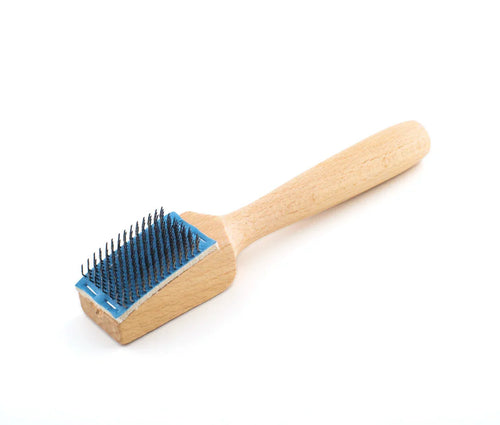
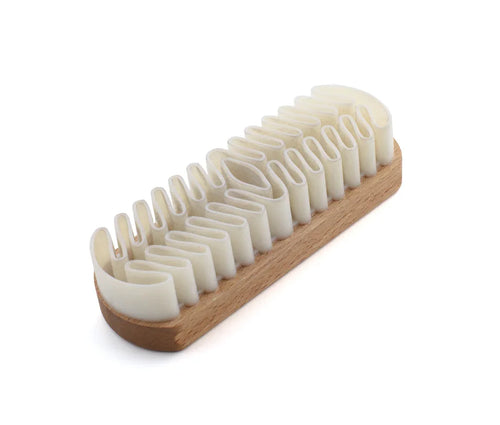
The sole of your shoe is your most important tool. What I often see is dancers wearing their shoes outside the dance hall as well. This is a common mistake. Street dirt, pebbles, and grease from the asphalt get into the rubber or suede of the sole. As a result, you lose the specific grip you need for fast footwork combinations or spins. When you invest in quality women's dance sneakers, it is essential to use them exclusively indoors. A handy practical tip: take a soft brush in your bag. After an intensive lesson, fibers from the dance floor or dust often remain in the profile of your sole. By brushing this away after every lesson, you maintain the 'spin-point' functionality under the ball of your foot. This significantly relieves your knees during turning movements, as the shoe then doesn't 'bite' into the floor but turns along in a controlled manner.Enjoy your hip hop clothing longer
Hip hop clothing is all about freedom of movement and style. Whether you choose baggy sweatpants or oversized shirts, the fabrics take a beating during floorwork like 'six-steps' or 'freezes'. A common mistake is washing your gear too hot. Most modern dance materials contain elastane or synthetic fibers that lose their shape at high temperatures.- Always wash your dance clothing inside out to protect prints and colors from friction in the drum.
- Avoid fabric softener; this clogs the fibers of breathable fabrics, causing sweat odors to linger in the clothing faster.
- Let your clothing air dry instead of in the dryer. The heat from the dryer affects the elasticity of the waistbands, which might cause your pants to suddenly not stay put during a jump.
Hygiene and storage for the youngest dancers
For parents of young dancers, there is another specific point of attention: the infamous dance bag. After an energetic lesson, the shoes and shirt often disappear directly into a closed bag, where they stay until the next week. This is a breeding ground for bacteria and fungi. Especially with dance sneakers for children, I see that the inner lining wears out quickly if the shoes remain constantly damp. My advice is to make a fixed routine: as soon as you get home, the shoes come out of the bag. If necessary, remove the insoles to let them air out. Don't use direct heat sources like the radiator to dry your shoes, as this can dry out and make the glue bonds in the sneaker brittle. A few crumpled newspapers in the shoes still works best in practice to absorb moisture without affecting the shape of the shoe. By teaching these small habits, you ensure that your gear not only lasts longer but that you also step onto the dance floor with a fresh and safe feeling every lesson.Frequently Asked Questions
Which shoes are best for street dance?
The best street dance shoes are sneakers with good cushioning and a flexible sole. Brands like Nike, Adidas, and specific dance brands like Bloch offer excellent support for jumps and fast footwork. Choose a model that offers stability around the ankles to prevent injuries, while the sole has enough grip without sticking to the dance floor during turning movements.
What should I look for when buying dance sneakers?
When buying dance sneakers, the sole is the most important part. Look for a 'split-sole' for maximum flexibility or a smooth circle under the ball of the foot, also called a pivot point. This helps in making turns smooth. Additionally, the shoes should be lightweight and have a breathable material so your feet stay cool during intensive hip hop training sessions.
What kind of clothing do you wear for hip hop?
Typical hip hop clothing for beginners consists of loose-fitting items that offer a lot of freedom of movement. Think of wide sweatpants, an oversized T-shirt, or a comfortable hoodie. It is essential that the fabric is not too tight so you can perform deep steps and isolations unhindered. Choose breathable materials like cotton or synthetic sports fabrics that effectively wick away sweat during your dance lesson.
Do I need special knee pads for street dance?
Although knee pads are not mandatory, they are strongly recommended for beginners who do a lot of floorwork. Street dance often contains movements where you land or turn on your knees. Soft, flexible knee pads protect you from bruises and scrapes. Make sure they are thin enough to fit under your hip hop clothing so they don't restrict your movements and flexibility on the dance floor.
Are regular running shoes suitable for street dance?
Regular running shoes are often less suitable as street dance shoes because they have too much grip. Running shoes are designed for forward movement and have treads that can block lateral turns, which is bad for your knees. Dance sneakers, on the other hand, have a smoother sole that allows for controlled sliding and turning. For a safe start, it is better to invest in sneakers with a flatter, less stiff bottom.
How should street dance clothing fit for beginners?
For beginners, street dance clothing should primarily be comfortable and functional. The fit is usually 'baggy' or oversized, which not only fits the culture but also ensures your legs and arms can move freely. Make sure your pants don't drag over your shoes to prevent tripping. A good balance between style and freedom of movement is crucial to confidently learn the basic steps of hip hop.
Why are the right soles important for dance sneakers?
The right soles for dance sneakers are crucial for the health of your joints. A sole with a pivot point reduces friction during rotations, significantly reducing the load on your knees and ankles. Furthermore, a good sole offers the necessary shock absorption for jumps. Make sure the sole doesn't leave black streaks on the dance floor; therefore, preferably choose 'non-marking' soles made of rubber or special plastic.
The beauty of street dance is that you can immediately show your own style and personality, but that creative freedom starts with a solid foundation. What I especially want to tell you is that the right street dance shoes make the absolute difference between a clumsy slip and that one perfect landing. Good hip hop clothing should not only look powerful but also give you the freedom of movement to perform those deep lunges and explosive footwork without any restriction.
Remember above all that your feet are your most important instrument on the dance floor. Whether you are taking your first steps or are already ready for your first battle, specialized dance sneakers offer the necessary cushioning and grip to prevent injuries. Give yourself that comfort and view our women's dance sneakers collection or discover the best support in the children's dance sneakers collection for the youngest dancers.
Ultimately, it's not about having the flashiest outfit in the whole studio, but about you feeling confident enough to completely lose yourself in the beat. Put on those shoes, feel the music, and let the dance floor vibrate under your own unique flow.


