

Buying Ballet Shoes: The Guide that Saves You Blisters (and Doubles Your Dancing Pleasure)
You stand there, in front of the mirror in the dressing room, looking at your bare feet while the rest of the class glides smoothly across the floor on those beautiful pink or black slippers. You wonder: "Are these the ballet shoes everyone is talking about, and why do I feel like a wooden plank?" Believe me, I've been exactly there. The right ballet shoes are not a luxury; they are your connection to the floor and the difference between a graceful pirouette and a painful fall. A good ballet shoe is a snug-fitting slipper made of leather or canvas that protects your foot, supports your muscles, and emphasizes that iconic "point." Whether you're starting as an adult or your little girl is making her first plié, I'm going to tell you everything I've learned in fifteen years of teaching, so you don't make the same beginner mistakes I did.
What you need to know about ballet shoes (Table of Contents)
- Leather vs. Canvas: What really fits your feet?
- The Sole: Why a full sole is your best friend (for now)
- Sizing: Why you should NEVER buy with room to grow
- The Big Brands: Why Bloch and Capezio dominate the dance floor
- The Mystery of the Hard Toe: Ballet Shoes vs. Pointe Shoes
- Complete your look: Leotards, Tutus, and more
- Maintenance Tips: How your shoes survive the dance bag
- Related articles for the true die-hards
- Frequently Asked Questions (FAQ) about ballet shoes
Leather vs. Canvas: What really fits your feet?
Let's be honest, when you first look at ballet shoes, they all look the same. But the choice between leather and canvas is crucial for how you feel during class.
Leather ballet shoes are the classic. Why? Because leather lives. It molds to your foot like your favorite pair of jeans does. In the beginning, they might feel a bit tight, but after three classes, they feel like a second skin. They are also super durable. If you're a beginner who might still drag across the floor a bit clumsily, leather can take a beating. A disadvantage? They breathe less. If you suffer from sweaty feet, they can start to smell a bit... well, let's say 'characteristic' after an intensive hour-and-a-half class. Brands like Bloch have fantastic leather options that last for generations.
On the other hand, we have canvas ballet shoes. This is what most advanced dancers and professionals choose. Canvas is light, it breathes wonderfully, and you can (usually) just throw them in the washing machine if they get dirty. The biggest advantage of canvas, like the popular Capezio Hanami, is that they beautifully accentuate the line of your foot. Stretch is often incorporated into the canvas, causing the shoe to cling to your arch. The disadvantage? They wear out faster. If you train three times a week, you'll probably have your big toe through the fabric after a few months.
My advice for you? If you're just starting out, go for leather. It helps you make the muscles in your feet stronger because you feel more resistance when stretching your foot. Want to know more about this specific dilemma? Then read my extensive guide on Canvas vs Leather Ballet Shoes: The Best Choice.
The Sole: Why a full sole is your best friend (for now)
When you're in the store (or scrolling online at Miss Salsa), you'll see two types of soles: the full sole and the split sole. This isn't just a design choice; it has everything to do with technique and strength building.
A full sole runs continuously from your heel to your toes. For beginners, this is the holy grail. Why? Because it provides resistance. Every time you stretch your foot (make a 'tendu'), you have to work against that sole. This builds the small muscles in your arch that you'll need later for jumps and, who knows, maybe one day for pointe shoes. I too often see beginners choosing a split sole right away because it looks "more professional," but then they don't use their feet properly.
A split sole has, as the name suggests, a piece of suede under the ball of the foot and a piece under the heel, with only fabric in between. This makes the shoe extremely flexible. It looks beautiful because the shoe follows the arch of your foot, but it offers zero support. For children, a full sole is almost always mandatory at good ballet schools.
Are you curious when you can make the switch? I've explained the differences in detail in the article Split Sole vs Full Sole: Your Ballet Shoe Choice. For now: keep it simple, stick with a full sole from a brand like Rummos or Werner Kern (yes, they also make beautiful training shoes!).
Sizing: Why you should NEVER buy with room to grow
Listen carefully, because this is where 90% of beginners go wrong. A ballet shoe is not a sneaker. If you have a little extra room at your toes in a sneaker, that's fine. In a ballet shoe, it's a disaster.
If a ballet shoe is too big, the fabric at your toes will start to 'bag.' You lose contact with the floor and can't properly feel how you distribute your weight. But even worse: you'll start clawing with your toes to keep the shoe in place. This leads to cramps and, in the long run, injuries. A ballet shoe should fit like a firm hug for your foot. No pain, no pinching toes, but snug everywhere.
For parents: I know children grow incredibly fast, but please don't buy girls' ballet shoes with room to grow. It greatly hinders their technical development. The shoe must fit exactly. Check our guide for Buying Ballet Shoes for Children? Tips! to see how you can still manage the growth of those little feet a bit without buying new shoes every month.
Pro-tip for measuring: Stand on a white sheet of paper, trace the outline of your foot, and measure the distance from your heel to your longest toe. Each brand (Bloch, Capezio, Grishko) has its own size chart that often differs from your normal shoe size. For a deep dive into the measuring process, check out Ballet Shoe Sizes: Correct Measuring for the Perfect Fit.
The Big Brands: Why Bloch and Capezio dominate the dance floor
You have "ballet shoes" from the local budget store and you have real dance shoes. Believe me, your feet feel the difference after five minutes at the barre.
Bloch is the undisputed king of the ballet world. They've been around since the 1930s and know exactly how a foot moves. Their shoes, like the Bloch Prolite, have a fit that fits almost everyone. They use high-quality leather that is not only supple but also breathable. If you have a wider foot, Bloch is often your best friend because they offer different width sizes.
Capezio is the hip American brother. They are known for their innovation. The Capezio Hanami is perhaps the best-selling canvas shoe in the world because it has no annoying drawstrings that you have to tie (and that always come loose during an exercise). The material stretches in four directions, which gives an incredibly beautiful line.
Then you have brands like Rummos and Werner Kern. Although they are mainly known in the world of Latin and Ballroom, they also make fantastic training shoes used by ballet dancers for warm-ups or specific floor training. It really pays to invest in a brand that researches the anatomy of the foot. You save yourself blisters, corns, and a lot of frustration.
The Mystery of the Hard Toe: Ballet Shoes vs. Pointe Shoes
One of the most frequently asked questions I get is: "What is a ballet shoe with a hardened toe called in 6 letters?" The answer is simple: SPITZE (or pointe shoes in the plural). But beware: this is NOT what you start with as a beginner.
I often see girls (and enthusiastic adults) who want to dance on pointe right away because it looks so magical. But pointe shoes are dangerous if your feet and ankles aren't strong enough. You need years of training on "soft shoes" (the regular ballet shoes we're talking about now) before a teacher gives you permission to go on pointe.
The difference? A regular ballet shoe is soft and flexible. A pointe shoe has a "box" made of layers of paper, glue, and fabric that is baked rock hard, allowing you to literally stand on the tips of your toes. If you're starting now, forget about the pointe shoes for a moment. Focus on your technique in your canvas or leather slippers. Your ankles will thank you.
Complete your look: Leotards, Tutus, and more
Now that you have your shoes, you naturally want to look like a dancer too. The right clothing isn't just for looks; it helps your teacher correct your posture. If you wear baggy sweatpants, I can't see if your knees are properly 'turned out'.
The basic outfit consists of:
- A leotard (the classic ballet suit). Choose a model you feel confident in. Check out our Leotards for different styles, from simple black to lace.
- Tights. These are usually worn over or under your leotard. They are much sturdier than normal tights and ladder less easily.
- A skirt or tutu. For class, a simple wrap skirt is often enough. Going for a performance or feeling extra festive for a day? Then view our Skirts & Tutus or specific Ballet Dresses.
Remember: ballet is a discipline, but it should also be fun. If you feel beautiful in your outfit, you dance with more confidence. And you can see that in your movements!
Maintenance Tips: How your shoes survive the dance bag
You've finally found the perfect shoes, so let's take good care of them too. The biggest mistake? Leaving your shoes in your bag after class.
Ballet shoes become damp from sweat. If you leave them in a closed bag, they will smell and the material (especially leather) will deteriorate. Take them out of your bag immediately when you get home and let them air dry. But beware: NEVER put them on the heater. The leather will become hard and brittle, and the glue in the sole can come loose.
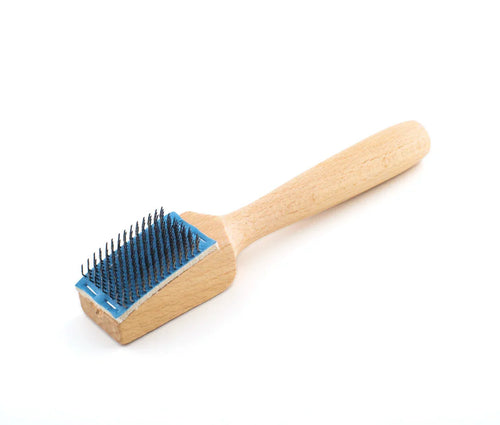
Canvas shoes can be washed occasionally. Do this in a laundry bag on a cold program and let them air dry. Clean leather shoes with a slightly damp cloth. If the suede sole becomes slippery from dust on the floor, you can use a special wire brush to 'rough up' the sole again. This way you maintain your grip and don't slip during those exciting big jumps. Need more tips? Read Breaking in Ballet Shoes: Tips for Comfort & Durability.
Related articles for the true die-hards
Want to know everything before you hit that order button? I have a whole library of knowledge ready for you:
- Canvas vs Leather Ballet Shoes: The Best Choice - The deep dive into materials.
- Buying Ballet Shoes for Children? Tips! - Essential for parents.
- Split Sole vs Full Sole: Your Ballet Shoe Choice - Everything about support.
- Ballet Shoe Sizes: Correct Measuring for the Perfect Fit - Prevent bad purchases.
- Breaking in Ballet Shoes: Tips for Comfort & Durability - Make them comfortable faster.
Frequently Asked Questions (FAQ) about ballet shoes
What are a ballerina's shoes called?
The general term is ballet shoes or ballet slippers (soft shoes). When a dancer dances on her toes, she wears pointe shoes.
What is a ballet shoe with a hardened toe called in 6 letters?
That is the SPITZE. In the Netherlands, we often use the plural 'spitzen', but in crosswords, it's usually 'spitze'.
What is a ballet shoe called?
In the dance world, we often simply call them 'slippers' or 'softs' to distinguish them from pointe shoes. Officially, they are of course just ballet shoes.
What are ballet shoes called?
People often search for different terms like 'ballet shoes' or 'ballet slippers'. The correct English term is ballet shoes.
Should I wear socks in my ballet shoes?
In the beginning that's possible, but most dancers wear ballet tights. These are designed to reduce friction. If you prefer not to wear tights, you can also go barefoot in the shoe, but be prepared for more sweat (especially in leather!).
How tight should ballet shoes be?
Think of a second skin. Your toes should be able to lie flat on the ground without curling, but there should be no empty space at the toe. When you stretch your foot, the shoe should perfectly follow the shape of your foot.
Ready to hit the floor? You now have all the knowledge to make the perfect choice. Whether you go for those classic leather Bloch shoes or those hyper-modern Capezio canvas slippers, the most important thing is that you feel comfortable. Dancing starts with your feet, so give them the love they deserve!
Ready to shop? View our full collection of ballet shoes and find the pair that fits you!


