Cleaning Ballet Shoes: Canvas & Leather Guide

Table of Contents

How often do I see it happen after an energetic class: students taking off their ballet shoes and sighing at the stains and sweat? As a dance instructor, I know your shoes are the silent witnesses to every pirouette, every plié, and every little jump. They catch sweat, dust, and yes, sometimes a bit of stage magic. But they are also an investment, and good shoe care is essential to keep them beautiful and hygienic for longer. This guide is here to show you exactly how to get your beloved canvas and leather ballet shoes back in top condition.

In my years on the dance floor, I have seen countless pairs pass by, from the first soft ballet slippers to seasoned pointe shoes. And believe me, the right shoe maintenance makes a world of difference. It's not just about aesthetics; hygiene is crucial, especially with intensive use. Many dancers think cleaning dance shoes is a lost cause, but with the right techniques and a little patience, we can tackle those gray tones and streaks. I share here the proven methods I have recommended to my own students for years. Let's make sure your dance shoes shine again.

Why is Cleaning Important?

As a dancer, I know from experience how quickly ballet shoes can get dirty. Whether you're on stage, practicing in the studio, or even doing a photoshoot outside, your shoes take a beating. What I often see is that many dancers tend to postpone cleaning their ballet shoes, or worse, forget it altogether. And that's a shame, because good shoe care is crucial, not only for the lifespan of your shoes but also for your performance and hygiene.

Think about it: every class, every rehearsal, your feet sweat. That sweat gets into the canvas or leather of your shoes. In practice, this means not only unpleasant odors but also a breeding ground for bacteria. I once experienced taking off my pointe shoes after an intensive training period and the smell was almost unbearable. That is not only unpleasant for yourself but also for your fellow dancers. Moreover, the buildup of dirt and sweat can affect the material, making it stiffer or wear out faster.

Hygiene and Health

A clean dance shoe is a hygienic dance shoe. This might sound logical, but the implications are bigger than you think. Athlete's foot and bacterial infections lurk if your shoes are constantly damp and dirty. I always advise my students to air out their shoes well after every class and clean them regularly. This definitely applies to both canvas and leather shoes. Canvas absorbs moisture faster and can therefore start to smell quicker, while leather, although more durable, is also sensitive to sweat and dirt that can penetrate deep into the pores. Consistently cleaning your dance shoes with the right products helps prevent this.

Lifespan and Cost Savings

Ballet shoes are an investment. Whether you choose the affordable canvas version for daily training or the more expensive leather pointe shoes for advanced classes and performances, you want them to last as long as possible. A common mistake is wearing shoes until they fall apart without any maintenance in between. What I have learned is that regular cleaning and conditioning significantly extends the lifespan of your shoes. For leather shoes, it helps keep the leather supple and strong, while for canvas, it protects the fibers from breakdown by dirt and sweat. By taking good care of your shoes, you need to buy new ones less often, which yields significant savings in the long run. See it as a little extra time you invest now to avoid digging deep into your pockets for a new pair later.

Performance and Comfort

Comfort and grip are essential in ballet. A clean sole ensures optimal grip on the dance floor, which is crucial for pirouettes, balances, and jumps. If there is a layer of dirt or rosin on your sole, it can reduce your grip, which can be dangerous and negatively affect your technique. I have often seen dancers struggling with sliding feet, not realizing their shoes are just dirty. Moreover, clean shoes contribute to overall comfort. Nobody wants to dance in hard, stiff, or smelly shoes. Especially with pointe shoes, where the fit is a matter of millimeters, built-up dirt can affect the internal structure and feel. By maintaining your shoes well, they stay supple and retain their original fit, which is essential for good foot anatomy and preventing injuries. For example, use specific cleaning agents suitable for the material of your shoes to keep them in top condition and optimize your performance. Ultimately, the attention to your ballet shoes contributes to better focus on your dance itself, without distractions from discomfort or unhygienic conditions.

Cleaning Canvas Shoes

Canvas ballet shoes are the silent witnesses of every pirouette, every plié, and every drop of sweat. They are the workhorses of the dance floor, and what I often see is that dancers only clean them when they have truly turned gray. But believe me, regular maintenance not only significantly extends their lifespan, it also keeps them fresh and professional-looking. This is essential because clean shoes feel better and radiate professionalism, whether you are training in the studio or standing on stage.

Preparation and Spot Cleaning

Before you get started with soap and water, good preparation is half the battle. Grab a soft brush or even an old toothbrush and gently brush over the soles and the canvas parts to remove dust, hair, and dried sand. This prevents you from rubbing the dirt into the fabric later.

For small stains – think of those annoying black streaks from the dance floor or an unexpected coffee stain – I recommend trying spot cleaning first. Take a damp cloth and a small amount of mild soap. A drop of dish soap, baby shampoo, or a special shoe cleaner for dance shoes can work wonders. Dab gently on the stain; do not rub, as you risk working the dirt deeper into the fibers. Keep dabbing with a clean, damp cloth to remove the soap residue.

Thorough Cleaning and Drying Process

If spot cleaning is not enough, for example, when the shoes are discolored all over by sweat or dirt, a hand wash is the best option. A common mistake is to throw them in the washing machine. This can loosen the glue bonds of the sole, affect the shape of the shoe, and damage the elastics.

This is how you handle a thorough hand wash:

  • Fill a basin with lukewarm water and add a small amount of mild soap.
  • Submerge the shoes and gently squeeze them clean. Pay extra attention to the toe and heel. You can use a soft sponge or cloth.
  • Rinse the shoes thoroughly under cold, running water. Make sure all soap residue is gone, otherwise it can harden the fabric or leave stains.

Drying is just as important as washing itself. Gently squeeze excess water out of the shoes, but do not wring them. To maintain the shape, you can stuff them with some paper towels or a clean cloth. This also helps to absorb moisture from the inside.

Then let your ballet shoes air dry, away from direct sunlight or a heat source. High temperatures can cause the canvas to shrink or affect the glue. What I often do is place them on a clean towel and turn them over occasionally. Patience is a virtue here; it can take a day or even longer before they are completely dry.

Practical Tips for Long-term Maintenance

Good care for your canvas ballet shoes goes beyond just washing. Here are a few more tips I've learned in practice:

  • Frequency: Dancers who train intensively often give their canvas shoes a thorough wash every 1-2 months. In between, spot cleaning is sufficient.
  • Odor Control: If your shoes still smell a bit musty even after washing, sprinkle some baking soda in them after drying. Let this sit overnight and tap it out the next morning.
  • Lifespan: Whether it concerns pointe shoes or soft practice shoes, good dance shoes are an investment. By maintaining them well, they last longer and continue to look professional, which is crucial for both your self-confidence and your appearance during auditions or performances.

Regularly and correctly cleaning your canvas ballet shoes is not a luxury, but an essential part of your dance routine. It keeps them not only clean and fresh, but also extends the lifespan of your most trusted partner on the dance floor.

Caring for Leather Shoes

As a dancer, I know how essential your shoes are. And when we talk about leather ballet shoes, we are talking about a completely different beast than canvas. Leather breathes, molds to your foot, and offers unparalleled feel and durability. But that durability comes with a price: it requires specific attention. What I often see is that dancers think leather is indestructible, but without proper care, it can dry out, crack, and lose its suppleness, which directly affects your pirouettes and pliés. It's just like your own skin; you have to nourish and protect it. After every class, the first step is crucial. Sweat and dirt are the biggest enemies of leather.

Daily Routine

  • **Wiping:** Immediately after dancing, take a soft, slightly damp cloth – no soap, no aggressive agents – and gently wipe the outside of your shoes clean. Remove sweat, dust, and any stains. The goal is to remove surface dirt before it pulls into the leather.
  • **Airing out:** Never put your shoes directly into a closed bag. Let them air out well. I often hang my women's dance shoes over a chair or place them in a spot where air can circulate. This helps to wick away moisture and prevent unpleasant odors. A common mistake is to leave them in a plastic bag; then the moisture stews and you get mold or a musty smell.
  • **Retaining shape:** Leather can shrink or deform as it dries. Use shoe trees or stuff the shoes with acid-free paper to maintain the shape. This is especially important for pointe shoes, but also for ballet shoes that need to fit tightly around the foot.
Every once in a while, depending on how intensively you dance, your leather shoes need a deeper treatment.

Deeper Cleaning and Nourishment

In practice, I see that leather is often neglected until it's too late. For a deeper cleaning, I use a special leather cleaner myself, or a very mild soap solution (baby shampoo sometimes works wonders too, but always test on an inconspicuous spot first!). Apply it with a soft cloth, rub gently in circular motions, and then wipe off with a clean, slightly damp cloth. Make sure you don't saturate the leather with water; leather and too much water are not a good combination.

After cleaning, nourishment is essential. Leather is a natural product and needs nourishment to stay supple and prevent cracking. I use a good leather conditioner or leather balm for this. Apply this with a soft cloth, let it soak in for a while, and then gently polish it. This process helps replenish the natural oils in the leather, allowing your shoes to maintain their flexibility. Remember: supple leather gives you the freedom of movement you need in every choreography. Especially with intensive use, such as with ballet shoes for professional dancers, this is a must.

Don't forget the soles either, especially if they are made of suede. Suede soles provide grip, but they also attract dirt quickly and become slippery.

Sole Maintenance

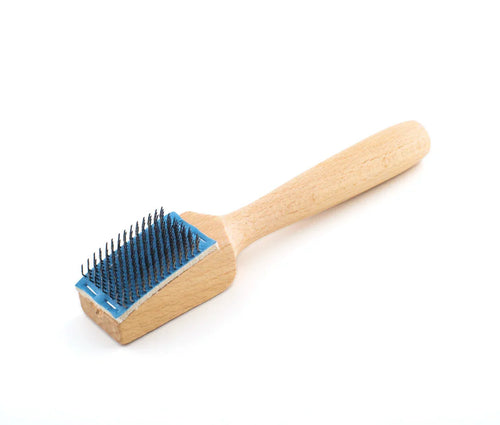
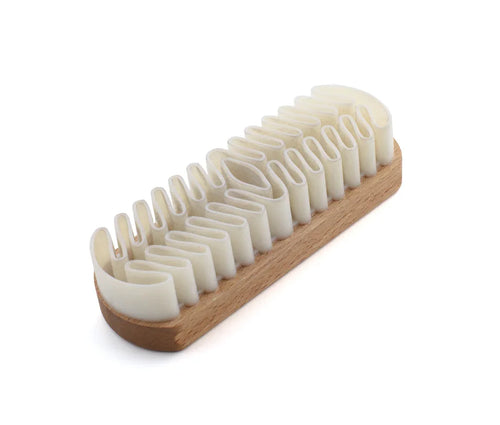
For suede soles, I use a special suede brush to brush away dirt and the buildup of slippery layers. This restores the texture and thus the grip. A common mistake is not cleaning the soles at all, causing you to slip on stage. I recommend doing this regularly, especially if you notice you have less grip. There are also special anti-slip sprays you can use for extra grip, but make sure to choose a product that does not damage the leather.

A final tip: consider a protective spray for your leather shoes. This can help improve water and stain resistance, which significantly extends the lifespan of your shoes. Check our collection of shoe care products for suitable options. Good care is an investment that pays off twice over in comfort, performance, and the lifespan of your beloved dance shoes.

Stain Removal Tips

As a dancer, I know better than anyone how quickly your beloved ballet shoes can look like they've been through a whole war. Stains are inevitable, whether it's mud from the parking lot, sweat spots after an intensive rehearsal, or even makeup that accidentally ends up on your shoe. The good news is that most stains can be removed, provided you act quickly and with the right approach. What I often see is that people wait too long, causing the stain to pull deeper into the material. My advice? Tackle it immediately!

Stains on Canvas Ballet Shoes

Canvas shoes are wonderfully breathable and flexible, but unfortunately also easily absorb stains. The key here is gentleness and patience. Never use aggressive agents, as they can damage the fabric or cause discoloration. A common mistake is to rub too hard, which can only spread the stain or stretch the canvas.

  • Mud or Dirt Stains: Let the mud dry completely first. Try to gently brush off most of the dirt with a soft brush (an old toothbrush works perfectly). Then mix a little mild hand soap or dish soap with water. Dip a clean cloth or sponge into the suds and dab gently on the stain. Work from the outside in to avoid spreading the stain. Rinse the cloth regularly and dab with clean water to remove soap residue. Then let the shoes air dry, out of direct sunlight.
  • Sweat or Odor Stains: I see these especially often in the lining of the shoe, but sometimes also on the outside. For surface sweat stains, you can use the same method as for dirt stains. For stubborn odors or deeper stains, a paste of baking soda and water can work wonders. Apply a thin layer to the stain, let it soak in for a few hours (or overnight), and then gently brush it off. The baking soda absorbs odors and pulls moisture out of the fabric. This is a good habit for the general shoe care of your dance shoes.
  • Makeup Stains: A smudge of foundation or lipstick? Don't panic. Use a little bit of micellar water on a cotton pad and dab gently on the stain. This is often effective without damaging the fabric. Then rinse with a damp, clean cloth.

Stains on Leather Ballet Shoes

Leather ballet shoes require a different approach than canvas because leather is a natural material that can dry out or crack if treated incorrectly. What I often see in practice is that people use too much water, which can damage leather.

  • Surface Dirt or Dust Stains: Most dirt can be easily wiped off with a soft, dry cloth. For slightly more stubborn dirt, you can use a slightly damp cloth. Make sure the cloth is not soaked. Gently wipe the stain away and dry the leather immediately with a clean, dry cloth to prevent water spots.
  • Scuff Marks or Light Scratches: Small scuff marks are quite normal, especially when performing pirouettes or other floor contacts. A special leather conditioner or a drop of baby oil on a cotton pad can help make these spots less visible. Rub gently in circular motions and then polish with a clean cloth. This nourishes the leather and restores the shine. For the overall dance shoe cleaning of your leather shoes, a good conditioner is essential.
  • Stubborn Stains (such as ink): Ink stains are tricky. Try a cotton swab with a little bit of rubbing alcohol (isopropyl alcohol) and dab very carefully on the stain. Work quickly and then immediately dab with a damp cloth to remove the alcohol, followed by a dry cloth. Always test this on an inconspicuous spot first! It is crucial to treat the leather with a conditioner afterwards to prevent drying out and to keep your ballet shoes supple.

Remember, for every stain: the faster you get to it, the greater the chance of success. A little love and attention for your ballet shoes not only extends their lifespan but also ensures you always step onto the dance floor looking radiant!

Drying and Storage

After an intense class, with pirouettes and pliés that make sweat appear on your forehead – and in your shoes – the temptation is great to just throw your ballet shoes in your bag and not look at them again. But believe me, this is one of the fastest ways to drastically shorten the lifespan of your beloved ballet shoes. A good drying and storage routine is just as essential as a good warm-up; it ensures your shoes stay fresh, retain their shape, and keep your feet happy for the next class.

How to Dry

What I often see in the locker room is students putting their shoes directly into a closed bag after class. This is a common mistake. Sweat is the biggest enemy of both canvas and leather ballet shoes. It not only creates a breeding ground for bacteria and unpleasant odors but also eventually affects the material.
  • Canvas Ballet Shoes: These are relatively forgiving. Take them out of your bag immediately after class and let them air dry. Find a spot with good air circulation, but avoid direct sunlight or the heater. Heat can dry out the canvas and weaken the glue bonds. I often stuff a piece of clean, uncolored paper in them myself – an old newspaper can leave stains – to maintain the shape and absorb the moisture from the toe. It's a simple trick that really helps.
  • Leather Ballet Shoes: Leather requires a bit more attention. Like canvas, they must air dry, away from direct heat sources. Leather can dry out and crack if it dries too quickly or is exposed to too much heat. What I recommend is to apply a little bit of leather conditioner after drying. This keeps the leather supple and prevents cracks. Remember, your investment in high-quality leather dance shoes pays off in comfort and durability, provided you take good care of them.
A common misconception is that shoes will dry in your sports bag if you leave it open. No. Take them out. Place them somewhere where they can truly breathe. Think of the anatomy of your foot: it sweats, especially in such an enclosed space. That heat and moisture must go away.

Smart Storage for Long-lasting Pleasure

Once your shoes are completely dry – and that can sometimes take up to 24 hours, depending on the humidity – it's time to store them. This is just as important as the drying process.
  • Breathable Bags: Always store your ballet shoes in a breathable bag. I often use cotton or mesh bags myself. This protects them from dust and dirt, but at the same time allows air to circulate. A plastic bag is out of the question; this traps moisture and invites mold. Nobody wants moldy ballet shoes, right?
  • Retaining Shape: For leather shoes, and sometimes also for canvas, it can be useful to fill them with a shoe tree or simply some rolled-up paper again. This helps maintain the original shape, especially with pointe shoes. I once had a student who kept her pointe shoes crushed in her bag, with all the consequences that entails for the box. You want to avoid that.
  • Keep Separated: Make sure your ballet shoes are separated from other items in your dance or gym bag. Especially from dirty clothes or wet towels. This prevents transfer of dirt and bacteria. I always have my shoe care products, such as my leather conditioner and brushes, separately in a small toiletry bag so that everything stays neat.
Ultimately, it's all about respect for your equipment. Your ballet shoes are an extension of your feet, your instrument. By drying and storing them properly, you not only extend their life but also ensure they are ready to support you in every jump and turn every time.

Avoiding Common Mistakes

As a dancer, you know how precious your ballet shoes are. They are an extension of your feet, your instrument. But in my years of experience, both on the dance floor and behind the scenes, I see that the same mistakes are often made when cleaning these essential partners. And believe me, those mistakes can drastically shorten the lifespan and performance of your shoes.

Being too aggressive

One of the most common misconceptions is that 'harder' also means 'cleaner'. Nothing could be further from the truth, especially with delicate materials like canvas and leather. What I often see is people throwing their canvas ballet shoes – whether they are pointe shoes, soft shoes, or jazz shoes – into the washing machine. With all good intentions, of course. But the result is often disastrous: the glue comes loose, the canvas shrinks, the color fades unevenly, and the fit is ruined forever. A gentle hand wash with a mild soap solution, such as baby shampoo or a special textile cleaner, is much more effective and safer. Use a soft cloth or sponge and dab gently instead of scrubbing.

With leather ballet shoes, water is definitely the enemy. My own experience shows that too much water dries out the leather, making it stiff and brittle. That suppleness, which you need so badly for a good point or flex, then disappears completely. A common mistake is trying to scrub away stains with a wet cloth. Use a slightly damp cloth and a high-quality leather conditioner instead. Remember: leather is a skin, and you have to nourish it, not dry it out. There are special products that clean and care for the leather, preserving its suppleness and significantly extending the life of your ballet shoes.

Incorrect drying and neglect

After you have carefully cleaned your shoes, the drying process is just as crucial. A classic mistake is drying on the heater, in direct sunlight, or worse, with a hair dryer. The rapid, intense heat is fatal for both canvas and leather. Canvas can shrink and deform, while leather becomes hard, cracks, and loses its natural resilience. In practice, I often see the toe of pointe shoes becoming too hard because of this, which makes dancing painful and dangerous.

Always let your shoes air dry in a well-ventilated area, far away from direct heat sources. To maintain the shape and absorb moisture from the inside, you can fill them with some newspaper. This is especially important for pointe shoes to keep the box intact. Don't forget the inside of the shoes! The lining absorbs a lot of sweat and, if neglected, can become a breeding ground for bacteria and unpleasant odors. Regular airing after every training session is a must. For stubborn odors, you can sprinkle a little baking soda in the shoes when you're not wearing them, or use special shoe fresheners that absorb moisture.

Another common mistake is postponing cleaning. A small stain today is an ingrained problem tomorrow that is much more difficult to remove. Make it a habit to quickly wipe down your shoes after every class. This prevents buildup of dirt and sweat, requiring less intensive cleaning and keeping your shoes looking beautiful and fresh longer. Good shoe care is not a burden, but an investment in your dancing pleasure and the lifespan of your most essential dance accessory.

Frequently Asked Questions

Why is it important to clean my ballet shoes regularly?

Regular cleaning extends the lifespan of your ballet shoes and ensures a fresh appearance. Sweat and dirt can affect the material and cause unpleasant odors. Clean shoes also contribute to better hygiene, which is essential for dancers. Moreover, good maintenance helps maintain the fit and comfort during dancing, which benefits your performance.

How often should I clean my ballet shoes?

The frequency depends on how often you dance and how intensively. Canvas shoes can use a light cleaning weekly or bi-weekly. Leather shoes require a deep cleaning less often, but wipe them down after each use. A thorough cleaning is recommended as soon as you notice them getting dirty or starting to smell, or after a period of intensive use. Consistency is the key to durability.

What is the best method to clean canvas ballet shoes?

For canvas shoes, hand washing with a mild detergent is the best option. Use lukewarm water and a soft brush or cloth to gently scrub away stains. Rinse thoroughly to remove all soap residue. Avoid aggressive chemicals that can damage the material or cause the color to fade. Pre-treating stains can help tackle stubborn spots for an optimal result.

Can I put my canvas ballet shoes in the washing machine?

Although some canvas shoes can tolerate the washing machine, it is generally discouraged. Washing machines can affect the fit, the sole, and the elasticity, which shortens the lifespan. If you do try it, use a cold, delicate cycle in a laundry bag with a mild detergent. Then always air dry them and never in the dryer. Hand washing is safer for maintaining quality and shape.

How do I clean leather ballet shoes without damaging them?

Leather ballet shoes require a gentler approach. Use a slightly damp cloth to gently wipe away dirt and dust. For stubborn stains, you can apply a small amount of mild soap or a special leather cleaner to the cloth. Rub in circular motions and then wipe off with a clean, damp cloth. Avoid excessive water and aggressive abrasives to avoid drying out or damaging the leather.

What products can I use for cleaning leather ballet shoes?

For leather ballet shoes, you can use a mild soap solution (such as baby shampoo or saddle soap), or a specific leather cleaner. A leather conditioner after cleaning helps keep the leather supple and prevent drying out. Avoid products with alcohol or solvents, as these can dry out and damage the leather. Always use a soft cloth or sponge to protect and care for the material.

How do I dry my ballet shoes after cleaning?

Correctly drying ballet shoes is crucial to prevent shrinkage and damage. Always let them air dry, away from direct sunlight or heat sources such as radiators or hair dryers. If necessary, put some paper towels or a clean cloth in the shoes to maintain the shape and speed up the drying process by absorbing moisture. Make sure they are completely dry before storing them to prevent mold.

The beauty of dance is the dedication it requires, and that dedication extends to every detail, including your ballet shoes. What I especially want to give you after this guide on cleaning your canvas and leather dance shoes is that love for your equipment directly contributes to your enjoyment and performance. You have seen that canvas requires a gentler approach and leather specifically needs nourishment, but the core remains the same: regular, thoughtful care not only extends the life of your shoes, it also maintains their comfort and appearance.

Above all, remember that your ballet shoes are more than just an accessory; they are an extension of yourself. By taking good care of them, you invest in your passion and in every movement you make. For the best results and to truly make your shoes shine, I recommend using the right products. Feel free to take a look at our women's shoe care collection, where you will find everything you need for your dance.

Back to blog
🩰

Ready to shine on the dance floor?

Discover our collection ballet shoes - by dancers, for dancers.

✓ 30 Day Returns ✓ Free Shipping €85+ ✓ 6 Month Factory Warranty
💬 Questions? Message Vanessa on WhatsApp!