

Table of Contents
- Choosing the Right Dance Shoes
- Clothing for Beginner Classes
- Characteristics of Ballroom Shoes
- Difference with Other Dance Shoes
- Maintenance of Dance Soles
- Tips for the Fit
- Frequently Asked Questions
Your first dance steps on the floor often feel awkward: either you slip away, or you are stuck when you want to turn. The best ballroom shoes for beginners are equipped with a suede sole for the perfect balance between grip and glide, combined with a stable heel of maximum five centimeters for ladies or a low heel for men. This specific footwear is essential for ballroom dancing because it supports the natural roll of the foot and prevents unnecessary strain on your knees and ankles.
In my years as an instructor, I have seen countless students enter the dance hall wearing sneakers with stiff rubber soles. Although that feels safe, it greatly hinders your technique in standard dances such as the Quickstep or the English Waltz, where you need to be able to glide smoothly across the floor. I remember my own first pair well; the sudden control over my balance was a huge eye-opener that immediately increased my enjoyment of dancing. Good ballroom shoes don't have to cost a fortune for a starter, but they must fit snugly and offer the right flexibility. In this article, I explain exactly what you should look for when making your first purchase, so that you step onto the floor not only stylishly but, above all, technically correctly.
Choosing the Right Dance Shoes
What I often see in dance class is that beginners underestimate the impact of their footwear on their technique. You regularly see participants stepping onto the floor in their regular sneakers or smart office shoes with rubber soles. In practice, this almost always leads to frustration or, even worse, knee injuries. Ballroom dancing is all about interaction with the floor. A rubber sole has too much grip, causing your joint to lock during a pivot or a turn while your body wants to keep rotating.
A common mistake is the idea that "slippery shoes" are sufficient. Real ballroom shoes have a sole made of chrome leather (suede). This material offers the perfect balance: you have enough grip not to slip during a powerful push-off in the Quickstep, but you can turn effortlessly without resistance. If you want to start seriously, switching to a technically correct shoe is the most important investment you can make.
The difference between Standard and Latin
For standard dances, such as the English Waltz and the Tango, the technique is fundamentally different from Latin American dances. In standard dances, you make frequent use of the 'heel lead', where you start the step on the heel. This requires a shoe that provides stability over the entire length of the foot. For women, this often means a closed model. These ballroom shoes for ladies are specifically designed to support the foot during 'rise and fall' movements, where you constantly switch between your heels and the balls of your feet.
What I often advise my students is to pay attention to the heel shape. A 'flared' heel (which flares out slightly at the bottom) provides much more stability than a thin stiletto heel. This is crucial when you need to maintain your balance during a powerful swing or a complex turn. For men, the choice is often a bit more straightforward, but no less important. The heel of a standard shoe is lower and wider than that of a Latin shoe, which is essential for correct posture and weight shifting to the rear.
Fit and Materials
In practice, I see that beginners often buy their dance shoes too large. A dance shoe should fit your foot like a second skin. Leather and suede stretch as you wear them more often due to the heat and moisture of your feet. If there is already space left at the heel at the time of purchase, you will find that you slip out of your shoe while dancing after three lessons. This is not only annoying, but it also disrupts your balance because you unconsciously start curling your toes to hold onto the shoe.
- Choose suede soles: This is the standard in the dance world for the right grip and slip.
- Pay attention to the heel closure: For standard dances, a sturdy heel counter is essential for standing stably.
- Maintenance is key: Use a special sole brush to roughen the suede when it becomes smooth due to accumulated dust and floor wax.
For men, the flexibility of the sole is a point of attention. Where a regular men's shoe often has a stiff sole, good ballroom shoes for men must be flexible under the arch. This allows you to roll your foot better and gives you more control over your movements on the floor. Whether you choose classic black leather or a suede version, make sure the shoe fits snugly immediately. A well-fitting shoe helps you concentrate on your steps and your partner, instead of on your feet.
Clothing for Beginner Classes
In practice, I often see new students getting nervous about the dress code for their first lessons. There is sometimes an image that you have to appear in full regalia immediately, but nothing could be further from the truth. What I often see is that beginners tend to wear clothing that is too stiff, while freedom of movement is essential to master the basics of ballroom dancing. A common mistake, for example, is wearing very tight jeans. In standard dances, such as the English Waltz, you make deep knee bends and large steps; pants that don't give will immediately hinder your technique.The right basis for men and women
For men, I usually recommend neat trousers with some stretch or a comfortable chino. Make sure the pant legs are not too long. In my classes, I have seen more than once a gentleman step on his own hem during a backward step, which not only disrupts the flow of the dance but can also be dangerous. Good support is crucial here. A pair of decent men's ballroom shoes with a suede sole ensures that you can glide in a controlled manner over the parquet floor without slipping or, conversely, sticking to the floor. Ladies would do well to choose a skirt or dress that falls at least to the knee and that flares out wide enough. This gives your legs room for the characteristic 'swing' movements. What I often advise my students is to work in layers. A dance hall can feel chilly at first, but after fifteen minutes of intensive practice on the Quickstep, the temperature rises quickly. However, the most important part of the outfit remains the footwear. Instead of standard pumps that you wear to a party, specific ladies' ballroom shoes provide the necessary flexibility in the sole and a heel that is placed exactly under the center of gravity of the heel for optimal balance.Practical tips for the dance floor
Besides aesthetics, there are a few practical matters to keep in mind when starting lessons. In practice, it's all about the comfort of both you and your dance partner.- Avoid loose-hanging accessories: Long necklaces, large bracelets, or scarves can swing into your partner's face during turns or get caught in the buttons of a shirt.
- Choose breathable fabrics: Dancing is a sport. Fabrics like cotton or special sports blends are more pleasant than heavy synthetic materials that retain heat and moisture.
- Socks and tights: Preferably wear thin socks or dance tights. Sports socks that are too thick in your ballroom shoes can cause you to lose contact with the floor, which negatively affects your balance.
Characteristics of Ballroom Shoes
What I often see with beginners is the surprise when they stand on real dance shoes for the first time. The difference from a normal shoe is not just in the appearance, but mainly in the technical support of your feet. In ballroom dancing, and specifically standard dances like the English Waltz, Tango, or Quickstep, it's all about controlled gliding and a stable posture. A regular shoe with a rubber sole blocks that fluid movement, which in practice often leads to stiff turns and unnecessary strain on your knee joints.
The suede sole: Grip and control
The most essential characteristic of good ballroom shoes for ladies is the suede sole. In practice, this material provides the perfect balance between grip and slip. You don't want to slip during a powerful 'drive' forward, but you also don't want your foot to stick to the floor during a spin. A common mistake is wearing dance shoes on the street; this immediately wears down the suede and causes it to lose its unique properties. Some important aspects of the sole are:
- Flexibility: The sole must be flexible enough to support the roll of the foot (from heel to toe).
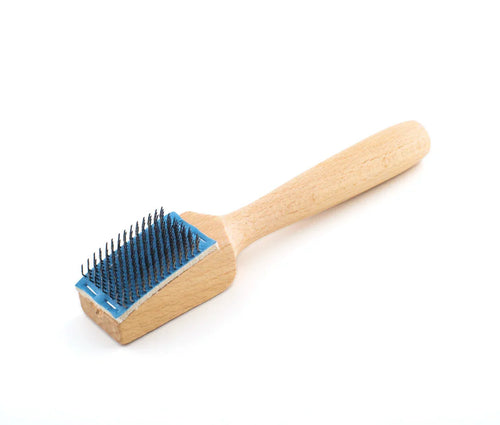
- Maintenance: Regularly use a steel sole brush to roughen the suede again when it has become smooth due to dust and floor wax.
- Thickness: A thinner sole gives you more contact with the floor, which is essential for your sense of balance.
Heel height and stability
In standard dances, the weight distribution is fundamentally different than in, for example, Latin or Salsa. Where in the Rumba you are constantly on the ball of your foot, in the Waltz you often land on the heel. Therefore, ballroom shoes for men have a specific heel that is slightly wider and lower than in a Latin shoe. This provides the necessary stability during backward steps and ensures that you can correctly shift your body weight over the entire foot.
For ladies, I often see beginners wanting to go for the highest heels immediately. In practice, however, I advise starting with a 'flare' heel of about 5 to 6.5 centimeters. A flare heel flares out slightly at the bottom, which gives much more stability than a thin stiletto. In standard dances, you also almost always wear a closed pump. This is not only tradition but also offers extra firmness around the arch, which is crucial during the powerful, traveling movements across the dance floor.
Fit and material
A good dance shoe should feel like a second skin. What I often see is that students buy their shoes too large, 'because then they are comfortable'. This is a pitfall. Leather always stretches. If a shoe already fits comfortably loose at purchase, your foot will start sliding after a few lessons, causing blisters and instability. Pay attention to the following details when fitting:
- Snug: The shoe should fit tightly around the foot without cutting off circulation.
- Material: Satin is popular with ladies for competitions, but leather or nubuck is often more durable and easier to maintain for weekly classes.
- Heel counter: This must be high enough and fit firmly so that your heel does not slip out of the shoe during a fast Quickstep.
In practice, I see that students who invest in a pair of specific ballroom shoes make progress much faster. Your technique simply improves because your equipment no longer works against you, but rather supports you with every step you take.
Difference with Other Dance Shoes
In the dance school, I often see beginners stepping onto the dance floor with regular sneakers or even smart office shoes. Although that might just work for the first trial lesson, in practice you quickly notice that you literally get stuck. The biggest difference between ballroom shoes and regular footwear – or even other dance shoes like those for salsa or jazz – lies in the technical construction of the sole and the heel. In ballroom dancing, and especially in standard dances like the English Waltz or Quickstep, you move across the floor in a very specific way that requires a unique balance.
The sole: Grip and glide
A common mistake is the assumption that you need a lot of grip to keep from slipping. The opposite is true. Regular shoes with rubber soles have too much grip. When you start a turn or make a quick move, your feet stick to the floor while your knees want to turn. This is a recipe for meniscus and ankle injuries. Real ballroom shoes are equipped with a sole of chrome leather (suede). This material offers the perfect balance: you have enough grip to push off in a controlled manner, but you can also glide effortlessly over the parquet floor.
What I often see with students switching from salsa to standard dances is that they want to keep using their old shoes. Although salsa shoes also have suede soles, the flexibility of the shoe is very different. When choosing the right ballroom shoes for ladies, you see that the sole is often stiffer than in a Latin or salsa shoe. This is necessary because in standard dances you work much more from the heel and need a stable platform for your balance during 'swing' movements.
Heel height and placement
Another crucial difference is the construction of the heel. In standard dances (ballroom), we almost always make a 'heel lead' (a step forward on the heel). This is fundamentally different from Latin dances, where you almost always land on the ball of the foot. In practice, this means that the heel of a ballroom shoe must be sturdier and often slightly wider to absorb the impact of that heel step.
- Ladies Ballroom: These shoes are usually closed (pumps). This is not only for etiquette but primarily for safety. Because partners in ballroom stand very close to each other, a closed shoe protects your toes if your partner accidentally steps on your foot. Moreover, the closed shape holds your foot more firmly in place during powerful forward steps.
- Men's Ballroom: For men, the difference is even clearer. While a Latin shoe often has a higher 'Cuban heel' to push the weight forward, high-quality men's ballroom shoes feature a low, wide heel. This supports the backward and forward movements that are so characteristic of the Slowfox or the Tango.
- Stability: The heel counter of a ballroom shoe is reinforced. This ensures that your ankle does not twist when you come up onto the ball of your foot from a deep knee bend (rise and fall).
What I always tell students: a good ballroom shoe might feel a bit stiffer in the beginning than a flexible Latin shoe, but you need that firmness. As soon as you start with larger footwork, you will notice that the shoe helps you maintain your balance instead of working against you. The difference lies in the details of the shoe's anatomy, which perfectly matches the biomechanics of ballroom dancing.
Maintenance of Dance Soles
What I often see with beginners who have just purchased their first pair of shoes is that they treat the sole like that of a normal sneaker. That is a costly mistake. The sole of real ballroom shoes is made of suede (also called chrome leather). This material was not chosen randomly; it offers exactly the right balance between grip and glide that you need for ballroom dancing. In practice, this means you can effortlessly make a spin without straining your knees, but you won't slip during a powerful push-off in the Waltz. If you invest in quality ballroom shoes for ladies, you will notice that the sole becomes smooth and shiny after a few lessons. This is due to a combination of dust, wax from the dance floor, and the flattening of the suede fibers. A common mistake is to think that the shoes are worn out, when they simply need maintenance with a special steel shoe brush.The technique of brushing
Brushing your soles is an essential part of your dance routine. I always advise my students to briefly roughen their soles before every lesson. When the sole "clogs," you lose control over your feet, which can be dangerous during fast movements such as a Chassé or a Pivot. Hold bij het onderhoud rekening met de volgende punten:- Always brush from the heel toward the toe to lift the fibers evenly.
- Do not apply too much pressure; you only want to remove dirt and accumulated wax, not scrape off the leather.
- If the soles are extremely slippery, you can put a small drop of castor oil on the brush, but be careful with this; too much oil makes the sole sticky.
Protection from external factors
In practice, moisture is the greatest enemy of your dance shoes. Suede soles are designed for dry, wooden indoor floors. One of the most important rules in standard dancing is therefore: never wear your shoes outside. Even the short walk from the car to the dance school can irreparably damage the sole. Street dirt and moisture soak into the suede, making it hard and causing it to lose its flexibility. What I often recommend is to only put your shoes on in the locker room of the dance school. If you accidentally walk over a wet floor (for example, at the bar), let the soles air dry. Never use a hairdryer or the heater, as this dries out the leather and causes it to crack. A good habit is to let your shoes air out for a while after dancing before putting them in a closed bag. This prevents sweat from affecting the leather from the inside, which is essential for maintaining the fit and hygiene of your valuable equipment.Tips for the Fit
What I often see with beginners in the dance school is that they buy their first pair of dance shoes based on their normal shoe size for sneakers or smart work shoes. That is a common mistake that can immediately hinder your enjoyment of dancing. A ballroom shoe is not a fashion item, but a technical tool. In practice, a dance shoe must fit much tighter than you are used to. Think of it more like a sturdy glove than a comfortable slipper.
When you stand still, the shoes might feel a bit tight at the toes, but this is necessary. During ballroom dancing, and specifically standard dances like the English Waltz or the Quickstep, you make frequent use of the 'roll' of the foot. If there is even a little bit of space left at the heel or the toe, your foot will slide. This not only causes blisters due to friction but also causes you to lose control over your balance during powerful steps forward.
The 'Second Skin' Test
A good indicator is that there should be no space between the top of your foot and the material of the shoe. For men, this means the foot must be firmly enclosed without the laces cutting off circulation. In practice, I see that men often choose a size too large for extra comfort, but with these men's ballroom shoes, a close fit at the heel is crucial to technically correctly perform the typical 'heel lead'.
- Toe space: Your toes should just touch the front of the shoe but should not be painfully curled.
- Heel grip: Put the shoe on and stand on the ball of your foot. If your heel slips out of the shoe, the size is too large or the heel counter is too wide for your anatomy.
- Material stretch: Keep in mind that leather and suede still stretch. What fits 'just right' in the store is often too loose after three lessons.
Stability and Anatomy
For ladies, the position of the heel plays an even greater role. A common mistake is choosing a heel that is too high for aesthetic reasons. In standard dances, you move backward a lot and your weight must constantly remain centered over the arch of the foot. If the fit of your ladies' ballroom shoes does not perfectly match the arch of your foot, you will notice that your calf muscles fatigue unnecessarily quickly because they are trying to correct the instability.
Pay specific attention to the width at the ball of the foot, at the level of the metatarsals. The shoe must provide firm lateral support here. If your foot can tilt sideways inside the shoe, you risk ankle injuries during fast turns or 'chassés'. In my experience, it is better to invest in a model with an adjustable strap or a specific width size if you find that standard sizes leave too much room at the instep.
Always test your new pair by doing a few 'Rise and Fall' steps. Go high on your toes and slowly lower back through your knees while keeping your back straight. Do you feel the shoe moving with your foot or do you feel friction somewhere? A good fit means that the shoe directly transmits every subtle muscle movement to the dance floor, without delay or play.
Frequently Asked Questions
What should you wear to a beginner ballroom dance class?
For a beginner ballroom dance class, comfortable clothing that offers freedom of movement is essential. Ladies often choose a skirt or flexible pants, while men usually wear neat trousers. Most important are the shoes; although real ballroom shoes are ideal, clean indoor shoes with a smooth sole will suffice in the beginning. These allow you to turn easily without straining your knees during ballroom dancing.
What kind of shoes for the first steps?
For your first steps in ballroom dancing, you don't immediately need professional shoes. Look for shoes with a suede or smooth leather sole. Avoid sneakers with thick rubber soles, as they provide too much grip, making turning difficult and potentially causing injuries. A shoe that fits firmly around the foot, with a stable heel for ladies, immediately helps with the correct posture.
What shoes do ballroom dancers wear?
Ballroom dancers wear specialized ballroom shoes designed for flexibility and optimal contact with the floor. These shoes usually have a suede sole for the perfect balance between grip and glide. Men wear shoes with a low heel, while ladies choose elegant pumps for standard dances or open sandals for Latin. These shoes are lightweight and provide the right support for technical footwork.
What are ballet shoes for beginners called?
Although ballroom dancing differs from ballet, ballet shoes for beginners are often simply called ballet slippers or "soft soles." In the context of ballroom dancing, beginners are often spoken of in terms of "character shoes" or basic shoes. These shoes are versatile, durable, and provide a stable base for those just starting with standard dances. They form an excellent intermediate step before moving on to the more specialized and refined ballroom shoes for advanced dancers.
Why do ballroom shoes have a suede sole?
Ballroom shoes are equipped with a suede sole because this material provides the ideal resistance on a wooden dance floor. It allows dancers to glide in a controlled manner and turn smoothly, while still providing enough grip not to slip. This is crucial for safety and technique in ballroom dancing. Regular maintenance with a special shoe brush keeps the sole rough enough for optimal performance.
What is the difference between Latin and Standard shoes?
The main difference between these ballroom shoes is in the heel and flexibility. Standard shoes for ladies are often closed pumps that provide stability for backward movements. Latin shoes are usually open sandals with a more flexible sole for optimal footwork and stretching the arch. For men, Latin shoes have a higher "Cuban heel," while standard shoes have a lower, wider heel for better balance.
How long do ballroom shoes for beginners last?
The lifespan of ballroom shoes depends on the training frequency and maintenance. With average use, such as one lesson per week, quality shoes last about one to two years. It is essential to wear them only indoors on a clean dance floor. Wear on the suede sole can often be repaired by brushing, but as soon as the lateral support decreases, replacement is necessary for your safety.
The beauty of ballroom dancing is that the right shoes not only improve your technique but also immediately give you that unmistakable confidence on the dance floor. What I especially want to share with you is that stability and the right amount of grip make the difference between uncertain shuffling and floating across the room with conviction. A suede sole is your best friend for those controlled turns and perfect balance during standard dancing.
Whether you are taking your first steps in the Quickstep or the English Waltz, a good pair of ballroom shoes is the most important investment in your new passion. Feel free to take a look at our extensive ladies' ballroom standard collection or discover the perfect fit in the men's ballroom standard collection.


