

Table of Contents
- Why Special Ballroom Shoes?
- Shoes for Standard Dances
- Choosing the Right Fit
- Clothing for Ballroom Dance Lessons
- What to Avoid
- Maintenance of Dance Shoes
- Materials and Quality
- Frequently Asked Questions
Do you ever find yourself halfway through a lesson with burning soles or a painful back while watching the rest of the group? In my years on the dance floor, I have seen countless dancers struggle with their footwork simply because they were wearing the wrong shoes. Buying the right ballroom shoes is crucial for good balance and fluid movements during ballroom dancing. A high-quality dance shoe is characterized by a flexible suede sole for the right grip on the parquet floor and a heel that positions your center of gravity exactly above the ball of your foot.
I still remember my own first pair; at the time, I thought my trusty dress shoes would suffice until I nearly sprained my ankle during a quick turn in the English Waltz. Professional shoes for standard dances are not an unnecessary luxury, but an essential tool for every dancer. They provide the necessary support for your joints and allow your feet to 'breathe' during an intensive quickstep. In this guide, I share my practical experience on what to look for when purchasing, from the ideal heel height to the importance of a snug fit, so that you can glide across the floor with confidence from now on.
Why Special Ballroom Shoes?
What I often see on the dance floor is beginners taking their first lessons in regular sneakers or dressy going-out shoes. While that might seem fine for the first few steps, in practice you quickly notice that your technique and your joints suffer. The biggest difference between a normal shoe and a real dance shoe lies in the sole and the weight distribution. In ballroom dancing, and specifically the standard dances such as the English Waltz or the Quickstep, you shift your weight in a very specific way. Without the right footwear, you literally block your body's natural movement. A common mistake is underestimating the friction. Ordinary shoes often have a rubber sole intended for grip on the street. In a dance hall, you want to be able to turn without your knees taking the hit. Special ballroom shoes are equipped with a suede sole. This material offers the perfect balance: you have enough grip not to slip during a powerful 'drive' forward, but you can also pivot and turn effortlessly without your foot sticking to the floor.The anatomy of the standard dance shoe
In practice, I see that the stability of the shoe is decisive for how confidently a dancer moves across the floor. In standard dances, we make extensive use of the 'heel lead' (the heel touching the floor first). If you look at the construction of high-quality women's ballroom shoes, you see that the heel is placed exactly under the natural center of gravity of the heel. This is crucial for your balance during 'swing and sway' movements. A regular pump often has the heel too far back, causing you to lose your balance more quickly or overload your calves during a backward step. A similar principle applies to men. Good men's ballroom shoes have a slight elevation in the heel that helps bring the weight more toward the ball of the foot, which is essential for correct posture. Furthermore, the heel of a dance shoe is often rounded. This facilitates the smooth transition from heel to toe, something that is simply impossible in a stiff office shoe.Protecting your body and the floor
In addition to the technical benefits for your dance style, there is also a physical aspect. Ballroom dancing is a sport where your feet endure a lot. Professional ballroom shoes are internally reinforced with a steel shank that supports the arch, while the rest of the sole remains flexible enough for good footwork. Here are a few reasons why the investment always pays off:- Injury prevention: The suede sole prevents torsion injuries to the knees and ankles during turning movements.
- Floor preservation: Dance schools rarely allow shoes with black soles or street shoes, as these leave marks or bring in dirt and small stones that irreparably damage the parquet floor.
- Contact with the floor: Thanks to the thin, flexible sole, you feel the floor better, which directly benefits your balance and speed.
Shoes for Standard Dances
In ballroom dancing, we make a clear distinction between the different disciplines, and not without reason. For the Standard dances – think of the English Waltz, the Tango, or the Quickstep – you need shoes that support you in the specific technique of the heel lead. In contrast to Latin, where you dance a lot on the ball of your foot, Standard revolves around long, fluid movements where the heel touches the floor first in forward steps. What I often see in the dance school is beginners trying to dance in shoes with a sole that is too grippy or a heel that is too high and not stable enough. In Standard dances, body contact with your partner is essential, and to maintain that balance, your foundation – your shoes – must be one hundred percent reliable. A good standard shoe helps you make that typical 'swing and sway' without having to worry about slipping or spraining your ankle.Specific features for women
For women, the most striking feature of a standard shoe is that it almost always has a closed toe. This is not just a matter of etiquette or tradition; it has a functional reason. Because in Standard dancing you often stand very close to your partner, a closed toe protects your toes. Furthermore, the closed shape helps to keep your foot more compact during powerful forward steps. A common mistake is choosing a heel that is too thin. In practice, I see that a 'flare' heel (which flares out slightly at the bottom) offers much more stability during turns in the Viennese Waltz than a super-slim stiletto heel. If you look at the right support, I always recommend looking for women's ballroom shoes that have a sturdy shank (the bridge under the arch), so your foot doesn't collapse during the powerful push-off of a Quickstep.What men should look out for
For men, the standard shoe often looks like a regular patent leather shoe at first glance, but appearances are deceiving. A real dance shoe for Standard has a heel of about 2.5 centimeters. This is crucial for correct weight distribution. In the Tango, for example, you want to be able to make a sharp, controlled heel lead. A regular street shoe often has a rubber heel that 'grabs' on the parquet floor, which is disastrous for your knees. I always advise my male students: invest in quality men's standard dance shoes with a suede sole. This sole gives you exactly the right amount of grip: enough not to slip, but smooth enough to turn easily. In practice, I see that men who continue to dance in normal shoes often have trouble with 'heel leads' because their sole is too thick and too stiff.Practical tips for the right fit
When fitting your new shoes for ballroom dancing, there are a few things you can look out for immediately:- Closure: The shoe must fit your foot like a second skin. There should be no space between your heel and the back of the shoe when you take a step forward.
- Flexibility: Although a standard shoe offers more support than a Latin shoe, the sole under the ball of the foot must still be flexible enough to roll your foot properly.
- Material: Satin is the standard for women (often dyeable to match the color of the dress), while men usually choose calf leather or patent leather. Patent leather looks beautiful with a tuxedo, but beware: the inside of the shoes can 'stick' together during dancing. A drop of oil or a special spray on the inside of the shoe then works wonders.
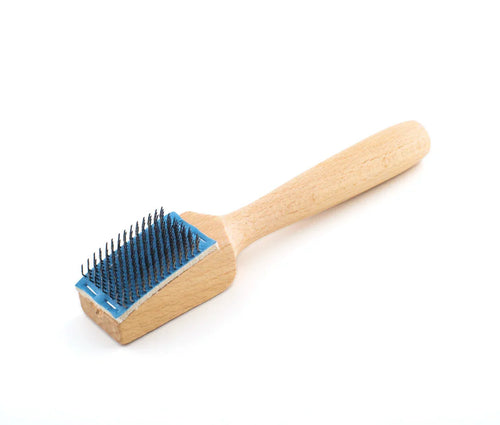
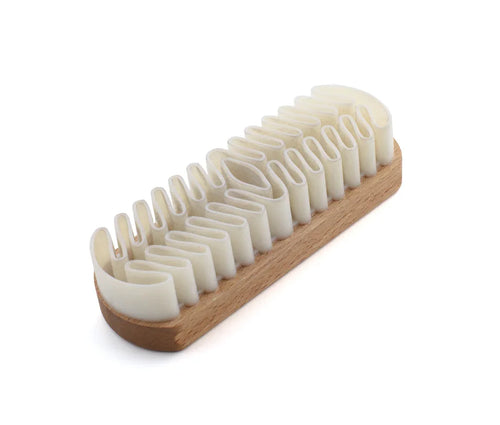
- Maintenance: Always use a shoe brush with steel bristles to roughen the suede sole if it has become smooth due to dust and floor wax on the dance floor.
Choosing the Right Fit
In the dance school, I see it happen every week: dancers stepping onto the floor with their normal shoe size and getting foot pain after just fifteen minutes. Ballroom shoes are not supposed to fit like your daily sneakers or formal work shoes. In practice, they should feel more like a second skin. If there is even a fraction of space between your foot and the shoe, you immediately lose control over your footwork. This is especially noticeable during the long, gliding steps of the English Waltz or the powerful drives in the Quickstep.
Why tighter is often better
A common mistake among beginners is buying shoes that feel "nice and comfortable" during the first fitting. What I often see is dancers forgetting that materials like satin and leather expand during intensive ballroom dancing. Due to the heat of your foot and the constant pressure of your body weight, the shoe always stretches a bit. If you buy them in your normal size, you will literally be sliding in your shoes after a month. For men, a firm enclosure of the instep is essential to remain stable during the powerful turning movements of the Tango. These men's ballroom shoes are specifically designed to provide that necessary lateral support without losing the flexibility of the sole.
The specific requirements of standard dancing
In standard dances, we continuously use the heel-toe transition. If your shoe is too big, your heel will slip out of the shoe as soon as you take a large step forward. For women, with the closed pumps for the ballroom discipline, it is important that the toes just touch the front of the shoe but do not painfully double over. In our collection of women's ballroom shoes, you often see models with an extra strap over the instep or in an X-shape; this is not an aesthetic choice, but a technical necessity to keep the foot firmly in the footbed during the rise and fall movement.
To be sure you make the right choice, I always recommend paying attention to the following points during fitting:
- Preferably fit your shoes at the end of the afternoon, as your feet expand slightly throughout the day (and also during dancing).
- Always wear the socks or thin dance tights you will also use during lessons or competitions; a thick sports sock gives a distorted picture.
- Check if the arch of the shoe (the arch) completely fits the hollow of your foot. If there is a gap, you will quickly suffer from tired feet.
- Take a few steps on your forefoot and simulate a 'heel lead'. The heel should under no circumstances lift out of the shoe.
What I often advise dancers with a narrow foot in practice is to look at specific width sizes. A shoe that is too wide causes friction, which inevitably leads to blisters. A good ballroom shoe should let you 'feel' the floor. The suede sole must react immediately to the smallest weight shift. If you notice your foot 'rolling' inside the shoe while the sole is still on the ground, then the fit is too wide and you lose the connection with the dance floor.
Clothing for Ballroom Dance Lessons
What I often see in the dance studio is beginners underestimating the impact of their clothing choice on their technique. While you really don't need to show up in a full competition costume for your first few lessons, the right outfit makes a world of difference in how you learn to move. In ballroom dancing, and specifically the standard dances such as the English Waltz or the Quickstep, everything revolves around 'swing' and 'flight'. If your clothing limits your range, you will never achieve that desired fluid movement.
A common mistake I see among men is wearing stiff jeans or a jacket that blocks the shoulders. In the ballroom posture (the frame), your arms and shoulders must be able to move freely without your entire shirt riding up. For women, the length of the skirt is a critical point. A skirt that falls to the ground looks beautiful, but in practice, it's a recipe for falls, especially when your partner takes a large step forward between your feet. A skirt that falls just over the knee or wide trousers often work best for training.
Functionality and Technique
In practice, ballroom clothing is about facilitating correct anatomical alignment. While dancing standard dances, we make extensive use of the 'heel lead'. This requires free movement of the ankle and knee. When your clothing is too tight around the joints, you often compensate by tilting your hips incorrectly, which can cause back problems in the long run. Therefore, I always recommend clothing with a high percentage of elastane or stretch.
The connection between your clothing and your footwear is inextricably linked here. For women, it is important that the skirt does not hide the movement of the legs from the instructor, but does offer enough room for the deep knee bends in the tango. These women's ballroom shoes provide the necessary stability under the heel, which is essential when you learn to shift your weight correctly over the ball of the foot during turning.
A similar principle applies to men. Trousers with a slightly higher waist help to make the body line appear longer, which makes a better impression in the judge's room (and during class). Good men's ballroom shoes with a flexible suede sole ensure that you maintain contact with the floor, something that is impossible with normal rubber soles that offer too much grip and can strain your knees during torsion movements.
Practical tips for the dance floor
When you pack your bag for the next lesson, keep in mind the following practical matters I have learned over the years:
- Wear layers: Ballroom dancing is a physical workout. You often start cold, but within ten minutes of intensive Quickstep, the temperature rises significantly.
- Avoid trouser legs that are too wide: For men, legs that are too wide can be dangerous because your own heel can get caught in them during a 'chassé'.
- Check the fabric: Choose breathable materials. Synthetic fabrics that hold sweat become heavy and uncomfortable during a 1.5-hour lesson.
- Shoe maintenance: Always bring a steel brush to roughen the suede soles of your shoes if the floor is slippery.
Ultimately, clothing is a tool to improve your technique. When your clothing fits well, you no longer have to think about it and can concentrate fully on the connection with your partner and the cadence of the music. It's about feeling confident, whether you're taking a basic course or training for your first silver exam.
What to Avoid
In the years I've been on the dance floor, I've seen countless beginners (and advanced dancers) make mistakes when purchasing their footwear. One of the most persistent misunderstandings is that you can get by just fine with your 'dress' shoes or even sneakers for ballroom dancing. In practice, I see that this not only hinders your technique but can also simply be dangerous for your joints. Here are the main pitfalls you should absolutely avoid if you're getting serious about ballroom.
Street Shoes and Rubber Soles
The biggest mistake I often see is wearing shoes with a rubber sole. Rubber is designed for grip on the street, but on a wooden dance floor, that grip is your biggest enemy. When you try to turn or make a pivot, the rubber 'sticks' to the floor while your body keeps turning. This often results in painful knee injuries because the torsion is absorbed by your meniscus instead of by the gliding of your shoe. Specific men's ballroom shoes are therefore always equipped with a suede sole. This sole offers exactly the right balance: enough grip not to slip during a powerful drive in the Tango, but enough smoothness to rotate effortlessly in a Viennese Waltz.
- Avoid soles that are too thick: You must be able to feel the contact with the floor (floor pressure). Thick soles isolate your foot from the floor, making your balance uncertain.
- Avoid black rubber marks: Many dance schools prohibit street shoes because they leave irreparable marks on the expensive parquet.
- Avoid shoes without heel support: Slippers or pumps that slip at the heel force you to 'claw' your toes to keep the shoe on, leading to cramps and poor posture.
The Temptation of 'Cheap' Online Bargains
What I often see with students who order a pair of ultra-cheap dance shoes online from an unknown Chinese platform is that the shoes literally fall apart after three lessons. A good dance shoe has a steel 'shank' (the support in the arch). In cheap imitations, this is often made of weak plastic or is missing entirely. Especially with women's ballroom shoes, this internal support is crucial. Without that firmness, the foot collapses, resulting in fallen arches and sharp pain under the ball of the foot after an hour of dancing.
Wrong Heel Height and Fit
A common mistake among women is choosing a heel that is too high "because it looks better". In standard dances (such as the Quickstep or the Slow Waltz), we move with a heel-first technique. If your heel is too high, it becomes almost impossible to roll your weight correctly over your heel without losing your balance. As a beginner, it's better to start with a 2-inch (5 cm) or 2.5-inch (6.5 cm) heel with a flare shape for extra stability.
Additionally, avoid buying dance shoes with "room to grow" or choosing a "comfortably loose" fit. A dance shoe should fit like a second skin. In practice, I see that students often buy a size too large because they are not used to the tight fit. Remember, however, that suede and satin stretch slightly. A shoe that is already a bit loose in the store will turn into a 'slipper' after three lessons in which your foot will slide. This causes friction, which directly leads to blisters in places where you really don't want them, such as on top of your toes or on the side of your heel.
Maintenance of Dance Shoes
You've finally found the perfect pair for your lessons or competitions. Maybe you chose elegant women's ballroom shoes with a suede sole, or invested in sturdy leather models for men. But what I often see at the dance school is dancers stuffing their shoes directly into a closed bag after class and only bringing them out again the following week. In practice, that is the fastest way to ruin your shoes. Good maintenance not only extends the lifespan but is also essential for your safety on the floor.
The suede sole and grip
The sole of a ballroom shoe is made of chrome leather (suede). This material is crucial because it gives you the perfect balance between gliding and grip. A common mistake is waiting to maintain until the sole is completely smooth and shiny. We call this 'glazing'. This occurs due to an accumulation of floor wax, dust, and natural oils from the leather, causing the sole to lose its texture and become dangerously slippery.
- Always use a specific steel sole brush to raise the hairs of the suede again.
- Always brush from the toe toward the heel. This ensures a consistent structure.
- What I often advise: briefly brush up your soles before every lesson or training session. This way, you always start with optimal grip for your turns and pivots.
- If you accidentally walked outside in your dance shoes (which I strongly advise against), immediately brush away all dirt and small stones to prevent permanent damage to the sole.
Moisture regulation and shape retention
Ballroom dancing is physically demanding, and your feet produce a lot of heat and moisture. This moisture absorbs into the leather or satin of the shoe. When wearing high-quality men's ballroom shoes, a common complaint is that the leather begins to sag or lose its firmness over time. This is almost always due to incorrect drying.
Take your shoes out of your bag immediately at home and let them air out in a dry place. Never put them near a heater! The heat causes the leather to dry out and become brittle, and the glue on the sole can come loose. For men, I recommend using cedar shoe trees. Cedar wood absorbs moisture and neutralizes odors, while the tension ensures that the toe of the shoe does not curl up. For women, it's smart to wipe the inside with a dry cloth if you've trained a lot.
Protecting heels and satin
In standard dances, where the heel lead is essential in the Waltz or Slowfox, the heels take a beating. A crucial tip for the ladies: always use heel protectors. These plastic caps not only protect the dance floor from scratches but also prevent the satin at the bottom of the heel from fraying when you accidentally brush your feet past each other during a quick change step.
If a stain does get on the satin, do not rub hard. In practice, 'dabbing' with a slightly damp cloth and a tiny bit of mild soap works best. Rubbing damages the delicate fibers of the satin, causing the shoe to lose its shine. If you notice that the heel tips of your shoes are worn and you see the metal pin, stop dancing immediately and have them replaced. A worn heel tip offers no stability and can lead to nasty ankle injuries during powerful movements across the floor.
Materials and Quality
When I help students pick out their first pair of shoes, I often notice they fixate on the color or the glitter. But in practice, the material of your shoe determines how you feel the floor and how long you can keep going during an intensive training evening. In ballroom dancing, everything revolves around the balance between grip and friction. A low-quality shoe can even hinder your technique, simply because the sole is too stiff or the heel does not provide the right support.
Upper Material: Satin versus Leather
What I often see with women is a preference for satin. Satin is the standard in the competition world because the material molds very closely to the foot and is less stiff than leather. Furthermore, you can dye satin to match your dress exactly. An important quality feature of these ballroom shoes is the thickness of the lining. Cheaper shoes often feel like cardboard, whereas a quality shoe has a soft, suede-like lining that prevents blisters.
For men, the choice is usually between matte leather and patent leather. In practice, I see that beginners often go straight for patent leather because it looks professional for standard dances. However, a common mistake is forgetting that patent leather 'sticks'. If your feet pass each other in a fast Quickstep, the shoes can get hooked on each other, which can lead to falls. Therefore, for training, I often recommend leather men's ballroom shoes; leather breathes better and is much more durable for daily use.
The Sole and the Shank
The most important part of any dance shoe is the suede sole. Unlike normal shoes with a rubber or leather sole, suede gives you exactly enough grip to push off, but enough smoothness to be able to turn without straining your knees. When assessing quality, I always look for the following points:
- The thickness of the suede: Cheaper brands use a very thin layer that wears through to the insole after just three months of dancing.
- The shank (arch support): This is the steel or plastic reinforcement in the arch of the shoe. In standard dances, this must be sturdy to support your balance during the 'heel lead', whereas in Latin shoes, it should be more flexible.
- The heel cup: This must be firm and not collapse inward when you apply pressure. A weak heel cup causes instability in your ankles, which I often see resulting in a wobbly posture during the Waltz.
Recognizing quality in the details
In practice, you recognize a good shoe by the finish of the seams and the placement of the heel. The heel must be placed exactly under the center of your heel bone. If the heel is too far back, you are pushed out of balance; if it is too far forward, you get lower back pain. Especially with higher heels for women, this is crucial for the anatomy of the foot. A high-quality shoe distributes pressure over the entire foot, rather than just on the ball of the foot. When fitting, also pay attention to the buckles; quick-release buckles made of stainless steel last for years, while cheap iron buckles often bend or rust from sweat after a few months.
Frequently Asked Questions
Which shoes are most suitable for ballroom dancing?
For ballroom dancing, specific ballroom shoes with a suede sole are most suitable. These soles offer the perfect balance between grip and glide on wooden dance floors. Men usually wear lace-up shoes with a low heel, while women choose closed pumps with a sturdy heel of 5 to 7 centimeters. High-quality materials such as leather or satin provide the necessary flexibility and support during dancing.
Which shoes for ballroom dancing?
In ballroom dancing, the choice of shoe depends on the discipline: Standard or Latin. For Standard dances, women use closed pumps for stability, while Latin dances require open sandals for more foot freedom. Men wear a heel of approximately 2.5 cm for Standard and a higher heel of 4 cm for Latin. Essential is the suede sole that allows for smooth turns and controlled gliding on the dance floor.
What should you wear for ballroom dance lessons?
For ballroom dance lessons, comfortable clothing in which you can move freely is essential. Women often wear a skirt that falls below the knee or tight-fitting trousers, combined with a neat top. Men usually choose dress trousers and a shirt or polo. The most important part is the right dance shoes with suede soles to prevent injuries and to learn the technique of ballroom dancing properly.
What should you avoid when wearing clothing for ballroom dancing?
Avoid loose clothing that your partner can get tangled in, such as wide sleeves or extremely long skirts. Absolutely do not wear shoes with rubber soles, as they provide too much grip and can cause knee injuries during fast turning movements. Also, jeans that are too tight restrict freedom of movement. Finally, avoid large jewelry that can get caught on your dance partner's clothing during intensive ballroom or Latin movements on the floor.
How tight should ballroom shoes fit when purchased?
Ballroom shoes should fit very snugly when purchased, almost like a second skin. Because leather and satin stretch during dancing, a tight fit is necessary to prevent your foot from sliding. There should be no space between your toes and the front of the shoe. A good fit provides the necessary stability and prevents blisters during intensive ballroom sessions, training, and official competitions.
How do I maintain the suede soles of my dance shoes?
Maintaining the suede soles is crucial for the lifespan of your ballroom shoes. Use a special steel shoe brush to remove dirt and accumulated grease from the dance floor. Always brush the sole from heel to toe to gently roughen the fibers. This restores grip and prevents the soles from becoming smooth and hard, which is essential for safe dancing.
What is the difference between ballroom and Latin shoes?
The main difference is in the construction and the heel height. Ballroom shoes for women are closed pumps for extra support during backward movements. Latin shoes are often open sandals with a more flexible sole for stretching the foot. For men, ballroom shoes have a low heel, while Latin shoes have a higher heel to shift the weight more to the ball of the foot for faster actions.
How long do ballroom shoes last on average?
The lifespan of ballroom shoes depends on training frequency and maintenance. With average use of once or twice a week, they last about six to twelve months. When the suede sole becomes too thin or the top loses its firmness, it's time for replacement. By wearing your shoes only indoors on a dance floor and brushing them regularly, you significantly extend their lifespan.
The beauty of ballroom dancing is that the right shoes are not just an accessory, but your direct extension on the dance floor. What I especially want to share with you is that the right balance between a suede sole for perfect grip and a stable heel height makes the difference between uncertain shuffling and gliding across the parquet with confidence. A good fit is essential; it prevents injuries and ensures you take your technique in standard dances to a higher level without distraction from painful feet.
Whether you're taking your first steps or have been dancing the stars from the sky for years, investing in quality always pays off in pure dancing pleasure. Therefore, take the time to find the right match and view our women's ballroom standard collection or discover the ideal fit in the men's ballroom standard collection for optimal comfort. Above all, remember that every fluid movement begins with the foundation under your feet. As soon as you put on those perfect ballroom shoes, you feel the connection with the music change immediately. Give yourself the freedom to shine with every step you take.


