

Table of Contents
- The Best Breakdance Shoes
- Grip and Flexibility Balance
- Choosing Street Dance Shoes
- Hip Hop Clothing Styles
- Dance Sneakers vs Professional Shoes
- Maintenance for Maximum Grip
- Frequently Asked Questions
You're ready for a powerful windmill, but at the crucial moment your foot slips or your sole sticks too much to the floor. The right breakdance shoes are the foundation of your technique; they must provide enough grip for fast footwork, but be smooth enough on the ball of the foot to be able to move smoothly.
The Best Breakdance Shoes
In the years that I've been active in the scene, I've seen countless dancers sprain their ankles or wear out their soles within a week because they made the wrong choice. In breakdance, your shoe is your most important tool, even more important than the rest of your hip hop clothing. You are looking for a specific balance: the sole must be smooth enough for fast spins on the ball of your foot, but must also provide enough grip not to slip during a powerful toprock or an explosive power move.
Functionality over Aesthetics
What I often see is that beginners choose shoes that only look good but fall short technically. A classic sneaker like the Puma Suede or the Adidas Superstar has become an icon for a reason; the flat rubber sole and the reinforced toe are perfect for freezes where you balance on your toes. In practice, you notice that a sole that is too thick, like the ones you see on many modern running shoes, completely takes away your stability. You then stand too high off the ground, which enormously increases the risk of rolling your ankle during sideways movements.
For the younger generation just starting with the basics of footwork and six-steps, the right support is crucial to learn the technique properly. These dance sneakers for children are specifically designed to protect the growing foot during the impact of jumps and landings, without the shoe becoming too heavy or hindering freedom of movement.
Specifications for Advanced Dancers
If you are serious about power moves like windmills or flares, the weight of your shoe becomes a determining factor. Every extra gram on your feet acts as a counterweight that slows down your rotation speed. A common mistake is wearing heavy, high-top basketball shoes for ankle support. Although this feels safe, they limit the mobility in your ankle joint that you actually need for complex transitions on the ground.
- The Outsole: Look for natural rubber (often recognizable by the brown 'gumsole'). This material wears less quickly on concrete or wooden floors and offers the best 'feel' for the surface.
- The Toe Box: Choose a shoe with a suede or extra rubber layer on the toe. In many freezes, your entire body weight rests on the tip of your shoe; canvas or thin leather will tear through there within a few intensive sessions.
- Flexibility: The shoe must be able to bend effortlessly at the ball of the foot for footwork, but must remain stiff enough in the arch to prevent fatigue in the foot muscles.
For female dancers looking for a shoe that meets the technical and aesthetic requirements of street dance shoes, the fit is often the biggest bottleneck. A shoe that is too wide causes sliding inside the sneaker, which causes blisters and instability. These women's dance sneakers often offer a narrower heel and an anatomically shaped footbed, which is essential for the precision needed in fast footwork combinations.
A final practical tip from experience: pay attention to your laces. Loose laces are dangerous during headspins or airtracks. I always advise my students to double-knot their laces and tuck the loops into the side of the shoe. It sounds simple, but it prevents you from tripping over your own shoe at the moment you need the most control. Ultimately, your sneakers should feel like an extension of your body, so you can fully trust your grip and movement.
Grip and Flexibility Balance
Finding the right balance between grip and flexibility is where most b-boys and b-girls go wrong when choosing their equipment. In practice, I often see dancers choosing shoes with an enormous amount of tread, thinking they need that extra grip for their power moves. The problem, however, is that in technical footwork, such as a fast six-step or complex CCs, that same grip can completely block your movement. If your foot 'catches' on the floor while your torso is still in a rotating motion, your ankles and knees take the full blow. That is a recipe for nasty injuries that can keep you on the sidelines for months. A common mistake is underestimating the interaction between the sole and the specific surface. On a slippery gym floor, you need different properties than when training outside on a tarp or on concrete. For indoor use, I personally prefer a sole made of natural rubber or a specific rubber compound that does not leave marks. This material offers enough resistance not to slip during a freeze or a powerful push-off for an airflare, but still lets you spin smoothly on the ball of your foot without your joints protesting. This balance is often seen in high-quality women's dance sneakers specifically designed to provide both lateral support and turning ability.The anatomy of freedom of movement
In addition to the sole, the flexibility of the upper and the midsole is essential for a breaker. Your foot must be able to roll and bend unhindered. If a shoe is too stiff, you lose direct contact with the floor, which worsens your proprioception — your ability to feel where your body is in space. What I often advise is to look at the construction of the toe and the instep. In many footwork patterns, you drag the side or the toe of your shoe across the floor; a shoe that is too stiff hinders your flow here. For the younger generation, this aspect is even more critical. Because their bones and joints are still growing, a shoe that is too heavy or too stiff can disrupt the natural foot roll. Good dance sneakers for children must therefore be lightweight and have a sole that bends with every jump and step, without sacrificing the necessary stability around the heel. When selecting new street dance shoes, I recommend paying attention to the following points:- Choose a model with a relatively flat sole; a heel that is too thick increases the risk of rolling the ankle during landings.
- Check if the toe of the shoe has some reinforcement, as you support on the top of your toes in many transitions.
- Look for a balance in weight; heavy sneakers tire your legs faster during intensive rounds in the cypher.
Testing grip in practice
A simple method I always use to determine if a shoe is suitable: put the shoes on and try to make a quick spin on the ball of your foot on the floor where you train most. Do you feel too much friction or a 'jerky' movement in your kneecap? Then the grip is too aggressive for your style. Does your standing leg slip away as soon as you apply force for a toprock? Then you need more traction. Finally, don't forget that your shoes are an integral part of your look. Although the technical side of dance sneakers comes first, you want them to match the rest of your hip hop clothing. The right shoe completes your silhouette and emphasizes the lines you make with your legs. Finding that 'sweet spot' between grip, flexibility, and style is what distinguishes an average breaker from someone who has full control over the floor.Choosing Street Dance Shoes
In practice, I often see dancers making the mistake of stepping into the studio with their daily running shoes. Although those sneakers are very comfortable during a walk, they are often a recipe for knee injuries for street dance. The grip of a running shoe is simply too strong and designed for forward movement. In street dance, however, everything revolves around the balance between control and the ability to slide. If you start a spin or make a quick pivot on the ball of your foot, you don't want a stiff rubber sole to stop your movement abruptly while your knee still wants to keep turning due to inertia.Functionality over appearance
Although the right women's dance sneakers should of course look sharp as part of your total hip hop clothing, a good dance shoe is primarily about the technical properties of the sole and the cushioning. What I often advise my students is to specifically look for the presence of a 'pivot point'. This is a smoother, round surface under the ball of the foot that facilitates rotation without losing grip on the rest of the floor. In my lessons, I notice that dancers who choose specific dance sneakers for children pick up the right technique for slides and turns much faster, simply because the shoe does not work against them when stretching the instep or making quick changes in direction.What to look for in street dance shoes
When selecting new street dance shoes, there are a few hard requirements I always look for to optimize movement and prevent injuries:- Shock absorption in the heel: Street dance contains many explosive 'landings' and jumps. Without a good cushioning layer (often made of EVA material or air cushions), your ankles and lower back take a heavy beating during an intensive choreography.
- Flexibility of the sole: A sole that is too stiff hinders your footwork. You must be able to roll your foot completely. A 'split sole' (where the sole is interrupted under the arch of the foot) offers the most freedom, but for street dance, many dancers choose a continuous sole that is slightly thinner and more flexible for more stability.
- Lateral support: A common mistake is wearing canvas shoes without lateral reinforcement. In street dance, you make many sideways movements; your shoe must prevent your foot from sliding inside the shoe, which prevents blisters and sprains.
Hip Hop Clothing Styles
In the breakdance scene, clothing is never just decoration; it is an essential part of your toolbox. What I often see in the studio is that beginning dancers struggle with their technique simply because their outfit works against them. The right hip hop clothing must find the perfect balance between aesthetics and functionality. In practice, this means choosing clothing that does not restrict your freedom of movement but also offers the necessary protection during floorwork. A common mistake is wearing jeans that are too tight or stiff materials. In breakdance, everything revolves around the extremes of your range: from deep squats in your toprock to explosive splits during power moves. Fabrics such as nylon and polyester are popular because they 'slide' across the floor, which is essential for backspins and windmills. Cotton, on the other hand, offers more grip, which can be useful for freezes where you need stability on your elbow or shoulder.Functionality over fashion
If we look at the bottom of the outfit, the shoes are the foundation of every move. For the younger generation of dancers, the right support from day one is crucial to prevent injuries to the ankles and knees. What I often advise parents is not to just go for the first sports shoe they see, but to invest in specific dance sneakers for children. These shoes are often lighter and have a sole that offers just enough grip without you getting stuck to the floor during a spin. In practice, I see that experienced dancers often play with layers. A baggy hoodie looks great during a standing choreography but can obstruct your view or get in the way as soon as you go upside down. That's why many b-boys and b-girls wear a tighter shirt under their baggy clothes. This ensures that your clothes don't fall over your head during a headstand or handglide.The right match for women
For women in the scene, the search for the right outfit is often a challenge of weight and flexibility. You want to keep that authentic street style look, but you don't want your shoes to feel like blocks of concrete on your feet. Heavy sneakers make fast footwork unnecessarily tiring and can slow down your reaction time. I notice that many female dancers therefore prefer technical women's dance sneakers specifically designed with a pivot point under the ball of the foot. This anatomical detail is invaluable when performing fast transitions and spins, as it significantly reduces friction on the knee joints. When putting together your style, pay attention to the following practical matters:- Choose pants with elastic cuffs at the ankles so you don't step on your own pant legs during complex footwork patterns.
- Wear materials that wick away sweat; a soaked cotton shirt becomes heavy and hinders your movement.
- Ensure your street dance shoes have a sole that leaves no marks on the dance floor but offers enough cushioning for landings after a jump or flip.
- Use knee pads under your baggy pants to save your joints during drops and transitions to the floor.
Dance Sneakers vs Professional Shoes
In practice, I often see beginners step onto the dance floor with their daily sneakers they also wear on the street. Although they seem sturdy, you notice the difference immediately as soon as you start with serious footwork or complex power moves. A regular sneaker is designed for walking straight ahead and offering maximum grip on asphalt. In breakdance, that extreme grip is often your enemy. Too much resistance means your knees and ankles have to absorb all the torsion during a spin or a fast transition, which in practice is a common mistake that leads to unnecessary injuries.
The anatomy of the sole
What I often see in professional dance shoes is the specific construction of the sole. Where a standard sports shoe has one solid block of rubber, specialized women's dance sneakers are often equipped with a so-called split-sole or a strategically placed pivot point. This round surface under the ball of the foot is essential for moves like the 'three-step' or fast pirouettes. Without this point, your shoe 'catches' on the floor, causing your movement to stall and making you lose your rhythm.
When choosing footwear for the younger generation, this is even more important. Because their joints and growth plates are still fully developing, the right balance between cushioning and flexibility is crucial. I always advise parents to look for specific dance sneakers for children instead of standard sneakers from the sports store. These shoes are lighter in weight, so the legs get tired less quickly while practicing kicks and freezes, and they allow the foot to roll naturally.
Weight and use of materials
Another crucial difference lies in the weight and ventilation. In the breakdance community, you often see dancers matching their shoes to their entire outfit, but functionality must never give way to style. Good street dance shoes combine an urban look with technical materials that wick away sweat. A heavy shoe acts as an anchor during airflares or windmills; every extra gram on your feet makes it harder to keep your legs high and maintain your momentum.
In practice, when comparing 'ordinary' shoes and professional dance sneakers, I look at the following points:
- Flexibility of the instep: Can you fully point and flex your foot without the material working against you?
- Cushioning in the heel: Is there enough shock absorption for landings after a jump or a dynamic freeze?
- Non-marking soles: Does the shoe leave marks on the dance floor? Professional models never do.
- Closure: Do the laces stay in place, or are they dangerously long, causing you to trip over them during your set?
A common mistake is thinking that a thick sole offers more protection. On the contrary: in breakdance, you want to have 'board feel' or floor feel. You need to be able to feel where your weight rests. Professional shoes therefore often have a thinner but very dense midsole that does absorb the blows but doesn't let you lose contact with the ground. Whether you train in a studio or at an event, the difference between a shoe that works for you or against you ultimately determines how fluid your transitions are.
Maintenance for Maximum Grip
You can buy the most advanced shoes, but without proper maintenance, you will lose control over your feet in no time. What I often see in practice is that dancers wear their shoes directly from the street onto the dance floor. This is a common mistake that not only damages the studio floor but also ruins the rubber composition of your sole. Street dirt, oil, and small stones act like sandpaper on the grip of your sole. If you are serious about your footwork, your shoes are your most important tool and you treat them with respect.
In the breaking scene, everything revolves around the balance between sliding and sticking. For a smooth toprock, you need a sole that responds to the smallest weight shift. When you notice that you start to slip during a freeze or that you can no longer find push-off for a power move, it's often already too late. The rubber is then saturated with dust. A simple but effective tip I always give: clean your soles after every intensive session with a slightly damp cloth. Do not use aggressive cleaning agents, as they dry out the rubber, causing it to crack and lose its natural grip.
Keep the rubber grippy and responsive
The quality of the sole determines how direct your contact is with the floor. Especially with specific women's dance sneakers, you often see that the sole is designed for a mix of turning ability and grip. To maintain these properties, you must prevent grease buildup. In practice, many experienced breakers use a little bit of water or even a damp towel at the edge of the dance floor to 'refresh' their soles for a battle. This provides that short, sharp grip you need for explosive movements.
- Clean the sides of the sole to maintain lateral grip for power moves.
- Check weekly for wear spots at the ball of the foot; this is where most friction occurs.
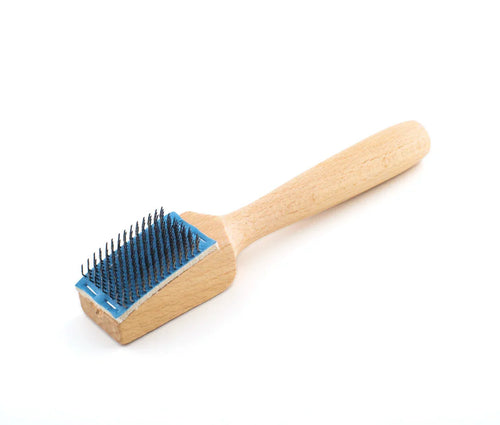
- Use a toothbrush to remove stubborn dirt from the tread grooves of your street dance shoes.
Indoor versus outdoor use
A crucial aspect of maintenance is discipline. What I often advise parents is to maintain strict rules for dance sneakers for children. Children tend to wear their dance shoes outside on the school playground as well. Outdoor concrete eats the sole within a few weeks. By reserving a pair of sneakers purely for indoor lessons, you significantly extend their lifespan and the grip remains optimal for technical exercises.
Additionally, the rest of your outfit plays a role in how your shoes perform. Although we focus on the feet, baggy hip hop clothing can sometimes fall over the heel of your shoe, which can create dangerous situations during spins. Always ensure that your pant legs do not hinder your freedom of movement and that they do not block the grip of your shoe. Well-maintained dance sneakers in combination with the right clothing ensure that you are not preoccupied with your equipment, but can fully focus on your flow and originality on the floor. If your soles start to shine and feel slippery even after a cleaning, then the rubber is 'burned' by friction and it is time to invest in a new pair to prevent injuries.
Frequently Asked Questions
What shoes do breakdancers wear?
Breakdancers often wear classic sneakers like the Adidas Superstar or Puma Suede. These street dance shoes offer the perfect balance between grip for footwork and smoothness for spins. The sturdy sole protects the feet during heavy landings, while the stylish design fits perfectly with modern hip hop clothing. Always choose a model with a flexible sole and sufficient ankle support for maximum stability.
What shoes are good for dancing?
Good dance sneakers must be flexible and offer enough cushioning to absorb shocks. For styles like hip hop, shoes with a flat, rubber sole are ideal for stability. In more modern styles, lighter sneakers with a split-sole are popular because they better accentuate the arch of the foot. The most important thing is that the shoe fits comfortably and is not too grippy to prevent knee injuries.
What kind of dance shoes do the Rockettes wear?
While breakdancers wear sneakers, the Rockettes use specially made character shoes with a heel of about five to seven centimeters. These shoes are designed for precision and stability during their famous kicklines. Unlike street dance shoes, these have a leather sole and a microphone in the heel to amplify tap sounds. They combine elegance with the durability needed for their intensive shows.
How do you get more grip on your shoes?
To get more grip on your dance sneakers, you can regularly clean the soles with a damp cloth to remove dust. Some dancers use special grip sprays or a small amount of hairspray for temporary tackiness on slippery floors. For breakdance, however, it is essential that the grip is not too strong, so you can still make fluid turning movements and slides on different surfaces.
Why are lightweight shoes important for breakdance?
Lightweight shoes are crucial for breakdance because they increase your speed and maneuverability during power moves and technical footwork. Heavy shoes can tire your legs faster and hinder the precision of your movements. Modern dance sneakers use lightweight materials and breathable fabrics, which is essential when combining complex moves with the right hip hop clothing for an optimal and safe performance.
How do you choose the right size for street dance shoes?
When choosing street dance shoes, a snug fit is essential to prevent sliding inside the shoe. However, there must be enough space at the toes to move freely during jumps. Never buy dance sneakers too large, as this can significantly reduce stability during complex moves. Preferably try the shoes on at the end of the day when your feet are slightly larger.
Should I wear special socks in my dance sneakers?
Wearing moisture-wicking sports socks is highly recommended when using intensive dance sneakers. Good socks prevent blisters by reducing friction and keep your feet dry during an intensive breakdance session. Choose socks with extra cushioning at the heel and toes for extra comfort. This complements the protective properties of your shoes and ensures a much better, pain-free overall dance experience.
The beauty of breakdance is that your body is your instrument, but without the right grip on the floor, you'll get nowhere. What I especially want to share with you is that the right dance sneakers make the difference between a slipped toprock and a controlled landing. Good street dance shoes offer that essential balance between sturdiness for


