

Table of Contents
- Importance of Good Shoes
- Grip versus Spin Ability
- Durability and Choice of Materials
- Popular Breaking Sneaker Models
- Choosing the Right Fit
- Maintenance of Your Sneakers
- Frequently Asked Questions
You're ready for that first powerful power move, but you slip away because your sole offers absolutely no grip on the studio floor. The right breakdance shoes are the foundation of your entire set: they must provide grip for your push-off, but be smooth enough for fluid spins and transitions. In my classes, I often see beginners choosing sneakers that look cool but literally fall apart at the toe or sides after three sessions due to constant friction with the concrete or vinyl.
Good breaking sneakers need a specific balance between a lightweight design and a hard-wearing rubber sole that doesn't leave marks. Over the years, I've tested countless b-boy shoes, from the classic Puma Suedes to modern running shoes, and I've learned that the cushioning in the heel is crucial to save your joints during hard landings. A common mistake I see is wearing shoes with a tread that is too coarse, causing your foot to get stuck during a fast footwork combination. In this guide, I'll explain exactly what to look for when purchasing your gear, so you not only look stylish but also prevent injuries and take your technique to the next level.
Importance of Good Shoes
In practice, I often see b-boys and b-girls step onto the dance floor with sneakers that may look "dope" but actually work hard against their technique. A common mistake is thinking that any random sneaker will do as long as it's comfortable. However, your shoes are your only direct point of contact with the floor; they are your most important tool. Whether you're doing a tight toprock or starting an explosive power move, your shoe determines whether you stay in control or go down mercilessly. What I often see with beginners is that they dance in shoes with a sole that is either way too grippy or offers absolutely no grip at all. In practice, this leads to dangerous situations. Too much grip causes your ankles to take a huge hit during fast transitions in your footwork because your foot "sticks" while your body already wants to turn. On the other hand, soles that are too smooth cause you to lose your balance during a simple CC or a Six-step. The right breakdance shoes offer exactly that balance between "stick" and "slide" needed for dynamic movement.Grip, Control, and Floor Feel
An essential part of breaking is the feeling of the surface, also known as "floor feel." If your sole is too thick, like with many modern chunky sneakers, you no longer feel what you're doing. This is comparable to trying to write while wearing thick mittens. You lose precision in your foot placement.- Grip for Toprock: You need enough traction to push off powerfully without slipping, especially on slippery competition floors or linoleum.
- Sliding ability for Downrock: During spins and slides, you want the sides of your sole to offer minimal resistance so that your movements transition smoothly.
- Stability for Freezes: When "stacking" a freeze, such as a baby freeze or a chair, the side of your shoe must provide support without collapsing.
Protecting Your Anatomy
Breaking is physically demanding on your joints. A common mistake I see in dancers who dance in minimalist sneakers or thin canvas shoes is that over time they start to suffer from their heels and knees. Every time you land from a jump or shift your weight during a fast move, your shoe absorbs the shock. Without proper shock absorption, that energy goes directly to your bones and tendons. In practice, I see that the lifespan of a b-boy is often determined by how he treats his body. Good breaking sneakers have a midsole that dampens impact but isn't so soft that you lose stability. Especially the heel (the calcaneus bone) needs extra protection during landings. Additionally, the durability of the toe, the "toe box," is crucial. During many moves, you drag the top of your foot across the ground. A shoe without a reinforced toe will split open within two weeks, which is not only a waste of money but also makes your grip on the floor unpredictable. Therefore, always choose materials such as suede or leather that are resistant to the constant friction of the dance floor.Grip versus Spin Ability
The biggest challenge when choosing the right sole is the eternal struggle between grip and spin. What I often see in b-boys and b-girls who are just starting out is that they choose shoes with extreme tread, like running shoes. In practice, this is counterproductive. If you're stuck to the floor during a power move transition or a simple CC, you not only risk stopping your flow but also put enormous stress on your knees and ankles. You need a sole that "communicates" with the floor: enough grip to push off for a backflip or toprock, but smooth enough to pivot without your joints protesting. A common mistake is underestimating the surface you train on. On a slippery gym floor, you need very different breakdance shoes than when you're on concrete or a wooden dance floor. In my experience, a rubber sole with a fine, shallow tread is the best all-rounder. It gives you that necessary traction when placing your hands and feet, while the wear of the rubber after a few sessions creates exactly that "sweet spot" where you can effortlessly spin on the ball of your foot.The anatomy of the sole and pivot points
If you look at the bottom of professional breaking sneakers, you often see a circular pattern under the ball of the foot. This is not a design choice, but a functional pivot point. In practice, this pivot point helps you make quick changes of direction in your footwork without the sole folding or blocking your foot. When I test new shoes, I always pay attention to the stiffness of the sole at the arch of the foot in combination with the flexibility at the toes.- Grip for Toprock: You need lateral stability. A sole that is too smooth at the edges will cause you to slip during explosive cross-steps.
- Spin for Footwork: The side of the sole should have a slight rounding. This prevents the shoe from "catching" on the floor when you place your foot at an angle during a pretzel or a leg sweep.
- Rubber durability: Soft rubber wears out faster but offers incredible grip; harder rubber lasts longer but can feel like you're dancing on ice on slippery floors.
Finding balance in practice
What I often advise my students is to look at classics like the Puma Suede or the Adidas Gazelle. These men's sneakers have been the standard in the scene for decades for a reason. The sole is relatively flat, which ensures maximum contact surface with the floor. This gives you a direct "floor feel" (ground feel), which is essential for your balance during freezes. A sole that's too thick with a lot of cushioning might feel comfortable, but it acts like a sponge that absorbs feedback from the floor, giving you less control over your spins. A practical tip: if you notice your shoes have too much grip on a specific floor, use the old trick of walking over a dusty corner of the room. The fine dust reduces the stickiness just enough to improve your spins. Conversely, if you notice you're losing grip due to wear, you can clean the sole with a damp cloth to make the rubber "tacky" again. Ultimately, it's about finding that balance where the shoe becomes an extension of your body, rather than an obstacle that limits your movements.Durability and Choice of Materials
In practice, I often see b-boys who go through their new kicks within a month. That's not only a waste of money, but it also ruins your flow if you suddenly lose grip during a footwork set. The choice of material directly determines how long you enjoy your shoes and, more importantly, how they react on the dance floor. With breaking sneakers, it's all about the balance between flexibility and resistance to friction.Suede versus Leather: The eternal struggle
What I often see is that dancers swear by suede, and for good reason. Suede has that unique property of "moving" with the shape of your foot as you break the shoe in. For footwork, this is essential. A common mistake, however, is choosing suede that is too thin. If you train a lot of power moves, like windmills or flares, the side of your shoe constantly rubs against the floor. Thin suede then simply tears open at the seams. In practice, leather shoes often perform better in terms of pure durability, especially around the toe. Leather is less porous and wears through less quickly during intensive ground work. The downside? It's stiffer at first. If you choose sturdy men's breakdance shoes made of full-grain leather, keep in mind that you really need to "break" them for a week or two before they are comfortable enough for complex freezes.Critical wear points in breaking
When inspecting a shoe for durability, don't just look at the outside, but at the construction of the sole and the toe. In breaking, shoes usually fall apart in three places:- The Toe-Box: Due to toprock transitions and toe freezes, the toe takes a heavy beating. Look for shoes with a double-stitched toe or a rubber "toe-cap."
- The Side Panels: When sliding across the floor during power moves, this is the first point that wears through. A thicker "cupsole" (where the sole forms a rim around the leather) offers extra protection here.
- The Heel Lining: Due to the explosive movements, your heel often slips a little. If the inside is made of cheap textile, you'll have holes at your heel in no time, which in turn causes blisters.
Sole construction and grip retention
The durability of the sole is another story. I often see dancers choosing shoes with a very soft rubber sole because the grip is fantastic at first. However, the softer the rubber, the faster the tread disappears. Once your sole becomes "smooth," you lose control during fast changes of direction in your toprock. When purchasing, pay attention to the density of the rubber. A good b-boy shoe has a sole that is stiff enough to provide support during landings, but flexible enough at the ball of the foot. A sole that is stitched all around to the upper (instead of just glued) is an absolute must-have in practice for anyone training seriously. It prevents the sole from coming loose at the pivot points of your toes, a problem often seen in cheaper sneakers not designed for the extreme stress of breakdance.Popular Breaking Sneaker Models
In practice, I see that the choice of a shoe is often a direct reflection of someone's dance style. There isn't one "best" shoe, but there are models that have stood the test of time in the cypher. What I often see with dancers who focus on power moves is a totally different need than those who excel in intricate footwork. A common mistake is choosing a shoe purely on looks, without paying attention to the stiffness of the sole or the weight.The Undisputed Classics: Puma and Adidas
The Puma Suede is probably the most iconic shoe in the scene. The reason I often recommend this to students is the combination of a thick, flat rubber sole and a sturdy suede upper. In practice, this offers the perfect balance: the sole provides enough grip for powerful push-offs during a windmill, while the suede side panel is smooth enough to slide across the floor during transitions. Note: the Suede can feel a bit stiff around the ankle at first. You really have to "dance them in" before they reach their full potential. Additionally, you have the Adidas Gazelle and the Superstar. The Superstar, recognizable by its rubber "shell toe," is a personal favorite for footwork specialists. That rubber toe isn't just for show; it protects your toes during fast transitions and swipes. If you balance on your toes a lot or make slides where the toe touches the ground, these breaking sneakers are a smart investment because they wear out much less quickly than models with a fabric toe.Lightweight Options for Speed
If your style is more focused on fast toprock and complex footwork patterns like the "six-step" or "CCs," then you want a lighter shoe. What I often see is that heavy sneakers tire you out during a long session. The Nike Cortez is an interesting example here. It is an extremely light shoe with a narrow profile, making your feet feel less clunky. The downside? The cushioning is minimal. In practice, this means you feel more impact on your joints during hard landings after a jump or a freeze. Another model I often encounter in practice is the Reebok Classic. This shoe offers a fantastic middle ground. The sole has a good "bounce," which helps absorb hits to the heel. Make sure you choose the leather version; the fabric versions often tear open at the seams after just a few weeks of intensive ground work. After all, good b-boy shoes must be resistant to the constant friction with the dance floor.- Puma Suede: Best all-rounder for grip and durability during slides.
- Adidas Superstar: Superior toe protection due to the shell-toe construction.
- Nike Cortez: Ideal for speed and a "light on your feet" feel, but less cushioning.
- Reebok Classic: Good shock absorption, perfect for dancers who jump a lot or make hard landings.
Choosing the Right Fit
In practice, I often see dancers choosing a size larger "for comfort," but in breaking, that's asking for injuries. When you start a power move like a windmill or flare, an enormous centrifugal force is placed on your feet. If your breakdance sneakers slide even half a centimeter, you immediately lose control of your rotation and risk nasty blisters or even a sprained ankle. A shoe that is too loose acts as a kind of lever against your own movement. What I often see with beginners is that they wear their laces very loose, inspired by street style. But as soon as you start with serious footwork, you notice your foot starts to "swim" in the shoe. You want the shoe to feel like an extension of your body, not like a loose weight on your leg. This means the fit must be snug at the instep and heel, while you still have just enough room at the toes to curl them for grip during freezes.The Crucial Role of the Heel Counter
A common mistake is ignoring the firmness of the heel counter. While dancing, and especially during transitions where you land on the back of your foot, your heel must be completely locked in. When I help a student pick out new breaking sneakers, I always have them walk on their heels first and then do a quick "CC" or "shuffles." If the heel comes up even a fraction from the shoe, the size is too big or the model is simply not suitable for their anatomy. In breaking culture, iconic models like the Puma Suede or the Adidas Gazelle have become classics for a reason; their narrow profile and firm heel support ensure that the shoe doesn't fly off during a powerful spin. When fitting, make sure the Achilles tendon isn't pinched, but that the edge of the shoe is high enough to provide stability to the ankle joint.Toe Room and Protection
In practice, you see that the toe of the shoe takes the hardest beating. Think of "toe-drags" during intricate footwork patterns or absorbing your weight in a "hollowback" where your toes touch the ground. If your toes are tight against the front, you're guaranteed to go home with blue nails after a two-hour session.- The rule of thumb: There should be about half a centimeter of space between your longest toe and the toe of the shoe. This gives your foot room to expand when it gets warm and to absorb the impact of jumps.
- Toe width: Choose a model with a slightly reinforced toe cap. This not only protects your toes but also ensures that the shoe retains its shape after months of intensive use on concrete or wooden floors.
- Lacing technique: Use all the eyelets. I often see dancers skip the top hole, but it's precisely that last eyelet that provides the "lockdown" needed to keep your foot in place during vertical moves or fast top-rock combinations.
Maintenance of Your Sneakers
In practice, I often see dancers spend hundreds of euros on the latest breakdance shoes, only to write them off completely within three months. A waste, because with a little discipline, your kicks will last twice as long. As a breaker, your shoes are your most important tool; they determine whether you perform that toprock with precision or whether you slip during a simple hook. The difference between a controlled power move and a painful crash is often in the condition of your sole.The sole: maintaining grip on every floor
A common mistake is wearing your dance sneakers on the street. I get that it looks cool, but asphalt eats up your sole's tread within a few weeks. What I often see is that the sides of the sole become smooth due to intensive footwork, causing you to lose grip during power moves like swipes. Keep your shoes strictly for the room or the mat. If you notice you're starting to slip on a wooden floor or linoleum, it's usually a sign of accumulated dust and skin oils in the tread.- Clean the soles after every session with a damp cloth and a little mild soap to keep the rubber grippy.
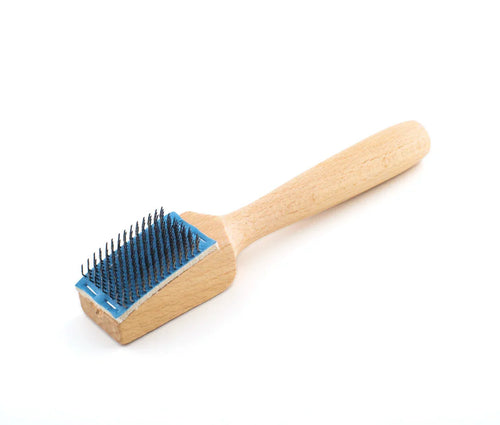
- Use a toothbrush to brush stubborn dirt or pebbles out of the grooves of your breaking sneakers.
- Regularly check for "baldings" – spots where the rubber has worn completely smooth. If the sole gets too thin there, you lose the cushioning that protects your ankles during landings.
Wear from floorwork and laces
In practice, the toe and sides of your shoes take the hardest beating. Think of the friction during windmills or the pressure on the outside of your foot during a CC. If you dance with suede shoes, you often see the toe become "bald." A simple trick I often use is to pre-treat these wear-prone areas with a good protector spray before you take them onto the floor for the first time. Also pay specific attention to your laces. Nothing is more annoying than a lace that snaps in the middle of a set because it's constantly rubbing against the floor during footwork. I always advise using flat, cotton laces and tucking the loops tightly behind the tongue of your shoe. This not only prevents you from tripping over them but also protects the eyelets from the constant friction of the floor.Hygiene and shape retention
After an intensive training session, your shoes are often soaking wet with sweat. A mistake I often see beginners make is leaving their shoes in a closed sports bag until the next training. This is the fastest way to let the material weaken and create nasty odors that you'll never get out. Take out the insoles and let the shoes air dry, but never directly by the heater; the heat can cause the rubber of your b-boy shoes to dry out and crack, causing the sole to detach from the upper. If necessary, stuff some newspaper in them to absorb moisture faster and maintain the shape of the toe, so they don't start to "curl" over time.Frequently Asked Questions
What makes a shoe specifically suitable for breakdance?
Good breakdance shoes must offer a perfect balance between grip and freedom of movement. You need soles that don't slip during footwork, but are smooth enough to perform fluid spins on your feet. Additionally, durability is crucial, as the sides and toes of the sneakers wear out quickly due to constant contact with the hard floor during power moves.
Which brands are most popular among b-boys and b-girls?
While personal preference plays a big role, many dancers swear by classics like the Adidas Gazelle or Puma Suede. These breaking sneakers are popular because of their flat soles and sturdy suede upper. They provide the necessary support and style essential in the scene. Nowadays, however, there are also modern b-boy shoes designed specifically for this sport.
How long do breakdance shoes last on average with intensive use?
The lifespan of breakdance shoes depends heavily on how often you train and what surface you dance on. On average, with intensive use, they last three to six months before the sole wears through. To extend their lifespan, you can consider wearing your shoes only indoors and cleaning them regularly. Wear on the sole is often the first indication.
Is it better to choose high-top or low-top breaking sneakers?
The choice between high-top and low-top breaking sneakers is mainly a matter of style and ankle support. Low-tops offer maximum freedom of movement for complex footwork patterns and are often lighter in weight. High-tops, on the other hand, provide more stability to the ankles, which can be nice during jump landings. Most dancers prefer low-tops because of the flexibility needed for floorwork.
How much grip does an ideal b-boy shoe need?
For b-boy shoes, the right amount of grip is essential for safety and performance. Too much grip can lead to knee injuries during fast spins, while too little grip will cause you to slip during powerful moves. Look for rubber soles with a fine pattern that provides grip on slippery gym floors but still allows for smooth rotations when you shift your weight.
Are normal running shoes suitable for breakdancing?
Running shoes are generally not suitable as breakdance shoes. They often have a sole that is too thick and bouncy, which is unstable for lateral movements and hinders contact with the floor. Moreover, the tread of running shoes is usually too coarse, making fluid spins almost impossible. It is better to invest in sneakers with a flatter sole for better control.
What is the best material for durable breaking sneakers?
Suede is historically the preferred material for breaking sneakers due to its excellent durability and flexibility. It withstands the enormous friction that occurs during slides on the floor. Leather is also a good option, as it provides sturdiness and molds to your foot over time. Avoid thin canvas shoes, as they often develop holes within a few training sessions.
The beauty of breakdance shoes is that they are much more than just a fashion item; they are your most important tool on the dance floor. What I especially want to tell you is that the right balance between grip for your footwork and that necessary smoothness for your spins makes the difference between landing a move perfectly or slipping painfully. Remember especially that durability is essential, because nothing is more frustrating than a pair of sneakers that falls apart after three intensive sessions due to constant friction with the floor.
If you want to work seriously on your skills, it really pays to invest in quality breakdance shoes specifically designed for the forces released during breaking. A pair of sturdy breaking sneakers gives you not only the necessary cushioning but also the pure confidence to finally master that new power move. Ultimately, it's about your equipment not limiting you, but rather giving you the freedom to fully express your own unique style. Your feet form your foundation on the floor; make sure that foundation is indestructible.


