

Table of Contents
- Choosing Essential Streetdance Shoes
- Comfortable Hip Hop Clothing
- Using Protective Clothing Correctly
- Safety and Closed Clothing
- Maintenance and Breaking in Gear
- Selecting the Best Dance Sneakers
- Frequently Asked Questions
Your knees and ankles take more of a beating than you think during an intensive session on the dance floor. Effective protection and clothing for dancers consist of a combination of shock-absorbing dance sneakers, knee pads, and breathable hip hop clothing that offers maximum freedom of movement without hindering technique. In my years teaching, I have too often seen students come into the studio in regular sneakers, only to go home with painful joints or a lack of stability.
The secret of a good outfit lies in the details you don't immediately see in a photo. High-quality streetdance shoes, for example, have a sole that not only provides grip for powerful steps but also allows enough 'slide' to relieve your knees during fast turning movements. For my own equipment, I always pay attention to the cushioning in the heel and flexibility at the forefoot; a shoe that is too stiff hinders your flow and increases pressure on your shins. Whether you're training for a battle or in class weekly, the right dance sneakers and clothing determine how long you remain physically able to perform at a top level without injury.
Choosing Essential Streetdance Shoes
Choosing the right streetdance shoes is about much more than just the 'look' that fits the rest of your hip hop clothing. What I often see in the dance studio is beginners appearing in standard running shoes. Although they look sporty, in practice they are often unsuitable and even risky for your joints. Running shoes are designed for forward motion and have enormous grip to prevent slipping on asphalt. However, in streetdance and hip hop, you are constantly turning on the ball of your foot and making quick lateral movements. If your shoe then 'catches' on the floor while your body continues to turn, your knees and ankles absorb the full impact. A good dance sneaker has a specially designed sole with a 'pivot point'. This is a smoother, round area under the ball of the foot that allows you to make effortless spins and turns without overloading your joints. For younger dancers just starting their first lessons, it is crucial to provide the right support from day one to prevent long-term injuries. These dance sneakers for children are specifically developed to provide that balance between grip and glide, which is essential for motor development during an energetic lesson.Cushioning and stability during intensive footwork
In practice, I often see dancers suffer from their shins or lower back after intensive training. A common mistake is underestimating the impact of jumps and 'stomps' in streetdance. In styles like house or popping, the load on your heels is significant. Therefore, when purchasing streetdance shoes, always pay attention to the cushioning in the sole. A high-quality sneaker often has a midsole made of EVA material or an air cushion that absorbs shocks. At the same time, you don't want to stand too high off the ground; a sole that is too thick can cause you to twist your ankle more easily during explosive movements. For female dancers looking for a combination of a tough look and technical support, I often recommend models with a split-sole. These women's dance sneakers have a discontinuous sole, allowing the arch of the foot to move freely. This gives you the flexibility to fully extend (point) your foot and makes your footwork a lot more refined, while the heel and forefoot still get the necessary protection.What to look for when fitting
When fitting new dance sneakers, immediately put on the socks you also wear while dancing. A shoe that is too loose is a recipe for blisters because your foot will slide during fast footwork combinations. Here are a few concrete points I always emphasize:- The heel counter must be sturdy and must not collapse inward when you make a lateral slide.
- There should be about half a centimeter of space left at the toes; your toes should not be clawed, but the shoe should not 'flap' either.
- The lace closure must enclose the instep well so that the shoe feels like a second skin.
- Check if the sole is 'non-marking'. In most professional dance studios, black streaks on the floor are an absolute no-go.
Comfortable Hip Hop Clothing
In the hip hop scene, clothing is much more than just an expression of style; it is an essential part of your technical performance. What I often see in practice is that dancers make the mistake of selecting purely on appearance, which limits their freedom of movement during intensive choreography. Hip hop is all about the 'bounce' and being able to dance low to the ground. If your pants are too tight at the hips, you simply cannot reach the depth needed for a powerful 'groove'. Good hip hop clothing should enhance the lines of your movement without working against your body's anatomy. In the studio, I often advise working with layers. A common mistake is wearing a thick, heavy hoodie during the entire warm-up and the core of the lesson. Your muscles need to stay warm, but overheating causes faster fatigue and loss of concentration. Choose breathable oversized shirts and pants with an elastic waistband or drawstring so the clothing stays in place during explosive jumps or fast isolations.The Technique Behind Footwork and Shoes
Choosing the right shoes is perhaps the most critical aspect of your outfit. Contrary to what many beginners think, regular sneakers you wear on the street are often not suitable for the dance floor. They often have too much grip, which puts a huge strain on your knee joints during turning movements. A specific pivot circle under the ball of the foot is necessary to spin smoothly without locking your joints. For female dancers who want to work seriously on their footwork, the balance between cushioning and flexibility is essential. These women's dance sneakers are designed with a sole that provides exactly enough grip for slides, but also has the necessary spring for jumps. What I often see with dancers who dance in shoes that are too flat is that over time they suffer from their shins or lower back because shock absorption is missing. Also for younger dancers, proper support from the start is crucial. Children's feet are still fully developing and the impact of hip hop landings can be large. Wearing high-quality dance sneakers for children ensures the arch of the foot is well supported and the ankle remains stable during fast lateral movements. In practice, I see that children who dance in good shoes dare to shift their weight much more confidently.Functional Details and Protection
In addition to the basics of pants and shoes, there are specific details that make your session more comfortable. Consider:- Knee protection: Especially with breaking or choreographies with a lot of floorwork, thin, flexible knee pads under your wide pants are not an unnecessary luxury to prevent bruising.
- Material choice: Avoid heavy denim. Instead, choose cotton blends or technical fabrics that wick away sweat but still maintain that typical 'baggy' look.
- Socks: Always wear seamless sports socks that sit high enough to prevent friction from the shoe edge against your Achilles tendon.
Using Protective Clothing Correctly
In practice, I often notice that dancers only think about protection after the first injury has already occurred. That's a shame, because many joint complaints are simply preventable by using your equipment wisely. What I often see is that dancers think a thick layer of clothing provides enough protection for floor work, but fabric alone doesn't absorb the blow to your bones. Correctly using protective clothing starts with understanding the impact specific movements have on your anatomy.The basis: Stability and Shock Absorption
A common mistake is underestimating the surface in combination with your footwear. If you do a lot of jumps or practice powerful landings in styles like streetdance or hip hop, your ankles and knees have to process enormous forces. In the studio, I regularly see students appearing in normal leisure sneakers. These often have a sole that is too stiff, causing your knee to twist during a fast pivot, or they provide zero cushioning. Good dance sneakers for children are essential in the growth phase, because the growth plates in the heel and knee are still vulnerable to repetitive shocks. The same principle applies to adults: you need a sole that moves with the arch of your foot. These women's dance sneakers are specifically designed to find that balance between grip for powerful push-offs and the ability to turn smoothly without locking your joints. When putting them on, make sure to lace them to the top for maximum ankle stability; loose laces are a recipe for sprains during explosive choreography.Layers and Knee Protection in Practice
When putting together your hip hop clothing, it's smart to work with strategic layers. In practice, I see that dancers who land directly on their knees during a 'drop' without any form of padding suffer from bursitis within a few months.- Knee pads under your pants: Wear thin, flexible knee pads directly on the skin or over a legging. This prevents them from shifting during an intensive set.
- Material choice: Choose pants made of sturdy cotton or synthetic blends that can withstand friction. Smooth fabrics are nice for the look, but make spins on your knees or back unpredictable and dangerous.
- Wrist support in breaking: If you practice many freeze elements, wrist guards are not an unnecessary luxury. A common mistake is fully straightening the arm during a landing; always keep a slight micro-bend in the elbow to distribute the pressure.
Safety and Closed Clothing
In practice, I often see beginning dancers underestimate the impact of the floor on their bodies. Breaking and hip hop are physically demanding disciplines where you constantly seek contact with the ground. What I often see in the studio is dancers appearing in shorts or a tank top because it's hot, but within ten minutes they have abrasions on their knees or elbows. In the dance world, we also call this 'floor burns'. These burns are caused by the friction between your skin and the dance floor during slides or drops. Therefore, closed clothing is not just a style choice within hip hop culture, but primarily an essential part of your personal protection.
The anatomy of good hip hop clothing
A common mistake is wearing clothing that is too tight under the guise of aerodynamics. In breaking, you actually need space around the joints. Good hip hop clothing must be wide enough to allow full extension of your legs during a kick or a swipe, but must not hang so loosely that you get tangled in it during a headspin. When choosing your outfit, pay attention to the following points:
- Long pants: Choose sweatpants or baggy pants made of a sturdy fabric. This protects your shins and knees during floor work (downrock).
- Long sleeves: Even a thin hoodie or a long-sleeved shirt can make the difference between a smooth freeze and a painful abrasion on your forearm.
- No zippers or hard buttons: In practice, I see that zippers on the back or side of pants can cause nasty bruises when you roll across the floor.
- Material choice: Cotton breathes well, but synthetic mixes often slide more easily across the floor, which helps you perform power moves.
Footwear: Grip versus mobility
Choosing the right streetdance shoes is perhaps the most important decision you make as a dancer. A common problem is that dancers use regular running shoes. Running shoes are designed for forward motion and often have a sole that is too thick with too much profile on the sides. This increases the risk of twisting your ankle during a fast toprock or a sudden change of direction. For female dancers who want to combine power and style, it is essential to look for shoes with a flat sole and good lateral support; these dance sneakers provide the necessary stability without losing contact with the floor.
What I often see with the younger generation is that they dance in shoes that are actually already too small or have no cushioning left. This is disastrous for the development of the feet and can lead to shin splints or knee complaints. Especially with children, whose joints are still growing, quality footwear is a must. These specially developed dance sneakers for children are designed to absorb the impact of jumps and at the same time provide the flexibility needed for footwork. In practice, it appears that children who dance in the right footwear make technical progress much faster because they don't have to be afraid of slipping or hurting their feet. Remember that your shoes are your tools; invest in a pair specifically made for the dance floor and keep your daily sneakers for outside the studio.
Maintenance and Breaking in Gear
You've finally found the perfect outfit and shoes for your next class, but the biggest mistake I see dancers make is using their new gear immediately during an intensive workshop or performance. A stiff sole or a garment that doesn't quite give during a drop can ruin your whole flow. The process of breaking in and proper maintenance determines not only how long your gear lasts, but also how safely you stand on the floor.
Safely breaking in your shoes
What I often see is dancers standing on the sidelines with blisters because their new shoes are still too stiff at the heel. Your feet need time to adjust to the specific support and anatomical shape of the sole. In practice, it works best to first wear your new streetdance shoes at home for a few hours with a pair of thick sports socks. This allows the material to slowly stretch in the places where your foot puts the most pressure, without the direct load of explosive movements like kicks or pivots.
When breaking them in, pay special attention to the pivot point under the ball of the foot. With new sneakers, this can sometimes feel too stiff on a wooden studio floor. By carefully walking them in first on a clean indoor floor, you'll quickly notice if the grip is right for your specific style. A common mistake is wearing your dance shoes directly outside. A single grain of sand or a stone in the profile can irreparably damage the dance studio floor and make your grip unpredictable. This is a big risk for your knees and ankles during fast turning movements where you must be able to rely on constant resistance.
Maintenance of your hip hop clothing and sneakers
Good dance sneakers for children and adults require a specific approach in terms of hygiene and material preservation. Because hip hop and streetdance are physically heavy styles, your clothing absorbs a lot of sweat and the material takes a beating during floorwork. What I often advise for the preservation of your hip hop clothing and accessories:
- Always wash clothing with large prints or graphics inside out at a maximum of 30 degrees. This prevents the image from cracking due to friction in the drum, which is essential for the look of your crew outfit.
- Never use fabric softener for technical dance fabrics. Fabric softener leaves a layer on the fibers, making the clothing less breathable and causing it to hold sweat instead of wicking it away.
- Let your sneakers air out outside your bag after every training. Remove the insoles if possible so that moisture doesn't soak into the cushioning layer, such as the EVA midsole. This prevents the cushioning from feeling 'dead' in the long term.
- Clean the soles weekly with a slightly damp cloth. Built-up dust on the sole causes you to lose grip, which is dangerous when landing after a jump.
In practice, I see that dancers who take their gear seriously simply suffer less from minor aches. It's not just about how your clothing looks, but about maintaining the functional properties. Baggy pants, for example, must provide enough room at the crotch for deep squats and fast footwork combinations, without the fabric chafing or tearing due to the fibers drying out. By treating your clothing and shoes with respect, you ensure that the materials retain their elasticity and support, exactly as the manufacturer intended for your performance on the floor.
Selecting the Best Dance Sneakers
In the studio, I often see dancers coming in with their daily sneakers. Although they look great on the street, in practice they are often a recipe for injury. A common mistake is the idea that any sports shoe is suitable for hip hop or streetdance. The biggest problem lies in the sole: regular running shoes are designed for forward motion and have enormous grip. When you make a fast pivot or spin with these on a dance floor, your feet stay stuck to the ground while your knees keep turning. This is exactly how meniscus and ligament injuries occur.
When selecting the right streetdance shoes, you must pay attention to the balance between grip and glide. A good dance sneaker has a so-called 'spin spot' under the ball of the foot. This is a smoother circle in the profile that allows you to turn effortlessly without straining your joints. In addition, the flexibility of the sole is crucial. Many experienced dancers prefer a split-sole, where the sole is interrupted under the arch of the foot. What I often see is that this helps dancers to better articulate their foot and make a nicer 'point' during footwork.
Functionality over Aesthetics
Although hip hop clothing often revolves around a specific 'baggy' aesthetic, your footwear should never be chosen purely on appearance. For the youngest talents just starting their first power moves, stability is the highest priority. These dance sneakers for children are specifically designed to support the ankle during lateral jumps, something a standard sneaker often doesn't provide. When purchasing, pay attention to the following points:
- Shock Absorption: When landing after a jump, the heel must absorb the impact to save your back and knees.
- Weight: Heavy shoes make your footwork slow. A lightweight sneaker is essential for fast choreographies.
- Non-marking soles: In most dance studios, black streaks on the floor are a mortal sin; always choose a sole that doesn't leave marks.
- Breathability: Dancing is a top sport. Mesh panels help to regulate the temperature in your shoe.
The Right Fit for Your Style
In practice, the choice also depends heavily on the specific dance style you practice. Do you do a lot of 'breaking' and are you on the floor a lot? Then you need a shoe with a reinforced toe. Do you focus more on commercial hip hop or high heels dance (but on sneakers)? Then you want a slimmer shoe that doesn't break your line. These women's dance sneakers are perfect, for example, for dancers looking for a shoe that offers both the necessary cushioning and a professional appearance during performances.
Another important anatomical detail is the heel counter. A common mistake is wearing sneakers that are too loose at the heel, causing your foot to slide. This not only causes blisters but also ensures you have less control over your movements. Make sure the shoe fits snugly, but that your toes still have room to spread for balance. If you notice that after class you suffer from your shins or your arch, that is often a sign that your dance sneakers need replacement or do not provide the right support for your foot type.
Frequently Asked Questions
Is it mandatory to wear closed clothing at work?
Whether it is mandatory to wear closed clothing at your work depends entirely on your employer's specific safety regulations. In sectors such as healthcare or construction, closed clothing is often mandatory to protect against risks. For dancers who teach, this is less strict, but good streetdance shoes and covering hip hop clothing often offer extra protection against abrasions during intensive floor movements.
What to do against see-through clothing?
Against see-through clothing, it is best to choose seamless underwear in a color that closely matches your own skin tone. When wearing light hip hop clothing or thin dance sneakers, this is essential for a professional appearance. Another option is wearing extra layers, such as a sports top or leggings under your wide clothing, which also provides extra protection while dancing.
In what order should I put on protective clothing?
The correct order for putting on protective clothing starts with the base layer, followed by knee pads and elbow pads. Then you put on your wide hip hop clothing over the protection. As a final step, you put on your dance sneakers or streetdance shoes. This order ensures that the protectors stay properly in place and you maintain optimal freedom of movement while performing complex moves.
What does it mean to break in clothing?
Breaking in clothing means that you wear new items, such as stiff streetdance shoes or sturdy hip hop clothing, more often so that they mold to your body. Through movement, the fabric becomes more supple and the fit more comfortable. Especially with new dance sneakers, breaking in is crucial to prevent blisters and guarantee the necessary grip and flexibility on the dance floor before you start an important performance or training.
Which streetdance shoes are most suitable for beginners?
For beginners, streetdance shoes with good cushioning and a flexible sole are the best choice. Look for dance sneakers that provide sufficient ankle support to prevent injuries during fast footwork movements. Brands that specifically design hip hop clothing and footwear often take into account the necessary balance between grip and the ability to turn, which is essential for anyone starting breakdance or hip hop.
Why is specific hip hop clothing important for breakdancers?
Specific hip hop clothing is important because it is designed for maximum freedom of movement and durability. During breakdancing, you need clothing that does not pinch at the joints and is resistant to friction with the floor. Often this clothing is wider, leaving room for knee pads. In combination with the right streetdance shoes, this style of clothing provides both an authentic look and functional protection.
How do I maintain my dance sneakers for a longer lifespan?
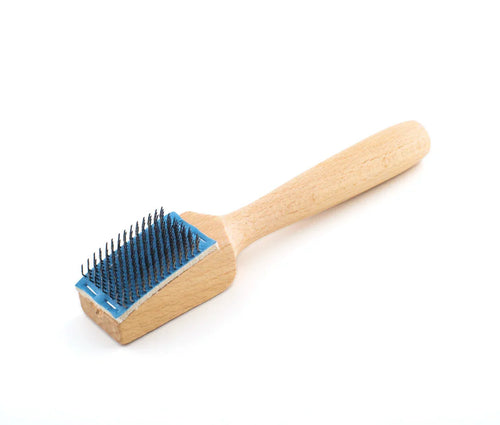
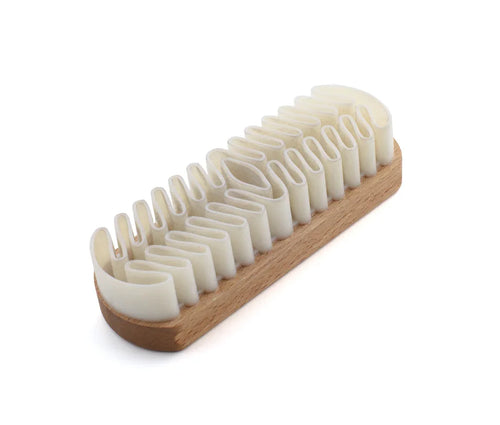
You maintain your dance sneakers by wearing them exclusively indoors on the dance floor and airing them out regularly after intensive training sessions. Remove dirt with a soft brush and use a damp cloth if necessary. Avoid the washing machine, as this can damage the cushioning and structure of your streetdance shoes. By taking good care of your shoes, they retain the grip needed for complex movements in your hip hop clothing.
The beauty of dancing is that your body is your instrument, but that also means you must be extremely careful with it. What I especially want to tell you is that the right gear makes the difference between an unnecessary injury and confidently landing that perfect power move. Whether you hit the floor during a breakdance session or show off your latest hip hop clothing, your foundation simply must be solid. Above all, remember that your joints absorb the greatest impact; quality streetdance shoes are therefore not a luxury, but an essential part of your equipment. For dancers who want to give their feet the support they deserve, you can view our women's dance sneakers collection for a combination of style and stability. For the youngest talents, grip is also crucial, so discover our children's dance sneakers collection to grow safely in their passion. Your talent deserves the best protection, so that tomorrow you can step onto the floor with even more energy. Keep pushing boundaries and let your clothing enhance your power.


