

Table of Contents
- Wide Feet: The Challenge
- Why Fit Is Crucial
- How to Choose the Right Fit
- Dance Shoes For Wide Feet
- Brands & Models Tips
- Maintenance For Optimal Comfort
- Frequently Asked Questions
Dancing is supposed to be a party, but for many, it ends in a struggle with pinching shoes and sore feet. How often in my classes do I see students wanting to kick off their shoes after just a few songs! Today we tackle a common problem: finding the perfect dance shoe fit for wide feet.
In the decades that I have been teaching, I have guided countless dancers with this specific dilemma. It is more than just uncomfortable; the wrong shoe can hinder your technique, cause injuries, and completely ruin your enjoyment. People often think they ‘just have difficult feet,’ while in reality, it comes down to a lack of knowledge about what a good fit entails. Where dancers with narrow feet sometimes have trouble finding enough support, dancers with wide feet struggle with painfully squeezed toes and pressure points. I know from experience that there is a dance shoe for everyone – yes, even for you – that feels like a second skin. We are going to discuss what you should look for, which brands offer options, and how to recognize that ideal fit, so you can fully focus on the music and the movement.
Wide Feet: The Challenge
As a dancer, you know that your feet are your most valuable instrument. They carry you through every movement, every turn, every jump. But what if your feet are naturally wider than the 'standard'? Then you face a unique challenge in finding the perfect dance shoes. What I often see in the dance studio is that many dancers with wider feet struggle with uncomfortable shoes, simply because they don't know what to look for.
Why is the width of your shoe so crucial?
In practice, I notice that the importance of shoe width is often underestimated. Think about the anatomy of your foot: the metatarsals, the long bones in your midfoot, spread out towards your toes. With a wider foot, these bones are often further apart. If a dance shoe is not designed for this, it can cause a range of problems:
- Pressure points and pain: The sides of your foot are squeezed, leading to painful pressure points, especially during longer dance sessions. This can even lead to blisters, calluses or, in the long term, bunions (hallux valgus) or hammer toes.
- Lack of stability: If your foot hangs over the sole of the shoe, you lose contact with the floor and therefore stability. This is dangerous, especially during fast steps, pirouettes, or weight transfers. Your ankles and knees then absorb an unnecessary amount of shock.
- Loss of feeling: Dancing is not just about movement, but also about feeling. If your shoes pinch, you lose contact with the floor and with it the nuance in your movements. You are less able to 'read' how your foot is positioned and how your weight is distributed.
- Faster shoe wear: A shoe that is too narrow is constantly under tension. The materials stretch in places where they are not supposed to, causing the shoe to lose its shape and wear out faster.
A common mistake I encounter is that dancers with wide feet buy a size larger in the hope that the shoe will be wider. Unfortunately, this rarely works as desired. You might get some extra width, but the shoe also becomes longer. This means your foot slides forward, your toes get too much room at the front, and your heel does not fit properly. The result? Less control, tripping hazards, and still no optimal comfort. For dancers used to shoes for the narrow foot, these are often unknown problems, but for others, it is a daily reality.
The search for the perfect fit
Finding the right dance shoes for wide feet requires patience and the right knowledge. It's about finding shoes that respect the natural shape of your foot, not trying to force it into a standard mold. In my experience, it is crucial to look at the construction of the shoe, particularly the width of the forefoot and the materials. Soft leather or suede can adapt better than synthetic materials, but even then, a basic fit that is correct is essential.
Fortunately, the dance world is increasingly aware of this need. There are now brands that specifically focus on dancers with a wider foot. This means you no longer have to settle for a compromise. For many dancers, a special collection of dance shoes for the wide foot is the solution. These shoes are designed with extra space at the ball of the foot, without changing the length of the shoe. Sometimes even that is not enough. For those cases where the foot really needs a lot of space, extra wide dance shoes are available that provide the necessary comfort and support, even for the most demanding dance styles.
It is an investment in your dancing pleasure and your health. A well-fitting shoe is not only more comfortable but also helps you perform better and prevent injuries. Take the time to measure your feet properly and look for specific options that suit your unique foot shape. Your feet will thank you.
Why Fit Is Crucial
In my years as a dancer and instructor, I have seen one thing time and again: the fit of your dance shoes is absolutely crucial. It is not just a detail; it is the foundation of your comfort, your performance, and even your health on the dance floor. A common mistake, especially among beginners, is that they think a shoe 'will get used to it' or that 'it's part of it' if it pinches or rubs a bit. Nothing could be further from the truth. What I often see in practice is that dancers with poorly fitting shoes are constantly distracted. A blister on your heel, a toe that is pinched, or a shoe that is too loose and lets your foot slide – it takes you completely out of your concentration. You are focused on your pain instead of the music, the connection with your partner, or the perfect execution of your step. This not only leads to less enjoyment in dancing but can also have serious consequences:- Pain and blisters: This is the most direct consequence and can completely ruin your dance lesson or performance.
- Reduced stability: If your shoe does not fit your foot well, you have less grip and balance. Think of fast turns or weight shifts – an unstable shoe makes this dangerous and inefficient.
- Increased risk of injuries: Overuse of joints, sprains, and even long-term foot problems such as bunions or heel spurs can be the result of an incorrect fit.
- Limited technique: You simply cannot perform certain movements optimally if your shoes limit you. A good point, a smooth relevé, or a powerful push-off requires your foot to move freely and supported.
The Unique Shape of Your Foot
Every foot is unique. What is perfect for one person is a disaster for another. That is why it is so important to understand that there is no such thing as 'the ideal dance shoe' that works for everyone. You have narrow feet, wide feet, feet with a high instep… and every shape has its own specific needs in terms of fit. For dancers with narrow feet, for example, it is essential that the shoe fits well on the sides and over the instep, so that the foot does not slide in the shoe. This prevents friction and provides the necessary stability during fast movements. What I often see with narrow feet in shoes that are too wide is that they pull the straps much too tight, which in turn leads to pinching and uncomfortable pressure points. On the other hand, if you have wide feet, you know how frustrating it can be to find a shoe that doesn't pinch at the ball of your foot. A shoe that is too narrow squeezes your toes and causes immediate pain and discomfort. This not only hinders your freedom of movement but can also lead to annoying foot complaints such as hallux valgus in the long run. And let's not forget the dancers with extra wide feet. For them, finding a shoe that offers enough space without the foot floating is a true quest. A good fit here ensures an even pressure distribution over the entire foot, which is essential for comfort and preventing strain, especially during long dance sessions or intensive training.Impact on Your Dance Performance
The influence of a good fit goes beyond just comfort. It has a direct impact on your dance performance and technique. Think of the subtle nuances of a rumba or the explosiveness of a jive. Your feet are your connection to the floor; they absorb shocks, generate power, and direct your movements. If your shoes do not fit like a second skin, this connection is disrupted. In practice, this means that a shoe that fits well:- Enables you to 'feel' the floor optimally, which is crucial for balance and turning movements.
- Provides the right support to your arch and ankles, which prevents injuries and allows your muscles to work more efficiently.
- Ensures a seamless transition from one movement to another, without having to worry about sliding feet or pinching straps.
- Increases your confidence on the dance floor, because you know your shoes will not let you down.
How to Choose the Right Fit
As a dance teacher and avid dancer, I see it time and again in practice: the search for the perfect dance shoe fit is crucial, but often a stumbling block. Many beginners, and sometimes even advanced dancers, step onto the dance floor with shoes that do not fit properly. Believe me, this is a recipe for discomfort, injuries, and a hindrance to your dancing pleasure and progress. A shoe that truly fits your foot feels like an extension of yourself, allowing you to move freely and focus fully on your technique.The Dangers of an Incorrect Fit
What I often see is that dancers choose the wrong size, not only in length but especially in width. A shoe that is too narrow pinches the forefoot, which can lead to painful bunions, hammer toes, and even nerve compression. Think of that burning pain under your forefoot after a few salsa songs, or the blisters that form on the side of your little toe. This is often a sign that your dance shoe fit is not correct, and your foot is experiencing too much pressure. On the other hand, a shoe that is too wide does not give your foot sufficient support. Your foot will slide in the shoe, resulting in less control over your movements, unnecessary friction, and instability. During fast turns or weight shifts, such as in the cha-cha or quickstep, this can lead to sprained ankles or loss of balance. It's like driving a car with pedals that are too loose; you have no direct control.Measuring Your Feet: More Than Just Length
A common mistake is to only look at the shoe size you normally wear. With dance shoes, the width is at least as important. Your feet often swell a bit during the day, and certainly during dancing. Therefore, I always recommend trying on your dance shoes at the end of the day, when your feet are at their largest. Stand up and measure not only the length of your foot but also the width at the widest point, just behind the toes (the ball of your foot). This width measurement is essential for a comfortable dance shoe fit. For ladies with wider feet, it is crucial to choose shoes that offer enough space without pinching. I often recommend taking a look at our collection of dance shoes for wide feet; here you will find models specifically designed to provide that extra space without sacrificing style or support.Specific Fits for Different Foot Types
- Narrow Feet: For those with narrow feet, it is just as important that the shoe is not too loose. Choose models that fit well around the forefoot and the instep. Sometimes adjustable straps help to pull the shoe tighter around the foot, giving you that firm, enclosed fit needed for precision. You don't want your foot to move unnecessarily inside the shoe during a pivot or a quick step.
- Wide Feet: Here the challenge is often to find enough space without having to resort to a larger length size. A larger length size while your foot is not longer only creates extra space at the front, causing you to trip and have less control. Look for shoes with a wide last or materials that shape well to your foot, such as soft leather or suede. Sometimes 'wide' is still not wide enough, and then I see that dancers really benefit from our extra wide dance shoes. These are specially designed to minimize pressure on the forefoot and provide maximum comfort, even after hours of dancing.
Dance Shoes For Wide Feet
In my many years of experience on the dance floor and advising dancers, I come across one thing time and again: the search for the perfect dance shoe is often quite a challenge for people with wider feet. It is no secret that many standard dance shoes are designed with an average, often somewhat narrower, foot in mind. This can lead to discomfort, pain, and even injuries, which of course can greatly hinder the pleasure of dancing.
What I often see is that dancers with wider feet tend to buy a size larger, in the hope that this will provide extra space. However, this usually results in shoes that are too long, causing your foot to slide, your toes to not have a good grip, and you to lose stability. A common mistake I also regularly see is choosing shoes with straps that are too tight, which cut into the skin or hinder circulation. Your feet swell during dancing, so what might just fit at the beginning can become painful after a few songs.
Why a Wide Fit is Essential
A wide foot simply needs more space, especially at the ball of the foot and the toes. If this space is missing, your toes are compressed, which can lead to hammer toes, blisters, calluses, and even neuropathy. For dancers, this is disastrous because your feet are your most important instrument. Think of the metatarsal bones (midfoot bones) that have to distribute the pressure during pivots, turns, and landings. If they are squeezed, that distribution is far from optimal and you feel painful pressure points.
In practice, this means that a shoe with a wider last (the shape the shoe is built around) is crucial. A good last follows the natural contours of your foot without pinching. For ladies with a wider foot, it is essential to look for models specifically designed to provide that extra space without sacrificing elegance or support. I always recommend checking out our collection of dance shoes for wide feet, because there you will find options that really make a world of difference.
Important Features for Dance Shoes for Wide Feet
When selecting dance shoes for wider feet, there are a few specific features I always look for:
- The Last: As mentioned, the shape is everything. Choose shoes that clearly indicate they have a wider last. This is the foundation for comfort.
- Material: Soft, supple materials such as suede, soft leather, or certain synthetic fabrics that shape with your foot are ideal. Avoid stiff materials that have no stretch.
- Adjustability: Shoes with adjustable straps, buckles, or laces over the instep are a godsend. They allow you to adjust the fit precisely to the width and height of your instep, which is crucial for both wide and narrow feet.
- The Toe: A rounded or wider toe provides your toes with the space to spread, which is essential for balance and comfort during pirouettes and weight transfer.
- Heel Stability: For wider feet, a stable heel is extra important. This helps distribute the weight and reduces pressure on the ball of the foot.
Sometimes 'wide' is still not wide enough. What I often encounter in practice is that some dancers even need an extra wide fit, especially if they spend many hours on the dance floor or have specific foot conditions. This is not a weakness, but a reality that good shoes must provide an answer to. It's about your feet being able to move and breathe freely, so you can focus fully on your dance, without distraction from pain or discomfort.
My advice: take your time. Try on shoes at the end of the day, when your feet are a bit swollen. Wear the socks or tights you normally wear while dancing. And listen carefully to your body. A dance shoe should fit like a second skin, not pinch or squeeze. The right fit is the key to a long, enjoyable, and injury-free dance life.
Brands & Models Tips
As a dance teacher and experienced dancer, I see every week how crucial the right dance shoes are. It's not just an accessory; it's the foundation of your dance. What I often see is that people with wide feet struggle for too long with shoes that pinch, while dancers with narrow feet have too much space, leading to unnecessary injuries and uncertainty on the dance floor. Let's take a closer look at which brands and models work well in practice.
The Challenge of the Fit: Wide or Narrow?
The fit of your dance shoes is all-determining. A common mistake is thinking that a shoe 'will stretch out.' That happens sometimes, but a shoe that pinches from the start at key points, such as the ball of your foot or at the toes, will never truly be comfortable. On the contrary, it can lead to blisters, calluses, bunions, and even painful nerves. On the other hand, if your foot moves too much in the shoe, you lose stability and control, which hinders your technique and increases the chance of sprains.
For dancers with wider feet, it is important to look for shoes with enough space at the toes and the ball of the foot, without the shoe becoming too wide at the heel. Balance is essential here. I always recommend looking for brands that explicitly offer 'wide fit' or 'comfort' models. Brands like Werner Kern and Supadance often have lines that excel in this. They understand that a wide foot does not mean the entire shoe must be wide; the width is often in specific zones. Look for models with a wider sole base and a roomier toe box. These dance shoes for ladies with wide feet are often designed with extra volume in the right places, which makes a world of difference during long dance evenings.
For those who need even more space, for example due to specific foot shapes or medical reasons, there are even options for extra wide feet. These offer even more relief and comfort, so you can focus on your steps instead of on painful feet. A good fit ensures your feet can 'work' in the shoe, without hindrance. View our selection of dance shoes for ladies with extra wide feet for specific models aimed at this.
Specific Recommendations per Foot Type
-
For wide feet:
Look for models with a square or round toe. A pointed toe is often disastrous for wider feet because it compresses the toes. Look for shoes with soft, supple leather or suede that shapes to your foot, but does not stretch too much in places where you need support. Some brands also offer models with adjustable straps over the forefoot, which can provide an extra solution to perfectly tune the fit. Also pay attention to the height of the instep; an instep that is too low can pinch, even if the width is correct.
-
For smalle voeten:
Here it is important to find shoes that enclose your foot well. I often see dancers with narrow feet choosing a size smaller, which in turn pinches toes. That is not the solution. Better to choose models with multiple, adjustable straps or a lace-up closure that you can pull tighter. A closed toe can also help keep the foot better in place. Brands like Anna Kern often have models that are cut slimmer. These dance shoes for ladies with narrow feet are specially designed to hold your foot well, so you don't slip in the shoe during fast turns or sideways movements. A good heel counter is also crucial here to prevent your heel from slipping out of the shoe.
Always remember: the best dance shoe is the one you almost forget you're wearing. It should feel like a second skin, support your movements, and not hinder you. Take the time to try on different models and move in the shoes. Walk, turn, bend your feet. Feel if there are any pressure points or too much space. Your feet are your most important instrument on the dance floor, so give them the attention they deserve.
Maintenance For Optimal Comfort
After finding those perfect dance shoes for wide feet – or just for a narrow fit – the work is not yet done. What I often see in the dance studio is that students pay a huge amount of attention to the purchase, but much less to the maintenance. And that's a shame, because good maintenance is the key to maintaining that optimal fit and comfort, and significantly extends the life of your shoes. It's not just about looking good; it's about your feet continuing to get the support they need, night after night.
The Sole: Your Direct Connection To The Floor
The sole of your dance shoes is your direct contact with the dance floor. In most dance shoes, this is made of suede, a material that offers the perfect balance between grip and the ability to turn smoothly. But suede can absorb dirt and grease, making it slippery or, conversely, too sticky. A common mistake is ignoring the sole until it is completely worn out. This affects your pirouettes, your balance, and ultimately your technique.
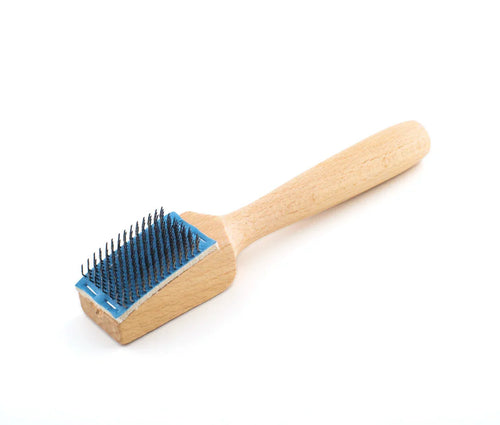
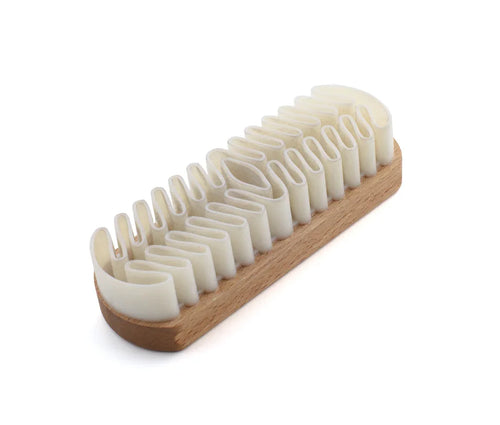
- Regular brushing: Invest in a special suede brush. Brush the soles after every dance session. This removes dirt and roughens up the fibers again, returning the optimal grip. I even recommend this in between, if you notice your shoes are slipping or sticking too much.
- Check for wear: Especially under the ball of the foot and the heel, suede can become thinner. As soon as you see the leather of the insole through it, it's time for a new pair. A worn sole no longer offers good cushioning or grip, and can lead to discomfort or even injuries.
Whether you choose delicate dance shoes for narrow feet or more robust models, the sole is always crucial. A well-maintained sole ensures that you feel the floor and can perform your movements precisely, which is essential for every dance style.
The Upper and The Inside: Protect Your Fit
The upper of your dance shoes, whether it's leather, satin, or synthetic, shapes to your foot. Certainly for dancers with dance shoes for extra wide feet, who often choose materials that adapt flexibly, maintaining this shape is crucial. Moisture and dirt from sweat can affect the materials and influence the fit.
- Air out shoes: Never put your shoes directly into a closed bag after dancing. Let them air out well. This prevents the buildup of moisture, which can cause mold and unpleasant odors and can affect the material.
- Use shoe trees: For leather shoes, especially, cedar shoe trees are a godsend. They help maintain the original shape of the shoe and absorb excess moisture and odors. This is particularly useful for maintaining the specific width and fit you have chosen so carefully.
- Cleaning: Wipe the upper with a slightly damp cloth to remove sweat and dirt. For satin, this is extra important to prevent stains. Leather can benefit from a special leather conditioner to keep it supple and prevent drying out.
In practice, I often see the inside of the shoe starting to wear out or the insole coming loose due to sweat. This can lead to blisters and a less stable feeling. By airing out your shoes well and possibly replacing insoles when they are worn out, you maintain comfort and hygiene.
In short, a little extra care for your dance shoes is not a luxury, but a necessity. It ensures that that perfect fit, which you have chosen so carefully, is maintained, so you can focus fully on your dance and not on discomfort in your feet.
Frequently Asked Questions
What are the main considerations when choosing dance shoes for wide feet?
When choosing dance shoes for wide feet, comfort and support are crucial. Look for models with a wider last or specific 'wide fit' options. Materials that shape well to the foot, such as soft leather or suede, are ideal. Ensure the shoe offers enough space without sliding, to prevent blisters and discomfort. A good fit significantly improves your dance performance.
Are there specific dance shoe brands known for their wide fits?
Yes, several brands recognize the need for wider fits. Brands such as Bloch, Capezio, and Werner Kern often offer models in various widths, indicated by 'W' (Wide) or 'XW' (Extra Wide). It is always advisable to consult the specific manufacturer's size charts, as the interpretation of 'wide' can vary. Local dance specialty stores can also advise on suitable brands.
How do I know if I have wide feet and which size to choose?
You likely have wide feet if the sides of your feet press against the inside of regular shoes, or if you often experience pinching spots. Measure the width of your foot at its widest point and compare this with the size charts of dance shoe manufacturers. Many brands offer width sizes. Always try on shoes at the end of the day, when your feet are slightly swollen, for the most accurate fit.
Which materials are most suitable for dance shoes for wide feet?
For wide feet, supple and flexible materials are most suitable. Soft leather and suede are excellent choices because they shape well to the unique contours of your foot and are breathable. Synthetic materials can also work, provided they offer enough stretch and are not too stiff. Avoid materials that do not stretch and can cause pressure points, to maximize comfort and freedom of movement.
Are there adjustments I can make if my dance shoes are still a bit too tight?
If your dance shoes are a bit too tight, there are a few tricks. Leather shoes can be gently stretched with a shoe tree or by wearing them with thick socks. There are also special sprays that soften leather. For small pressure points, you can use thin gel pads or plasters. However, ensure the shoe fits well fundamentally; too many adjustments often indicate an incorrect size choice.
Do dance shoes for wide feet come at the expense of aesthetics or appearance?
Absolutely not! The days when comfortable shoes for wide feet looked clunky are behind us. Many renowned dance shoe manufacturers now design stylish models specifically tailored for wider feet. They combine functionality with elegance, so you don't have to compromise between comfort and appearance. You can therefore dance in shoes that both fit wonderfully and look fantastic.
Does the fit for wide feet differ by dance style (e.g., ballet, latin, jazz)?
Yes, the ideal fit for wide feet can certainly vary by dance style. With ballet pointe shoes, a perfect fit is crucial, where the 'box' must be wide enough to encompass the toes without pinching. Latin and salsa shoes often require flexibility and stability, where a wider sole or last can improve balance. Jazz shoes should be supple and provide enough room for quick movements.


