

Table of Contents
- Washing Canvas in the Washing Machine
- Manual Canvas Shoe Cleaning
- Dance Shoe Care and Material Preservation
- Shoes that Should Not Go in the Washing Machine
- Effective Shoe Maintenance and Drying
- Common Cleaning Mistakes
- Frequently Asked Questions
You're ready for the start of the lesson, but you notice your canvas shoes are now more gray than white and are starting to lose their grip on the dance floor. Effective canvas shoe maintenance revolves around manual cleaning with lukewarm water and a mild soap, followed by a slow drying process away from direct sunlight. This way, you prevent the fabric from shrinking or the sole from detaching, which is crucial for the lifespan and fit of your gear. In the years I've been teaching in the studio, I've seen countless pairs come by that, after an ill-thought-out wash, looked more like stiff cardboard than supple dance shoes. It’s an understandable but costly mistake to simply throw them in the washing machine; the glue and fine fibers of the canvas rarely survive that without damage. Good dance shoe care requires just that little bit of extra patience, so you don't have to purchase a new pair every quarter. By cleaning your shoes regularly and correctly, you maintain that necessary flexibility during footwork. Here, I share my own tried-and-tested method to get your shoes fresh again without destroying the structure.
Washing Canvas in the Washing Machine
In practice, I often see that dancers are hesitant to put their shoes in the washing machine, and that is partly justified. A common mistake I see among students is that they throw their shoes unprotected among the normal laundry. Although canvas is a robust material, the construction of a dance shoe and the glue bonds often are not. Yet, the washing machine is often the only way to truly tackle that typical "scent" of intensive use. What I often see during intensive training is that sweat and skin oils accumulate in the fibers of the canvas. This not only attracts dirt but also eventually affects the suppleness of the fabric. If you decide to use the machine, proper preparation is essential for the preservation of your material. Good shoe care starts before the drum even begins to spin.Step-by-step plan for a safe wash
Before you turn on the machine, there are a few actions that make the difference between a fresh shoe and a shoe ready for the trash can:- Always remove the laces and any loose insoles. Laces can get tangled in the drum, and insoles often lose their cushioning effect in the machine.
- Brush loose dirt and dust off the soles. Especially with canvas jazz shoes, a lot of dust and resin can get stuck between the seams.
- ALWAYS use a laundry bag. This prevents the shoes from hitting the drum walls hard, which can cause the glue to crack.
- Add a few towels to the wash to keep the drum balanced and dampen the noise.
The right settings and temperature
A crucial mistake is using a program that is too hot. I have seen canvas ballet shoes come out of the machine a size smaller because they were washed at 40 degrees often enough. Canvas is a natural product and reacts strongly to heat. Therefore, never wash warmer than 30 degrees, or even better: use a cold cycle. Choose a mild detergent without bleach. Bleach attacks the fibers and makes the canvas stiff, causing the shoe to mold less well to your foot during dancing. Additionally, set the spin speed as low as possible. A high spin speed pulls at the seams of the shoe, which in split-sole models can lead to deformation of the midsole.Pay attention to the soles
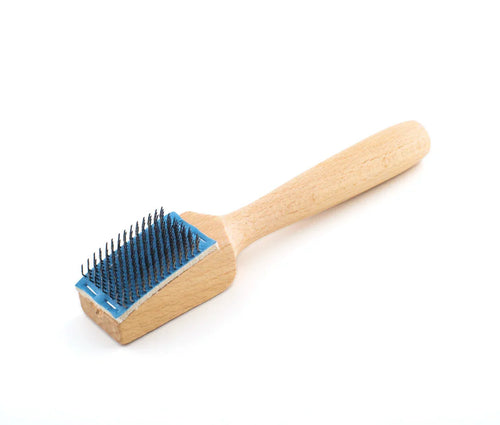
In the dance world, many canvas shoes have suede or leather soles. This is the biggest risk with machine washing. In practice, I see that leather becomes hard and slippery after contact with a lot of water and soap. If your shoes have leather patches, I recommend roughening them with a special sole brush immediately after drying to restore grip on the dance floor. Never finish the wash cycle with the dryer. The heat of a dryer is the enemy of every dance shoe; it causes the glue to melt and the fabric to shrink. Always let your shoes air dry, away from the heater, and put some white paper towels inside to maintain the shape and absorb moisture faster.Manual Canvas Shoe Cleaning
In practice, I notice that many dancers throw their canvas shoes directly into the washing machine as soon as they look a bit dingy. While that seems easy, it's the fastest way to ruin the fit of your shoes. The heat and the violence of the drum attack the glue bonds and can deform the sole. What I often see is that manual cleaning not only extends the lifespan of your material but also preserves the specific shape of the shoe, which is essential for your technique on the floor.Step 1: Removing dry dirt
A common mistake is to rub a stain directly with a wet cloth. This pushes the dust and surface contamination deeper into the weave of the canvas. Always start with a soft, dry brush. In the dance studio, a mixture of resin, dust, and skin oils often collects on the toe of the shoe. Brush this off carefully. For finer details and seams, I often use an old toothbrush. Once the loose dirt is gone, you can consider using specific shoe care products that do not damage the fibers.Step 2: The mild cleaning method
For the real work, you only need a bowl of lukewarm water and a drop of mild soap or baby shampoo. Absolutely do not use aggressive bleaching agents, even on white canvas shoes, as this makes the fibers brittle.- Dip a soft cloth or sponge into the soapy water and wring it out well. The shoe should never be completely soaked; we only want to clean the surface.
- Make gentle, circular motions. Focus on the areas where the most friction occurs, such as the heel and the sides.
- For stubborn stains, such as streaks from a black dance floor, you can apply a tiny bit of extra soap directly to the brush.
Step 3: The drying process (Crucial for shape retention)
This is where it often goes wrong. Never, ever put your canvas shoes under a radiator or in direct sunlight to speed up the process. The heat causes the canvas to shrink and become hard, meaning the shoe will no longer close comfortably around your foot. What I often advise my students is to fill the shoes with white paper towels or unprinted newspaper. This absorbs the moisture from the inside and ensures the shoe retains its anatomical shape while air drying. A handy tip from practice: replace the paper after an hour if the shoes were very damp. This speeds up drying naturally without affecting the structure of the material. Once they are completely dry, you can give them a quick brush to make the 'nap' of the canvas supple again. Proper maintenance might take ten extra minutes, but it saves you significantly on the costs of new materials in the long run.Dance Shoe Care and Material Preservation
What I often see in the dance studio is that students only clean their canvas shoes when they really look terrible. However, a common mistake is waiting until the dirt has moved deep into the fibers. Canvas is a porous material; sweat and dust from the dance floor combine to form a mixture that makes the fabric stiff and can eventually even cause it to tear at the base of the toes. In practice, this means your shoe becomes less flexible, which you notice immediately when rolling through your foot during a basic step or a pivot. Good dance shoe care therefore doesn't start with the big cleanup, but with daily maintenance after every lesson.
The correct technique for canvas cleaning
In practice, I see that dancers often have the tendency to simply throw their canvas shoes in the washing machine on a high program. Better not to do this. The heat and the aggressive rotation of the drum can weaken the glue bonds between the sole and the canvas, causing your shoes to lose their fit. What I recommend is a targeted hand wash. Use lukewarm water and a very mild soap. Use a soft toothbrush to gently make circular motions on the areas where the most friction occurs, such as the heel and the ball of the foot.
- Never use bleach, even on white canvas shoes, as this weakens the fibers and can leave a yellow glow.
- Focus on the inside: bacteria from perspiration break down the material from the inside out. A good shoe maintenance routine also includes an antibacterial spray after dancing.
- Always remove the laces before you start; this way you can also reach the tongue of the shoe where a lot of dust often accumulates.
Preserving the sole and shape
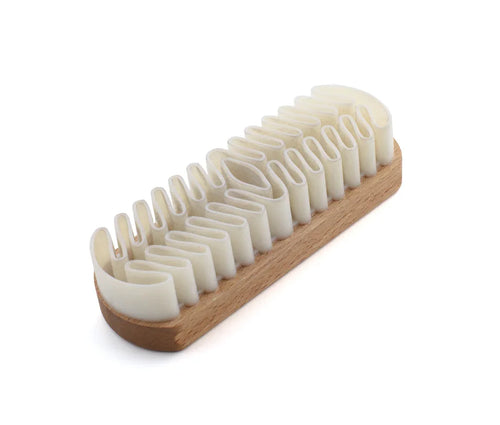
A specific point of attention for dance shoes is the sole. Many canvas dance shoes have a split-sole construction for maximum flexibility. During cleaning, you must be careful not to soak the suede or leather patches under the foot. If these patches get wet, they harden once they dry, causing you to lose all grip on the dance floor. If the sole does get wet, brush it up immediately with a special suede brush while it is still slightly damp to keep the fibers open.
A common mistake when drying is placing the shoes on the heater. The intense heat causes the canvas to shrink, making your shoe suddenly feel half a size smaller and the anatomy of the shoe no longer aligns with your arch. What I always advise: stuff the shoes full of unbleached paper towels or newspaper (be careful with ink on light shoes) and let them dry at room temperature. This absorbs the moisture from the inside and ensures the canvas retains its shape. In practice, this may take 24 hours, but it significantly extends the life of your gear. Remember that a well-maintained shoe not only lasts longer but also prevents injuries by continuing to provide the correct support.
Shoes that Should Not Go in the Washing Machine
While it is tempting to just throw your dirty canvas sneakers into the drum after an intensive weekend of workshops or a sweaty training night, in practice, that is often the beginning of the end for your favorite pair. What I often see with students is that the sole starts to detach at the toe or heel after just one wash. This is because most modern shoes, even those made of canvas, use specific types of glue that are simply not resistant to the combination of warm water, detergent, and the constant rotation of the machine. For sustainable shoe care, it is essential to understand that water saturation fundamentally changes the structure of the shoe.
A common mistake is the thought that a cold program can't do any harm. However, the mechanical stress – the constant hitting of the shoe against the wall of the drum – causes microscopic cracks in the canvas and the joints. Especially with salsa shoes that consist partly of canvas, you see that the fit is completely lost after a wash. The shoe stretches in places where you need support, or shrinks in a way that pinches your toes during dancing. In practice, this means you lose stability during spins and cross-body leads, which can even lead to injuries.
The vulnerability of the suede sole
If you dance in shoes with a suede sole, the washing machine is absolutely forbidden territory. Suede is a natural product with a specific fiber structure, also known as the 'nap'. When this sole becomes completely saturated with water and soap, the natural oils in the leather dissolve. The result? A sole that becomes as hard as a plank after drying and loses all its grip. With men's dance shoes, I regularly see the sole start to crumble after a wash, causing floor control to disappear completely. You clean a suede sole exclusively with a special steel brush and possibly a slightly damp cloth for the edges, never by complete immersion.
Materials and details that cannot withstand heat
In addition to the sole, there are other elements that do not survive a trip in the washing machine. Think of:
- Glue bonds: The heat of the water (even at 30 degrees) loosens the glue between the insole and the exterior, causing the shoe to 'flap'.
- Metal rings: The eyelets can rust due to long exposure to moisture, which in turn causes stains on the light canvas.
- Cushioning materials: The EVA foam or gel inserts in the sole lose their resilience due to pressure and heat, making shock absorption during jumping or landing minimal.
- Decorations: Rhinestones, embroidery, or specific brand logos often come loose due to friction in the drum.
Instead of using the machine, I always advise a targeted hand wash. Use a soft brush and a mild soap solution to only tackle the stains on the canvas. This prevents the core of the shoe from becoming soaked. It might take ten minutes more, but it extends the life of your material by months, if not years. Remember that a good dancer not only invests in technique but also in the preservation of the tools that make that technique possible.
Effective Shoe Maintenance and Drying
What I often see in the dance studio is that dancers stuff their sweaty shoes directly into a closed bag after class and leave them there until the next training. This is one of the biggest mistakes you can make. Canvas is a natural material that breathes, but it also absorbs a huge amount of moisture and salt from your sweat. If you don't give this a chance to escape, the salt crystals attack the fibers of the canvas, making the fabric stiff and eventually causing it to tear. Good women's shoe care therefore doesn't start with the big cleanup, but with the daily routine immediately after you step off the dance floor.
Daily habits for a longer lifespan
In practice, you significantly extend the life of your shoes by simply letting them air out. As soon as you get home, take the shoes out of your bag and put them in a place with good air circulation. A common mistake is using a hair dryer or placing the shoes on the heater to speed up the process. The intense heat of a radiator causes the glue bonds between the sole and the canvas to dry out and detach. Moreover, the canvas can shrink, causing the fit of your favorite men's dance shoes to be completely lost.
To preserve the shape and absorb residual moisture, I always recommend the following:
- Use cedar shoe trees or stuff the toes with unbleached newspaper. This pulls the moisture from the inside of the shoe without forcing the fabric.
- After every lesson, brush the loose dust and dirt from the sole and the canvas. Use a soft brush for this, often found in a complete set of dance shoe accessories.
- Rotate your shoes. If you dance several times a week, give a pair at least 24 hours to dry completely before putting them on again.
How to dry after cleaning
When you decide to thoroughly clean your canvas shoes, the drying phase is crucial. A wet canvas shoe is vulnerable to deformation. What I often recommend to my students is to let the shoes dry lying flat on a towel, out of full sun. Direct sunlight can cause the color of the canvas to fade, which quickly results in a dull appearance, especially with black or dark blue dance shoes.
During the drying process, it is smart to remove the laces completely. This gives the tongue of the shoe space to ventilate well at the bottom too. If the shoes are almost dry but still feel a little damp, that is the ideal time to apply a textile protector. This puts an invisible layer over the fibers, making dirt and moisture less likely to penetrate deep into the canvas in the future. By exercising this discipline, you will notice that you not only have to wash less often, but the structure of the shoe continues to provide that necessary support during your footwork and spins for much longer.
Common Cleaning Mistakes
In the years that I have been giving dance lessons and standing on the floor myself, I have seen countless pairs of canvas shoes come to a premature end. Canvas seems like a forgiving material – it's just fabric, right? That is exactly where most people go wrong. A canvas dance shoe is a technical product where the fit and the connection between the sole and the upper are essential for your balance and turning ability. What I often see is that a well-intentioned cleaning session ends in a shoe that loses its shape or whose glue detaches.
The washing machine: a silent killer for your shoes
The most common mistake I encounter in practice is the use of the washing machine. It is incredibly tempting to throw your sweaty canvas sneakers into the drum after an intensive training week. Although they may look visually clean, you are doing irreparable damage to the structure. The combination of prolonged exposure to water and the mechanical movement of the drum weakens the fibers of the canvas.
Moreover, the heat of the water dissolves the glue that keeps the insole and reinforcements in place. I have had students who noticed after one wash that their shoes suddenly seemed half a size larger or that the heel counter had completely collapsed. For good dance shoe care, hand washing is really the only safe way. Use a soft brush and lukewarm water, but never fully submerge the shoe.
Incorrect drying techniques and heat sources
Another mistake I often see happens after cleaning: wanting to dry the shoes too quickly. Canvas retains moisture, and it can take a long time before they are dry through and through. The reflex is then often to put them on the heater or even use a hair dryer. Absolutely do not do this. Extreme heat causes the canvas to shrink and become hard, which can cause the fabric to tear at the pivot points of your foot.
In addition, I often see white canvas shoes placed outside in full sun to dry. UV radiation reacts with residual soap residue or the glue in the sole, resulting in those well-known, ugly yellow stains that you can never get out. Investing in the right shoe maintenance products such as an absorbent cloth and shoe trees helps you maintain the shape while they air dry naturally.
Using the wrong cleaning products
In the locker room, I sometimes hear the wildest stories about grandmother's tips, from bleach to aggressive all-purpose cleaners. Although bleach seems to make white shoes radiant again, it literally eats up the cotton fibers of the canvas. Your shoe becomes brittle and will wear out much faster at the toes. Better to use a mild, specific cleaner that respects the integrity of the fabric. For a lasting result, I always recommend using professional shoe care specifically developed for sports and dance gear.
- Using too much water: This causes the moisture to soak into the sole plate, which can lead to mold formation and nasty odors that you can't get out.
- Ignoring the sole: With canvas dance shoes that have a suede sole, no water should ever get on the bottom; this makes the sole slippery and hard.
- Not brushing before getting wet: If you clean wet without first brushing away the loose dirt and dust, you rub the dirt deeper into the weave of the canvas.
- Leaving laces in: Always loosen the laces and take them out. This way you can also reach the tongue of the shoe well and prevent dirt accumulation at the eyelets.
Remember that prevention is always better than cure. By briefly brushing off your shoes after each lesson and letting them air out well (with a cedar shoe tree if you have one), you have to clean them thoroughly much less often. This significantly extends the life of your gear and ensures your grip on the floor remains optimal.
Frequently Asked Questions
Can you put canvas shoes in the washing machine?
Yes, canvas shoes can usually safely go in the washing machine because the material is very durable. Always use a laundry bag for protection and choose a cold cycle of maximum 30 degrees with a mild liquid detergent. Avoid the dryer, as the heat can melt the glue and cause the canvas to shrink. Better to let them air dry for optimal results.
Can I put canvas athletic shoes in the washing machine?
Yes, canvas sneakers and dance shoes can go in the machine, provided they do not contain leather or suede details. Always remove the laces and loose insoles before washing to clean everything thoroughly. Wash them together with a few old towels to prevent banging in the drum. This is an efficient method for shoe maintenance without damaging the delicate soles of your shoes.
How do you clean canvas shoes?
You clean canvas shoes by first brushing away surface dirt. Then use a mixture of warm water and a mild detergent to rub stains with a soft brush. For stubborn dirt, a paste of baking soda and water is very effective. Rinse the shoes with a damp cloth and always let them air dry, never near a heater.
Which shoes should not go in the washing machine?
Shoes made of leather, suede, nubuck, or silk should absolutely not go in the washing machine, as water and heat damage these materials irreparably. Also, shoes with delicate decorations, beads, or complex technical soles, such as expensive running shoes, are better cleaned by hand. These materials require a specific approach to maintain the shape and quality of the shoe without risk of tearing.
How do you prevent canvas shoes from turning yellow after washing?
Yellow stains are often caused by residual soap residue or direct sunlight during drying. Therefore, always rinse your shoes extra well with clean water after washing to remove all residue. Then let them dry in a well-ventilated room, but never directly in the sun. Fill the shoes with white paper towels to absorb excess moisture and optimally maintain the original shape.
How do you treat unpleasant odors in canvas shoes?
Unpleasant odors in canvas shoes are caused by bacteria. Sprinkle some baking soda into the dry shoes and let it sit overnight to absorb moisture and odor. A spray of water and white distilled vinegar also works excellently as a neutralizer. Proper airing after use is essential for dance shoe care, as this prevents sweat from soaking into the fabric and causing long-term odor issues.
How often should you clean canvas shoes?
How often you should clean depends on use, but for intensively worn shoes, a monthly refresh is ideal. Brush away mud and dust immediately after use to prevent deep stains. For specific dance shoe care, regular cleaning is crucial for maintaining grip and flexibility. By performing consistent maintenance, you prevent wear of the canvas and significantly extend the lifespan.
The beauty of canvas dance shoes is that with the right care, they last for years and only get more comfortable the more you wear them. What I especially want to tell you is that patience is your best friend during the drying process; avoid the heater and let the natural air do its work to maintain the perfect fit and flexibility. Remember above all that a regular, mild refresh is much more effective for the lifespan of the fabric than waiting until the dirt has moved deep into the fibers.
Proper maintenance naturally starts with the right supplies specifically tailored to delicate materials. To keep your favorite pair in top condition, it's smart to invest in quality products; check out our women's shoe care collection for everything you need to maintain that fresh look. A clean and well-maintained pair of shoes not only gives you a polished look on the dance floor but also ensures you make your moves with more grip and confidence. Your feet deserve that extra attention, so you can focus entirely on what really matters: the joy of dancing.


