

Table of Contents
- History of Capezio
- Capezio's Extensive Collection
- Quality and Innovation
- Capezio vs. Other Brands
- Choose Your Perfect Dance Shoe
- Maintenance of Your Capezio
- Frequently Asked Questions
How often have I seen in my classes that a good pirouette fails, not due to a lack of technique, but simply due to the wrong shoes? Today we dive deeper into the world of Capezio, one of the most iconic dance shoe brands that has dominated the dance floor for more than a century and has helped many a dancer – including myself – deliver their best performances. This is the kind of brand you encounter everywhere, from the local dance school to the largest theaters.
From the very first ballet class to the most demanding Broadway production; in my own career, which already spans decades, I have always encountered Capezios. They are known for their unparalleled quality, durability, and the ability to provide the foot with exactly the right support. And although I am also a big fan of the specific elegance and comfort of, for example, Dance Naturals for Latin and Ballroom, we cannot deny that Capezio is in a class of its own when it comes to versatility and their wide range for almost all dance disciplines. I'll take you through it.
History of Capezio
When you've been dancing for a while, whether it's ballet, jazz, or even social latin, the name Capezio will likely sound familiar to you. It is more than just one of the many dance shoe brands; it is an icon. What I often see with young dancers is that they immediately look at the latest trends, but the history behind a brand like Capezio gives you so much insight into why certain shoes work so well. It's not just about the appearance, but about decades of expertise and adaptation to the needs of us, the dancers. Capezio's journey began in 1887, with a young Italian immigrant, Salvatore Capezio, who opened his shoemaking workshop on Broadway in New York. Just imagine: at the end of the 19th century, Broadway was already the beating heart of theater and entertainment. Salvatore didn't start directly making ballet or tap shoes as we know them today. No, his first customers were the artists and performers from nearby theaters who came to have their worn-out shoes repaired or adjusted. What I always find so beautiful about this is that he started from the bottom, literally at the feet of the dancers. He got to know their problems: the wear and tear, the lack of support, the discomforts. This was the foundation of everything. The turning point came when a famous ballerina, who was having problems with her shoes, stepped into his shop. She needed a specific fit that she couldn't find anywhere. Salvatore, with his craftsmanship, created a pair of custom-made ballet shoes that fit perfectly. This was revolutionary. Before you knew it, the entire Broadway dance community was at his doorstep. Word-of-mouth did its work, and soon "Capezio" became synonymous with quality and a perfect fit. In practice, you still see how crucial that fit is; a common mistake among beginners is wearing shoes that are too large or too small, which greatly hinders technique and can cause injuries. Capezio's focus on precision from the start is something I always point out to my students. Over the years, Capezio grew into a global phenomenon. They continued to innovate, not only with ballet shoes but also with jazz shoes, tap shoes, and later clothing. Think of the development of the split-sole shoe, which greatly improved the flexibility of the foot – a game-changer for ballet and jazz. They understood that dance styles evolved and that the shoes had to evolve with them. They have always kept their finger on the pulse of what dancers need. And you can see that in the durability and comfort of their products. Today, Capezio is still one of the most respected dance shoe brands in the world. From the smallest ballet class to the largest Broadway productions, you encounter their products everywhere. They have made an enormous contribution to dance culture and continue to do so through constant product development. Of course, besides Capezio, there are also other fantastic dance shoes specialized in, for example, ballroom or latin, such as Dance Naturals, who also have their own rich history and expertise. But Capezio's influence on the general dance world is undeniable. And let's not forget the small but essential details: besides the shoes themselves, accessories like those from Bunheads are often indispensable for daily practice, from hairnets to toe protectors, which support the comfort and performance of dancers. It is this complete approach that makes Capezio, and brands that share their philosophy, so valuable for every dancer.Capezio's Extensive Collection
If you've been dancing for a while, you probably know that Capezio is more than just a name on a shoe; it's a legacy of innovation and dedication to dancers worldwide. What I often see with beginning dancers is that they get overwhelmed by the enormous choice of Capezio dance shoes, but that breadth is precisely their strength. They have truly thought about the specific requirements of each dance style, from the soft landing of a ballet dancer to the sharp turn of a salsa dancer. Important to know: the diversity Capezio has to offer, and why the right choice is so important for your technique and comfort.
The Foundations: Ballet & Pointe Shoes
For ballet, the right shoe is absolutely crucial. A well-fitting ballet shoe, whether it's a leather or canvas model, must mold to your foot and support you during every plié and relevé. In my classes, I notice that many dancers tend to wear ballet shoes that are too loose, which doesn't give the foot enough feedback and makes the lines less sharp. Capezio offers classic models here that have stood the test of time, such as the Hanami or the Daisy, which are known for their comfort and durability.
But where it really gets complex is with pointe shoes. I have seen in practice how essential a good fitting is; a box that is too wide can lead to sliding and blisters, while a box that is too narrow compresses your toes and causes unnecessary pain. A common mistake is moving to harder boxes too quickly, which can hinder the development of foot strength. The Grishko 2007 or the Bloch Heritage are examples of popular pointe shoes, but Capezio also has excellent options with models like the Aria and the Contempora that cater to different foot shapes and experience levels. And don't forget the accessories; a good toe protector and toe pads are essential to minimize pain and allow you to dance on pointe longer. For this, the products from Bunheads, a sub-brand of Capezio, are often the lifesaver for painful toes and blisters, with a wide range of gel pads and spacers.
Dynamics in Motion: Jazz, Tap, Latin & Ballroom
When you switch to styles like jazz, tap, latin, or ballroom, you immediately notice that the demands on your shoes change. In jazz, I often see that the choice between a split-sole and a full-sole depends on the need for flexibility versus support. For fast turns and floor work, a split-sole is ideal because it gives the midfoot full range of motion, which is essential for point-flex movements. The E-Series Jazz Slip-On from Capezio is a classic example of this. Tap dancers obviously need specific taps that produce the right sound, and Capezio has a rich history in this with models that appeal to both beginners and professionals.
For latin and ballroom dancers, the correct heel height and balance are of vital importance. What I often hear is that dancers are looking for shoes that offer both comfort and a certain flair, while simultaneously guaranteeing stability during fast footwork and dramatic poses. The collection from Dance Naturals, for example, specializes in this need, with beautiful designs and a focus on a perfect balance between flexibility and support. A common problem with latin shoes is the sole: a suede sole offers the perfect balance between grip and glide on a dance floor, but it does require regular brushing to maintain the texture. The right shoe in these styles can really make the difference in how you feel and perform on the dance floor, and Capezio's extensive range ensures that there is a perfect match for every dancer and every style.
Quality and Innovation
As a dancer, I know from experience that your shoes are much more than just an accessory; they are an extension of your body. They determine your balance, your stability, and ultimately how freely and expressively you can move. This is exactly why the quality and innovation of brands like Capezio are so crucial for every dancer, from beginner to professional. What I often see is that beginners are inclined to skimp on their footwear, but this is a common mistake. Good shoes, like those from Capezio, are an investment in your technique, your comfort and, importantly, your long-term health. Your feet carry you through every rehearsal and every performance; they deserve the best support.The Essence of Capezio's Craftsmanship
Capezio has dominated the dance world for more than a century, and for good reason. Their approach to quality starts with the materials. Think of the supple, premium leather that molds perfectly to your foot as you wear it, or the durable canvas that remains breathable and offers an excellent fit. In practice, you notice this immediately: a new shoe might feel tight for a moment, but after wearing them a few times, they fit like a second skin without overstretching or losing their shape. This is essential, because a shoe that pinches or is too loose not only hinders your movements and can disrupt your focus, but can also lead to annoying blisters, calluses, or even long-term foot problems like bunions or tendonitis. A specific example of their thoughtful craftsmanship can be seen in the construction of the soles. Many of their ballet shoes and jazz shoes have a split sole, which offers enormous flexibility and beautifully accentuates the arch. This is very smart from an anatomical perspective, as it allows for the natural articulation of the foot. This is crucial for barre exercises, fluid transitions, and executing pirouettes and pointes. I notice myself that these kinds of details make the difference between a difficult turn and a fluid, controlled movement that radiates power and elegance. Whether you are looking for the perfect ballet shoes for classic class, need sturdy jazz shoes for fast choreographies, or reliable tap shoes for rhythmic precision, Capezio has a reputation to uphold when it comes to providing the right support and performance.Innovation that Moves with You
But quality alone is not enough; innovation is what keeps a brand relevant in the dynamic world of dance. Capezio is constantly refining their designs and integrating new materials and technologies. Think of the development of shoes with improved shock absorption for tap dancers, or ballet shoes with elastic inserts that optimize the fit and reduce pressure on the Achilles tendon. They actively listen to feedback from professional dancers and teachers worldwide, and you can see that in the constant evolution of their collections. They don't stand still but move with the changing demands of modern dance styles and advanced techniques. What I also often see is that different dance styles set very specific requirements for shoes. Where a ballet shoe requires maximum flexibility and accentuation of the arch, a ballroom or salsa shoe asks for a completely different combination of stability, flexibility, and a perfect gliding ability. For styles that require a different flexibility and specific sole construction, such as the sensual movements of salsa or precise foot placement in tango, I often see that dance shoes from Dance Naturals are preferred. These brands excel in providing that specific balance, often with a suede sole that offers just the right amount of grip and slip on a wooden dance floor, essential for fast turns and fluid slides without unnecessary strain on the knees. It's a different kind of innovation, focused on the unique biomechanics of those specific dance forms. A good shoe minimizes friction and pressure points, allowing you to concentrate fully on your technique and expression, rather than on painful feet or discomfort. This also applies to the small, often overlooked details, such as the breathable lining of the shoe, the seamless finish on the inside, or the way the elastics are attached. A common problem with ballet shoes, for example, is that traditional elastics pull too tight at the Achilles tendon, but innovative designs address this by moving the attachment points or using wider, softer elastics that distribute pressure better. This attention to detail contributes to a longer lifespan for the shoe and, more importantly, to a longer and healthier dance career for you. And don't forget the accessories that can extend the comfort and durability of your shoes and protect your feet. Products such as toe protectors for pointe shoes, foot stretchers, or special tapes, often found at brands like Bunheads, are essential to keep your feet in top condition and maximize the lifespan of your investment in quality dance shoes. It's not just about the shoe itself, but about the entire ecosystem of foot care and support that you need to perform optimally and prevent injuries.Capezio vs. Other Brands
As a dancer, you know that the right shoes can make the difference between a successful class or performance and an evening full of discomfort. The market for dance shoe brands is enormous, and choosing the perfect pair can be overwhelming. What I often see with my students is that they often go for looks in the beginning, but eventually come back to brands that deliver proven quality and comfort. Capezio is such a brand, but how does it compare to other names in the dance world?The Strength of Capezio: Versatility and Reliability
Over the years, Capezio has built a reputation as an all-rounder that excels in almost every dance discipline. Whether you are looking for ballet shoes, jazz shoes, tap shoes, or character shoes, chances are you will find a reliable model at Capezio. Their strength lies in consistent quality, the durability of materials, and thoughtful designs that take into account the anatomy and movements of the dancer. In practice, this means that a pair of Capezio jazz shoes, for example, is not only comfortable but also provides the right support for pirouettes and jumps, and furthermore lasts a long time. I have seen countless students enjoy their Capezio shoes for years, even with intensive daily use. The fit is often consistent, which makes ordering online a lot easier once you know your size. This is a huge advantage, because a common mistake is choosing shoes that don't fit quite right, which can lead to blisters, injuries, and reduced performance.Specialized Brands: When is another choice better?
Although Capezio covers a wide range of disciplines, there are also brands that have hyper-specialized in one specific dance style. Think, for example, of Latin and Ballroom dance shoes. For these styles, where the emphasis is on specific pivot points, flexibility of the sole, and a certain aesthetic that fits the competitive dance floor, many professional dancers often choose brands like Dance Naturals shoes. These Italian brands are often optimized down to the last detail for the specific requirements of partner dancing, with a focus on materials like satin or leather, a perfectly balanced heel, and a suede sole that provides the ideal grip and glide on a wooden dance floor. They are often handmade and offer an unparalleled feel and contact with the floor, which can be crucial for complex foot patterns and fast weight transfers. For beginners or dancers who occasionally take a Latin class, Capezio's Latin shoes are excellent. But for the serious, competitive Ballroom or Salsa dancer, a specialized brand can offer just that little bit of extra finesse.The Role of Accessories: Bunheads
And don't forget the accessories! A good dance shoe is one thing, but proper care and supplementary products complete the picture. Capezio's sub-brand, Bunheads, for example, offers fantastic products for the care of your feet and your shoes. Think of toe protectors, elastics, and ribbons that can significantly improve your dance experience. It is a detail that is often overlooked, but in practice, it can make the difference between dancing comfortably or having painful feet. Take a look at our Bunheads collection to see what handy tools are available to make your dance life easier. Ultimately, the choice of a dance shoe brand comes down to personal preference, the specific dance style you practice, and your budget. Capezio offers a reliable and versatile foundation for almost every dancer, while specialized brands excel in their niche. My advice is always to try on shoes if possible and feel what fits your feet and your dance best.Choose Your Perfect Dance Shoe
As a dancer, you know that your shoes are more than just an accessory; they are an extension of your body. They determine your grip, your rotation, your balance, and ultimately your performance and comfort. What I often see, especially with beginning dancers, is that too little attention is paid to choosing the right dance shoe. And believe me, a wrong shoe can not only hinder your technique but also lead to injuries. Let's therefore dive deeper into how you find the perfect match.The Dance Style Determines Your Choice
The most fundamental question is, of course: which dance style do you practice? A ballet dancer has totally different needs than a salsa dancer, and a tap dancer stands on a completely different kind of sole. In practice, it is essential to understand how the shoe supports your movements.- Ballet: For ballet, especially with pointe shoes, the fit is crucial. Too big and you lose support, too small and you get blisters. For exercises, soft ballet shoes are ideal, often made of leather or canvas, which give the foot the space to work and strengthen.
- Jazz & Modern Dance: Here you often see shoes with a split sole, which offer a lot of flexibility for pointes and flexes. This type of sole, often made of suede or rubber, allows the foot to bend and stretch maximally, which is essential for fluid movements and jumps. Brands like Capezio are leaders in this, with a wide range of jazz shoes that offer both durability and comfort. A good jazz shoe feels like a sock but still provides the necessary protection and grip.
- Latin & Ballroom: This is a world of its own. The sole is usually suede for the right balance between grip and glide on the dance floor, crucial for fast turns and slides. The heel height and shape are essential for balance and weight distribution. A common mistake is choosing a heel that is too high as a beginner, which can greatly affect balance and technique and put unnecessary pressure on the forefoot. For Latin and Ballroom dancers, I personally swear by the quality and comfort of Dance Naturals, which are specifically designed for the demands of these styles, with attention to anatomy and freedom of movement.
- Tap Dance: Here it's all about sound. The taps must be firmly mounted and the shoe must have good resonance, often through a wooden or sturdy leather sole.
Fit and Comfort: Your Second Skin
A dance shoe should feel like a second skin. There should be no room for sliding, but also no pinching spots. What I often see is that people buy shoes that are just a little too loose, 'just in case' or because they think the shoe still needs to 'break in'. With dance shoes, that is rarely a good idea. A shoe that is too loose does not provide optimal support, which can lead to instability, blisters, and even injuries, especially during pivot movements or fast changes of direction. Pay attention to the following points when fitting:- Tight, but not pinching: Your toes should be able to lie flat, but the shoe should not have too much space in width or length. Especially with Latin shoes, it is important that the toes do not stick over the sole to prevent injuries.
- Arch support: Depending on your foot arch and the intensity of the dance, good arch support can be crucial. This helps combat fatigue and supports your natural foot structure, which is essential for long training sessions or performances.
- Material: Leather molds to your foot, which offers great comfort after a break-in period, while synthetic materials often 'break in' faster but breathe less. Suede soles offer the perfect balance between grip and glide on a dance floor, but are not suitable for outdoors.
Maintenance of Your Capezio
As a dancer, you know how essential your shoes are; they are an extension of your body and crucial for every movement. What I often see in the studio is that dancers invest a lot in good shoes, such as Capezio dance shoes, but then forget how important it is to take good care of them. Proper maintenance not only extends the life of your shoes, it also ensures that they continue to perform optimally and provide you with the right support, class after class.
Cleaning after every session
Your shoes inevitably come into contact with sweat, dust, and dirt. What I always recommend is to clean them briefly immediately after use. This doesn't have to be a big job, but it prevents the buildup of dirt. A common mistake is to throw shoes directly into a closed bag; they then have no chance to dry, and this creates a perfect breeding ground for bacteria and odors.
- Exterior: For leather shoes, such as many of the classic jazz shoes, use a slightly damp cloth to wipe away dust and dirt. Avoid too much water, especially with suede or satin. Canvas shoes can often be gently scrubbed with a mild soapy solution.
- Interior: Remove any insoles to let them air out. A little baking soda can work wonders to absorb odors; sprinkle it in, let it sit overnight, and tap it out the next morning.
The Sole: Your Connection to the Floor
The sole is your direct connection to the dance floor, and especially with suede soles, which you often see on ballroom and salsa shoes, proper maintenance is essential for grip. In practice, I see that dancers often complain about too much or too little grip, and then it turns out they have never brushed their soles.
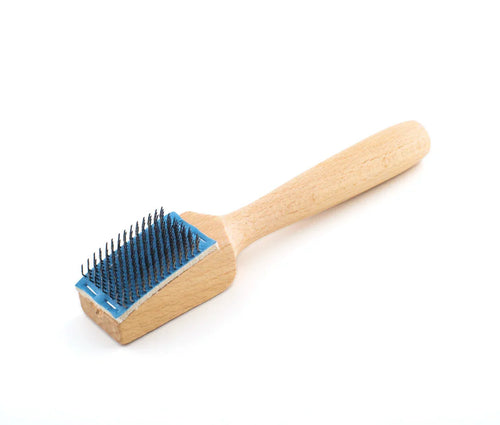
- Suede Soles: These soles attract dirt and dust, making them slippery or, conversely, too stiff. Use a special sole brush (often made of metal) to roughen the suede. This 'sands' away the built-up layer of dirt and restores the texture of the suede, giving you optimal grip again. Always brush in one direction. I recommend doing this before or after every dance session. For other types of shoes, such as shoes from Dance Naturals, similar sole maintenance often applies.
- Leather Soles: These are generally lower maintenance. Ensure they stay clean and avoid contact with water.
Think also of your feet themselves; using products such as Bunheads toe protectors can help keep the inside of your shoes cleaner through sweat absorption while simultaneously protecting your feet.
Storage & When to Replace
How you store your shoes is just as important as how you clean them. What I often see is people leaving their shoes in plastic bags; this is a no-go! Always let your shoes air out well after use and store them in a breathable shoe bag or in a place where air can circulate. Do not cram them into an overstuffed bag; this can affect the shape and reduce support.
Even with the best maintenance, there comes a time when your shoes need to be replaced. Look for signs such as:
- The sole is completely worn out or can no longer be brushed.
- The structure of the shoe is deformed and no longer provides good support, which is crucial for your ankle and foot health.
- There are tears or severe wear spots that can no longer be repaired.
- You feel that you have less grip or that the cushioning has disappeared, which can lead to injuries.
Remember, your shoes are your foundation. A well-maintained pair of dance shoes is essential for your performance and well-being on the dance floor.
Frequently Asked Questions
What makes Capezio such a well-known brand in the dance world?
Capezio has been known for more than a century for its innovative and high-quality dance products. The brand has a rich history, starting in 1887, and has since grown into a world leader. Dancers of all levels trust Capezio for durability, comfort, and style. They pioneered many dance shoe designs and continue to set the standard for dancewear and accessories, making them a favorite among professionals and students.
Why is Capezio considered an 'iconic' dance brand?
Capezio's iconic status stems from its deep roots in dance history and constant innovation. The brand has dressed and supported generations of dancers, from ballet legends to Broadway stars. They were pioneers in developing specialized dance shoes and clothing, and their heritage is interwoven with the evolution of dance itself. This long history of quality and influence has secured them a lasting place in the hearts of dancers.
What types of dance shoes does Capezio offer?
Capezio offers an extensive range of dance shoes for almost every dance style. This includes ballet pointe shoes, soft ballet shoes, jazz shoes, tap shoes, character dance shoes, and modern dance shoes. They also have a wide choice of sneakers and special dance shoes for, for example, ballroom and latin. Each type is designed with the specific needs of the dance style in mind, aimed at optimal performance and comfort.
Are Capezio dance shoes only suitable for professional dancers?
Absolutely not! Although Capezio is the choice of many professionals, the brand offers a wide range of products for dancers of all levels. From beginners who need their first ballet shoes to advanced students and amateurs. The focus is on quality and support, regardless of experience level. This allows everyone, from hobbyist to career dancer, to benefit from the expertise and comfort of Capezio.
How does Capezio compare to other well-known dance shoe brands?
Capezio distinguishes itself through its long history of innovation and consistent quality. While there are other excellent brands, Capezio is known for its wide range and the reliability of its products. They compete with brands such as Bloch and Grishko, but many dancers choose Capezio because of the trusted fit, durability, and the extensive range of models for various dance styles, often with a focus on comfort and support.
What are "Dance Naturals" and how do they fit with Capezio?
"Dance Naturals" is another renowned brand, especially known for high-quality ballroom and latin dance shoes. Although it is a separate brand, both Capezio and Dance Naturals share a commitment to quality, comfort, and performance for dancers. Sometimes they are mentioned in the same breath as top choices for specific dance genres. Capezio focuses more broadly, while Dance Naturals is specialized in the social dance world, but both stand for top quality.
Where can I buy original Capezio dance shoes?
Original Capezio dance shoes are available at specialized dance shops, both physical and online. It is recommended to buy from authorized retailers to be sure of authenticity and the best service. Many large dance webshops carry the brand, and on the official Capezio website, you can often find a store locator. Make sure you choose the right size by fitting if possible or carefully consulting the size charts.
What I especially want to give you after our exploration of Capezio is the undeniable value of a solid foundation. Dancing is so much more than just movement; it is an expression of your soul, a discipline that requires dedication, and a joy that you find nowhere else. The beauty of a brand like Capezio is that it has been supporting the dreams of dancers for generations with shoes that are not only beautiful but also offer unparalleled comfort and durability. They understand that every jump, every turn, and every step counts, and that your shoes should carry you, not hinder you.
Invest in that foundation, because your feet are your instrument. Whether you seek the classic elegance of Capezio or the specific fit of another top brand, the right choice makes a world of difference. I encourage you to find the perfect match yourself that takes your dance journey to a higher level. You can view our extensive Capezio collection to discover your ideal pair. And if you are curious about other brands known for their superior comfort and craftsmanship, then our Dance Naturals collection is definitely worth considering. Remember: your passion deserves the very best. Give your feet the support they deserve, and let yourself be fully immersed in the magic of dance.


