

Table of Contents
- Why Accessories Are Important
- Essential Dance Accessories
- Leg Warmers & Warm-ups
- Hair, Jewelry & Makeup
- Dance Bags & Storage Tips
- Care & Maintenance of Accessories
- Accessories for Every Dance Style
- Frequently Asked Questions
You would think that a dance lesson starts with the music, right? Well, as an instructor who has been on the floor for more than two decades, I know better. Often it starts at the door, with the look in the eyes of a new student who is just not quite prepared. Or the disappointment when an exercise stagnates, not due to lack of talent, but simply because the right equipment is missing. I've seen it so often: a student wondering why her muscles get cold so quickly, or someone struggling to cram all her gear into an overcrowded gym bag.
That's why I've put together this guide: a complete checklist for dance accessories that every dancer needs, from beginner to advanced. It goes beyond just the right shoes. We dive into the indispensability of, for example, good leg warmers for warm-ups and injury prevention, and how a functional dance bag makes your life a lot easier. This is the knowledge I've gathered over the years, straight from the dance floor to you. Because when you're well-prepared, you can focus entirely on what it's really about: movement, expression, and the joy of dancing.
Why Accessories Are Important
In my years of experience on the dance floor, both as a dancer and a teacher, I notice time and again that the focus is often entirely on the steps and technique. And don't get me wrong, that is essential! But what I often see is that the importance of good dance accessories is underestimated. It might seem like it's 'extra', but in practice, these items are just as crucial for your dancing pleasure, your safety, and even your performance.
Safety and Comfort: The Foundation for Every Dancer
A common mistake, especially among beginners, is thinking that 'regular' sportswear is enough. But dance places specific demands on your body and your equipment. Think about the warm-up. What I often see is dancers starting intensive stretches immediately without properly preparing their muscles. This is asking for trouble. Good leg warmers, for example, are not just a fashion statement. They help keep the muscles in your legs and ankles warm longer, which promotes blood circulation and significantly reduces the chance of injuries, such as strains or stiffness. Especially in ballet or modern dance, where you work a lot with the floor and put heavy strain on your joints, this is indispensable. It's about your body functioning optimally and being protected so that you can concentrate fully on your movements.
Comfort is another pillar. If you're constantly pulling at your clothes, wiping hair out of your face, or worrying about sagging socks, your focus is gone. A good fit and materials that breathe and move with your body are therefore of great importance. Nothing is as frustrating as a shirt that creeps up during a lift or pants that restrict your freedom of movement. I always advise my students to invest in clothing specifically designed for dance, as it takes the dynamics and intensity of movements into account.
Optimal Performance and Organization
Besides safety and comfort, accessories play a direct role in your performance and the practical side of dancing. Take your hair, for example. During fast pirouettes, jumps, or partner work, loose hair can be a huge distraction and even dangerous. A tight bun or braid, supported by the right women's hair care accessories such as sturdy elastics and hair nets, ensures your vision remains clear and you can focus entirely on your technique. You don't want to have to wipe hair out of your face in the middle of a choreography; that breaks your concentration and rhythm.
And then there's the logistics of dancing. A dance lesson or rehearsal requires more than just your dance shoes. Think of water, a towel, spare clothes, maybe some snacks, your phone, and of course your accessories themselves. A good women's dance bag is then not a luxury, but a necessity. What I often see is people cramming everything into a regular backpack, causing items to get damaged or hard to find. A special dance bag often has handy compartments for shoes, wet clothes, or small items, keeping everything organized and protected. It saves you time and stress, so you can start and end your lesson relaxed.
Confidence and Expression
Finally, there's the aspect of confidence and expression. When you feel good in what you're wearing and you know you're well-prepared, you radiate that on the dance floor. The right accessories can help you accentuate your character or the style of the dance. Whether it's an elegant hairnet for ballet, or a striking headband for a hip-hop class; they contribute to the complete picture. It's not just about functionality, but also about how you present yourself. A dancer who feels comfortable and confident moves more freely and can better surrender to the emotion of the music. This translates directly into a more powerful and authentic performance. In short, do not underestimate the power of the right dance accessories. They are the silent heroes that help you get the most out of every dance experience.
Essential Dance Accessories
As an experienced dancer and teacher, I often see that the focus for beginners (and sometimes advanced dancers too) is almost entirely on the dance shoes. Understandable, because shoes are the foundation. But what I notice in practice time and again is that the right dance accessories are just as crucial for your comfort, performance, and even for preventing injuries. It goes beyond just 'looking nice'; it's part of your preparation and professionalism. Let's look at which accessories are truly indispensable in your dance bag.
Preparation and Protection: The Role of Warmth and Support
A common mistake is underestimating a good warm-up and keeping your muscles warm. Especially in colder studios or during long rehearsals, this is essential. I have seen so often how a sudden movement in cold muscles leads to a nasty injury. This is where leg warmers come in. They are not just a fashion statement; their primary function is retaining body heat, specifically around the calf muscles and the Achilles tendon. This helps stimulate blood circulation and keep the muscles supple, significantly reducing the chance of strain or cramping. Think of the delicate balance we ask of our calf muscles in, for example, jumps or pointework in ballet, or the fast footwork in salsa where you are constantly balancing on the ball of your foot. Well-warmed muscles are more flexible and responsive, which directly benefits your technique.
- Leg warmers: Keeps muscles warm, promotes flexibility, and prevents injuries. Ideal for warm-up and cool-down.
- Knee pads: For floor work in modern dance, breakdance, or even some lyrical styles, knee pads are indispensable to prevent abrasions and bruises.
- Ankle or wrist bands: Sometimes needed for extra support at specific weak spots, especially after an injury.
Practical Convenience: Everything at Hand
As a dancer, you are often on the go. From one lesson to another, from rehearsal to performance. A good dance bag is then not a luxury, but a necessity. What I often see is people arriving with a regular sports bag, but a specialized dance bag often offers just that extra functionality you need. Think of separate compartments for shoes (so sweat and dirt don't get near your clean clothes), ventilation openings, and enough space for all your essentials. It's about being organized and being able to access your gear quickly, without having to rummage through a whole mountain of clothes.
- Dance bag: Spacious, organized, with separate compartments for shoes, clothing, and accessories.
- Water bottle: Hydration is crucial. Always have a filled bottle with you.
- Small towel: For sweat, or to quickly dry the floor.
- Basic First Aid kit: Band-aids, sports tape, disinfectant wipes. A small blister can ruin your whole lesson.
Personal Care and Presentation: The Finishing Touch
Your presentation on the dance floor is important, not only for performances but also in class. A neat appearance shows respect for your teacher and fellow students, and ensures you aren't distracted by loose hair or uncomfortable clothing. Hair accessories are a perfect example here. Loose hair can not only get in the way and block your vision but also be dangerous during fast turns or partner work. A tight bun or ponytail, well-secured with pins and a hairnet, ensures you can concentrate fully on your movements. This is especially relevant in styles such as ballet or ballroom, where a groomed appearance is an integral part of the aesthetics.
- Hair pins and hair nets: Keeps hair tight and out of your face for safety and focus.
- Hair spray/gel: For a long-lasting tight hairstyle, especially during intensive choreographies.
- Deodorant and small toiletry bag: Freshness after class is pleasant for yourself and others.
- Spare clothes: An extra set of dance or regular clothes is always handy for after a sweaty class.
By having these essential dance accessories standard in your dance bag, you are always optimally prepared, regardless of the lesson or situation. It's the small things that make a big difference in your dance journey.
Leg Warmers & Warm-ups
As a dancer, I know from experience how crucial a good warm-up is. It's not just a formality before class begins; it's the foundation for your performance and, more importantly, for preventing injuries. What I often see, especially with enthusiastic beginners, is that they want to start immediately with complex movements. But believe me, your muscles need time to reach the right temperature. This is where leg warmers and other warm-up clothing items play an indispensable role.
Leg warmers are much more than just a fashion accessory. Their primary function is retaining heat in the muscles, particularly in the calves, hamstrings, and Achilles tendons. By keeping these muscle groups warm, you increase blood circulation, which promotes the elasticity of your muscles. Cold muscles are stiff and much more vulnerable to strains or tears. Think of the moment you do a plié or a développé; you want your muscles to move smoothly, not work against you. In practice, I notice an immediate difference when I wear my leg warmers during the first ten to fifteen minutes of a class. My body feels looser and I can go deeper into my movements.
Choosing the Right Leg Warmers
There are different types of leg warmers, and the choice often depends on your personal preference and the type of dance you practice. I personally prefer soft, knitted versions that fit well without pinching. They should be easy to slide up or down so you can adjust them to the warmth of the studio or your own body temperature. For ballet dancers, you often see wool or acrylic leg warmers that reach above the knee, sometimes even to the thighs, to support the entire leg muscle chain. For modern or jazz, you sometimes see shorter versions that focus more on the calves. You can find an extensive collection on our page with leg warmers, where you are sure to find something that fits your style.
More than Just Leg Warmers: The Full Warm-up Outfit
In addition to leg warmers, there are other clothing items that contribute to an effective warm-up. Think of a tight long-sleeved top, a cardigan, or even 'trash bag' pants – yes, those crinkly pants you often see on professional dancers! These items help increase your body's core temperature and stimulate perspiration, which is essential for loosening the muscles. A common mistake is taking off too much clothing too quickly. It's better to wear layers and remove them gradually as your body gets warmer. I always keep my extra layers and my water bottle in a spacious dance bag, so I have everything at hand before, during, and after class.
Don't forget the importance of your hair during intensive training. Loose hair can be distracting and even dangerous during fast turns or jumps. I often see students who quickly tie their hair together with an elastic that isn't strong enough, after which it comes loose halfway through the class. Good preparation also includes securing your hair firmly, for example with a bun or a tight braid, and using quality hair care products to keep your hair in place, even during the most dynamic choreographies.
Ultimately, a successful warm-up is about consistency and listening to your body. Leg warmers and other warm-up garments are tools that support you in this, but the real magic happens when you consciously take time to prepare your muscles for the effort to come. Invest in good quality and make it a permanent part of your dance routine; your body will thank you.
Dance Bags & Storage Tips
As an experienced dancer, I know from practice how essential a good dance bag is. It goes further than just carrying your gear; it's your mobile dressing room, your first aid station, and your point of rest all in one. A well-organized bag saves you precious time and energy, so you can focus entirely on what's really important: the dancing itself. I often see beginners cramming their things into a random sports bag, leading to frustrated searches for a missing hair tie or wet shoes from a leaking water bottle. That's a shame, because with a little planning and the right gear, you can prevent this.
Choosing the Right Bag
The first step to an organized dance routine is the bag itself. What I often see is dancers underestimating how important it is to have a bag that truly fits their needs. Consider the frequency of your classes, the amount of gear you carry, and how you travel. If you go by bike, a backpack with separate compartments might be more convenient than a large duffel. If you travel by car and have many costumes, a spacious duffel with a separate shoe compartment offers more utility. A good dance bag truly makes a difference in your daily routine because it helps you keep everything organized and protected. Look for bags with multiple compartments: a ventilated compartment for shoes, a waterproof compartment for wet clothes or a water bottle, and smaller pockets for accessories. This prevents your clean clothes from getting dirty from your dance shoes or your makeup from rolling around your bag.
Efficient Packing: My Practical Tips
Once you've found the right bag, it comes down to packing. This is where the most gain can be made. A common mistake is throwing your used dance shoes loose in your bag, causing odor and dirt to spread quickly. Always use separate shoe bags – a simple cloth bag already works wonders. For clothing, it's smart to roll up clean clothes to save space and reduce wrinkles. Always take an extra set of dance clothes with you, in case you have to stay longer or if you unexpectedly have to perform elsewhere. I always make sure I have a set of leg warmers with me, especially if I know I have to work on the floor a lot or if the studio is a bit cooler. This helps not only to keep my muscles warm but also to prevent minor injuries.
Don't forget the small but essential items. I've seen countless times a dancer panic because a hair tie snapped before an important performance. Think of your hair too; a few extra elastics, pins, and a good brush from our hair care collection can save you during a sudden audition or performance. A small first aid kit with band-aids, disinfectant, and painkillers is also not a luxury; blisters and small scrapes are simply part of dance life.
Here is a checklist of what I always have in my dance bag:
- Dance shoes (always in separate, ventilated bags)
- Clean dance clothes (pants, top, possibly extra)
- Warm-up gear (e.g., leg warmers, cardigan, or hoodie)
- Water bottle and a small, energy-giving snack (nuts, banana)
- Small towel (for sweat or to dry off)
- Basic First Aid kit (band-aids, disinfectant wipes, painkiller)
- Hair accessories (elastics, pins, brush)
- Deodorant & small toiletry bag with personal care products
- Phone, wallet, keys (in a separate, easily accessible pocket)
By packing your bag consistently and thoughtfully, you create peace of mind. You know exactly where everything is, you are prepared for unexpected situations, and you can put your energy into improving your technique instead of searching for your gear. An organized bag is a reflection of an organized mind, and that is something that benefits every dancer.
Care & Maintenance of Accessories
As a dancer, I know from experience that your accessories are just as important as your technique. They support you, protect you, and contribute to your appearance. But what I often see is that their care sometimes gets neglected. Yet proper maintenance is essential, not only for the lifespan of your gear but also for your hygiene and even your performance. A well-cared-for accessory is a reliable partner on the dance floor.
Your Dance Shoes: Your Most Important Instrument
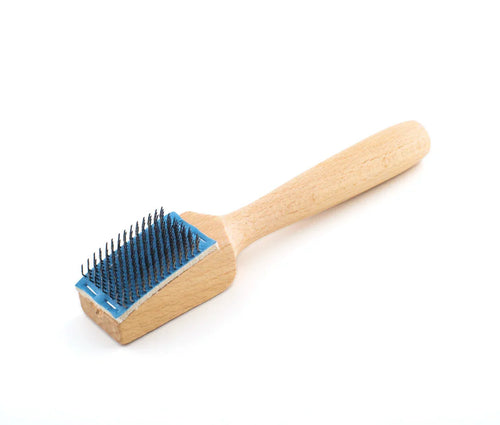
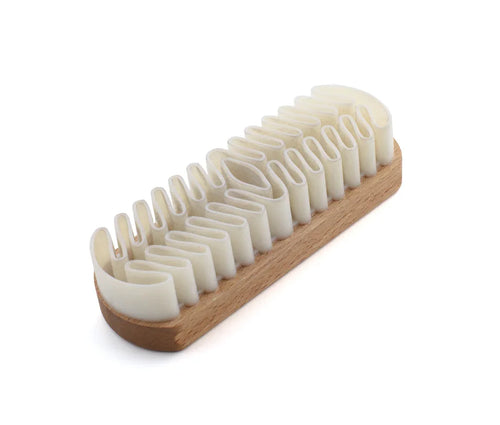
Your dance shoes are perhaps the most crucial part of your equipment. They take the most impact and provide the connection to the floor. A common mistake is just throwing them in your bag after class. Don't do this! Suede soles, often seen on ballroom or salsa shoes, must be roughened regularly with a special brush. This restores grip and extends lifespan. Avoid water on suede, as it can cause permanent stains and affect the structure.
In practice, I always ensure my shoes can air out properly after every training. Take them out of your dance bag and leave them in a dry, ventilated spot. You can also put shoe fresheners or sachets with baking soda in them to counteract odors. Also, regularly check the heels and straps for wear. A loose heel can lead to an unexpected fall, and you absolutely want to prevent that during an intense choreography.
Textiles: Leg Warmers, Clothing, and More
Think of your leg warmers, socks, elastic bands, and other textile accessories. These absorb sweat and therefore need to be washed regularly. But beware: not everything can just go in the washing machine at 60 degrees!
- Washing temperature: Most dance clothing and leg warmers are made of synthetic materials like lycra, spandex, or acrylic. Always wash these at a low temperature (maximum 30 degrees Celsius) and preferably on a delicate cycle. High temperatures can affect elasticity and cause colors to fade.
- Drying: Avoid the dryer! The heat can damage fibers and cause shrinkage. Better to hang your textile accessories to air dry.
- Sweat odor: If you notice a stubborn sweat odor lingering in your clothes, you can add a splash of vinegar to the detergent drawer. This neutralizes odors without damaging the fabric.
Your Dance Bag and Hair Accessories: The Small Details
Your dance bag is your mobile dressing room and storage space. It's a place where everything comes together: from sweaty clothes to your clean leotard. What I often see is that bags are rarely cleaned inside. Take the time weekly to empty your bag, shake it out, and possibly wipe it down with a damp cloth. This prevents the buildup of bacteria and unpleasant odors. A well-organized bag also saves you precious time before class.
And then your hair accessories. Pins, elastics, hairnets – they seem small and unimportant, but a loose bun during a pirouette can be hugely distracting. Sweat and hair products can build up on your hair accessories. What I do is regularly hand wash my elastics and pins with mild soap. Hairnets can be rinsed after use and left to dry. Store them neatly in a separate pouch in your dance bag to prevent them from getting lost or dirty.
In short, a little extra attention to your dance accessories pays off double in comfort, hygiene, and the lifespan of your gear. See it as an investment in your dance passion!
Accessories for Every Dance Style
As a dancer, you know it's not just about talent and technique, but also about the right preparation. The accessories you choose are not a luxury, but essential tools that influence your performance, comfort, and even your safety. What I often see is that beginners focus mainly on clothing and shoes, but overlook the smaller, seemingly unimportant items. In practice, these very accessories make a world of difference, regardless of whether you dance classical ballet, hip-hop, or salsa.
Warmth and Protection: Essential for Your Body
For disciplines like ballet, modern dance, or even Pilates and yoga, keeping your muscles warm is crucial. A common mistake is starting complex movements immediately without your body being properly warmed up, especially in a colder studio. This significantly increases the risk of injury. This is where the right accessories play a protective role:
- Leg warmers: I cannot emphasize enough how important these are. They help stimulate circulation and keep the muscles, tendons, and joints in your lower legs – think calves, Achilles tendon, and ankles – at the right temperature. This is not only comfortable but also essential to prevent strains or tears, especially during pliés and relevés. Our collection of leg warmers offers various styles and materials perfect for every dancer.
- Knee pads: For modern dancers and choreographers who do a lot of floor work, knee pads are indispensable. They provide cushioning and prevent abrasions or bruises during movements like slides, rolls, or kneeling poses. Without proper protection, rehearsals can become painful and even lead to long-term irritation of the kneecap.
- Ankle bands/Tapes: Especially after an injury, or as a preventive measure during intensive jumps and turns, extra ankle support can be useful. Stabilizing the ankle joint gives you more confidence and reduces the chance of sprains.
Organization and Presentation: Keep Everything Under Control
Outside the studio, and even within it, there are accessories that make your dance life a lot easier and more organized. Think of the logistics of transporting your gear and ensuring a groomed appearance.
- Dance bags: A good dance bag is more than just a sack; it's your mobile dressing room. What I often see is dancers cramming their gear into a regular sports bag, leading to wrinkled clothes, dirty shoes rubbing against clean items, and an endless search for that one hair pin. A special women's dance bag with separate compartments for shoes, wet clothes, water bottle, and small accessories is an investment that pays for itself in convenience and hygiene. After all, you don't want your leotard to smell like your used pointe shoes.
- Hair accessories: An updo is not just an aesthetic choice, but also a functional one. I have often seen that loose hair during fast pirouettes, lifts, or even a simple chassé not only distracts but can even be dangerous. Good hairnets, sturdy elastics, and pins from our women's hair care collection ensure your hair stays perfectly in place, from the first plié to the last bow. This is essential for your vision, your focus, and your overall presentation, especially at auditions or performances where the smallest details count.
- Water bottle and Towel: This might sound obvious, but I still see dancers forgetting these basic needs too often. Hydration is crucial for muscle function and endurance, and a small towel prevents sweat from dripping and causing you to lose grip, or unnecessarily dirtying the studio floor.
The right dance accessories are therefore not an afterthought, but an integral part of your dance equipment. They contribute to your safety, your comfort, and ultimately the quality of your dance. Choose wisely, and you will notice that you can move more freely and with more pleasure.
Frequently Asked Questions
Which dance accessories are absolutely essential for every dancer?
For every dancer, comfortable dance shoes, a suitable dance bag, and clothing that offers freedom of movement are of crucial importance. In addition, items such as hair accessories to keep your hair out of your face, and a water bottle to stay hydrated, are indispensable. These basic dance accessories ensure a safe and enjoyable dance experience, regardless of your dance style.
Why are leg warmers so important for dancers and when should I wear them?
Leg warmers are essential for keeping the muscles in your legs warm, which helps prevent injuries during training. They are often worn during the warm-up and between exercises, especially in colder studios. They promote blood circulation and keep your muscles supple, allowing you to stretch and move better. This makes leg warmers a valuable part of your dance accessories.
What should I look for when choosing a dance bag?
When choosing a dance bag, functionality is key. Look for a bag with enough compartments for your shoes, clothes, water bottle, and other dance accessories. A durable, lightweight, and easy-to-clean material is ideal. Also consider the size; it should be able to hold all your essentials without being too awkward to carry. A good dance bag organizes and protects your gear.
Are there specific dance accessories recommended for different dance styles?
Absolutely. Ballet dancers often need pointe shoes, toe spacers, and ribbons. For modern dancers, knee pads are useful, while hip-hop dancers wear comfortable sneakers and possibly wristbands. Belly dancers sometimes use hip scarves with coins. While many dance accessories are universal, there are specialized items that optimize performance and safety within specific styles.
How do I ensure my dance accessories last a long time?
To extend the life of your dance accessories, proper maintenance is essential. Clean your dance bag regularly and air out your dance shoes after each use. Wash leg warmers and clothing according to the instructions on the label. Store delicate items like pointe shoes in a dry, ventilated place. By handling your gear carefully, you prevent rapid wear and save money in the long run.
Besides clothing and shoes, which non-clothing dance accessories are crucial?
Besides clothing and shoes, there are various crucial non-clothing dance accessories. A water bottle is indispensable for hydration. A small towel can be handy for wiping away sweat. Hair accessories like elastics, pins, and hairnets keep your hair out of the way. Possibly a notebook and pen for choreography notes. These items contribute to comfort and focus during your dance lessons and rehearsals.
How often should I replace my dance accessories, such as elastics or leg warmers?
The frequency of replacement depends on use and wear. Elastics and hairnets can quickly stretch out or break and should be replaced as soon as they lose their function. Leg warmers last longer, but if they become thin, get holes, or lose their elasticity, replacement is recommended. Listen to your accessories; if they no longer provide comfort or support, it's time for new ones.
Are there budget-friendly options for dance accessories without sacrificing quality?
Yes, certainly! For budget-friendly dance accessories, you can look for offers, outlet sales, or second-hand options for less critical items like a dance bag. Basic leg warmers and hair accessories are often affordable. Prioritize quality for essential items like dance shoes, but for other necessities, there are often good alternatives to be found that are functional without breaking the bank. Compare prices and read reviews.
The beauty of dancing is that it is so much more than just movement; it is expression, discipline, and pure joy. What I especially want to give you after going through this checklist is that the right preparation makes the difference. Think of the importance of warmth and injury prevention, for which the right clothing and accessories are indispensable. The warmth and style of leg warmers, for example, are essential for every warm-up and cool-down.
And don't forget the convenience of a well-organized dance bag; it's your best friend, so all your essentials are always within reach. These are the details that increase your focus and comfort on the dance floor. Remember above all: every accessory is a small but valuable investment in your dance journey. Don't be distracted by missing gear, but focus on the magic of the movement. Your dedication deserves the best support. Go for it, shine, and enjoy every step!


