Children's Dance Exams: The Ultimate Guide and Tips

Table of Contents

Trembling knees and last-minute panic over a forgotten hairnet; I see it every year in the dressing rooms as soon as the exam date approaches. A dance exam for children is an official assessment moment where an external jury evaluates a student's technical skills, musicality, and stage presence based on a set curriculum. In my years in front of the class, I have noticed that the right preparation makes the difference between a nerve-wracking experience and a moment of pure pride on stage.

Whether it's the first graceful steps in ballet for children or an energetic modern exam, the details determine success. I always advise parents to check children's dance shoes at least three weeks in advance; nothing is as annoying as a pinching sole or a slippery bottom during an important pirouette. Dance for kids is about self-confidence, and that begins with a good mastery of the practice material and the right equipment. In this guide, I share my practical experience and concrete tips on dress codes, presentation, and mental peace, so your young dancer appears before the jury with a smile and full of self-confidence.

Starting the Preparation

In practice, I often see that exam nerves only really hit in the last two weeks. That is exactly the moment when technical errors become ingrained because a student starts forcing it. Good preparation for an exam in ballet for children or other dance forms ideally starts three to four months in advance. It’s not just about remembering the steps, but about building muscle memory. When a child is nervous during the exam, the body must take over without the head having to think about which foot comes first.

The right foundation and equipment

A common mistake I see in the dance studio is practicing on worn-out footwear or shoes bought 'to grow into'. For an exam, precision is everything. In classical ballet, the teacher must be able to see the action of the foot; from stretching the instep to correctly placing the heel during a plié. Shoes that are too large cause a child to 'claw' with their toes to maintain grip, which ruins the line of the leg and disturbs balance. For the youngest dancers, well-fitting ballet shoes for children are essential to perform technique purely. In more modern styles or jazz, I also often see students appearing in ordinary sneakers. In practice, a normal sneaker does not offer the flexibility needed for a deep lunge or a pirouette. Specially designed dance sneakers for children have a split sole that makes it possible to articulate the foot fully, while still providing the necessary cushioning for jumps. This prevents unnecessary strain on the shins and knees during those extra hours of rehearsal.

Technique and repetition

What I often advise is to focus on the overgangen between movements. Anyone can hold a static position, but the jury specifically looks at the way to get there. Pay attention to the following points during training, for example:
  • Back posture: Ensure the ribcage remains closed and the shoulders are low, even during the most complex arm movements (port de bras).
  • Turnout: This must always come from the hips, not from the knees or ankles. This is an anatomical detail that often goes wrong during fatigue.
  • Focus and eye line: A dancer looking at the ground immediately loses connection with the jury. Practice 'spotting' during turns early in the process.
In exams that include a character dance component, such as in the RAD methodology, the transition to a shoe with a heel is often a challenge for motor skills. The student's center of gravity shifts forward. It is therefore wise to get used to specific character shoes for children early in the season. The sooner the student feels comfortable with the extra height and weight of the shoe, the more natural the folk dance steps will look during the final assessment. Dance for kids is ultimately about fun, but that fun stems from the self-confidence you have when you fully master your technique.

Choosing the Right Dance Shoes

In the lead-up to a dance exam, I often see the focus lying entirely on remembering the choreography and technique. Although that is of course the core, the foundation is literally often forgotten: the feet. In practice, the choice of shoe is decisive for how a child presents themselves on stage or in the exam room. A shoe that is too big "because they still have to grow into them" is one of the most common mistakes I encounter. During an exam, this hinders the articulation of the foot, making it difficult for the examiner to see if the instep is fully stretched. In ballet for children, the fit of the shoe is essential for proprioception, or the feeling of the foot with the floor. What I often see in young dancers is that they 'claw' with their toes in an attempt to maintain grip in a shoe that is too loose. This disturbs the entire alignment of the leg. For the youngest groups, I usually recommend leather soles for extra resistance, while advanced students often benefit from a split-sole for a nicer line. Ensure that the ballet shoes for children fit snugly like a second skin, without constricting the toes.

Specifications for Different Disciplines

Not every exam requires the same support. In classical ballet methods such as the RAD (Royal Academy of Dance), there is a specific part where character dance is central. Here, the correct heel height and sole stiffness are crucial for the performance of the folkloric steps. A common mistake is wearing shoes that are too heavy, which makes the footwork clumsy. These specific character shoes must provide enough support at the heel so that the child stands stable during the characteristic heel-toe movements. For modern dance, jazz, or hip-hop exams, different rules apply. Here, it is often about explosiveness and cushioning. When landing jumps, a child's joints take quite a beating. In the studio, I notice that students dancing in ordinary sneakers suffer from their shins or knees more quickly. Good dance sneakers for children have a pivot point under the ball of the foot, which prevents knee injuries during quick turns on a high-friction floor.

Practical Tips for the Exam Day

Good preparation does not stop with the purchase. Here are a few things I always tell my students just before their exam:
  • Break in the shoes: Have your child wear the shoes during lessons at least two weeks before the exam. New shoes can be slippery or pinch, and that is the last thing they should think about during their exercises.
  • Check the elastics: Nothing looks as untidy as a hanging ribbon or an elastic that snaps halfway through the exercise. Always sew elastics on firmly and do not rely solely on the knots of the drawstrings.
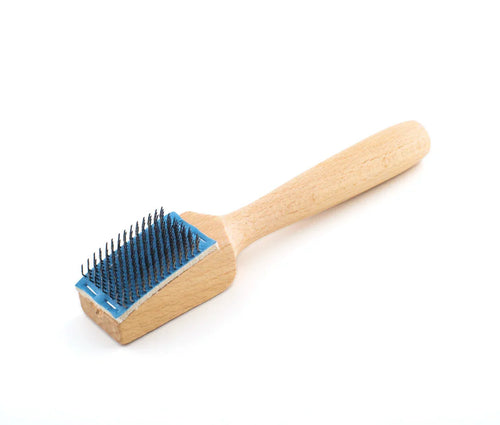
  • Clean the soles: A slippery sole can lead to insecurity. Use a wire brush for suede soles to restore grip, so your child can start the big jumps with full confidence.
  • Check the color: Many exam regulations state exactly what color shoes and tights must be worn. Often this is pink or flesh-colored for ballet, but always double-check this with the teacher to prevent point deductions for presentation.
Ultimately, it's about the shoe becoming an extension of the body. If a child doesn't feel like they are wearing shoes, they can concentrate fully on the artistic performance and musicality, and that is exactly what an examiner wants to see.

Practicing Technique and Ballet

When working towards an exam, I often see the focus shifting entirely to the choreography, while technique is precisely the foundation the jury looks at. In practice, it doesn't matter how high a leg goes if the basics, such as the placement of the hips and the stretch of the foot, are not correct. A common mistake in ballet for kids is forcing the turnout (en-dehors) from the knees or ankles instead of from the hips. This not only looks untidy but also increases the risk of injuries. What I often see is that students forget to use their whole foot while practicing their tendus and jetés. The transition from a flat foot to a full stretch must be fluid. To feel this properly, the material on the feet is decisive. Quality ballet shoes for children that fit snugly around the instep help a dancer to really 'feel' the floor and activate the correct muscle groups in the foot.

Focus on the Barre and Body Posture

The barre exercises during an exam are not just for warming up; they show the jury whether a child has control over the vertical axis of the body. A tight core is essential here. In the studio, I often use the metaphor of an invisible string pulling the dancer up by the crown of the head, while the shoulders remain low and wide. A specific part that often returns in exam curricula is character dance or national dance style. This requires a completely different dynamic and footwork than the classical part. In practice, I see that children sometimes have difficulty with the transition to heavier heel work. It is therefore important to switch footwear on time during rehearsals. Wearing the correct character shoes for children ensures that the child gets used to the heel height and weight, which is essential for the correct execution of stamps and the characteristic 'heel-toe' movements.

Practical Tips for Daily Training

To really get the technique into muscle memory, consistency is more important than training for hours at a time. Short, focused sessions often work better for a child's concentration. Here are some concrete points to watch for during practice:
  • Check the alignment of the knee over the second toe during every plié to prevent the arch of the foot from collapsing.
  • Practice the port de bras in front of a mirror and ensure the movement comes from the back muscles, not just from the elbows.
  • Pay extra attention to 'spotting' during pirouettes; sharp focus prevents dizziness and ensures a neat landing.
  • Ensure the right equipment during different lessons; for modern dance or jazz components within an exam, flexible dance sneakers for children are ideal to absorb the impact of jumps and support the ankles.
Finally, what I often tell my students: technique is a tool to be able to dance more freely. When basic movements, such as pelvic posture and tension in the legs, become automatic, space for expression and musicality is created during the exam. That is the moment when a dancer truly stands out in the eyes of an examiner.

Mental Peace and Focus

In practice, I often see that the greatest challenge during an exam is not the technique, but what happens between the ears. A student can turn a perfect pirouette during the weekly lesson, but as soon as the music starts for the examiner, the heart rate spikes and muscles tense up. This directly affects proprioception: the body's ability to perceive the position of joints and limbs. When a child is stressed, breathing often sits too high in the chest, resulting in disturbed balance and less control over core muscles. A common mistake is underestimating the psychological effect of the right equipment. If a child feels like a 'real dancer', that immediately reflects on their self-confidence and focus. For the younger groups taking their first steps in the ballet world, it helps enormously to wear familiar ballet shoes for girls that have already been well broken in. Nothing distracts more from an exercise at the barre than a pinching elastic or a sole that suddenly feels different on a strange floor.

The power of a fixed routine

What I often see in successful students is that they have developed a fixed routine that starts as soon as they step into the dressing room. Putting on dance clothes is like putting on armor; it prepares the mind for the performance. In practice, it works well to teach children to focus on small, tangible actions.
  • Focus on breathing: Inhale for four counts through the nose and exhale for six counts through the mouth just before the exercise begins. This calms the nervous system.
  • Visualize the exercise: Have them 'dance' the most difficult combination in their head with their eyes closed, including the correct arm movements (port de bras).
  • Check the material: Tying the ribbons or checking the soles gives a sense of control over the situation.
In exams where rhythm and presentation are central, such as in character dance, I see that children often become nervous about the specific sound they make. It is essential that they can blindly trust their footwork. Good character shoes for children give that specific, clear click on the floor needed for the correct rhythmic precision. If the sound is right, mental peace often follows naturally.

Dealing with mistakes during the exam

A crucial part of mental focus in **dance for kids** is how they deal with a mistake. In practice, I see that a child who misses a step often gives up on the rest of the combination because they stay stuck in their head about that one miss. I always teach my students the 'three-second rule': you may be upset in your head for three seconds, after that you must be fully back in the here and now for the next exercise. For more modern disciplines or jazz dance, where choreographies are often faster and more dynamic, physical comfort is directly connected to mental peace. If a child is afraid of slipping during a fast transition to the floor, the focus will never be 100% on the performance. Therefore, I often recommend the use of flexible dance sneakers for children for these exams. The extra grip and cushioning take away the fear of injuries, creating space in the mind for expression and musicality. Remember that an examiner not only looks at technique, but especially at how a dancer recovers and continues to communicate with the audience, even if things don't go perfectly for a moment.

Tips for the Exam Day

The day of the exam is finally here. In practice, I notice that the atmosphere in the dressing room often sets the tone for the performance in the studio. What I often see is that the nerves of the parents unconsciously transfer to the children. My most important advice is therefore: keep calm. A common mistake is waiting until the morning itself to check if everything is in the bag. Ensure that the bag is ready the night before, including extra tights without ladders and enough hairpins for that tight exam bun.

The right equipment and technique

In the dance world, we often say that your dance shoes are your tools. For a successful exam, they must be in top condition. In ballet for kids, I regularly see students appearing in shoes that are actually already too small, which hinders the 'pointé' of the foot. It is essential that the ballet shoes for girls fit the arch of the foot perfectly, so the jury can properly assess the technique of the instep. Also, ensure that the ribbons or elastics lie flat against the ankle and do not come loose halfway through the exercise.

For disciplines such as street dance or jazz ballet, grip on the floor is crucial. In practice, I see that children in ordinary sneakers often have difficulty making clean pirouettes because the sole offers too much resistance. Specially developed dance sneakers for children often have a split-sole or a pivot point (spin-spot) under the ball of the foot, which helps prevent knee injuries during quick turns. This gives a child just that little bit of extra self-confidence during diagonal combinations.

Presentation and focus for the jury

When the music starts, not only technique counts, but also artistic presentation. The jury looks at the whole: the alignment of the body, the placement of the weight over the ball of the foot, and the focus in the eyes. Here are a few concrete points I always point out to my students:

  • Stay 'on': Even if you make a mistake in the choreography, never stop dancing. The jury greatly appreciates it when a child picks up the thread with a smile.
  • Check your footwear: For specific styles such as folk dance or character dance, the sound and heel height are important. Ensure that the character shoes for children are clean and the heels are not worn out, as this affects your balance during stamping movements.
  • Use the space: What I often see is that children start dancing very small out of fear. Use your full 'épaulement' (the rotation of your shoulders and head) to show the jury that you master the space.
  • Hydration and nutrition: Do not give your child a heavy meal just before the exam, but choose slow carbohydrates. In practice, a banana is the best snack for a quick energy boost without a heavy feeling in the stomach.

Finally, don't forget that an exam is a snapshot. The goal is to show how much you have grown since the last lesson. If a child steps into the studio knowing that the preparation was good and the equipment is right, half the work is already done. A good warm-up in the hallway – think of light stretches and activating the core – helps to have the muscles ready for that first plié before the committee.

Fun in Dance for Kids

In the years that I have been teaching young dancers, I notice that the pressure of an approaching exam sometimes takes over. The focus is then so strongly on technique – the turnout, the stretched feet, and the correct arm positions – that pure fun is pushed aside. But a jury doesn't just look at whether the knees go perfectly over the toes in a plié; they look at the energy and charisma a child brings to the stage. What I often see in young students in ballet for children lessons is that they are so concentrated on their footwork that their face 'freezes'. In practice, however, it works much better to focus on the story they are telling with their body.

Comfort as a basis for self-confidence

Self-confidence begins at the foundation, and I'm not just talking about technique, but also about equipment. A common mistake is children dancing in shoes that are too big "because they still have to grow into them", or conversely, in shoes that are too tight and pinch the toes. This not only hinders blood circulation and the development of foot muscles but also causes insecurity during jumps or quick turns. For styles such as folk dance or the classical character components of an exam, it is essential that the character shoes for children fit the instep well and provide sufficient support to the ankle. In practice, I see that a child who feels safe in their footwear dares to experiment much more with dynamics and weight transfer. If a shoe slips during a 'heel-toe' movement, the student immediately loses concentration on the exercise.

Diversity and the right support

Not every child finds their passion in the strict framework of classical ballet. Sometimes you see a student only truly come to life in urban styles, hip-hop, or modern jazz. For those energetic styles, the anatomy of the foot is extra vulnerable, especially because the impact of jumps on a hard studio floor can be large. In practice, I then often advise looking at footwear with sufficient cushioning. Good dance sneakers for children with a split-sole are ideal here; they offer the necessary protection at the heel and the ball of the foot, while the arch of the foot gets all the space to flex and stretch. To keep the fun in it during exam preparation, I often use these practical tips:
  • Focus on the 'performance': Let children practice at home for an audience of stuffed animals or the dog. This lowers the threshold for the real exam and makes it a game instead of a test.
  • Use imagery: Instead of dry anatomical terms like "pull up your kneecaps", I often say "pull up your invisible long stockings". This appeals to the imagination and makes technique less boring.
  • Stimulate musicality: Have them do the same exercise to a completely different music genre. This way they learn that technique is a means to respond to music, and not an end in itself.
Ultimately, dance for kids is about the balance between discipline and expression. An exam is a beautiful milestone, but the path towards it should mainly consist of discovering what their body can do. If a child steps out of the studio with a smile because a certain jump finally worked, I know that technical mastery for the exam will follow naturally. Fun is the biggest engine behind progress.

Frequently Asked Questions

How do you prepare for a dance exam?

Preparation for a dance exam begins with consistent practice of the choreography and technique. Ensure your child has the right equipment, such as fitting dance shoes for children and the prescribed clothing. Help by filming practice sessions at home so that areas for improvement become visible. Finally, focus on a good night's sleep and a healthy breakfast for optimal concentration and energy during the big day.

How can I teach my daughter to dance better?

To teach your daughter to dance better, a combination of professional lessons in ballet for children and practicing at home is essential. Create a safe space with a smooth floor and a mirror. Encourage her to focus on the basics of posture and balance. Watching professional performances can also motivate. Most importantly, keep it fun and supportive, because passion is the most important engine for progress.

Which dance shoes for children are most suitable for an exam?

The right dance shoes for children depend entirely on the specific dance style. For ballet, leather or canvas shoes with a split sole are ideal to accentuate the foot line. In jazz dance, snug-fitting lace-up shoes or slip-ons are often used. Always consult with the teacher for the specific requirements of the examination board, so your child steps onto the stage with the right grip and maximum flexibility during the assessment.

What should a child wear during a ballet exam?

During an exam for ballet for children, a strict dress code usually applies. This often consists of a specifically colored leotard, pink tights, and clean ballet shoes. Hair must be worn tightly in a bun so that the neckline and posture are clearly visible to the jury. Wearing the correct uniform shows respect for the discipline and helps the examiners to assess technique accurately.

At what age can children participate in dance exams?

Most dance schools offer the first exams for children from about 5 or 6 years old. At this young age, the focus in dance for kids is primarily on sense of rhythm, coordination, and fun, rather than perfect technical execution. As children get older, the difficulty level increases. It is important that a child is physically and emotionally ready to follow the structure of an official exam.

How do you deal with nerves for a dance exam in children?

It is completely normal for children to be nervous before an exam. You can help by keeping the atmosphere positive and relaxed. Practice a mock exam at home to make the situation recognizable. Teach your child simple breathing exercises to stay calm. Emphasize that the goal of dance for kids is to show what they have learned and, above all, to enjoy the performance.

What are the benefits of doing dance exams for children?

Taking dance exams provides children with clear goals, which stimulates discipline and perseverance. Obtaining a certificate gives a huge boost to self-confidence and provides a sense of pride. Additionally, it offers parents an objective measure of technical growth in disciplines such as ballet for children. These milestones lay a strong foundation for both recreational dancers and future professionals in the dance world.

The beauty of dance exams is that it's not just about that one day on stage, but especially about the enormous growth and self-confidence your child builds throughout the process. What I especially want to tell you is that thorough preparation turns nerves into focus and fun. That starts with the right technique, but certainly also with the equipment that provides the necessary support. For the smallest ballerinas taking their first steps, you can take a look at our ballet shoes girls collection for the perfect balance between comfort and grip. Is your child looking for that extra stability for a modern or jazz exam? Then our dance sneakers children collection offers the flexibility needed to shine. Remember above all that the exam is only a snapshot; the passion for dance is what truly lasts. Let your child step into the room with their head held high, knowing that the greatest victory is the joy they get from every movement.

Back to blog
🩰

Ready to shine on the dance floor?

Discover our collection ballet shoes - by dancers, for dancers.

✓ 30 Day Returns ✓ Free Shipping €85+ ✓ 6 Month Factory Warranty
💬 Questions? Message Vanessa on WhatsApp!