

Table of Contents
- Importance of Good Dancewear
- Choosing Materials and Fabrics
- Dancewear per Dance Style
- Finding the Perfect Fit
- Maintenance of Dancewear
- Accessories and Dance Shoes
- Tips for Buying Online
- Frequently Asked Questions
Nothing is more frustrating than starting a pirouette and noticing halfway through that your tights are slipping or that your cotton shirt is sticking to your back, heavy with sweat. When buying dancewear, it's all about the balance between freedom of movement, support, and technical materials that let your body breathe while you work on your technique. In this complete style guide, I explain exactly what you should look for.
Importance of Good Dancewear
What I often see with students who are just starting out is that they underestimate the impact of their outfit on their technique. You might think that those old sweatpants or an oversized T-shirt are fine for your first lessons, but in practice, this often works against your progress. Good dancewear is not a matter of vanity; it is your most important tool. It determines how freely you can move, how safely you train, and, perhaps most importantly, how well a teacher can correct you.
Visual feedback and technique
A common mistake is wearing clothes that are too loose to hide insecurities. In the dance studio, however, your body is your instrument, and that instrument must be visible. If I as a teacher cannot see whether your pelvis is tilted or whether your kneecaps are properly pulled up during a plié, I cannot protect you from technical errors that cause injuries in the long term. A well-fitting leotard ensures that the line of the spine and the placement of the shoulders are immediately visible. This not only gives you visual feedback through the mirror, but also helps you become aware of your own 'proprioception': the sense of where your body is in space.
In practice, I see that dancers who choose tight-fitting dance pants make faster progress in their alignment. You can see immediately whether your weight is well distributed over your feet and whether your hips are straight during complex movements or pirouettes. Without that visual control, errors inadvertently creep into your technique that are very difficult to unlearn later.
Safety and injury prevention
Besides the visual aspect, safety plays an enormous role. Dancewear is designed to keep muscles warm and protect the skin. Think, for example, of floorwork in modern or jazz. Without the right protection, you'll be scraped open within five minutes due to friction with the dance floor. Specific materials ensure that sweat is wicked away while your muscles stay at temperature, which is essential to prevent tears in the hamstrings or calves.
- Temperature regulation: Good fabrics prevent your muscles from cooling down too quickly during rest moments in class, which reduces the chance of cramping.
- Friction and protection: The right materials prevent 'floor burn' on knees and hips during transitions across the floor.
- Grip and stability: Wearing specific dance shoes instead of regular sneakers or bare feet protects your joints against the impact of jumps and provides the right amount of resistance when turning.
What I often notice during intensive rehearsals is that the wrong shoes lead to overstraining the Achilles tendon or the plantar fascia under the foot. A shoe that does not provide the right support for the arch forces your foot to compensate, which in turn affects your knee and hip position. In the dance world, we call this the kinetic chain: if the base (your feet and clothing) is not right, it vibrates through your entire body. Therefore, invest in clothing specifically made for the discipline you practice; the difference in how you move and how you feel after class is truly night and day.
Choosing Materials and Fabrics
You are standing at the barre, you are halfway through an intensive allegro combination, and suddenly you notice that your clothes are starting to stick to your skin or, even worse, restricting your movements. What I often see is that dancers choose an outfit that looks beautiful in the mirror, but fails completely in practice as soon as the heart rate goes up. The choice of your material is not just an aesthetic decision; it directly affects your technique, your body temperature, and how freely you dare to move. In practice, I see a big difference between natural fibers and modern technical fabrics. A common mistake is the assumption that 100% cotton is always the best choice because it 'breathes'. Although cotton feels soft, it absorbs moisture without wicking it away. After thirty minutes of training, you are in a clammy, heavy garment that cools down as soon as you stop for an explanation. This is disastrous for your muscles, which must stay warm to prevent injuries. When picking out new leotards, I often advise looking at blends with Meryl, Tactel, or Supplex. These fabrics are designed to transport sweat directly to the outside of the fabric, keeping your skin dry and your muscles flexible.The balance between stretch and compression
A good dance fabric should feel like a second skin, but one that provides the right support. We are talking here about the elastane ratio (also called Lycra or Spandex). In the studio, I often notice that cheap fabrics lose their 'memory' after three washes; the knees start to bag and the waistband slips during a grand plié. When fitting, pay attention to the following technical details:- Recovery capacity: Pull the fabric and let go. It should immediately snap back to its original shape without leaving wrinkles.
- Thickness and density: This is especially crucial for dance leggings. Do a deep squat in front of the mirror to check if the fabric is not see-through when it is at maximum tension over the gluteus muscles.
- Seams and finishing: In practice, thick, stiff seams cause chafing during floorwork or fast transitions. Look for 'flatlock' seams that lie flat against the skin.
Texture and friction in different disciplines
The discipline you practice determines which material you need. For modern and contemporary, you need fabrics that can withstand friction with the dance floor. A thin silk-like fabric will immediately show holes after a few slides. For men, the choice is often even more specific; the fabric must be firm enough to accentuate the anatomical lines without pinching. When selecting men's dancewear, a heavier quality cotton-lycra mix is often more pleasant because it offers more shape retention during lifts and jumps. Remember that the right fabric also has a psychological effect. If you know that your clothing is not see-through, does not slip, and masks your sweat spots, you can concentrate 100% on your placement and expression. Invest in high-quality materials; they not only last longer, but they also support the physical labor you demand of your body.Dancewear per Dance Style
What I often see in the studio is that dancers underestimate the impact of their choice of clothing on their technique. Your clothing is essentially your tool; it must support you through every stretch and jump without restricting your freedom of movement or obstructing your view of your own form. In practice, the ideal outfit differs greatly per discipline because the physical requirements are simply different.Classical Ballet and Jazz
In ballet, everything revolves around the precision of the line. A teacher must be able to see at a glance whether your pelvis is neutral, whether your knees are fully stretched during a tendu, and whether your back muscles are correctly activated. A common mistake among beginners is wearing clothes that are too loose out of insecurity. Because of this, as a teacher, I cannot correct anatomical alignment, which can cause injuries in the long term. In practice, tight-fitting leotards made of high-quality materials such as supplex or microfiber work best. These fabrics not only breathe better than cheap cotton, but also retain their compression power after countless washes and intensive lessons at the barre. For Jazz lessons, it can often be a bit looser, but the basis remains the same: the contours of the body must remain visible. Think of:- Tight leggings or jazz pants that do not hide the knee line.
- Tops that fit well around the waist, so they don't fall over your head during a flat back or isolation.
- Shoes with a split sole for maximum flexibility of the instep.
Modern, Contemporary and Floorwork
In modern dance, contact with the floor is your greatest friend and enemy. What I often see is that dancers get painful abrasions during floor combinations because they dance with bare legs. In practice, long, flexible comfortable dance pants are essential for this style. You want fabric that slides, but that is not so slippery that you lose all grip during a weight shift. When fitting, pay particular attention to the space at the groin; if the pants pull there, you will never achieve that full extension in your legs needed for a beautiful grand jeté.Urban and Hip Hop
In urban styles, cultural context and 'aesthetics' play a big role, but do not lose sight of functionality. A common mistake is wearing sneakers that are too heavy and stiff, which hinder the natural articulation of the foot. You need cushioning for the impact of jumps, but also enough flexibility for fast footwork and rotations. In practice, I often advise working with layers. Start your warm-up with an oversized hoodie to get your muscles warm quickly, and make sure you wear a technical shirt underneath that effectively wicks away sweat. Nothing is more annoying than a cotton shirt that feels heavy and clammy halfway through class due to perspiration, which can literally weigh down your movements during explosive choreography.Finding the Perfect Fit
What I often see in the studio is that dancers struggle with clothing that is either too tight, preventing them from breathing freely, or hanging too loose, which hinders the visibility of their technique. In the dance world, your clothing is your second skin. It must move with every extension and jump without you having to think about it. A common mistake is underestimating how clothing behaves once you start sweating or making complex movements. In practice, a "perfect fit" means that the clothing supports your anatomy instead of working against it.The torso and the 'Plié test'
When fitting a new leotard, many dancers make the mistake of only standing upright in front of the mirror. What I always advise my students is to immediately do a deep grand plié and a full cambré. If the shoulder straps cut into your skin or if the fabric crawls up at the groin, the torso length is too short. This is a crucial detail: dance brands often use different length measurements for the torso. A suit that fits well horizontally but is too short vertically will restrict your freedom of movement during jumps and take your focus away from your performance.Shoes: No room for 'growth'
With footwear, the fit is even more critical than with the clothing itself. A common mistake for both beginners and advanced dancers is buying shoes with "a little extra room". In practice, this leads to dangerous situations. Dance shoes that are too large cause your foot to slide inside the shoe, which not only causes blisters but also disturbs your balance during pirouettes. Your toes should just touch the front of the shoe without being curled under. For the perfect fit, I always look at the 'arch': the fabric or leather must enclose the hollow of your foot like a glove, so that your foot line is optimally accentuated during a pointé.- The Pinch test: Grab a small amount of fabric on the back of your leotard. Can you grab more than two centimeters of fabric? Then the suit is too big and it will wrinkle at the waist as soon as you move.
- The Heel check: With jazz sneakers or ballet shoes, the heel cap should never slip during a relevé. If your heel comes up while the shoe stays put, you risk overstraining your Achilles tendon.
- Seams and Anatomy: Pay attention to where the seams run. With a good fit, seams never lie directly on pressure points such as your spine or the side of your big toe, to prevent irritation during floorwork.
- Tights and Waist: Tights must sit high enough not to slip down during jumping, but the elastic band must not pinch your diaphragm. A good fit supports your core without hindering your breathing.
Maintenance of Dancewear
In practice, I often see dancers spending hundreds of euros on the perfect outfit, only to let it 'ripen' at the bottom of their bag after an intensive rehearsal. A common mistake that not only shortens the life of your clothing but also ruins the technical properties of the fabric. Sweat contains salts and acids that slowly eat away at the fine fibers of your leotards and leggings if you don't give them the right care immediately. Good maintenance is not a luxury; it is an essential part of your discipline as a dancer and ensures that your clothing continues to provide the right compression and support.Washing with care
What I often see is that dancers simply throw their clothes in with the regular colored laundry at 40 degrees. My advice: don't do that. Most modern dancewear is made of technical fabrics such as Tactel, Meryl, or high-quality elastane. These materials are designed to wick away moisture and stretch with every movement, but they are extremely sensitive to heat and aggressive chemicals. The wrong wash can permanently damage the elasticity of the fibers, causing your clothes to bag over time.- Always wash your dancewear inside out to prevent pilling (those annoying little balls on the fabric) and damage to the outside.
- Use a mild liquid detergent and avoid fabric softeners at all times. Fabric softener leaves a greasy layer over the fibers, causing the fabric to lose its breathability and actually hold onto sweat odors instead of wicking them away.
- Choose a cold wash program (maximum 30 degrees) or hand wash your most precious items in cold water.
- For your girls' dancewear, which is often decorated with sequins, stones, or delicate tulle, always use a fine-mesh laundry bag.
The dryer is the enemy
If there is one thing I want to tell my students, it is this: keep your dancewear far away from the dryer. The intense heat of a dryer causes the microscopic elastics in the fabric to 'snap'. You often only notice this when it's too late: the fabric becomes thinner, transparent in the places where there is the most tension (such as the buttocks and knees) and loses its shape. In practice, air drying is the only safe method. However, do not hang your clothes in full sun, as UV radiation can fade colors, especially deep black or bright neon colors, very quickly. Lay heavy items flat on a towel to prevent them from stretching due to the weight of the water.Shoes and suede soles
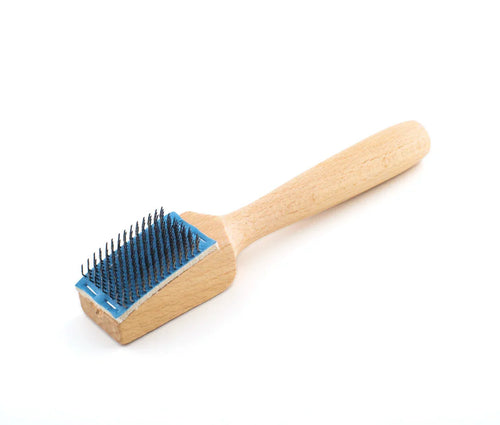
An aspect of maintenance that is often forgotten is the care of the shoe soles. What I often see with beginners is that they also wear their jazz shoes or ballet shoes outside the studio or leave them on a dirty floor. This is disastrous for the grip. Suede soles accumulate dust, skin oil, and floor wax from the dance floor, making them slippery. This is not only annoying during turns, but also dangerous for your ankles. Use a special shoe brush with steel bristles weekly to 'roughen up' the suede sole again. Always brush gently from the center to the outside of the sole to remove dirt and raise the hairs of the suede again. Let your shoes air out immediately from your bag after every lesson. An old trick from practice: put unused dry tea bags or cedar wood blocks in your shoes after class. This absorbs the remaining moisture and neutralizes odors without affecting the materials.Accessories and Dance Shoes
In practice, I often see dancers spending hours picking out the perfect leotard, but then stepping onto the floor in regular socks or standard sports shoes. That's a shame, because your shoes are literally your foundation. A common mistake I see with beginners is that they buy dance shoes a size too big "for comfort". In the dance world, however, that works against you. Your shoe must fit your foot like a second skin. If there is too much space at the toes, you lose contact with the floor and cannot articulate well through your feet, which is essential for good technique and preventing injuries to the metatarsals. When picking out professional dance shoes, the sole is the most important part. In the studio, I notice immediately when someone is dancing on the wrong soles; you hear the stiff sound or see that someone has trouble turning. For styles such as jazz or modern, we often recommend a split-sole. This means that the sole is interrupted under the arch of your foot, allowing you to stretch your foot to the maximum without resistance from the shoe. For urban styles, I see that dancers often swear by specific dance sneakers that offer extra cushioning at the heel, but have a pivot point (spin-spot) under the ball of the foot to relieve your knees during fast pivots.The indispensable extras in your dance bag
What I often see is that accessories are underestimated until something goes wrong during a lesson or performance. Good preparation is in the small things. Think of your hair, for example. It might seem like a detail, but in practice, a tight bun or ponytail is crucial for your balance. Nothing is as annoying as a loose strand of hair hitting your eyes while you are trying to 'spot' during a pirouette. Therefore, make sure you always have a set of sturdy bobby pins and hairnets with you.- Toe protection: For those who dance on pointe, silicone or wool toe protectors are not a luxury but a necessity to minimize blisters and pressure points on the joints.
- Leg warmers: In practice, I see that muscles are much more prone to injury if they stay cold during the warm-up. A pair of good leg warmers help keep the blood flow in your calves and ankles going.
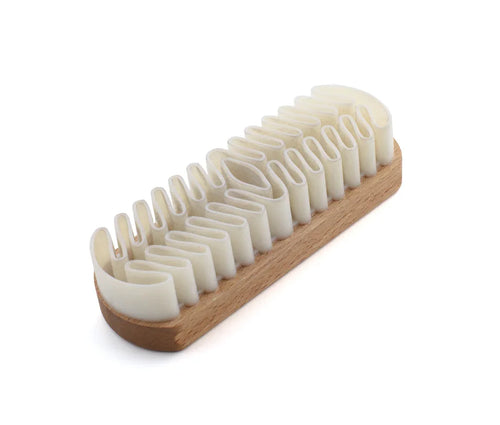
- Rosin or suede brushes: If you dance on suede soles, they become slippery over time due to dust and dirt from the floor. A small wire brush to roughen the sole again gives you back your grip immediately.
Investing in durability
A tip I always give my students: take care of your gear as if they were your instruments. Don't throw your wet dance shoes at the bottom of a closed bag after class, because then the leather or canvas will suffocate and stink. Use a breathable bag and invest in the right ballet accessories to complete your equipment. Whether you choose suede soles for the perfect friction on a wooden floor, or canvas ballet shoes that you can just throw in the washing machine; the right choice depends on how intensively you train and what kind of surface you stand on. Good accessories make the difference between a lesson in which you are constantly busy with your clothes, and a lesson in which you can focus fully on your technique and expression.Tips for Buying Online
Shopping for dancewear online is incredibly convenient, but in practice, I often see students go wrong with the sizing. Dancewear rarely fits the same as your daily clothing. What I often see is that dancers blindly trust their standard ready-to-wear size, only to find out at the first lesson that their new outfit pinches or slips down during a grand battement. The secret to a good online purchase is not in the size on the label, but in the specific measurements of your own body.The 'Girth' is all-determining
A common mistake when buying leotards is that dancers only look at their height or chest circumference. In the dance world, however, we work with the 'girth' (the torso length). This is the most important measurement for any one-piece garment. You measure this by pulling a tape measure from the top of your shoulder, through your legs, and back to the same shoulder. In practice, I notice that dancers with a long upper body often have to order a size larger than their width would suggest. If the girth is too short, the suit will pull at the shoulders and the crotch, which greatly limits your freedom of movement during a cambré. So always check if the webshop has a size chart that mentions the girth; this will save you a lot of returns.Pay attention to the material composition
Not every fabric reacts the same to sweat and movement. I always advise my students to look beyond just the color or the hip print. Cotton feels pleasant on the skin and breathes well, but it loses its shape faster and shows sweat spots immediately. If you train intensively, synthetic fabrics such as Meryl, Tactel, or Supplex are often a better choice. These materials wick away moisture and retain their compression, which is essential for muscle support. When picking out dance shoes online, the material is even more critical. Leather forms to your foot, while canvas must fit well immediately but wears out faster. A common mistake is ignoring the width size. Many professional brands offer different widths (such as N, M, W). Do you have a wide forefoot or a high instep? Then look specifically for models that offer space for this, so that your toes are not cramped during relevés.Smart checks before you check out
Before you press the order button, I have a few practical tips that I always share in the studio:- Read the reviews about the stretch: Some brands are known for 'running small'. If three other dancers write that the waistband is tight, believe them and order a size larger.
- Check the thickness of the fabric: This is especially an issue with light colors. Nothing is more annoying than finding out during a deep plié that your leggings or suit is see-through under the bright studio lights.
- Look at the closures: Do you have a suit with a zipper on the back? Consider whether you can close it yourself or whether you always need help in the dressing room.
- When in doubt, order two sizes: If the webshop has flexible return conditions, it is often wiser to try on two sizes and send back the one that fits least. A dance outfit should feel like a second skin, without any distraction.
Frequently Asked Questions
Where is the best place to buy my dancewear?
You can purchase dancewear in both physical specialty stores and online shops. Physical stores offer the advantage that you can feel materials and try on clothes immediately, which is essential for the right fit. Online shops often have a larger assortment and more competitive prices. For beginners, a visit to a specialty store is recommended to get expert advice on the specific requirements of your dance style.
Which materials are most suitable for dancewear?
The best materials for dancewear are breathable, stretchable, and moisture-regulating. Cotton with elastane is popular for its comfort and softness. For intensive training, synthetic fabrics such as nylon or polyester with spandex are ideal because they wick away sweat faster and retain their shape. Always choose fabrics that offer maximum freedom of movement.
The beauty of the right dancewear is that it completes the transformation from the daily grind to the dance floor. What I especially want to tell you is that comfort and technique go hand in hand; clothing that moves effortlessly with you gives you the freedom to perfect every detail of your choreography. Above all, remember that your outfit is an extension of your passion and gives your self-confidence an enormous boost. Whether you choose a breathable, stylish dance shirt or pants that follow every stretch, the right materials make the difference between an ordinary and a groundbreaking workout. Invest in items that not only look beautiful, but also support your physical performance, such as the pieces from our new collection of dancewear. Ultimately, it's not about how the clothes look in the mirror, but how you feel once the music starts. Put on something in which you dare to shine, step into the studio and let your passion run wild – the floor is yours.


