

Table of Contents
- The Importance of Good Shoes
- Choosing the Right Fit
- Soles and Material Choice
- Comparing Different Dance Styles
- Maintenance of Your Dance Shoes
- Budget Tips for Beginners
- Frequently Asked Questions
Are you also struggling during your first lesson with sneakers that have too much grip on the wooden floor, or are you sliding all over the place with slippery socks? In the years I've been teaching, I've seen countless students start in everyday footwear, but the difference with real dance shoes for beginners is enormous. Good first dance shoes offer the crucial balance between controlled sliding and sufficient grip thanks to a suede or leather sole, while providing specific support to your arch and ankles. When you start with dance shoes, it's tempting to go straight for the most glamorous heels or flashy models, but stability and a snug fit are much more important than aesthetics alone at this stage. I still remember my own first pair; I thought my trusted sports shoes were fine, until I got knee pain after an hour of turning due to the stiff rubber. In this article, I share my practical experience on exactly what to look for when purchasing your first pair, so you prevent injuries and step onto the dance floor with confidence immediately.
The Importance of Good Shoes
In practice, I often see new students step into their first lesson in their trusted sneakers or sometimes even in socks. Although that might work for a one-time trial lesson, you'll soon notice that your technique and especially your body suffer if you continue doing this. A common mistake is underestimating the friction between your sole and the floor. Dance floors are usually made of parquet or special laminate, materials designed to allow a certain degree of 'slip'. When you try to turn on standard rubber soles, there is simply too much resistance.
What I often see with students who wait too long to purchase their first dance shoes is that they get pain in their knees and ankles. Because the sneaker doesn't rotate with the ball of the foot, your joint has to absorb the full torsion. This is not only painful in the long run, but it also significantly hinders your learning process. You simply don't dare to turn or move fully because you unconsciously feel that you are 'stuck' to the floor. Good shoes give you the freedom to move as the dance is intended.
The right balance between grip and sliding
When starting with dance shoes, technically everything revolves around the suede sole. Unlike street shoes, professional dance shoes have a thin layer of suede on the bottom. This material is essential for your technique because it gives you control over your movement. In the dance world, we call this 'controlled sliding'.
- It ensures sufficient grip to avoid slipping during a powerful start or a sudden stop.
- It offers just enough smoothness to make smooth pivots and spins without straining your meniscus or ligaments.
- You feel the floor much better through the thinner sole, which is crucial for your balance and correctly placing your weight.
In practice, this means that you are much lighter on your feet. A heavy sneaker often forces you to lift your entire foot for every step, while good dance shoes for beginners allow you to brush across the floor. This contact with the floor is the basis of almost every dance style, whether you choose salsa, bachata, or ballroom dancing.
Stability and anatomical support
Besides the sole, the fit of a dance shoe is completely different from that of a leisure shoe. A common mistake is buying shoes that are too loose "so they are comfortable". In the dance world, however, a tight, snug fit is necessary for your safety. Your foot must absolutely not slide inside the shoe; the shoe should feel like a second skin. This is especially important at the heel and the instep, where the shoe gives you stability during fast movements.
When your foot is stable in the shoe, you can correctly shift your weight to the ball of your foot. Anatomically speaking, this is where most of the action happens during dancing. If your shoe has too much cushioning or a sole that is too thick, like a running shoe, you lose contact with the floor and thus your balance. I often compare it to driving a car: you want to feel what the road is doing through your pedals. Good shoes help you find your 'center', making you less likely to lose balance during a fast turn or a complex step combination. By investing in the right equipment immediately, you not only prevent injuries but also accelerate your own progression because your body learns the correct movement patterns correctly from the first lesson.
Choosing the Right Fit
In the dance school, I see beginners coming in every week proudly showing their first pair of shoes, only to find out after fifteen minutes that they bought the wrong size. What I often see is people buying their dance shoes like they buy their sneakers: with a little extra space at the toes for 'comfort'. In the dance world, however, that is a recipe for blisters and instability. A common mistake is underestimating how tight a shoe should be; a dance shoe is supposed to feel like a second skin, not like a comfortable slipper.The "Firm Handshake" Rule
In practice, I always explain it like this: your shoe should feel like a firm handshake to your foot. There should be absolutely no space between your heel and the back of the shoe. If you take a step forward and your heel slips even a fraction out of the cup, the shoe is too big. This is crucial because in dancing you work a lot on the ball of your foot. When your heel comes loose, you lose control over your balance and can overload your ankles. For ladies starting with salsa or bachata, it is essential that the latin shoes for ladies allow the toes to reach exactly the edge of the sole. Sometimes the toe may even go a fraction over the edge. This sounds counterintuitive, but it ensures that you can optimally 'feel' the floor and articulate your feet well during footwork. If half a centimeter of sole sticks out past your toes, you are guaranteed to trip during fast spins or flick movements.Taking Materials and Anatomy into Account
Another aspect many beginners don't take into account is the material of the shoe. Leather and suede are natural materials that stretch during dancing due to the heat of your feet. If a leather shoe already feels 'nice' the first time you try it on, it will likely be too wide after three lessons. With ballroom shoes for men, I often see that the leather shapes itself over time to the width of the forefoot. So, it's better to buy them slightly on the tight side than too loose. Satin shoes, on the other hand, hardly stretch, so the fit must be accurate around the metatarsals from the start. Pay attention to your own anatomy when fitting as well. Do you have a high instep or flat feet? A good dance shoe supports the arch of your foot. When you stand on the shoe, there should be no gaping hole between the sole of the shoe and the hollow of your foot. In practice, this means you need to try different brands; one brand uses a narrower last than another.- The Point-test: Put the shoe on and point your foot fully (point). If the fabric at the sides starts to bulge or gap, the shoe is too wide for your foot.
- The Width: The ball of your foot should rest firmly on the widest part of the sole. Your toes should not be pressed over each other, but they should not be able to slide sideways either.
- The Heel Closure: Shake your foot vigorously back and forth while wearing the shoe. Do you feel movement at the heel? Then you need a smaller size or a different model.
Soles and Material Choice
In dance class, I see beginners coming in every week in their trusted sports shoes or sneakers. Although that is fine for the first trial lesson, you notice where it goes wrong at the very first turn (pivot): you stick to the floor. This is not only frustrating for your technique, but it's also an attack on your knee joints. Therefore, the choice of the sole is the most important aspect of your first dance shoes.The right sole for the right floor
In practice, suede is the absolute standard for indoor floors. It offers the perfect balance between grip and sliding. What I often see is that beginners are afraid of slipping, but on a wooden dance floor, you actually need that subtle smoothness to relieve your joints during turning. A suede sole allows you to 'feel' the floor, which is essential for your balance and placing your weight on the ball of the foot. A common mistake is wearing these shoes outside the dance hall. Suede is extremely vulnerable to moisture and dirt; walking across a wet parking lot once and the fibers close up, causing the sole to lose its effect. For dancers who dance more often at different locations, such as at outdoor salsa parties, I often advise looking at dance sneakers with a special plastic spin-point. These are more robust and less sensitive to the surface than the traditional suede sole.- Suede: The best choice for parquet and laminate. Requires maintenance with a suede brush to keep the grip rough.
- Leather: Often used in men's shoes for ballroom dancing. Slightly more slippery than suede, but very durable.
- Rubber (hybrid): Only suitable for specific dance styles like hip-hop or when the sole is specifically developed to be able to turn.
Upper material: Stretch and Support
Besides the sole, the material of the shoe itself determines your comfort in the long run. Leather is my personal recommendation for beginners. Why? Leather lives. It shapes itself to the unique anatomy of your foot, including the pressure points at the metatarsals. A common mistake when fitting leather is that beginners choose a size that feels 'nice and comfortable' in the store. In practice, however, leather always stretches. If you buy dance shoes for men made of leather, make sure they are almost too tight when purchased; after three lessons, they will fit like a glove. Satin is the other popular option, especially for dance shoes for ladies in the Latin and Ballroom world. Satin looks beautiful under the lights, but remember that it doesn't stretch like leather and gets dirty faster. For your first pair, where you will probably still step on your own toes (or those of your partner) occasionally, leather is often a more durable investment. Also pay attention to the lining: a shoe with a microfiber lining absorbs sweat better than a fully synthetic interior, which helps prevent blisters during intensive training. What I often advise is to pay attention to the flexibility of the instep. Grab the shoe and bend the toe towards the heel. A good dance shoe must move with the natural arch of your foot, so you can 'point' your toes well and maintain contact with the floor, regardless of the technique you are performing.Comparing Different Dance Styles
What I often see with beginners is the assumption that one pair of shoes will suffice for every form of movement on the floor. In practice, however, you quickly realize otherwise. A common mistake is, for example, wearing normal sports shoes during a salsa or ballroom lesson. The rubber sole of a sneaker is designed for grip, but in dancing you want to be able to turn without your knees taking the blow. If your foot sticks while your body turns, you risk nasty injuries to your meniscus or ligaments.
When picking out your first dance shoes, it is essential to look at the mechanics of the dance style you are going to follow. The surface, the speed of the steps, and the way you shift your weight determine what type of sole and heel height you need. Below I explain where the biggest differences lie between the most popular styles for beginners.
Latin, Salsa and Bachata
In the Latin world, everything revolves around speed, hip action, and being able to 'point' your feet. What I often see in class is that students struggle with their balance because their shoes are too stiff. For these styles, you need a flexible sole, usually made of suede, which allows you to maintain direct contact with the floor. This helps you distribute your weight well over the ball of your foot, which is crucial for that typical Cuban movement.
- Heel height: For ladies, I often advise not to start immediately with a stiletto heel. A 'flare' heel of 5 to 7 centimeters offers much more stability when turning.
- Sole: Choose a split-sole construction. This gives you the freedom to fully extend your foot, which is essential for the aesthetics of Latin dancing.
- Open or closed: Latin shoes for ladies are often open at the toes. Ensure that your salsa shoes fit snugly; your toes must absolutely not slip over the edge during a stop.
Ballroom and Standard
In Ballroom dancing such as the English Waltz or the Quickstep, the technique is very different. Here you make many 'heel leads', where you start the step on your heel and roll through to the forefoot. In practice, this means that your shoe must have a firmer connection between the heel and the sole. A common mistake with beginners is buying Latin shoes for a Ballroom course. Because Latin shoes are so flexible, they do not offer the support you need for the powerful, gliding steps of the standard dances.
For men, this distinction is also important. A standard ballroom shoe has a low, wide heel. Specific ballroom shoes help you keep your center of gravity low and make smooth steps without your foot sliding in the shoe. When fitting, make sure the heel counter is firm; if your heel slips during a backward step, you immediately lose your posture and connection with your partner.
Social Dance and Practice Evenings
If you are not yet sure which style you will definitively follow, or if you mainly go to free dance evenings, then I often see people choosing a hybrid solution. For an informal setting, traditional heels are sometimes a bit too formal or tiring for a whole evening. In that case, modern dance sneakers are an excellent alternative for beginners. These often have a 'spin spot' under the ball of the foot, a smoother part in the sole that allows you to turn easily without losing the cushioning of a sports shoe. This is especially pleasant if you suffer from joint pain or if the dance floor is of a somewhat harder quality, such as concrete or laminate in a community center.
Maintenance of Your Dance Shoes
You have finally found those perfect first ladies latin shoes or men's models. The investment has been made, but what I often see in the dance school is that these beautiful purchases lose their shine and functionality within three months. That's a shame, because with a few simple actions you can significantly extend the life of your shoes. Dance shoes are not sneakers; they are technical tools that need specific care to support your feet and your technique.The suede sole: grip and control
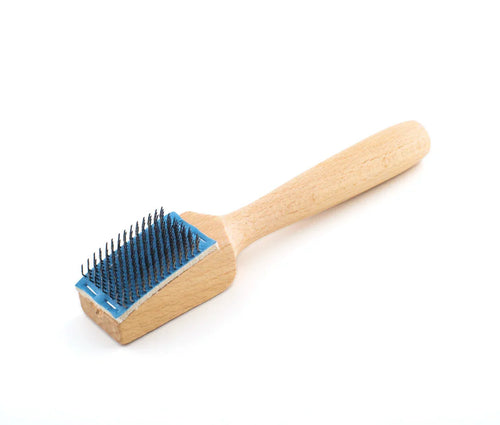
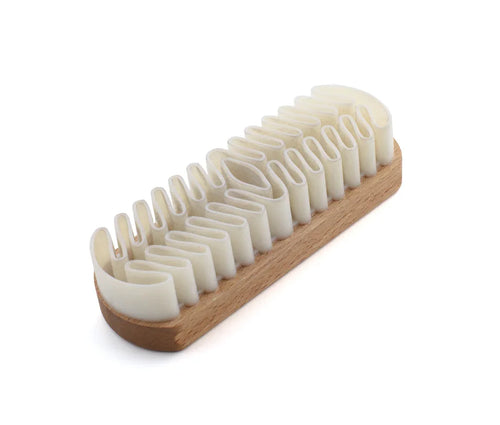
Most men's dance shoes and women's shoes for ballroom dancing have a suede sole. This material ensures that you have just enough grip to push off powerfully, but also can turn smoothly without straining your knees. A common mistake I see beginners make is that they let the sole become 'smooth'. Due to dust on the dance floor and the natural pressure of your feet, the small hairs of the suede are flattened and accumulated with dirt. The result? You slip during a simple basic step or a turn. In practice, you solve this with a special steel shoe brush. Always brush the suede from the center to the sides or from the heel to the toe to stand the hairs up again. Do this with care, however; if you brush too hard or too often, you literally pull the suede off the shoe. Do you see dark, shiny spots appearing on the sole that feel like hard leather? Then it's high time for a maintenance session. You can find handy brushes and other dance shoe accessories specifically designed for this type of sole.Airing and the fight against moisture
Another common mistake is leaving your shoes in your bag after an intensive lesson. Dancing is physically demanding and your feet sweat a lot during an hour of salsa or ballroom. In practice, I see that the moisture pulls deep into the leather or satin, causing the glue bonds to weaken and the shoe to lose its shape. Moreover, a damp, warm shoe is the ideal place for bacteria, which eventually causes unpleasant odors.- Remove your shoes from your bag immediately as soon as you get home from class.
- Preferably use cedar wood shoe trees; these draw the moisture out of the material and maintain the anatomical shape of the toe.
- Never let your shoes dry near a heater. Direct heat makes the leather brittle and can dry out the sole, causing it to crack during a powerful pivot or jump.
The golden rule: never wear outside
It sounds might logical, but what I often see is students quickly walking from the car to the studio in their dance shoes because they are late for class. Absolutely do not do this. The suede sole of your first dance shoes acts like a sponge for dirt, moisture, and small stones. One splash of water can permanently harden the suede, causing the sole to lose its flexibility and 'feel' for the floor. When you are going to start with dance shoes, get used to always bringing a separate pair of shoes for outside. Only change into your dance shoes in the locker room or at the edge of the dance floor. This not only protects your investment, but it is also a sign of respect toward the dance school. Dirt and sand from outside damage the precious parquet floor, which worsens the grip for everyone. By learning these simple habits right at the beginning of your dance career, you ensure that your first pair of shoes will continue to give you pleasure for many seasons.Budget Tips for Beginners
What I often see with students who are just starting their first lessons is a kind of healthy tension about the investment in equipment. In practice, many beginners think they have to spend hundreds of euros immediately on professional competition models, while that is not necessary at all for the first steps on the floor. A common mistake, however, is the other extreme: trying to dance in regular sneakers with a thick rubber sole. Although this is free, it costs you more in physiotherapy in the long run. Rubber provides too much resistance during turning, which puts a huge strain on your knee joint and the attachments of your ankles. Choosing your first dance shoes doesn't have to be a drain on your bank account, provided you know where the priorities lie. Instead of looking at glitter or famous brand names, I always advise focusing on the technical basics: the sole and the stability of the heel.Focus on the sole, not the extras
The most important saving is in choosing the right material. For beginners, a suede sole (also called chrome leather) is the gold standard. It offers just enough grip not to slip, but allows you to turn smoothly enough to save your joints. What I often advise to save costs is to look at so-called 'all-round' models. Instead of specific shoes for each dance style, you can often get by just fine with a decent pair of latin shoes with an average heel height for salsa, bachata, as well as ballroom dancing. Here are a few practical ways to manage your budget wisely:- Choose synthetic leather: Although real leather breathes, there are excellent synthetic alternatives nowadays that significantly reduce the price without compromising the necessary firmness around the instep.
- Avoid satin as a first purchase: Satin shoes look beautiful, but they get dirty very quickly and are difficult to clean. For a beginner who practices a lot, a pair of (artificial) leather is much more durable and easier to maintain with a damp cloth.
- Pay attention to the 'shank': This is the metal or plastic reinforcement in the hollow of the sole. A cheaper shoe that is too flexible here provides insufficient support to your metatarsals, which quickly leads to tired feet.
The value of a good fit
A common misunderstanding is that a cheap shoe that doesn't fit quite right 'will be broken in'. In practice, this works differently with dance shoes than with your daily footwear. A dance shoe must fit around your foot like a second skin to prevent blisters and sliding. If you notice your heel slipping in a cheaper model, leave it, no matter how attractive the price is. What I often see is that beginners save by buying a size larger 'just in case', but this results in a lack of control over the ball of the foot. When performing a basic technique such as the 'ball-flat' action in the rumba, you must be able to rely on contact with the floor. Rather invest in a decent basic model of dance shoes for men or women with a lace-up closure or a sturdy ankle strap; these are often more competitively priced than the more fashionable variants, but technically offer exactly what you need to build your confidence on the dance floor.Frequently Asked Questions
Why do I need special dance shoes as a beginner?
Special dance shoes are essential because they have a suede or leather sole that offers the perfect balance between grip and sliding on the dance floor. Ordinary sneakers can stick to the floor, which can cause unpleasant knee injuries. Moreover, dance shoes support your feet in the right places, allowing you to dance longer without fatigue or painful feet during your lessons.
What should I look for when purchasing my first pair?
When making your first purchase, the comfort of the shoe is the most important thing. Make sure the shoes fit tightly around your foot without painfully pinching, as materials like leather and suede will stretch slightly. Choose a model with a medium heel height or a flat sole. Also always check if the sole is suitable for the type of dance floor you will be practicing on.
Can I also wear my new dance shoes outside on the street?
It is absolutely discouraged to wear dance shoes with a suede sole outside. Street dirt, moisture, and rough surfaces immediately damage the delicate sole, causing the shoes to lose their specific sliding properties. Only put on your dance shoes once you have arrived in the dance studio. This way they stay clean and maintain the correct level of friction needed to move safely and smoothly.
How do I determine the right size for my first pair of dance shoes?
Dance shoes should fit more snugly than your daily shoes. Ideally, there should be no space between your toes and the front of the shoe, otherwise your foot will slide during turns. This can cause blisters and instability. Since sizes can vary greatly by brand, it is wise to try on different sizes and possibly ask for advice from a specialist in the store.
Which heel height is most suitable for starting dancers?
For beginners, a lower heel between three and five centimeters is usually recommended, or even a flat shoe depending on the dance style. A lower and wider heel offers significantly more stability and helps you find your balance while learning the basic techniques. As you gain more experience and your balance improves, you can eventually switch to a higher or narrower heel.
How can I best maintain my dance shoes?
Good maintenance is crucial for the lifespan of your shoes. Use a special steel brush to regularly roughen the suede sole. This removes accumulated dirt and wax from the dance floor, maintaining the correct grip. Store your shoes after dancing in a breathable bag so moisture can escape and avoid direct sunlight or the heater to prevent drying out.
How much should I approximately spend on my first pair of dance shoes?
For a high-quality first pair of dance shoes for beginners, you should count on an amount between eighty and one hundred and twenty euros. Although cheaper options can be found online, these often do not offer the right support and durability. Investing in a decent brand ensures a better fit and protects your feet against injuries, which increases your dance pleasure and progress during lessons.
The beauty of taking your first steps on the dance floor is that you discover a world where comfort and confidence go hand in hand. What I especially want to tell you is that the right sole and a firm fit are not just extras; they protect your joints and give you the freedom to really learn to move without fear of slipping. Remember above all that your first pair of shoes is an investment in your own pleasure and your growth as a dancer. When you find that perfect balance between grip and turning ability, your entire experience of the music changes.
If you are ready to take that passion seriously, be sure to take a look at our dance shoes for ladies or our selection of men's dance shoes to get off to a flying start. You will notice that the right footwear not only lets you dance more technically, but also gives you the feeling that you are floating across the floor. The music is waiting for you, and with the right foundation under your feet, you are completely ready to face every new rhythm with full conviction.


