

Table of Contents
- Introduction: The Perfect Dance Gift
- Choose the Right Dance Style
- Determining Fit and Size
- Where to Buy Dance Shoes?
- Take Advantage of Dance Shoes Sale
- Gift Packaging and Care
- Frequently Asked Questions
Introduction: The Perfect Dance Gift
As a dancer, I know from experience that there are few gifts as deeply appreciated as a pair of perfectly fitting dance shoes. It is more than just a gift; it is an investment in comfort, technique, and pure dance joy. Whether the recipient is just starting to take their first steps or has been mastering the dance floor for years, the right shoes are the foundation of every movement.
What I often see is that beginners initially focus on the basic steps and the music, while underestimating the crucial importance of proper footwear. They wear their regular sneakers or even street shoes, which is not only uncomfortable but can also hinder the development of correct technique and increase the risk of injury. Buying dance shoes is therefore one of the first and best steps you can take in your dance journey.
Why the right dance shoe is essential
In practice, I notice time and again that the difference between a good and a mediocre dancer often starts at the feet. The right shoes provide the grip, flexibility, and support needed for specific dance styles. Think, for example, of the flexible sole of salsa shoes, which is essential for fast turns and pivots, or the sturdy heel of ballroom shoes that provides stability during elegant gliding movements. A common mistake is choosing shoes purely based on appearance, without considering the anatomy of the foot and the requirements of the dance style. This can lead to blisters, knee problems, or even ankle sprains. I always advise paying attention to:
- The sole: Should it be smooth for turns or provide grip for jumps?
- The fit: A shoe should not pinch, but it shouldn't be too loose either, as you'll lose contact with the floor.
- The material: Leather or suede molds beautifully to the foot and breathes better than synthetic materials.
- The heel height and shape: Depending on the style and personal preference, this affects your balance and posture.
The gift that reaches beyond the dance floor
Giving a pair of dance shoes as a gift is more than just a physical present. It is a token of appreciation for someone's passion, an encouragement to keep growing, and an investment in their well-being. It shows that you recognize and support the dedication and energy they put into their dance. When you decide to buy dance shoes online, it is important to research the recipient's preferences well. Know which style they dance, what size they wear, and if they have specific wishes regarding model or brand. A well-chosen pair can make the difference between an uncomfortable lesson and an evening full of effortless elegance and fun. It's the kind of gift that brings a smile to their face every time they step onto the dance floor.
Choose the Right Dance Style
As a passionate dancer and teacher, I see it time and again: the right dance shoes make or break your dance experience. Giving a gift that truly resonates means looking beyond just the size. It's about understanding the specific dance style the shoes are intended for. What I often see is that beginners, and sometimes advanced dancers as well, are seduced by the looks of a shoe without really considering the functionality required for their discipline. Let's dive deeper into the different styles and which shoes best suit them.
The World of Ballroom and Latin
Within the ballroom dance world, we make a clear distinction between Standard and Latin. For Standard dances like the Viennese Waltz, Tango, or Quickstep, you need shoes that guarantee stability and fluid movement. Think of closed-toe shoes, often made of leather or satin, with a comfortable heel height (usually around 2-3 cm for men and 5-7 cm for women) and a flexible but supportive sole. The sole is almost always made of suede, providing the perfect balance between grip and the ability to glide and turn without straining your knees.
For Latin dances – such as Salsa, Bachata, Cha-cha-cha, or Rumba – the requirements are very different. Here, it's all about flexibility, speed, and expression. The shoes are often more open, with straps that keep the foot securely in place. Heels for women are generally higher (ranging from 7 to as much as 10 cm) and slimmer, which lengthens the line of the leg and helps with balance during fast turns and weight transitions. The sole here is also suede, but the shoe itself is much more flexible, especially at the forefoot. This allows you to move easily on the balls of your feet and 'feel' the floor. A common mistake is choosing shoes that are too stiff, which greatly limits your freedom of movement. If you are looking for the perfect salsa shoes or other Latin styles, really pay attention to that flexibility and the way the straps embrace your foot.
Ballet, Jazz, and Modern Dance
In ballet, the choice of shoes is crucial for technique and injury prevention. Beginning ballet dancers often start with soft ballet shoes, usually made of canvas or leather, with a split sole or a full sole. The split sole offers more flexibility and accentuates the arch of the foot, which I often recommend in practice for dancers who want to stretch their feet well. When a dancer is ready for pointe work, the fit of the pointe shoes is of vital importance. This is an extremely personal choice and something that absolutely must be professionally fitted – not a gift to give blindly without the dancer present!
For Jazz and Modern dance, we often see a mix of shoe types. Jazz shoes are usually made of leather or neoprene, with a split sole for maximum flexibility and good grip. They are designed to protect the foot while maintaining the freedom of movement needed for fluid transitions and fast isolations. Some modern dancers even choose to go barefoot, but often 'foot undies' or special half-soles are used to protect the ball of the foot and facilitate turns without completely taking away the barefoot feeling. These are ideal for styles that involve a lot of floor work or turning on the forefoot.
Hip-Hop and Street Dance
In the world of Hip-Hop and other street dance styles, comfort and support are essential. Here you often see sneakers, but not just any sneaker. Important is good cushioning to absorb the impact of jumps and fast movements. Additionally, the sole must offer sufficient grip, but not too much, so that you can glide and turn. Many dancers choose sneakers with a pivot point in the sole, which makes performing spins significantly easier and saves the knees. What I often see is people coming with regular sports shoes, but those often lack the correct flexibility and the pivot point, which can lead to unnecessary strain. Finding the right shoes for these styles can sometimes be tricky, but there are specialized brands that cater perfectly to this. Take a look at our extensive range of dance shoes to see what options are available, whether you want to buy dance shoes online or are looking in the sale.
Ultimately, choosing the perfect present is about matching the shoe with the unique needs of the dance style and the dancer. Consider the materials, the sole, the heel height, and the flexibility. A well-chosen dance shoe is not just a gift; it is an investment in comfort, performance, and above all, in dance pleasure.
Determining Fit and Size
As a dance teacher, I see it time and again: the correct fit and size of dance shoes are absolutely crucial, perhaps the most important thing of all. It is the foundation for your technique, your comfort, and ultimately your dance pleasure. A gift guide for dance shoes is therefore not complete without diving deep into this subject. It goes beyond just your normal shoe size; dance shoes have their own specific requirements.
The Golden Rule: Tight, But Comfortable
A common mistake, especially among beginners, is choosing dance shoes that are too large. I often hear: "I want to have some room for my toes." But in dance practice, this is counterproductive. Shoes that are too large cause your foot to slide. This leads to blisters, a lack of control over your movements, and reduced stability. Think of a pirouette: if your foot moves inside the shoe, you lose your axis and therefore your balance. The shoe should fit like a second skin around your foot, tight enough to provide support, but without pinching or causing pain.
What I often see is that people are afraid of a tight fit. But a good dance shoe, especially a leather version, will always mold slightly to your foot. When fitting, your toes should just touch the front of the shoe, or there should be at most a millimeter of space. Your heel must stay firmly in place without slipping while walking or turning. This applies to almost all styles, from ballroom to salsa shoes. Especially in styles where many fast foot movements and pivots occur, such as in Latin, grip and control are essential.
Practical Tips for Fitting and Buying
Let's make it concrete. When you are going to fit dance shoes, keep these points in mind:
- Measure at the end of the day: Your feet expand slightly during the day. Fitting at the end of the day gives you the most realistic impression of the size.
- Wear the right hosiery: Are you going to dance with socks, tights, or barefoot? Then fit the shoes that way too. For many Latin and ballroom shoes, you often wear tights, so fit them with tights on.
- Measure while standing: Always stand up when having your size determined or measuring yourself. Your foot spreads and becomes slightly longer under load.
- Test the movement: Walk a few steps, bend your toes, turn a little. Do you feel comfortable? Does your heel stay in place? Can you roll through your feet properly? For women's Latin dance shoes, for example, it is important that you can use the ball of your foot well for the many weight transfers.
- Pay attention to the width: Not only the length counts. Some brands offer different width sizes. A shoe that is too narrow pinches, while one that is too wide provides too little support.
Buying Dance Shoes Online: What to Look For?
More and more dancers are choosing to buy dance shoes online, which makes sense given the wide range and the possibility of finding a dance shoes sale. But how do you ensure the right fit?
- Size Charts: Compare the size chart of the specific brand with your own foot measurements. Note: size charts can vary by brand!
- Reviews: Read experiences from other buyers. They often provide valuable feedback on how the shoes fit (small, large, narrow, wide).
- Return Policy: Ensure you can return the shoes if the size is not right. This is essential when ordering men's ballroom shoes or other specific models online.
The right fit is not a luxury, it is a necessity. It prevents injuries such as blisters, foot strain, and knee problems. Moreover, it gives you the confidence and freedom to focus entirely on your dance, without distraction from uncomfortable shoes. A well-fitting dance shoe is an investment in your dance pleasure and your health.
Where to Buy Dance Shoes?
Okay, you've decided to treat someone (or yourself!) to a pair of fantastic dance shoes. But where do you start looking? What I often see is that people order something online too quickly without thinking it through, or conversely, spend hours wandering through general shoe stores where they don't get specific advice. Finding the right place to buy your dance shoes is just as important as the choice of the shoe itself. It's not just about the price or the appearance, but mainly about the functionality and comfort.Specialized Dance Stores: The Personal Approach
My first advice, especially for beginners, is always: go to a specialized dance store. These are the places where the staff often dance themselves or have in-depth knowledge of the different styles and the anatomy of the foot. What I often see is that students who get their first shoes here develop complaints much less quickly than those who 'just' order something online. They can help you with the fit – a crucial aspect. A common mistake is thinking that dance shoes should fit just like your street shoes. Often they need to be slightly tighter, like a second skin, especially with ballet or pointe shoes, but at the same time, there should be no pressure on your toes when you stand on the ball of your foot. For Latin dance shoes, for example, the flexibility of the sole is essential to properly perform those fast hip movements and turns. They also look at your foot type: do you have a low instep, wide feet, or narrow ones? All these factors play a role.- **Advantage:** Expert advice and the ability to fit immediately. No surprises afterwards. The chance of a perfectly fitting shoe is much greater.
- **Disadvantage:** The range may be more limited and prices are sometimes higher than online. Not everyone has a specialized store around the corner.
Buying Dance Shoes Online: Convenience and Choice
Nowadays, buying dance shoes online is of course enormously popular. The range is huge and you can shop from the comfort of your armchair. Especially if you already know which brand and model you want, or if you are looking for a specific offer during a dance shoes sale, this is an excellent option. The challenge here is the fitting. Without feeling the shoe on your foot, it is difficult to estimate how it fits. My advice: measure your feet carefully and compare this with the manufacturer's size charts. Pay attention to reviews from other dancers about the fit – do they run large or small? And always check the return policy! Nothing is as frustrating as receiving a pair of shoes that doesn't fit and then not being able to send them back. In practice, I often see that advanced dancers who already have experience with various brands find their way online more easily. They know, for example, that a suede sole offers more grip on a smooth parquet floor, while a leather sole is more suitable for turning movements on a rougher surface.- **Advantage:** Enormous choice of brands, models, and sizes. You can often benefit from attractive prices and discounts, especially during a dance shoes sale.
- **Disadvantage:** You cannot try on the shoes. The risk of a bad purchase is greater if you are not well-prepared.
Take Advantage of Dance Shoes Sale
As an experienced dancer and teacher, I know how important good footwear is. It's not just an accessory; it's an extension of your body, crucial for technique, comfort, and injury prevention. What I often see is that dancers postpone buying good shoes because of the cost. And that's a shame, because a pair of high-quality dance shoes really makes the difference. That's why today I want to talk about a golden tip: take advantage of the dance shoes sale. It's an excellent opportunity to get top quality without exceeding your budget.Why a sale is a smart move
For many of my students, the sale is the time to expand their collection or finally buy those specific shoes they've been eyeing for so long. In practice, it's smart to have not just one, but multiple pairs. Think of:- A practice pair: You don't want to wear out your brand new competition or performance shoes during every training session. A slightly more affordable but still comfortable pair from the sale is perfect for putting in the hours. This keeps your show pair looking good longer and maintains its grip.
- A backup pair: Nothing is as frustrating as a torn strap or a loose heel just before an important lesson or performance. Having an extra pair on hand gives peace of mind. Especially if you dance a lot, wear and tear is inevitable.
- Experimenting with styles: Maybe you've been dancing salsa on a 7 cm heel for years, but you're curious how a 5 cm heel feels, or you want to try a different material, such as suede versus leather. The sale is the perfect time to experiment without paying full price. I once bought a pair of Latin shoes with a wider heel in the sale, purely to see if I would experience more stability during fast turns. It turned out to be a revelation for my balance!
How to get the most out of a dance shoes sale
If you plan to buy dance shoes online during a sale, there are a few things you should pay attention to.- Know your size: Sizes can vary slightly by brand. If you already have a favorite brand, you probably know what size you need. If not, measure your feet carefully and consult the specific manufacturer's size chart. Returning can sometimes be cumbersome, so avoid this where possible.
- Check the material and the sole: For ballroom or Latin, for example, you often want a suede sole for the right grip and turnability on the dance floor. With ballet shoes, you look at leather or canvas and the fit around the arch of the foot. Ensure the offer fits the dance style you practice.
- Fit above all: Even if the price is tempting, never compromise on the fit. A shoe that is too small can lead to blisters and ingrown toenails, while a shoe that is too large gives you insufficient support and increases the risk of sprains. The shoe should fit like a second skin, with just enough room for your toes to spread, but tight enough to enclose your foot.
- Read the return conditions: Especially with online purchases, this is crucial. Should the fit unexpectedly not be perfect, you want to know what your options are.
Gift Packaging and Care
Once you have found the perfect pair of dance shoes – whether it's those stunning Latin dance shoes for the salsa lover, or those comfortable ballroom shoes for the elegant social dancer – the presentation is just as important as the content. It's not just about handing over a box; it's about creating a moment, an experience that reflects the dancer's passion. And after unboxing? Then the journey of care begins, essential to maintain that fit and performance.
How to Wrap: A Dance in Itself
What I often see is people enthusiastically wrapping a box of gift paper around the shoebox and calling it a day. But dance shoes, with their delicate materials and specific shapes, deserve more attention. Think about the 'unboxing' experience: it's a prelude to the dance floor.
- Protection First: Before you start wrapping, make sure the shoes themselves are well protected. Many dance shoes have satin or suede uppers that are sensitive to scratches or dents. A soft, breathable fabric bag (often included, otherwise a silk or cotton bag) is ideal here. This also prevents the shoes from sliding in the box and getting damaged.
- The Box: A sturdy shoebox is crucial. If the shoes were bought online, they usually come in a suitable box. Add some extra tissue paper to fill any empty spaces and stabilize the shoes. This is especially important for women's high-heeled shoes, whose heels can be vulnerable during transport.
- The Presentation: Now comes the fun part. Choose wrapping paper that fits the dancer's personality or the dance style. A ribbon, a small charm in the shape of a dancer or a musical note, or even a dried flower can add a personal touch. A handwritten card with a personal message about how you hope they will experience beautiful dance moments with them finishes it off. This shows that you have really thought about the gift.
Extending Lifespan: Essential Care Tips
Once unboxed, the real relationship with the dance shoes begins. Dance shoes are not everyday shoes; they are tools for the dancer. Good care is essential for their lifespan and, more importantly, for the performance on the dance floor. I often see in practice that beginners underestimate care, leading to faster wear and reduced grip.
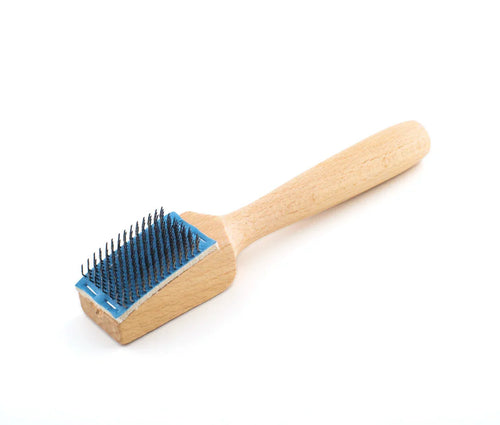
- Cleaning the Sole: The suede sole is the heart of the grip. After every dance session, it collects dust, sweat, and dirt from the dance floor. A common mistake is to ignore this. Use a special dance shoe brush to roughen the sole and remove dirt. This restores the texture and thus the grip, which is crucial for pirouettes and fast foot movements. Without good grip, you slip more easily, which not only affects the dance but also increases the risk of injury.
-
Caring for the Upper: The upper requires specific attention depending on the material.
- Satin: Very elegant, but also fragile. Avoid water and stains. Small stains can sometimes be carefully dabbed with a damp cloth and mild soap (do not rub!).
- Leather/Patent Leather: Leather can be cleaned with a damp cloth and nourished with a special leather conditioner. Polish patent leather with a soft cloth for that beautiful shine.
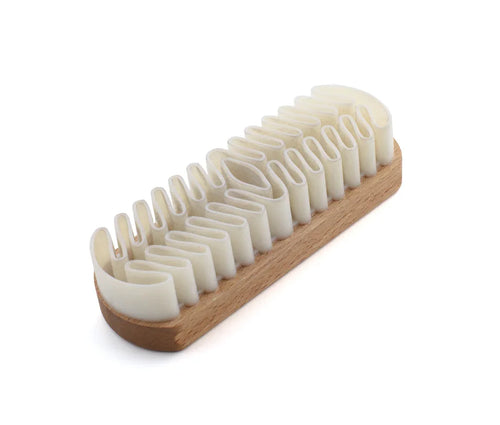
- Suede Upper: Use a soft suede brush to remove dust and dirt. Avoid water, as it can leave stains.
- Storage: Never put your dance shoes in a sealed plastic bag after dancing. Sweat and moisture can cause mold and affect the material. Use the breathable fabric bag they came in, or a cotton bag. Shoe trees are also an excellent investment; they help maintain the shape of the shoe and absorb excess moisture, which significantly extends the lifespan.
- Heel Protectors: For women's heeled shoes, heel protectors are a must. They protect the delicate heels from damage and extend their lifespan. Moreover, they offer extra stability, which is especially useful on less even dance floors.
By following these tips, you not only give a beautiful gift but also the knowledge to enjoy it optimally. A well-cared-for pair of dance shoes makes a happy dancer!
Frequently Asked Questions
Why are dance shoes a good gift?
Dance shoes are a wonderful and thoughtful gift for anyone with a passion for dance, whether they are just starting out or are already experienced. They not only show that you appreciate their hobby but also provide comfort, support, and significantly improve the dance experience. It is a practical yet luxurious gift that directly contributes to their fun and performance on the dance floor.
How do I know what size dance shoes to buy as a gift?
The sizing of dance shoes can differ from regular shoes. The best thing is to subtly inquire about the recipient's current shoe size, or even look in their existing dance shoes. Many brands have size charts online. When in doubt, a gift card for a specialty store is a safe option, or choose a store with a flexible exchange policy.
How do I choose the right type of dance shoes for the recipient?
This depends heavily on the dance style the recipient practices. Ballet requires pointe shoes or ballet slippers, ballroom requires Latin shoes, and hip-hop requires sneakers. Try to discreetly find out which dance classes they attend or which style they prefer. The guide in the blog post can help with this by describing the different types and their characteristics.
Is it safe to buy dance shoes online as a gift?
Yes, absolutely, provided you choose reputable online stores specialized in dance supplies. Look for clear return conditions, detailed product descriptions, and size charts. Read reviews from other buyers. Online shopping often offers a wider range and the ability to compare prices, including options for "buying dance shoes online".
Where can I find affordable dance shoes, or are there often sales?
Affordable dance shoes can certainly be found! Keep an eye on the "dance shoes sale" sections of online stores, especially around holidays or seasonal changes. Many specialty stores also have outlet pages. Sometimes brands offer discounts for first purchases or upon signing up for their newsletter. Compare prices between different providers to find the best deal.
What if the dance shoes don't fit or are not liked?
This is a common concern when giving shoes as a gift. Therefore, always choose a store with a flexible return or exchange policy. Keep the receipt and give it along if necessary. A gift card is an excellent alternative if you are truly unsure, so the recipient can choose the perfect fit and style themselves.
Are there ways to make the gift more personal?
Certainly! In addition to the shoes themselves, you can add a personal touch. Think of a handwritten card with encouragement for their dance passion. You can also add a matching accessory, such as nice dance socks, a shoe bag, or a gift card for a dance workshop. This makes the gift extra special and thoughtful.


