

Table of Contents
- Causes of unpleasant odors
- Direct action after dance class
- Thoroughly cleaning dance shoes
- Home remedies for stubborn sweat
- Structural maintenance and care
- When to buy new shoes
- Frequently Asked Questions
Nothing takes you out of the flow of an intensive tango lesson faster than the pungent smell escaping from your bag as soon as you open the zipper. Effective dance shoe care is about a strict routine of drying, ventilating, and timely cleaning of the soles to combat bacteria and wear. In the fifteen years I've been teaching, I've seen countless beautiful pairs end up in the trash prematurely, simply because the owner thought a night in a damp, closed sports bag wouldn't hurt.
Sweat is the biggest enemy of your suede soles and the leather; it attacks the glue bonds and makes the material stiff and brittle. Good shoe maintenance actually starts the moment you step off the dance floor. I always advise my students to use cedar wood shoe trees immediately after class and let the shoes rest for at least 24 hours before wearing them again. By combining smart habits with the right products, you prevent your gear from becoming a source of bacteria. In this article, I share my proven methods to permanently banish those nasty smells and keep your favorite dance shoes in top condition, so you can focus fully on your footwork again.
Causes of unpleasant odors
What I often see on the dance floor is that dancers only really start inspecting their shoes once the smell is no longer ignorable. A common mistake is the idea that sweat is the only culprit. In practice, sweat itself is virtually odorless; after all, it consists mostly of water and salts. The real nuisance only arises when bacteria begin to settle in the warm, moist environment of your shoe. These microorganisms break down the proteins in your sweat, and that process causes that typical, penetrating smell we all want to get rid of.
The role of materials and ventilation
In practice, I see a big difference between shoes made of natural leather and variants made of synthetic materials. Leather has breathability, allowing moisture to escape more easily. However, with many cheaper dance shoes or shoes with a thick satin layer, moisture is trapped. When you put your shoes directly into a closed bag after an intensive salsa night, you create the perfect breeding ground for bacteria. Furthermore, the suede sole of a dance shoe acts like a sponge; it absorbs not only sweat from your feet but also dust and dirt from the dance floor. If this mixture doesn't get a chance to dry, it will inevitably stink. Therefore, preventive dance shoe care is essential from the first day you wear them.
- Skin contact and dead skin cells: During dancing, your feet constantly rub against the inner lining. This releases microscopic skin cells that settle into the fibers of the shoe and serve as a breeding ground for bacteria.
- Insufficient drying time: One of the most underestimated causes is wearing the same pair too quickly in succession. The core of the sole often needs 24 to 48 hours to dry completely.
- The 'dance bag trap': Leaving your shoes in your bag after class until the next training session is asking for trouble. Without air circulation, moisture stays trapped in the fibers.
Anatomy and intensity
Your feet contain more sweat glands per square centimeter than any other part of your body. During an average bachata workshop or an uptempo lindy hop session, your feet produce significantly more moisture than during a normal walk. What I often explain to students is that the heat generated by friction on the dance floor opens the pores of the material, allowing dirt and sweat to penetrate deeper. Once the shoe cools down, these pores close again, and the smell is 'trapped' in the material.
It's a myth that only 'old' shoes stink. Even if you have brand new shoes, poor shoe maintenance can lead to a lasting odor within a few weeks. Cleaning the insole and timely brushing of the suede bottom are steps that are often skipped but are crucial to extending the lifespan. By understanding that moisture buildup and bacterial growth are at the core of the problem, you can take more targeted action with the right cleaning products for your precious dance footwear.
Direct action after dance class
As soon as the last record has played and you leave the dance floor, the most important moment for preserving your shoes begins. What I often see with students after an intensive salsa social or a tough technique class is that the shoes disappear directly into a closed plastic bag and only reappear for the next lesson. This is the fastest way to ruin your shoes. The moisture from your sweat penetrates deep into the satin, leather, or suede lining, where bacteria then multiply rapidly in the warm, dark environment of your sports bag.
In practice, the first rule is simple: give your shoes air. Once you're done dancing, it's wise to let them 'exhale' for a while. Instead of a closed bag, I always recommend a mesh or cotton bag that breathes. Don't have one? At least leave your bag open on the back seat of the car or as soon as you get home. Using the right shoe care immediately after class prevents unpleasant odors from permanently settling in the material.
Addressing the suede sole immediately
An aspect that is often forgotten in maintenance is the condition of the sole immediately after dancing. During dancing, the suede under your shoe absorbs dust, wax, and moisture from the floor. If you let this dry without doing anything about it, this dirt cakes on and the sole becomes slippery and hard. We call this the 'glazing' of the sole. What I always teach my students is to briefly go over the sole with a shoe brush immediately after class.
- Always brush from the heel to the toe to avoid damaging the fibers.
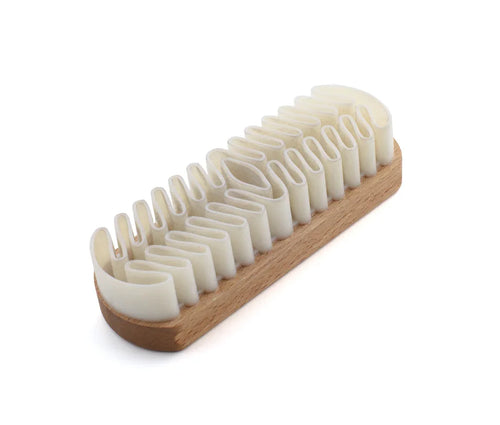
- Use the special brushes for suede soles that open the hairs back up.
- Don't force the brushing; if the sole is still very damp, do it very lightly and repeat the process once they are dry.
By doing this immediately, you remove the worst dirt before it has a chance to attach to the fibers. This not only keeps your grip optimal for the next time but also ensures that the sole is less likely to hold onto odors from the dance floor (such as spilled drinks or others' sweat).
Moisture regulation and cedar wood
A common mistake is drying dance shoes near a radiator. The heat causes the leather to dry out and the satin to become brittle, completely changing the fit of your shoe. The anatomy of the foot ensures that most perspiration is around the ball of the foot and the toes. To extract this moisture naturally, it's best to use cedar wood shoe trees or special odor eaters.
In practice, cedar wood blocks work best because cedar wood naturally has antibacterial properties and emits a fresh scent without the need for chemical perfumes. Don't have those handy? There are also specific refreshing sprays and pads that you can slide directly into the shoe. These absorb moisture many times faster than the outside air can. Don't forget to loosen any removable insoles so that air circulation can also reach the bottom of the footbed. By making these small actions a routine immediately after your class, you significantly extend the lifespan of your precious dance shoes and step onto the floor with a fresh feeling next time.
Thoroughly cleaning dance shoes
What I often see in the dance studio is that dancers only take action when their shoes start leading a life of their own in terms of smell or when the grip on the floor has completely disappeared. That's a shame, because consistent shoe maintenance significantly extends the lifespan of your precious pair. A common mistake I often see beginners make is throwing their dance shoes in the washing machine. Never do this! The heat and water attack the glue, deform the fit, and make the suede of the sole irreparably hard. Thorough cleaning requires a manual approach where we distinguish between the sole, the inside, and the upper material.Bringing the suede sole back to life
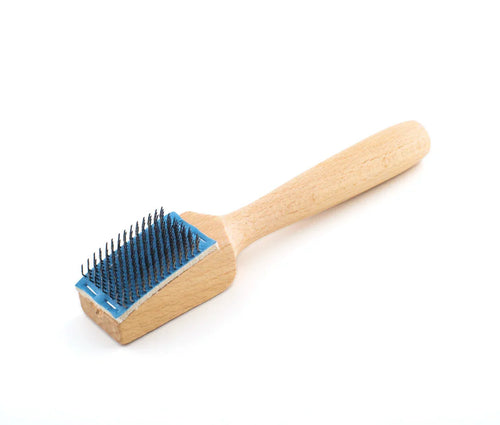
The bottom of your shoe is technically the most important part for your technique. In practice, I see these soles 'clog up' after a few weeks of intensive dancing. A mix of floor wax, dust, and sweat forms a slippery, shiny layer, causing you to lose grip during spins. To solve this, I always use a special steel brush.- Always brush from the heel towards the toe to lift the fibers of the suede again.
- Apply firm pressure on the spots where the sole shines; this is where the dirt is compressed.
- If the sole is extremely dirty, you can use a small drop of specific cleaner from our dance shoe care collection, but keep the suede as dry as possible.
Tackling the insole and bacteria
The smell we are trying to combat comes from bacteria that thrive in the damp insole. What I often advise students who put in many hours is to wipe the insole immediately after dancing with a slightly damp cloth with a mild, antibacterial solution. Be careful not to soak the shoe; the goal is to remove the top layer of sweat residue before it penetrates deep into the material. For the outside of your salsa shoes, the method depends on the material. Satin is notorious for absorbing stains. In practice, a soft toothbrush with a very small amount of mild soap works best for local stains. Never rub too hard, as this will damage the shine of the fabric. For leather shoes, I always use a thin layer of colorless cream after cleaning to keep the leather supple. Dry leather cracks faster at the bending points of the foot, such as at the ball of the foot where you put the most pressure during dancing.Structural hygiene after deep cleaning
A thorough cleaning is pointless if you put the shoes back into a closed plastic bag immediately afterward. A technique I always apply myself is using cedar wood shoe trees or active charcoal bags immediately after cleaning. This draws the last bit of moisture out of the deeper layers of the sole. Don't forget to check the heel lining; friction and dirt often collect here and can cause blisters. By repeating these steps monthly, your shoes will not only keep smelling fresh but also maintain the structural integrity you need for technically sound footwork.Home remedies for stubborn sweat
What I often see with dancers who are on the floor three or four nights a week is that the shoes simply don't get the chance to dry out completely. Sweat penetrates deep into the lining and the insole, which in the long run not only causes unpleasant odors but also affects the material from the inside out. A common mistake is to immediately reach for aggressive chemical sprays. In practice, however, it turns out that a number of simple home remedies are often more effective for taking dance shoe care seriously without damaging the delicate materials.
The power of absorption: Baking soda and newspapers
One of the most effective methods I've been using for years is using baking soda. This works much better than regular talcum powder because it neutralizes the acids emitted by odor-producing bacteria instead of just masking them. However, never sprinkle it loose in your shoes, especially with suede soles. The powder can settle in the seams and harden there from new sweat.
- Fill an old thin sock with two tablespoons of baking soda and tie it shut.
- Place this 'odor eater' in your shoes immediately after dancing.
- Leave this for at least 24 hours so that the moisture is drawn from the deeper fibers of your salsa shoes.
If you notice after an intensive performance or a sweaty workshop that the inside feels really damp, use old-fashioned newspapers. Don't stuff them too tightly in the shoe, as this will deform the toe, but let them loosely absorb the moisture. This is crucial for maintaining the fit; damp leather stretches much faster, causing you to lose grip on the floor.
Fighting bacteria with natural extracts
In practice, I see that odor often lingers stubbornly in the heel and at the toes, places where friction is greatest. If standard methods don't work, you can place unused, dry tea bags (preferably black tea) in the shoes. The tannins in the tea help to kill bacteria that feed on sweat. For dancers who dance a lot in satin shoes, this is a safe way to tackle odor without staining the delicate outer fabric.
Another technique known among professionals is the freezing method. Bacteria that cause the typical 'sweat smell' often do not survive extreme cold. Put your shoes in a sealed plastic bag and place them in the freezer overnight. Note: then let the shoes thaw slowly at room temperature and only put them on when they are completely dry and at temperature. If you do this too quickly, the leather or the glue of your ballroom shoes can crack due to the sudden temperature difference.
Prevention through natural materials
The best home remedy remains a good rotation and the use of cedar wood. Cedar wood shoe trees are an investment that pays for itself. The wood not only absorbs moisture but also emits a natural, fresh scent that is much more pleasant than artificial perfumes. If you notice that the inside of your shoes is starting to become slippery despite these tips due to accumulated sweat and skin oils, it's time for a thorough cleaning with specific shoe maintenance products that restore the pH value of the material. Remember that sweat contains salt, and salt dries out leather, causing it to crack. By consistently applying one of these home remedies after every training session, you significantly extend the lifespan of your favorite pair.
Structural maintenance and care
In practice, I often see dancers spending hundreds of euros on a beautiful pair of shoes, only to simply leave them in their bag after an intensive social or training session until the next class. This is the fastest way to give bacteria free rein and let the material degrade. Effective dance shoe care doesn't start when the shoes already stink, but the moment you step off the dance floor. The material of a dance shoe has to endure a lot: heat, moisture from sweat, and constant mechanical stress from turning movements and jumps.
What I often see with students is that they forget that the sole is an essential part of the ventilation. Most dance shoes have a suede sole intended to provide the right balance between grip and glide. When this sole 'clogs' with dust, wax from the dance floor, and skin oils, the shoe can no longer breathe through the bottom. This traps heat and moisture in the insole, which is the ideal breeding ground for odors.
Tackling the sole and insole
A common mistake is skipping the brushing. After every dance session, you should roughen the suede soles with a special steel brush. This removes the accumulated dirt and opens the fibers of the suede again. This is not only crucial for your safety on the floor but also for the hygiene of the shoe itself. For men, this applies just as strongly; good maintenance products for men's shoes are indispensable for keeping the leather supple and preventing sweat acids from eating away at the material from the inside.
- Brush immediately after dancing: Don't wait until the dirt has hardened. By brushing immediately, you remove the damp dirt more easily.
- Clean the insole: Regularly use a slightly damp cloth with a mild cleaning foam to gently wipe away the imprint of your foot (the dark spots where sweat accumulates).
- Check the heels: With women's heels, you often see the heel lining coming loose due to perspiration. A timely repair prevents moisture from drawing deeper into the construction of the shoe.
Materials and rotation
A technique that professional dancers always apply is the 24-hour rule. Leather and satin need time to dry completely. If you dance on the same pair every day, the material never gets the chance to lose its core moisture. In practice, this means the fibers weaken and the smell permanently settles in the glue and lining. So alternate your shoes. While one pair rests, you can use your other salsa shoes, so both pairs last significantly longer.
In addition, storage is crucial. Never use plastic bags; these trap moisture and speed up the process of mold formation. Choose a cotton shoe bag that allows air through. What I often recommend is to place cedar wood shoe trees in your shoes immediately after class. Cedar wood has the unique property of drawing moisture from the leather while simultaneously emitting a natural, fresh scent that repels bacteria. This also maintains the shape of the shoe, which is especially essential with soft ballet shoes or flexible jazz shoes to prevent them from wrinkling and pinching at the toes.
When to buy new shoes
In practice, I notice that many dancers build an emotional bond with their shoes. They are finally perfectly broken in, mold to your foot, and have survived countless hours on the dance floor. But what I often see is that dancers continue for too long on shoes that have actually seen their best days. Although good shoe care can significantly extend the lifespan, there comes a point when cleaning and brushing are simply no longer enough. It's then no longer just about the appearance or the smell, but primarily about your safety and the health of your joints.Loss of structural support
A common mistake is thinking that a shoe is only "done" when there are holes in it. Nothing could be further from the truth. The most important indicator for replacement is the loss of firmness. When you notice that your salsa shoes give too much at the ankles or that the heel counter has become soft, the shoe no longer provides the necessary stability for fast spins and sudden stops. In dance class, I often see this in students who start having trouble with their balance during double turns. Often that's not due to their technique, but to the fact that the shoe is "stretched out". The suede or leather is then stretched so far that your foot starts to slide inside the shoe. This not only causes blisters but also increases the risk of sprains. If you notice that you have to pull your laces or straps tighter and tighter to still feel some grip, that's a clear sign that the internal structure has collapsed under the constant pressure and sweat.The smell that no longer disappears
We have to be honest: sweat is the biggest enemy of your dance gear. Despite consistent shoe maintenance, such as using cedar wood shoe trees or antibacterial sprays, bacteria can settle deep in the insole. What I often advise is the "smell test" after a night of airing. Do your shoes still smell musty the next morning, even without you wearing them? Then the bacteria have moved into the material. At that point, superficial cleaning no longer helps. The accumulation of bacteria and salts from your sweat attacks the insole, making it hard and brittle. This reduces cushioning, which you will feel directly in your knees and lower back after a night of social dancing. A good rule of thumb: if the smell starts to be noticed by your partner on the dance floor, you are actually already too late.Wear of the sole and cushioning
The bottom of your shoe tells the whole story. With intensive use, the suede sole becomes so thin in certain spots that you feel the floor directly under the ball of your foot. This is dangerous. A sole that is too thin no longer offers shock absorption. Moreover, at some point, the suede can no longer absorb dirt or moisture, making your grip unpredictable. Let specifically on these points:- The heel tip is worn down to the metal or plastic and leaves scratches on the parquet floor.
- The suede under the ball of the foot is polished so smooth that even a rough brush no longer brings back texture.
- The insole shows deep imprints of your toes that no longer spring back; this means the cushioning layer is completely flattened.
- Cracks appear at the base of the sole, indicating drying of the glue and the material.
Frequently Asked Questions
What to do about smelly sweaty shoes?
To tackle smelly sweaty shoes, ventilation is essential. Let your dance shoes air out of your bag for at least 24 hours after each use. Use cedar wood shoe trees to absorb moisture and kill bacteria. Additionally, sprinkling a little baking soda in the shoes helps to neutralize unpleasant odors. This keeps the material of your shoes in top condition for longer.
Why do my sports shoes still smell so bad after washing?
When sports shoes still stink after washing, this is often due to residual bacteria in the deeper fibers. If shoes dry too slowly, fungi and bacteria also get the chance to multiply again. Use an antibacterial spray and ensure rapid drying in a well-ventilated area, but avoid direct heat sources to prevent damage to the glue.
How do I get sweat smell out of my shoes?
You get sweat smell out of your shoes by effectively fighting the source of the smell, namely bacteria. Use specialized sprays or put your shoes in a sealed bag in the freezer overnight to kill bacteria. For a natural approach, odor eaters with active charcoal or bags filled with dry tea work excellently to fully absorb stubborn odors and excess moisture.
How can I keep my shoes smelling fresh?
To keep your shoes smelling fresh, daily maintenance is crucial. Use a refreshing shoe spray immediately after dancing and alternate shoe pairs regularly so they can dry out completely. Wearing clean, moisture-absorbing socks also helps to limit sweat transfer. Optionally, place a dryer sheet or a bag of lavender in your shoes when you store them for a pleasant, lasting scent.
Can I wash my dance shoes in the washing machine?
It is strongly discouraged to wash dance shoes in the washing machine, especially those made of leather or suede. The heat and water can damage the sole, loosen the glue, and deform the fit. Instead, clean the outside with a damp cloth and use a special foam cleaner or antibacterial spray for the inside to maintain the quality and lifespan of your precious shoes.
How often should I clean my dance shoes for optimal maintenance?
For optimal maintenance, it is wise to briefly care for your dance shoes after each use by airing them and brushing the suede soles. A thorough cleaning of the inside is needed about once a month, depending on how intensively you dance. By consistently performing small maintenance, you prevent dirt and odor from settling deep into the material.
Does wearing specific socks help against sweat odor in dance shoes?
Yes, wearing the right socks makes a big difference in dance shoe care. Choose socks made of natural materials such as cotton or bamboo, or special sports and dance socks with moisture-wicking properties. These materials effectively absorb sweat before it penetrates the shoe material, giving bacteria less chance to grow and significantly reducing unpleasant odors.
The beauty of good dance shoe care is that you not only extend the lifespan of your favorite pair, but also step onto the dance floor with a much more confident feeling. What I especially want to share with you is that small habits make the biggest difference. Always give your shoes time to air out after every intensive session and regularly use a spray or powder to stay ahead of those annoying odors. Most importantly, remember that your shoes are your most important instrument; by cleaning and maintaining them well, they will continue to support you optimally with every turn and step you take. Want to get the right tools right away to give your shoes that well-deserved refresh? Check out our women's shoe care collection for everything you need to keep your gear in top condition. Ultimately, it's all about you being able to focus fully on the music and your partner, without having to worry about your equipment. Let your passion for dance shine, every time you


