

Table of Contents
- Importance of the Right Dance Shoes
- General Buying Tips for Dance Shoes
- Ballet Shoes: The Guide
- Latin & Ballroom Shoes
- Jazz, Modern & Hip-hop
- Tap, Character & Others
- Maintenance of Dance Shoes
- Frequently Asked Questions
In my years as a dance instructor, I have seen so many feet pass by, from beginners to advanced dancers, and one thing has always stood out to me: the influence of the right dance shoes. Often enough, I see students struggling with their technique, not because they lack talent, but simply because their footwear does not match the dance style. Spinning a salsa in ballet shoes? Or trying classical ballet in jazzy sneakers? It sounds absurd, but the nuances are sometimes subtler and just as crucial. That's why I've put together this guide. In it, I'll help you choose the perfect dance shoes for every style, so you can dance with confidence and comfort while preventing injuries. Whether you're about to buy your first pair of dance shoes or looking to expand your collection, I'll share my insights on what really matters when selecting good dance shoes – from grip and support to material and fit. My goal is for your feet to always have the best foundation, ready for every step.
Importance of the Right Dance Shoes
As a dancer, and after years of being on the floor myself and guiding countless students, I can tell you one thing with certainty: your dance shoes are much more than just an accessory. They are an extension of your body and a crucial part of your dance experience. I often see beginners who tend to skimp on their first pair of ballet shoes or other dance shoes, or they just grab something they already have at home. That is a common mistake I try to discourage everyone from making, because the right choice makes a world of difference, both for your safety and for your performance.Safety and Injury Prevention
The most important aspect of the right dance shoes is undoubtedly safety. In practice, I unfortunately regularly see injuries occur that could have been prevented with the right footwear. Think of a twisted ankle due to too little grip on a slippery floor, or knee problems due to insufficient shock absorption during jumps. Your feet and joints take a lot of strain while dancing. Good dance shoes provide the necessary support, stability, and cushioning you need to protect your body. For example, the flexibility and grip of jazz shoes are essential for quick turns and floor work, while the sturdy construction of certain ballet shoes supports the arch during delicate movements and pointe work. Without the proper support, you risk overstraining muscles, tendons, and joints, which can lead to long-term problems such as shin splints or even stress fractures.Performance and Technique Improvement
In addition to safety, your shoes play a huge role in your performance. They are designed to facilitate and even enhance specific movements of a dance style.- **Grip and Turning:** A sole with the right texture makes the difference between fluid pirouettes and a faltering turn. Too much grip hinders you and forces you to use extra strength, which strains your knees. Too little grip makes you unstable and insecure, causing you to lose balance.
- **Flexibility and Support:** Your shoe must follow the natural movement of your foot while providing support where needed. For styles like modern dance, hip-hop, or urban, dance sneakers are ideal, for example, because they combine flexibility with cushioning for jumps and quick changes of direction, while still offering sufficient lateral support.
- **Floor Feel:** The thickness and material of the sole affect how much 'feel' you have with the floor. This is crucial for balance and proprioception, your body's ability to perceive its position in space. A good dance shoe helps you feel every nuance of the music and your movement, giving you more control over your technique and expression.
General Buying Tips for Dance Shoes
As a dancer, you know: your shoes are your extension. They are not just an accessory, but a crucial part of your equipment that affects your performance and protects your feet. What I often see is that even experienced dancers sometimes miss the mark when choosing new dance shoes. It goes beyond just the right size; it is a combination of fit, material, and functionality. Let's take a closer look at what you should really pay attention to when choosing your perfect pair of dance shoes.
Fit and Comfort: The Foundation of Every Dance Movement
This is perhaps the most important factor, yet it is often underestimated. A common mistake, especially among beginners, is choosing shoes that are too big "to grow into" or too small because they look sleeker. Your dance shoes should feel like a second skin, embracing your foot without pinching, and your toes should be able to feel the floor without being pushed over each other. Think about the anatomy of your foot: every arch, every bone needs support, but also the freedom to move.
- Toes: Ensure your toes can be fully extended, but also able to bend and spread. In pointe shoes, this is crucial for stability and safety on the point.
- Heel: Your heel absolutely must not slip. A slipping heel can cause blisters and seriously affect your stability during turns or jumps.
- Width: Pay attention to the width of the shoe. Some brands offer different width sizes, which can make a world of difference.
In practice, you'll notice that a well-fitting shoe can prevent injuries such as blisters and calluses. It also gives you a much better 'feel' for the floor, essential for techniques like pliés and relevés. Whether you are looking for the perfect fit for your jazz shoes or for classical ballet classes, comfort is king.
Material and Sole: Grip, Flexibility, and Durability
The material of your dance shoes and the sole determine functionality and lifespan. Each material has its own properties:
- Leather: Durable, breathable, and molds beautifully to your foot. Leather shoes last longer and offer good support. I often see that dancers who put in many hours prefer leather.
- Canvas: Lighter, more breathable, and often cheaper. A good option for beginners or those who want a more flexible feel. However, it wears out faster.
- Synthetic: Often used in dance sneakers. Offers good support and is often durable, but breathes less well.
The sole is a story on its own. We mainly distinguish between:
- Split sole: The sole is interrupted at the arch for maximum flexibility. Ideal for experienced dancers who need a lot of flexibility.
- Full sole: The sole runs the entire length of the shoe. Offers more support and is often recommended for beginners to build foot strength and stability.
The material of the sole itself is also important: suede is ideal for studios with a smooth floor because it offers a good balance between grip and the ability to turn. Rubber soles, as often found on dance sneakers, offer maximum grip and are perfect for styles that involve a lot of jumping and quick changes of direction.
Practical Tips for Fitting and Maintenance
To ensure you make the right choice, I'd like to give you a few more practical tips:
- Time of day: Preferably fit your dance shoes at the end of the day. Your feet are often slightly swollen then, which gives a more realistic picture of the fit during an intensive dance session.
- Dance socks/tights: Wear the socks or tights you normally wear in your dance classes. This significantly affects the fit.
- Move! A common mistake is to only fit shoes while standing. Walk, stretch, do a few pliés, relevés, and turning movements. Feel how the shoe behaves and whether it provides sufficient support and freedom of movement for your foot.
- Maintenance: Good maintenance significantly extends the life of your shoes. Clean them regularly and store them in a dry, ventilated place. Replace them on time, as worn-out shoes provide insufficient support and can lead to injuries.
Remember: the right dance shoes are an investment in your dancing pleasure and your health. Take the time to choose them carefully, because your feet will thank you!
Ballet Shoes: The Guide
As a ballet dancer, whether you're just starting out or have been dancing for years, you know that your ballet shoes are your extension. They are so much more than just a piece of fabric or leather; they form the basis of your technique, your connection with the floor, and your ability to move. What I often see, especially with beginners, is that the choice of dance shoes is taken too lightly. But believe me, the right ballet shoes really make the difference in your lessons and performance.
The Demi-Pointes (Soft Ballet Shoes): Your Second Skin
These are the shoes you will spend most of your ballet journey in, unless you are already dancing on pointe. The choice here is crucial. Important to know: the most important aspects:
-
Material:
- Leather: Durable, molds nicely to your foot, and lasts a long time. Perfect for intensive use. They give a bit more resistance when stretching the foot, which is good for building strength.
- Canvas: Lighter and more breathable than leather. They are often a bit more flexible and give you more of a 'barefoot' feeling, which some prefer for feeling the floor. They do wear out faster and can offer less support.
- Satin: Usually for performances or special occasions because they are more fragile. They look beautiful on stage.
-
Sole:
- Full sole: I often see this with young dancers or beginners. The entire sole of the shoe is reinforced, providing extra support to the arch. It can help in building strength in the foot because you have to work harder to stretch your foot.
- Split sole: The sole is divided into two parts – one under the ball of the foot and one under the heel. This gives maximum flexibility and shows the arch better. Once your foot is a bit stronger, this is often the preferred shoe because it accentuates the line of the foot and gives more freedom of movement.
- Fit: This is perhaps the most important thing. Your ballet shoes should feel like a second skin. They must not be too big, because then you get folds and lose feeling with the floor. A common mistake made by parents is that they buy 'for growth'. Don't do this! The shoe should be tight, but not pinching. Your toes should lie flat, not curled up. This is essential for the development of the foot and proper technique.
Pointe Shoes: How to Balance
Pointe shoes are a completely different story and something you only start after years of training and with explicit approval from your teacher. Starting pointe too early can lead to serious injuries. Your feet and ankles must be incredibly strong. When you are ready, a professional fitting is absolutely necessary. Buying pointe shoes online without proper guidance is something I strongly advise against.
- The Box: This is the hard "box" at the front of the shoe where your toes rest. The shape and width of the box must perfectly match the shape of your toes and the width of your forefoot.
- The Shank: This is the stiff part under the sole that supports the arch. Shanks come in different strengths (soft, medium, hard). The right strength depends on the strength of your arch and your experience.
- Wings: These are the sides of the box that give your toes and the ball of your foot extra support. They should enclose your foot well without pinching.
Sewing ribbons and elastics is also an art in itself. Every dancer has their own preference for placement and length, depending on the shape of the foot and ankle. The goal is maximum stability and a sleek, aesthetic line.
Maintenance and Alternatives
Good care extends the life of your dance shoes. Let them air out well after every class, take them out of your dance bag, and do not put them in a plastic bag. This prevents mold and unpleasant odors. Don't be afraid to replace your demi-pointes as soon as they lose their shape or the sole is worn out; your feet deserve the best support.
Although ballet is the focus, I also see in practice that dancers sometimes choose other types of footwear for specific exercises or warm-ups outside of classical class. For certain modern ballet classes or warm-up exercises at the barre, I sometimes see dancers choose jazz shoes that offer more flexibility for the arch, or that have a better grip on a specific floor. For general dance conditioning or specific strength training outside of classical class, dance sneakers can be a solution, especially for shock absorption and comfort during intensive cardio or strength exercises that strain the feet and joints more than a ballet class.
The right ballet shoes are an investment in your dance career and in the health of your feet. Take your time, ask for advice, and choose wisely. Your feet will thank you!
Latin & Ballroom Shoes
When you enter the world of Latin and Ballroom, you know that your shoes are more than just an accessory; they are an extension of your feet and essential for your technique and performance. What I often see with new dancers is that they tend to come with regular street shoes or sports shoes. A common mistake, because the specific requirements of these dance styles call for specialized dance shoes.
The Characteristics of Latin Shoes
For Latin, think salsa, cha-cha-cha, rumba, jive, and pasodoble, everything revolves around flexibility, speed, and being able to 'grip' the floor. Women's shoes generally have a higher heel, often between 6 and 9 centimeters. These heels are usually 'flare' (wider at the bottom) for stability, or 'slim' (slimmer) for more experienced dancers seeking extra elegance. I often advise beginners to start with a 7 cm flare heel; that gives you enough height for hip movement without immediately losing your balance.
A crucial detail is the sole: it is almost always made of suede. Suede provides the perfect balance between gliding and grip. You want to be able to turn without straining your knees, but also have enough traction to make powerful movements and stop quickly. The sole is also flexible, giving your foot the freedom to bend and stretch, essential for a good point and flex. What I often see in practice is people trying to dance with a rubber sole; that is asking for injuries to your knees and ankles because you cannot turn.
The top of the shoe is often made of satin or leather, with open toes and straps that keep the foot securely in place. A T-strap or ankle strap is popular here because it gives extra support. These straps are not just for looks; they are functional! They prevent your foot from sliding, which is crucial during fast shimmies or quick foot changes. For men, you see lower heels (around 4-5 cm) and a flexible sole, often also with suede. The higher heel for men helps in bringing the center of gravity forward, which is important for the 'bounce' in Latin.
Ballroom (Standard) Shoes: Stability and Elegance
When we talk about Ballroom, think of the waltz, tango, quickstep, foxtrot, and Viennese waltz. Here the focus is more on fluid movements, long lines, and an elegant posture. Shoes for Ballroom are therefore designed differently than those for Latin.
For ladies, Ballroom shoes are usually closed at the front, with a lower and wider heel, often between 4 and 6 centimeters. This wider heel, sometimes called a Cuban heel, offers maximum stability, which is essential for the long gliding movements and the constant balance required in styles like the waltz. The sole is also made of suede here, but the shoe itself is often sturdier to encompass and support the entire foot. This is crucial for footwork technique in Standard, where you often use the ball of your foot for propulsion and the heel for balance and closing movements. I often see that dancers accustomed to the light support of ballet shoes have to get used to the sturdier construction of a Ballroom shoe, but this stability is indispensable.
Men's Ballroom shoes look more like classic dress shoes, but with a suede sole and a slightly higher heel than an average men's shoe (often around 2.5-3 cm). This subtle heel helps with posture and contact with the floor.
Practical Tips for Choosing Your Shoes
When buying dance shoes, fit is everything. You want the shoe to be tight but not pinching. Your toes may lightly touch the front, but not fold over. The shoe must not slip at the heel. Walk in them, do some basic steps, and try a few turns. What I often recommend is to fit them at the end of the day when your feet are slightly swollen, for the most realistic fit. And don't forget that new shoes always need to be broken in. Start slowly and build it up. Sometimes I see people switch to jazz shoes for extra comfort during warm-ups, but for real technique and performance, specialized Latin or Ballroom shoes are irreplaceable.
Jazz, Modern & Hip-hop
When you delve into the dynamic world of jazz, modern, or hip-hop, you quickly notice that the right dance shoes are just as essential as the movements themselves. What I often see in the studio is dancers thinking that regular sports shoes or even bare feet are always sufficient. While bare feet certainly have their place in modern, and sneakers in hip-hop, there are specific considerations that can greatly enhance your dance experience and prevent injuries.
Choosing the Right Jazz Dance Shoes
For jazz dance, everything revolves around flexibility and the ability to pivot and slide quickly. For years, I have stood on various types of jazz shoes myself, and my experience shows that the choice between a split-sole and a full-sole is crucial. A full-sole jazz shoe, with a continuous sole, offers more support and is often pleasant for beginners or for dancers looking for extra stability during pirouettes and jumps. They feel a bit sturdier and can help in developing foot muscles.
However, as soon as you gain more experience and perform more complex movements, split-sole jazz shoes are often the favorite. These have an interrupted sole, leaving the middle of your foot exposed and giving you unprecedented flexibility. This is ideal for stretching the instep and performing quick transitions and turns. When buying dance shoes for jazz, pay attention to the material: leather molds beautifully to your foot and lasts longer, while canvas is more breathable and often breaks in a bit faster. A common mistake is choosing a size too large, causing your foot to slide and lose control. They should fit like a second skin, tight but not pinching.
Bare Feet or Foot Protection for Modern
Modern dance is known for its earthy, free movements, often performed on bare feet to maintain direct contact with the floor. This direct contact is fantastic for feeling the ground and performing floor work, but in practice, it can lead to abrasions, blisters, or insufficient grip on slippery studio floors. That's why I see many dancers, including myself, choosing minimal foot protection.
This is where 'foot undies' or 'half-soles' come in. These are small pieces of fabric or leather that only cover the ball of the foot, often with elastics to keep them in place. They offer protection against friction and help with gliding and turning without completely taking away the feeling of bare feet. They are absolutely not a replacement for traditional ballet shoes, which have a much stiffer structure and a completely different function. For modern, we want to maintain that flexibility and directness that ballet shoes do not offer. It's about finding a balance between protection and maintaining that essential connection with the floor.
Dance Sneakers for Hip-hop: Support and Style
Hip-hop is energy, power, and charisma. The dance shoes you choose for this must be able to absorb that energy while providing the necessary support. What I often see is people coming in regular sports shoes or street sneakers. While this sometimes looks cool, these shoes are often not optimized for the specific demands of hip-hop dance.
Real dance sneakers are lighter, offer more flexibility in the sole for stretching the foot, and often have a special pivot point under the ball of the foot. This pivot point, often a smooth circle, allows for quick pivots and spins without putting unnecessary strain on your knees. Moreover, they offer the right cushioning for jumps and landings, which is crucial for preserving your joints in the long term. Whether you choose a high model for extra ankle support or a low model for more freedom of movement, make sure the sole does not have too much grip and that the shoe is comfortable during fast, explosive movements. Think about the anatomy of your foot and how it reacts to the impact of the floor; good cushioning is indispensable here.
Tap, Character & Others
In addition to the more well-known dance styles like ballet, jazz, and salsa, there are countless other forms of dance, each with its own specific shoe requirements. Today we dive into the world of tap shoes, character shoes, and other more general dance shoes you might encounter. What I often see in practice is that the choice for these 'other' shoes is just as crucial for your technique and injury prevention as with the 'major' styles.
Tap Shoes: The Instrument on Your Feet
When you start tap dancing, you quickly realize that your shoes are much more than just protection for your feet; they are instruments. The metal plates, or 'taps', on the toe and heel are essential for producing the rhythmic sound. A common mistake among beginners is that they find the shoes too stiff, preventing the feet from articulating properly. This is crucial for clear, defined sounds. Therefore, look for a shoe that offers sufficient flexibility in the sole, often with a split-sole or a very flexible forefoot. The quality and sound of the taps themselves differ greatly by brand; it's really a matter of trying out what fits your style and the studio floor. A good tap shoe should be tight but not pinching, so that your foot moves as one with the shoe. Sometimes I see dancers starting tap lessons with flexible jazz shoes to master the basics of foot movements before switching to real tap shoes.
Character Shoes: Elegance with Character
Character shoes are indispensable in many classical ballet productions and character dances, such as the Hungarian csárdás, Polish mazurka, or Spanish flamenco-style fragments. They combine the elegance of ballet with the functionality needed for specific, often earthy, movements. These shoes usually have a low, stable heel and are made of leather or canvas. It is essential that they provide good support for the arch and ankle, especially during turns and stomping movements characteristic of these styles. In practice, I notice that a stable heel not only helps with balance but is also an important part of the aesthetics and sound of the dance. A common problem is that dancers think any shoe with a heel will do, but the specific construction of a character shoe is designed to distribute pressure evenly and protect the foot. For ballet students expanding their training with character classes, these shoes are a logical addition to their ballet shoes.
Dance Sneakers: The Versatility of the Modern Dancer
For styles like hip-hop, street dance, Zumba, fitness dance, and even for general warm-ups and exercises, dance sneakers are a godsend. What distinguishes these shoes from regular sports shoes is the specific construction. They often have a split sole that maximizes foot flexibility, which is crucial for pointe and flex movements. Additionally, the sole features a special pivot point under the ball of the foot. This pivot point is essential to protect your knees during fast turns and pivots, something that puts much more strain on your joints with a high-grip sports shoe. What I often see in class is people coming with regular sports shoes and complaining of knee pain or having trouble turning. Good cushioning is also important, especially for jumps and landings. I always recommend investing in specific women's dance sneakers designed to support your movements and protect you from injuries.
Maintenance of Dance Shoes
As a dancer, you know how essential your shoes are. They are an extension of your body and largely determine your performance and comfort. But what I often see in the studio is that too little attention is paid to maintenance. And that's a shame, because with the right care, your shoes not only last longer, they also retain their functionality. This is crucial for your technique, your grip on the floor, and preventing injuries. It doesn't matter if you dance classical ballet, loosen the hips with salsa, or hit the floor with hip-hop; every pair of dance shoes deserves the right attention.General Principles: What Every Dancer Should Know
There are a few golden rules that apply to almost all dance shoes, regardless of style or material:- **Ventilation is key:** A common mistake is stuffing sweaty shoes directly into a closed bag after class. That is a breeding ground for bacteria and odors, and it affects the material. Always take your shoes out of your bag immediately and let them air out well in a dry, ventilated place. Do not put them in direct sunlight or on the heater; that dries out leather and suede too quickly and can cause cracking.
- **Clean inside and out:** Think about your feet too! Clean socks or bare feet help keep the inside of your shoes fresh longer. For the outside: wipe off sweat and dirt after every class.
- **Correct storage:** Store your shoes in a place where they retain their shape. For example, for ballet and jazz shoes, you can use shoe trees, but make sure they aren't too tight. Avoid crushing your shoes in an overcrowded bag.
Specific Care per Material and Dance Style
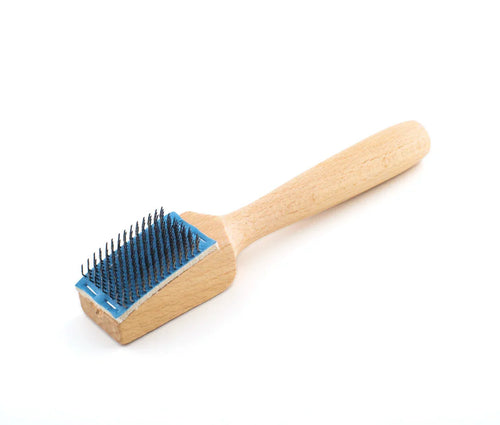
The materials of dance shoes vary greatly, and each material requires a specific approach:- **Suede Soles (Ballroom & Latin):** This is what most dancers struggle with. Suede soles offer that perfect balance between grip and glide, but they attract dirt and dust like a magnet. What I see a lot in practice is dancers forgetting to brush their soles regularly. Use a special suede brush – which has metal bristles – to remove accumulated dirt and roughen the structure of the suede again. Do this after every class or rehearsal. And absolutely do not walk outside with them! Water and dirt are the biggest enemies of suede soles. This care is essential for the lifespan of your jazz shoes with suede soles or your ballroom shoes.
- **Leather and Synthetic Uppers:** The top of your shoe is just as important. For leather shoes, such as many of our ballet shoes or certain jazz models, you can wipe the outside with a slightly damp cloth after every class to remove sweat and dirt. Occasionally use a leather cleaner and conditioner to keep the leather supple and prevent drying out. Synthetic materials are often easier to maintain; a damp cloth usually suffices.
- **Canvas and Fabric Shoes:** Think of classic canvas ballet or jazz shoes. You can often carefully hand wash these in cold water with a mild detergent. Avoid the washing machine unless explicitly stated on the label, as this can affect the glue and shape. Always let them air dry, away from direct sunlight or heat. What I do myself is fill them with some paper to maintain the shape while drying.
- **Dance Sneakers:** Dance sneakers, like our women's dance sneakers, are more robust and designed for more intensive use, but they also need love. Wipe the surface with a damp cloth after every class. You can clean the soles with a brush and some water, especially if you accidentally wore them outside. Regularly check that no stones or dirt are stuck in the sole profiles; this can affect your grip and damage the floor.
When is it Time for New Shoes?
Despite all the good care, there comes a point when your shoes need replacing. Watch for the following signs:- **Worn-out soles:** If the suede sole becomes too thin, tears, or if the grip disappears, it's time for a new pair. For sneakers, if the profile is gone.
- **Damaged upper:** Tears in the leather or canvas, loose stitching that can no longer be repaired.
- **No more support:** Especially with shoes with a heel or special cushioning; if the support and cushioning have disappeared, this can lead to injuries. You often feel your feet hurting more after dancing.
- **Fit changes:** Sometimes shoes become too loose or flimsy, causing your foot to slide and giving you less control.
Frequently Asked Questions
Why is choosing the right dance shoes essential?
The right dance shoes are crucial for both comfort and performance, and they minimize the risk of injuries. They provide the necessary support, grip, and flexibility specifically tailored to the movements of a particular dance style. This not only improves your technique and balance but also contributes to the enjoyment while dancing, allowing you to move optimally and express yourself without hindrance.
What specific features are important when choosing ballet shoes?
For ballet shoes, the fit is the most important thing; they should fit like a second skin. Pay attention to materials like leather or canvas for durability and breathability. The sole can be full for beginners or split for more flexibility for advanced dancers. Elastic bands and drawstrings ensure a good fit. Pointe shoes require professional fitting due to the complex structure for toe work.
What should I look for when fitting new dance shoes?
When fitting new dance shoes, comfort is leading. Ensure there are no pressure points and that your toes have enough space to move but don't slide too much. Try the shoes with the socks or tights you normally wear. Perform some typical dance movements to test the flexibility and grip. Pay attention to the arch support and the heel for stability.
Which materials are commonly used for dance shoes and what are the pros and cons?
Dance shoes are often made of leather, canvas, or synthetic materials. Leather is durable, molds to the foot, and offers good support but can be more expensive and require more maintenance. Canvas is breathable, lightweight, and more affordable but less durable. Synthetic materials are often water-resistant and easy to maintain but sometimes offer less breathability and flexibility than natural materials.
How can I extend the life of my dance shoes through proper maintenance?
Regular maintenance significantly extends the lifespan. Let them air out well after each use to prevent moisture and odor; do not put them directly into a bag. Clean leather with a damp cloth and special leather cleaner, and canvas shoes can often be carefully washed by hand. Regularly check the soles and heel pieces for wear and replace them if necessary. Store them in a dry, ventilated place.
I am a beginner, are there special dance shoes you recommend for my first lessons?
For beginners, comfort and support are most important. Choose shoes with a full sole that provides stability and feels comfortable. Materials such as canvas or soft leather are often suitable because they are flexible and adapt to the foot. Avoid overly complicated or expensive shoes in the beginning. If necessary, consult with your dance teacher for specific recommendations for your chosen dance style.
Do I need to purchase separate dance shoes for every dance style?
Yes, generally it is recommended to have specific shoes for each dance style. Each style has unique movements and requirements in terms of grip, flexibility, and support. Ballet shoes, for example, are very different from tap shoes or salsa shoes. Using the right shoes not only improves your performance and technique but also significantly reduces the risk of injuries.


