

Table of Contents
- Importance of Good Dance Shoes
- Budget Ballet for Children
- Affordable Streetdance Options
- Savings Tips for Purchasing
- Where to Buy Cheap Shoes
- Maintenance of Children's Dance Shoes
- Frequently Asked Questions
Is your child outgrowing their shoes faster than you can keep up with the lesson schedules? Finding good, affordable dance shoes for children is quite a challenge, but you can save significantly by choosing canvas instead of leather or by looking at specific budget-friendly brands that provide the right support without the high price tag. In my years in front of the mirror wall, I have seen countless parents spend fortunes on professional brands that are really not necessary yet for a weekly recreational class.
Of course, the right sole and fit are essential for the development of the little feet, but dance for kids absolutely doesn't have to cost a fortune. I often see in my classes that a well-fitting budget model works much better than an expensive pair bought 'to grow into', which usually only leads to blisters and stumbles. Whether it's the first steps in ballet for children or an energetic jazz class, there are smart ways to keep costs low without compromising on safety or technique. Below, I share my practical tips and experiences that I normally only discuss with parents in the hallways of the studio, so that your little dancer can be on the floor safely and with pleasure.
Importance of Good Dance Shoes
When a child comes enthusiastically out of their first trial lesson, the temptation is great to dive straight into the closet for a pair of old sneakers or thick socks. In practice, however, I see that this is one of the most common mistakes made by beginning dancers. While it's understandable that you look at your budget, the right support for a child's feet is not an unnecessary luxury, but a necessity for their physical development. The feet of children are still fully growing and consist largely of cartilage that slowly hardens into bone. What I often see in the dance studio is that children dancing in regular sneakers cannot roll their feet correctly. This not only hinders technique but can even lead to injuries to the ankles or knees in the long term. Good dance shoes are specifically designed to follow the natural movement of the foot while providing support in the right places.Safety and Floor Contact
An essential part of dance for kids is learning to feel the floor. In classical ballet, for example, this is crucial for learning a good 'tendu'. In flexible ballet shoes for girls, a dancer can fully stretch her arch and feels exactly where her weight is placed. This direct contact with the floor helps in developing fine motor skills in the feet, something that is impossible with the stiff sole of a normal shoe. Additionally, friction with the dance floor plays a major role. A common mistake is wearing shoes with too much grip, such as standard sports shoes. During a fast turn or a jump, too much grip can cause the foot to 'stick' to the floor while the body continues to rotate, which is disastrous for the cruciate ligaments. Specially developed dance sneakers for children are therefore equipped with a so-called 'spin-point'. This is a smoother circle under the ball of the foot that makes turning smooth, while the rest of the sole provides the necessary cushioning for jumps.The Right Shoe for the Right Discipline
Every dance form places different demands on the anatomy of the foot. In practice, I notice that parents sometimes think one pair of shoes is suitable for everything, but that is rarely the case.- Ballet: Requires maximum flexibility to be able to 'point' the foot.
- Streetdance/Hiphop: Needs shock absorption at the heel to absorb the impact of jumps.
- Character Dance/Theater: A firm base is needed here. These character shoes for children have a small, stable heel that helps in finding the right balance and making the characteristic stomping sounds without overloading the heel.
Budget Ballet for Children
When parents first sign their child up for ballet, they are often shocked by the price tag of the full equipment. In practice, however, I see that with a few smart choices you can save significantly without compromising your child's technique or safety. Ballet is a discipline where the feet are burdened the most, so "cheap" must never mean "unsafe". What I often see is that parents save on the wrong parts, such as buying shoes that are two sizes too big "to grow into". A common mistake in ballet for kids is ignoring the fit in favor of the price. A ballet shoe must fit like a second skin around the foot so that the dancer can feel the floor properly. If half a centimeter of space remains at the toes, the child cannot learn to 'point' correctly. This hinders the development of the intrinsic foot muscles. For the youngest dancers who are just starting, I often advise looking at canvas models. These ballet shoes for children are often more affordable than leather variants and have the great advantage that they can simply go in the washing machine if they have turned gray from the studio floor after a few lessons.Smart Choices in Materials and Soles
When we look at the anatomy of a growing child's foot, flexibility is crucial. For beginners up to about eight years old, a full sole is often the standard because it helps build strength in the arch. However, as a child gains more experience, they often switch to a split sole. Here are some budget-friendly tips for purchasing:- Canvas upper: Cheaper than leather, breathes better, and shapes to the foot faster.
- Second-hand basics: Items like leotards are fine second-hand, but preferably always buy dance shoes for children new. A shoe shapes itself to the foot of the first wearer; a second-hand shoe can force your child's foot into a wrong position.
- Multi-purpose: Sometimes children take lessons in world dance or folk dance alongside ballet. In certain teaching methods, such as those of the Royal Academy of Dance (RAD), specific character shoes are required from the lower grades. By purchasing these in time through a specialty store, you avoid paying the top price at a local boutique right before the exam.
When Sneakers are a Better Investment
In practice, I see that modern ballet lessons increasingly contain elements of jazz or contemporary. If you notice that your child's ballet lesson also includes many warm-up exercises on a cold floor, or if they go straight from ballet to a hip-hop lesson, it might be budget-wise smarter to invest in hybrid footwear. These sturdy dance sneakers for kids offer more cushioning than a thin ballet shoe and protect the heels during jumps on a hard surface. Although ballet is a traditional sport, the path to pointe shoes doesn't have to be expensive. By focusing on the right materials (canvas over leather) and ensuring an exact fit instead of "growth space", you save in the long run on physical therapy and unnecessary replacements. Remember that in dance for kids, fun comes first, and nothing spoils the fun faster than blisters from poorly fitting budget shoes from the toy store. Always choose a recognized dance brand, even within the budget lines.Affordable Streetdance Options
With streetdance, many parents think a pair of normal sneakers from the local sports shop will suffice. In practice, however, I often see that this leads to problems on the dance floor. Regular sneakers are designed for grip on asphalt or in the gym, which means they "stick" to the floor. For a dance style full of fast turns and slides, that is dangerous for your child's knees and ankles. A common mistake is underestimating the technical properties of a real dance sole.
What I often see in the dance studio is that children dancing in special dance sneakers for children make progress much faster. These shoes have a pivot point under the ball of the foot. This reduces friction during turns, so the joints are less stressed. If you are looking for budget-friendly options, I recommend looking at models with a split sole. These offer maximum flexibility at the arch, which is essential for learning the correct technique in footwork.
Why Invest in Specific Streetdance Shoes?
Although purchasing extra footwear can be a chunk out of the budget, you save in the long run. Regular sneakers wear out very quickly due to the sideways movements that belong to streetdance. Specific dance shoes for children are reinforced at the points where the most pressure is applied. Here are some things you can look out for to keep costs low:
- Choose a hybrid model: Some sneakers are suitable for both streetdance and general dance for kids lessons, so you don't have to buy a separate pair for every discipline.
- Material use: Canvas sneakers are often cheaper than leather, breathe better, and are fine for beginners who are still growing.
- The right size: Never buy dance shoes "to grow into". A shoe that is too large causes sliding in the shoe, which causes blisters and instability. A well-fitting shoe lasts longer because the foot finds support in the right place.
Alternatives for the Smallest Dancers
For the youngest dancers just starting with a mix of styles, you don't have to pay top price right away. Sometimes I see in combined lessons that children start on flexible ballet shoes for children to first develop a feel for the floor and their own balance. This is a fine budget solution for the first trial lessons, as long as no heavy jumps are made.
However, if your child also participates in performances where a more theatrical or classic streetdance look is required, then character shoes for children can be a good addition to the wardrobe. Although these are more often used in classical forms, we also see them in practice in musical dance or commercial streetdance styles on stage. By choosing a basic model in a neutral color, you ensure that the shoes fit multiple outfits and dance styles, which in turn saves money.
Remember that safety and comfort always come first. An affordable dance shoe that provides the right support is an investment in dance pleasure and your child's physical health. Look especially for offers from specialized brands instead of cheap fashion sneakers; you notice the difference in durability immediately as soon as they step into the dance studio.
Savings Tips for Purchasing
Dancing is a beautiful passion for young children, but as a parent, you know that the costs for clothing and footwear can quickly add up. Especially because children are growing, it can feel like you have to purchase new gear every few months. In practice, I often see that parents have the tendency to buy 'to grow into' to save money, but with dance shoes for children, that is precisely a risk for safety and technique development. A shoe that is too large offers no support to the metatarsals, causing a child to twist an ankle more easily or adopt a wrong posture.
Choose Versatility and the Right Size
A common mistake I see in the dance studio is buying shoes two sizes too big "so they can still grow into them". In ballet for children, it is essential that the shoe fits like a second skin around the foot. If there is too much space at the toes, the child cannot articulate the foot correctly during a tendu or dégagé. What I often advise to still save money is to look at models with an elastic cord or a canvas split sole. Canvas stretches just a bit more than stiff leather, which often makes them last just that little bit longer without the fit becoming dangerous. For weekly lessons, these affordable ballet shoes for girls are an excellent choice that finds the balance between price and the necessary flexibility for a growing foot.
Additionally, what I often see is that parents buy a separate pair of shoes for every discipline. If your child follows both streetdance and a general dance form, you can often save by investing in a hybrid model. Modern dance sneakers for children are designed nowadays to provide enough cushioning for hip-hop, but also have the flexibility for jazz or show dance. This directly saves you the purchase of a second pair of shoes, provided the sole does not leave black marks on the school's specific dance floor.
Smart Choices for Exams and Performances
For specific styles such as character dance or certain theater lessons, shoes with a heel are often requested. This is often a major expense for a shoe that might only be worn once a week. Instead of going straight for the most expensive professional variant, you can look at models made of synthetic leather. These materials are nowadays of such quality that they support the foot well during stomping and rhythmic exercises. These budget-friendly character shoes for children are ideal in practice for exams and performances; they look neat on stage and meet the teacher's technical requirements without exceeding your budget.
Extend the Lifespan of the Shoes
In addition to the purchase itself, you can save a lot of money by simply taking better care of the shoes. In practice, dance shoes often end up at the bottom of a damp bag, which quickly causes the material (especially leather) to dry out or deform. Here are a few concrete tips I always give to my students:
- Take the shoes out of the bag immediately after class and let them air dry (never by the heater, as the material will crack).
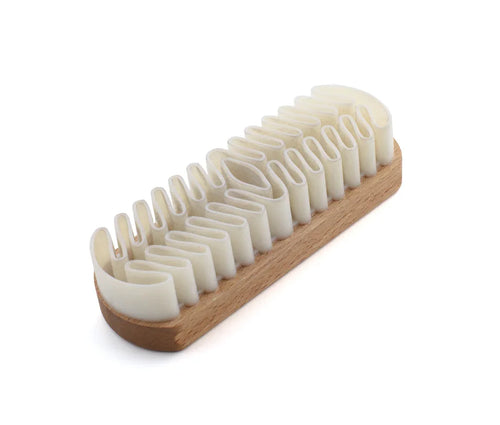
- Use a suede brush for the soles of dance shoes for children; this keeps the grip optimal, making them wear out less quickly due to friction on a rough floor.
- Wear the shoes exclusively in the dance studio. It sounds logical, but even quickly walking to the car in dance shoes ruins the sole within minutes.
- Keep your child's toenails short. This prevents holes from being poked in the toes of fabric shoes from the inside.
By looking critically at the material and the versatility of the shoe, you can significantly reduce the costs for dance for kids without compromising dance pleasure or the anatomical development of the young dancer.
Where to Buy Cheap Shoes
In practice, I notice that parents are often shocked by the price tag of a full dance outfit, especially when a child is just starting a new hobby. It is a logical reaction to reach directly for the cheapest option, but what I often see is that "cheap" then quickly results in injuries or shoes that fall apart after three lessons. The trick is to know where you can save without endangering the safety of the growing child's foot. A child's foot is still fully developing and the bone structure is softer than that of an adult, which means a poorly fitting shoe can cause permanent damage to the position of the feet.
Choose Specialty Stores instead of Budget Chains
A common mistake is buying dance shoes at general budget stores or toy stores. Although the price is attractive, these shoes often lack the correct technical properties, such as a suede sole for the right grip or the necessary flexibility in the arch. Instead, you're better off looking at the entry-level models from specialized brands. These ballet shoes for children, for example, are specifically designed to support the foot during stretching and offer the right resistance on a professional dance floor, while still remaining friendly priced for the beginning dancer.
The Power of the Dance Community and Swap Meets
What I often advise parents in my classes is to make use of the dance school's internal networks. Children sometimes grow two sizes in one season, so shoes are often still in excellent condition when they no longer fit. Many schools have a private Facebook group or a physical bulletin board where second-hand items are offered. For specific disciplines like musical or folk dance, where the shoes are often more robust, this is a goldmine. These character shoes for kids are extremely suitable for a second round due to their sturdy build and leather or synthetic leather finish. When buying second-hand, always check if the heel counter is still straight and if the sole is not extremely worn down at an angle, because a wrongly worn sole can put the wrong strain on your child's knees.
Smart Shopping during the Sale
In practice, it pays to plan ahead. Most dance specialty stores hold large sales in the summer months (June and July) to make room for the new collections in September. This is the ideal time to buy a size larger for the upcoming season. Especially for styles like hip-hop and streetdance, where the cushioning of the sole is essential to absorb the impact on the joints, you can grab significant discounts. These dance sneakers for children offer the necessary shock absorption that you won't find in regular sneakers, and in the sale, they are often hardly more expensive than a pair of standard gym shoes.
To make your search for affordable options easier, I have listed a few concrete tips below:
- Ask the dance school if there is a fixed 'swap day' at the beginning of the season; this often saves you half the costs.
- When in doubt, choose canvas ballet shoes instead of leather; they shape to the foot more easily, are often cheaper, and can usually just go in the washing machine.
- Avoid shoes with glitter or hard plastic decorations for class; these often come loose and can cause dangerously slippery spots on the dance floor.
- Always check the 'outlet' or 'sale' section of online dance stores before looking at the new collection; often it's a color from last season that is technically identical.
By looking smartly at materials and making use of the community, you can offer your child high-quality shoes without your budget giving out. The most important thing remains that the shoe fits well: a shoe that is too large "to grow into" causes friction and hinders the development of the correct technique.
Maintenance of Children's Dance Shoes
In the years I have been teaching, I have seen countless parents who had to buy new shoes again after only three months. Not because their child's feet had grown so much, but because the shoes were simply 'done' due to poor maintenance. That is a waste of money, especially if you are on a budget. Good maintenance is the easiest way to double the lifespan of dance shoes for children. It all starts at the basics: only use the shoes in the dance studio. It sounds logical, but in practice, I still too often see children running from the car to the lesson in their ballet shoes. Asphalt and street dirt are disastrous for the soft soles.
Care of Soles and Materials
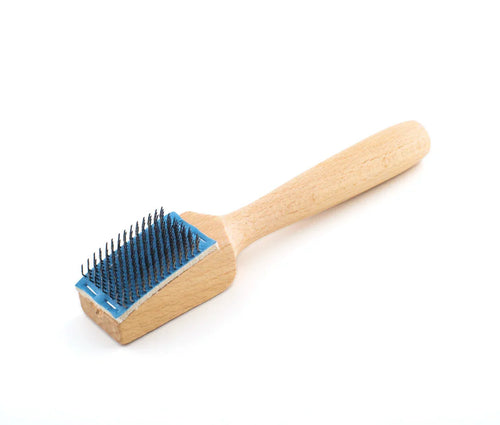
What I often see is that the suede soles of ballet shoes for children become slippery and shiny over time. This is due to an accumulation of dust and floor wax from the dance floor. A slippery sole is dangerous because your child loses grip during turns. Instead of buying new shoes, you can use a suede brush (with steel bristles) to roughen the fibers again. Always brush from the center to the outside. For canvas shoes, different advice applies: never throw them in the washing machine. The heat attacks the glue bonds and causes the shoe to lose its fit, which does not benefit the anatomy of the growing child's foot. A damp cloth with a little bit of mild detergent is usually sufficient to remove stains.
Ventilation and Storage
A common mistake is leaving the shoes in a closed sports bag immediately after class. Dancing is top sport, even for children, and feet sweat. This moisture is absorbed into the leather or canvas. If this cannot escape, the materials will rot and unpleasant odors will arise. Especially in intensive styles where dance sneakers for kids are used, ventilation is crucial. These sneakers often have thicker linings that hold a lot of moisture. Take the shoes out of the bag immediately at home and let them air dry, but never by a heater; heat makes leather brittle and can cause the soles to deform.
- Use a shoe bag: Store shoes in a cotton bag instead of plastic, so the material can breathe.
- Alternate: If your child dances several times a week, it is sometimes more economical to have two pairs so that one pair can dry completely, although I understand this is more difficult budget-wise.
- Check the toes: With character shoes for children, I often see scratches on the toes due to 'sleeping' the foot. A little shoe polish works wonders for the presentation during an exam or performance.
- Cut nails: It sounds simple, but sharp toenails are the number one cause of holes in the toes of ballet and jazz shoes.
In practice, I see that leather lasts longer than canvas, provided it is well maintained. Leather shapes itself to the foot, which is essential for the correct technique in ballet for children. If the shoes become stiff, you can use a small amount of colorless leather grease, but be careful that this does not get on the suede sole. By taking five minutes weekly to check and air the shoes, you avoid unexpectedly having to spend money on a new pair halfway through the season. Good maintenance is not only good for the wallet but also teaches young dancers to have respect for their equipment, an important lesson within dance for kids.
Frequently Asked Questions
What should I look for when buying dance shoes for children?
When buying dance shoes for children, pay particular attention to the flexibility of the sole and the fit. The shoe should fit snugly without pinching, so the foot can move well during dancing. Choose breathable materials such as leather or canvas. Additionally, ensure that the sole fits the dance style, such as a suede sole for ballet or a rubber sole for hip-hop lessons.
How do dance shoes for children fit in terms of size?
Dance shoes for children often fit differently than regular sneakers or shoes. Brands frequently use specific size charts based on the length of the foot in centimeters. It is essential to measure your child's feet accurately before ordering. Usually, dance shoes run a bit small, so you often need a half or full size larger for a comfortable fit for your child.
Are cheap dance shoes for children of good quality?
Yes, cheap dance shoes for children can offer excellent quality, provided you know what to look for. Many budget-friendly brands use durable canvas or synthetic leather that is perfectly adequate for weekly lessons. For beginners, these affordable options are often the best choice because children grow out of their shoes quickly. Always check the finish of the stitching and the firmness of the sole before the first use.
What are the best dance shoes for beginner ballet lessons?
For beginner ballet lessons, canvas ballet shoes with a full sole are usually the best and most affordable choice. These shoes help children develop foot muscles and offer sufficient grip on the dance floor. Make sure the shoes have elastics over the arch so they stay in place during movement. For young children, a soft pink or black color is often the standard requirement at most dance schools.
How often should I buy new dance shoes for my child?
On average, parents should buy new dance shoes for their child every six to twelve months. This strongly depends on the growth rate of the feet and the intensity of the dancing. Regularly check if the toes are not pressing against the front, because shoes that are too tight can cause annoying injuries. As soon as the shoe shows clear wear on the sole or the sides, it is time for replacement.
Can my child use regular sneakers for dance class?
Although regular sneakers are sometimes allowed for hip-hop or streetdance, they are unsuitable for ballet or modern dance. Sneakers often have too much grip, which makes turning difficult and can cause knee injuries. Specific dance shoes for children are designed to offer the right balance between grip and glide. For the safety and technical development of your child, investing in real dance shoes is therefore always the better choice.
Where can I find affordable dance shoes for children?
Affordable dance shoes for children can often be found online at specialized webshops or large sports stores. Also be sure to look at second-hand platforms, as children often stop dancing before their shoes are really worn out. Additionally, many dance schools sometimes offer swap meets where you can take over shoes for a small amount. When making budget purchases, always pay attention to the manufacturer's size chart to avoid unnecessary return costs and hassle.
The beauty of dance for kids is that the passion and the smile on their face are central, not the price tag of their gear. What I especially want to tell you is that a smart choice for quality dance shoes not only helps children prevent injuries but also gives their confidence on the dance floor a huge boost. Remember above all that a good fit and the right grip are more important than an expensive brand logo; look for that perfect balance between affordability and technical support. Whether you are looking for the first steps in ballet class or sturdy shoes for streetdance, there is always an option that fits your budget. For the young talents, you can, for example, take a look at our ballet shoes girls collection for affordable basics, or discover the versatility of our dance sneakers children collection. Ultimately, it is about them feeling free to move. Every jump and turn is an investment in their fun that is priceless. Let them shine, because the most beautiful choreography starts with the confidence to take the first step.


