

Table of Contents
- Choice per Dance Style
- Ballet Shoes for Children
- The Right Starting Age
- Sizing and Fit
- Materials and Quality
- Maintenance of Dance Shoes
- Safety and Grip
- Frequently Asked Questions
Nothing is as frustrating for a young talent as slipping in the middle of a pirouette because the grip of their shoes simply isn't right. Good dance shoes for children are essential for the right support, flexibility, and safety on the dance floor, whether your child is just starting with ballet for children or chooses an energetic modern class. In the years that I have been teaching the youngest groups, I have seen countless parents struggle with the correct sizing and material choice. The tendency to buy shoes 'with room to grow' is understandable, but in dance for kids, that extra centimeter can actually cause nasty blisters or dangerous trips. A well-fitting shoe should feel like a second skin, so that the foot muscles can develop correctly from the first lesson. Whether it's the choice between a full sole for stability or a split sole for flexibility, the right equipment largely determines the enjoyment of dancing. In this guide, I share my practical experience and specific tips to find the perfect match for your little dancer.
Choice per Dance Style
The biggest mistake I see parents make is the thought that one pair of gym shoes is suitable for all classes. Every dance form taxes a child's feet in a unique way and requires specific technical support. A child who is on the floor weekly needs material that supports the natural development of the foot rather than hindering it. In practice, I see that the right shoe not only increases confidence but also prevents injuries in the long term.Classical Ballet: Technique from the Basics
In ballet, everything revolves around the foot line and learning to correctly articulate the foot. What I often see with beginners is that they choose a split sole (a sole consisting of two parts) too quickly. Although this looks "professional," I almost always advise a continuous sole for the very youngest. It forces them to work harder when stretching the foot, which strengthens the intrinsic foot muscles and the arch of the foot. When fitting ballet shoes for children, make sure there isn't too much 'growth space' at the toes. Excess fabric at the front hinders the feeling of the floor and can even cause a tripping hazard during fast jumps such as the changement or the sauté. The shoe should fit around the foot like a second skin, without making the toes curl.- Material: Leather is extremely durable for intensive use, while canvas breathes better and can often go directly into the washing machine.
- Sole Type: For children under 8 years old, usually choose a full sole for extra resistance and muscle building.
- Finishing: Check if the elastics are already sewn on; this saves a lot of work at home and ensures a secure fit over the instep.
Street Dance and Hip Hop: Grip and Cushioning
In street dance class, I regularly see children appear in normal outdoor sneakers. This is a risk for the knees. Ordinary sneakers are designed to provide grip on asphalt, but in the dance studio, a child must be able to turn without the foot sticking to the floor. A good sole has a so-called 'spin-spot' under the ball of the foot. Using specific dance sneakers for kids prevents the ankle from locking during a quick turn, while the thicker sole absorbs the impact of jumps. This is crucial because the growth plates in the heel are still very vulnerable to shock loading in growing children. Make sure the sneaker is lightweight; a shoe that is too heavy makes it difficult to lift the feet quickly during complex choreographies.Character and Musical Dance: Balance and Sound
For classes such as character dance, which is often part of the classical ballet curriculum, or for musical auditions, a shoe with a small heel is required. A common mistake is buying a heel that is too high for a young child. The anatomy of a child's heel cannot yet handle the pressure of a high heel well, which can lead to poor posture in the lower back. In practice, I see that character shoes with a low, wide block heel offer the best balance. These shoes usually have a suede sole that provides just enough grip on a wooden stage floor, yet is flexible enough to allow the foot to roll properly while walking and acting.- Heel Height: Stick to the lowest variant (often called 'low heel') for the safety of the ankles and the back.
- Closure: Choose a model with a snap closure behind the buckle; this makes quick shoe changes during a performance much easier for the child themselves.
- Fit: The heel counter must be firm so that the foot does not slip out of the shoe with every step the child takes.
Ballet Shoes for Children
For many children, putting on their first pair of ballet shoes is a milestone. In practice, however, I notice that parents are often confused about what exactly distinguishes a good shoe from a cheap fabric slipper from the toy store. A ballet shoe is not a fashion item, but a technical tool that must support the foot in learning the correct technique. What I often see in dance class is that children dancing in shoes that are too big or too flimsy have trouble finding their balance during a relevé or correctly performing a tendu.
Sole Types: Full sole or split sole?
One of the first choices you face is the type of sole. For the youngest dancers, I almost always advise a full sole. This sole offers more resistance, forcing the small foot muscles to work harder to stretch the foot. This is essential for building the necessary strength in the arch. Only when a child is a bit older and has mastered the basic techniques do we often switch to a split sole. A split sole has no leather under the arch, which provides more flexibility and a more beautiful line of the foot. In our collection of ballet shoes for girls, you will find both variants, depending on the teacher's advice and your child's level.
Material Usage: Leather versus Canvas
In practice, I see that the choice between leather and canvas often depends on the dance school's personal preference, but both materials have their own advantages:
- Leather ballet shoes: These are very durable and mold perfectly to the foot over time. They are slightly more resistant on the floor, which can help beginners experience more grip during turning exercises.
- Canvas ballet shoes: These breathe better and can often be machine washed (on a cold program). They are more flexible from the first moment but wear out faster with intensive use, especially on a rough floor.
A common mistake is buying ballet shoes "with room to grow." Although I understand that children's feet grow quickly, too much space at the toes is dangerous. The shoe can fold over during dancing, leading to tripping. The shoe should fit snugly, similar to a sturdy sock, without the toes curling painfully. Also, remember that some classical ballet programs for higher grades specifically require character shoes for children, which have a small heel and are used for national dances within the ballet curriculum.
Maintenance and Etiquette in the Studio
Something I often have to emphasize to new students: never wear ballet shoes outside. The leather and suede soles attract dirt and moisture, causing them to lose their grip on the dance floor in no time. Moreover, you bring sand into the studio, which can damage the special ballet floor (marley). For warming up or when children walk through the hallways between classes, I often see them switch to sturdier footwear. If your child also takes classes like street dance or jazz in addition to ballet, then flexible dance sneakers for children are a better investment for those specific hours, because ballet shoes simply do not provide the cushioning needed for jumps in modern dance styles.
When fitting, also pay attention to the elastics. Nowadays, many shoes come with the elastics already pre-sewn, which saves a lot of work. In practice, ensure that the knots of the drawstrings (used to tighten the shoe around the instep) are neatly tucked into the shoe. Loose strings are not only messy but can also be distracting during class.
The Right Starting Age
What I often see in the dance studio is that parents are eager to get their child into a tutu as soon as the first steps are taken. While the enthusiasm is wonderful, most professional dance schools maintain a starting age of three to four years. In practice, we often call this 'toddler dance' or 'pre-ballet'. At this age, it's not yet about strict technique or complex choreographies, but about developing gross motor skills, musicality, and awareness of one's own space.
A common mistake is forcing specific foot positions too early. The anatomy of a child's foot is still fully in development until the age of seven; many bones still consist largely of cartilage and the arch of the foot is not yet fully formed. Therefore, it is crucial that the first dance steps are taken in footwear that does not hinder the foot in its natural growth. For these first lessons, flexible ballet shoes for girls are essential, as they provide the necessary grip on a slippery studio floor without forcing the foot into an unnatural shape.
When to switch to other styles?
Around the age of six or seven, I often see a shift in children's interests. Motor skills are then developed enough to tackle more rhythmic and strength-oriented styles, such as street dance, hip hop, or jazz ballet. This is also the point where the impact on the joints increases due to jumps and faster movements. In practice, I then see that regular sneakers are often too stiff or provide too little cushioning for the heel.
For styles that require more physical strength and explosiveness, I always recommend investing in footwear with a split sole. Good dance sneakers for children are a smart choice here, as they support the arch while the forefoot and heel can move independently of each other. This helps in developing the correct foot technique and prevents children from overloading their ankles when landing a jump.
Specialization and the growing foot
As children get older and begin to specialize, for example in musical or character dance, the need for support changes again. In character dance, which is often part of a classical ballet education from about eight or nine years old, the child learns to handle a small heel and a sturdier sole. When a child starts these more theatrical forms, specific character shoes for children are often required by the dance school to learn the correct posture and weight distribution.
As a parent, you should always stay sharp on the following points, regardless of age:
- Growth space: Never buy dance shoes 'with room to grow'. A shoe that is too large causes friction and blisters, and can even cause a child to trip during a turn.
- Flexibility: The shoe must follow the natural roll of the foot. Test this by bending the shoe in your hands; the sole should give easily.
- Material: Leather or high-quality canvas molds to the foot. Synthetic materials often breathe less well, which can lead to discomfort during intensive classes.
In my experience, the right starting age is therefore not only dependent on the calendar, but especially on the physical and mental maturity of the child. As soon as they can follow instructions and enjoy moving to music, it's time for that first pair of real dance shoes. Simply make sure the shoe follows the foot, and not the other way around.
Sizing and Fit
Sizing for children's dance shoes is perhaps the most challenging part for parents. In practice, I notice that confusion often arises because dance sizes almost always deviate from the standard European shoe sizes found at the local shoe store. Brands from England or the United States use their own systems, and even within one brand, the fit can vary by model. A common mistake I often see is buying dance shoes "with room to grow." While this seems very logical for daily sneakers due to the costs, it works counterproductively for ballet or jazz dance. If a shoe is too big, the foot will slide inside the shoe. This not only causes painful blisters from friction but also hinders your child's technical development. A young dancer, for example, cannot correctly "point" (stretch the foot) if there is a centimeter of empty space in front of the toes. The shoe must support the foot like a second skin, so the teacher can also clearly see if the foot muscles are being engaged correctly. When fitting ballet shoes for girls, it is important that the toe fits nicely without the toes doubling over. In practice, I often advise keeping a maximum of a pinky finger's width of space at the heel or the toe, but certainly no more. For styles such as musical or folk dance, where a heel is often worn, the fit is even more critical. When looking at character shoes for children, the instep strap must be tight enough to keep the foot in place during jumps. A slipping heel in a heel can lead to sprained ankles, something we want to prevent at all times.How do you check the fit at home?
If you want to check the size at home, there are a few steps I always recommend to my students and their parents:- Always fit while standing: The foot spreads out as soon as weight is put on it. Have your child stand on both feet and check if the toes lie flat on the sole.
- The heel test: Have your child do a 'relevé' (stand on toes). The back of the shoe should not slip off the heel. Does this happen? Then the shoe is too big or the model is too wide for your child's foot.
- The pinch test: Feel at the toe of the shoe. You should be able to feel the shape of the toes, but there shouldn't be a large 'bump' of empty fabric or leather at the front.
Materials and Quality
In the years that I have been teaching, I have seen hundreds of children enter the studio in shoes that were not actually suitable for intensive use. What I often see is that parents, understandably, tend to go for the most affordable option because children quickly grow out of their clothes. However, with children's dance shoes, the choice of material is directly linked to the safety and technical development of the young dancer. A shoe made of stiff synthetic material hinders the natural roll of the foot, which in the long run can lead to poor posture or even ankle injuries.Leather versus Canvas: What do you choose when?
A common mistake is the assumption that satin or shiny plastics are the best choice for class. In practice, we see that leather is the absolute preference for beginners. Leather has the unique property that it molds to the shape of the foot and 'breathes'. This is crucial for proprioception: the child's ability to feel how the foot makes contact with the floor. For weekly classes in ballet for children, I often recommend leather shoes with a full sole. The resistance that a leather sole provides against the floor helps build the necessary intrinsic foot muscles needed for later techniques such as jumps and pointes. Canvas, on the other hand, is an excellent alternative for children who have been dancing a bit longer or whose feet get very warm. It is easier to wash and often slightly cheaper, but it offers less support and wears out faster with intensive use on a wooden ballet floor.The anatomy of the sole and cushioning
In addition to the upper material, the sole is of crucial importance. For styles such as character dance or musical theater, we look for very different qualities. In practice, I often see children trying to dance in regular school shoes, but those have too much grip, which can cause knee injuries when turning. The right character shoes have a sole made of suede or leather that provides exactly enough 'slide' without slipping. When purchasing, also pay attention to the heel height; for young children, this should be low and wide so as not to disturb the balance. For more modern and urban dance forms, shock absorption is the keyword. In hip-hop and jazz, children do a lot of jumps and landings on a harder surface. What I often advise is to invest in footwear specifically designed for movement. These sturdy dance sneakers for children are often equipped with a split sole and extra cushioning in the heel, which significantly reduces the impact on the growth plates in the heel (the apophysis of the calcaneus).- Leather: Durable, molds to the foot, and offers the best support for the instep.
- Suede soles: Essential for controlled turning and sliding without losing grip.
- Breathable mesh: Often found in sneakers to prevent overheating and blisters.
- Elastic inserts: Ensure a good fit at the arch of the foot, which accentuates the line of the leg.
Maintenance of Dance Shoes
What I often see in the dressing room is that dance shoes disappear directly into the bottom of an overstuffed bag after an intensive class, often still between a wet towel and a drink bottle. In practice, this is the fastest way to ruin the material. Good dance shoes for children are an investment in their technique and foot health, and with the right maintenance, they last a lot longer than an average season.
Airing out is essential
A common mistake is the idea that dance shoes are 'just' shoes that you can throw in the washing machine. Never do this, unless the manufacturer explicitly states this for canvas models. Moisture and heat affect the glue and the structure of the sole. What you should do is take the shoes out of the bag immediately upon arriving home. Leather and satin must be able to breathe to allow the moisture (sweat) released during dancing to evaporate. Especially with intensive use of ballet shoes for girls, I see that the leather becomes hard and brittle if it cannot dry properly. However, never place them on the heater; this causes the leather to shrink and the shoe to lose its fit around the instep.
The sole: grip and suppleness
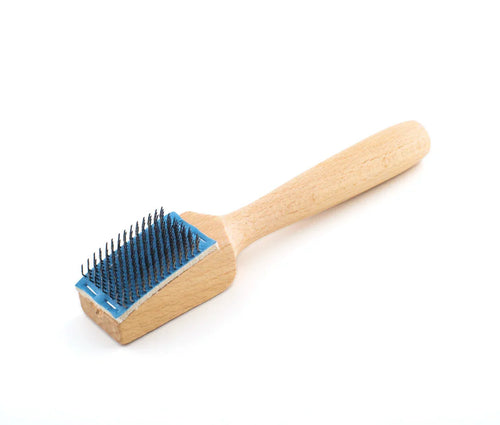
The bottom of the shoe determines how your child moves across the floor. Most classical dance shoes have a suede sole intended to offer the perfect balance between sliding and grip. After a while, dust and floor wax build up, making the sole as slippery as ice. This is dangerous for young dancers' ankles. Use a special shoe brush with steel bristles to roughen the sole again. Always brush from the center towards the toe and heel.
In more modern styles like hip hop, you often see other materials. With sturdy dance sneakers for children, the rubber sole is often equipped with a 'spin point'. Keep these soles free of street dirt by wearing the sneakers exclusively in the studio. Sand and stones from outside can irreparably damage the special dance floor (marley), which will not be appreciated by the ballet school.
Touching up stains and damage
In practice, shoes take a beating, especially in the youngest groups who still move a lot on the ground. Different rules apply to different materials:
- Canvas: You can carefully dab small stains with a mild soap solution, but never fully submerge the shoe.
- Leather: Use a colorless leather balm to keep the material supple. This prevents cracks at the bending points of the toes.
- Satin: This is the most delicate material. For performances and exams, where character shoes for children are often made of satin or fine leather, you can sometimes remove light stains with a soft eraser.
- Elastics and ribbons: Check weekly if the stitching is still secure. An elastic that pulls loose in the middle of a pirouette can lead to nasty falls.
A handy tip I often give parents: put a small bag with activated charcoal or dry tea bags in the shoes when they are in the closet. This absorbs odors and excess moisture, keeping the shoes fresh for the next class. By making these small actions part of the routine, your child also directly learns to take responsibility for their own dance gear.
Safety and Grip
When I'm in the dance studio, the first thing I look at with my students is not their technique, but their feet. Safety begins at the base. A common mistake is the thought that regular gym shoes or bare feet are sufficient for every class. In practice, however, I see that this often leads to slips or, conversely, stiffness that unnecessarily taxes the knees. A dance studio floor is usually a special type of vinyl (marley) or sprung parquet, and each type of dance sneakers for children or other dance shoe reacts differently to it.The balance between sliding and grip
For young dancers, it is essential that a shoe allows them to turn (pivoting), but at the same time offers enough grip not to slip during a big jump. What I often see in children dancing in normal socks is that they over-tighten their muscles just to avoid slipping. This hinders the natural development of the foot muscles. For the very youngest starting with pre-ballet, ballet shoes for girls with a suede sole are the best choice. The suede sole acts as a natural brake: it slides when you apply pressure for a turn, but 'grabs' the floor as soon as you place your weight fully on the foot.Shock absorption and anatomical support
The anatomy of a child's foot is still fully in development; the bones are still relatively soft and the growth plates are vulnerable. In dance styles with high impact, such as hip hop or jazz, good cushioning is crucial. A regular sneaker often has a sole that is too thick or too stiff, causing the child to lose contact with the floor. In practice, I always recommend shoes with a split sole. This ensures that the arch can move freely and the foot can roll properly. For classes where more stability and a small heel are required, such as folk dance or musical class, it is important that the ankle does not roll inward. Sturdy character shoes for children provide the necessary support here. These shoes have a firm heel counter that keeps the heel in place, which is essential to prevent sprains during fast movements across the stage.Practical safety tips for dance class
To ensure your child's safety on the dance floor, you can pay attention to the following points:- Check the soles regularly: Suede soles can become slippery due to dust and dirt. Use a special wire brush to roughen the suede fibers again for optimal grip.
- Fit is priority: Never buy dance shoes "with room to grow". A shoe that is too large causes the foot to slide, causing blisters and instability. There should be a maximum of half a centimeter of space left at the toes.
- Floor type vs. sole: Never use dance shoes with suede soles outside. Once worn outside, dirt and moisture penetrate the leather, causing the shoe to lose its safe properties on the dance floor.
- Check the elasticity: With ballet shoes, I often see that the elastics are pulled too tight, which can hinder blood circulation. Make sure they are secure but not pinching.
Frequently Asked Questions
Which shoes for dance class?
The right shoes for dance class depend entirely on the specific dance style your child practices. For ballet, soft ballet shoes with a full sole are ideal for beginners. For street dance or hip hop, choose sneakers with good cushioning and a non-marking sole. For jazz dance, special jazz shoes or jazz sneakers are most suitable to provide optimal flexibility and grip while dancing.
How old do you have to be to wear ballet shoes?
Children can wear ballet shoes at a very young age, often as soon as they start toddler ballet around the age of three or four. It is important that the shoes fit well and do not hinder the feet in their natural growth. For toddlers just starting out, ballet shoes provide the necessary grip on the dance floor while they learn the basic movements and coordination of ballet in a playful way.
Are ballet shoes for children?
Yes, ballet shoes are essential for children taking ballet classes. They protect the feet and ensure children can safely glide across the dance floor without slipping. Moreover, they help develop the correct foot position and technique from a young age. There are special models for children that offer extra support and comfort, which is crucial for their physical development during active dance lessons.
How do I choose the right size dance shoes for my child?
Choosing the right size dance shoes for children is crucial for comfort and safety. Measure your child's feet accurately and take into account a small growth space of at most 0.5 centimeters. Dance shoes should fit snugly but must absolutely not pinch the toes. Because sizes can vary by brand, it is advisable to always consult the manufacturer's specific size chart for the best fit.
What is the difference between a full sole and a split sole?
For young children just starting out with dance for kids, a full sole is often recommended. This provides extra stability and helps build necessary foot strength. A split sole consists of two parts, making the foot more flexible and better accentuating the instep. This type of sole is usually more suitable for advanced dancers who already have sufficient strength and technique to stretch their feet correctly.
Why can't my child wear regular sneakers during dance class?
Regular sneakers are often too stiff or have soles that leave black marks on the special dance floor. Moreover, they do not offer the flexibility needed for specific dance movements in ballet for children or jazz dance. Special dance shoes are designed to offer the right balance between grip and glide, which prevents injuries. This allows your child to move more freely and learn all techniques correctly without physical limitations.
How do I maintain my child's dance shoes?
Good maintenance significantly extends the life of children's dance shoes. Clean leather shoes with a damp cloth and use a special leather conditioner if necessary. For canvas ballet shoes, a hand wash is often sufficient. Regularly brush suede soles with a special wire brush to maintain grip. Let the shoes air out well outside the bag after each class, but avoid direct sunlight or heat sources, as this can damage the material.
When should my child's dance shoes be replaced?
Dance shoes should be replaced as soon as they become too small or show clear signs of wear, such as holes in the sole or toe. Because children's feet grow quickly, it is wise to check the fit every three to six months. If your child complains of pain or if the shoes lose their shape, it is time for a new pair. Properly fitting shoes are essential to ensure foot health and dance enjoyment.
The beauty of dance for kids is that it's about so much more than just the right steps; it's about confidence, fun, and pure expression. What I especially want to share with you is that the right support forms the foundation for that growing passion. Remember above all that a well-fitting shoe not only prevents injuries but also gives your child the freedom to fully immerse themselves in the music. Whether they dream of Swan Lake or prefer making cool moves, the right foundation makes the difference for their dance pleasure.
Is your little dancer ready for the very first lesson? Then ensure a flying start and check out our ballet shoes girls collection for optimal comfort and the right technique. For the energetic dancers who prefer to explore the hip-hop scene, the models from our dance sneakers children collection offer the perfect mix between grip and flexibility on the dance floor.
Ultimately, there is nothing more beautiful than seeing your child shine while they discover their own rhythm. Give them the confidence to grow, experiment, and chase their dreams. After all, every big jump begins with a solid landing.


