

Table of Contents
- Average Lifespan of Dance Shoes
- Essential Dance Shoe Care
- Choosing the Right Sole
- Cleaning and Stain Removal
- Wearing Dance Shoes Outside
- Recognizing Wear and Replacement
- Frequently Asked Questions
Nothing is more frustrating than noticing halfway through a tango session that you no longer have grip because your soles are completely clogged with dust and wax. Proper dance shoe care is essential to extend the lifespan of your equipment; this includes weekly roughening of the suede sole with a wire brush, thoroughly cleaning the upper material, and allowing them to dry correctly outside of the bag. In the more than fifteen years that I have been teaching, I have seen countless students dance their expensive shoes to pieces within six months, simply by leaving them in a damp sports bag after class.
Personally, I've been using my favorite pair for three seasons, purely by sticking to a strict shoe maintenance routine. It is painful to see how a lack of knowledge about cleaning satin or leather leads to unnecessary expenses and, worse, unsafe situations on the dance floor. That is why today I am sharing the methods I use daily in the studio to keep my equipment in top condition. With the right approach, you ensure that your shoes don't let you down during that crucial turn or jump, so you can fully focus on your technique.
Average Lifespan of Dance Shoes
In the dance world, I am often asked: "How long do my shoes actually last?" The honest answer is that there is no fixed expiration date, but it depends entirely on your discipline on and off the floor. What I often see is that a recreational dancer who attends class once a week lasts about a year to a year and a half with a pair. But are you sweating three or four nights a week during intensive training or social dance evenings? Then you can count yourself lucky if you make it to six months without the sole or the fit starting to deteriorate.
The lifespan is determined by three main factors: the intensity of your footwork, the surface you dance on, and the extent to which you perform dance shoe care. A common mistake I see in beginners is that they put their shoes in an airtight bag immediately after class. Moisture and sweat then soak into the leather or satin, weakening the glue bonds and causing the material to stretch faster. In practice, this means your shoe loses its support long before the sole is actually worn out.
Factors that accelerate wear
Not every dance style puts the same strain on a shoe. In Latin and Salsa, you often see the inside of the heel and the toe wear out faster due to the many turns and the close contact between the feet (the so-called 'brushing'). In Ballroom, wear is often more even, but the heel cap takes more of a beating due to powerful heel starts. Here are some concrete situations that affect the lifespan:
- The floor condition: A rough, poorly maintained wooden floor acts like sandpaper on your suede soles.
- Body heat and moisture: Leather is a natural product. If it doesn't get the chance to air out for at least 24 hours, the material becomes brittle and loses its shape.
- Technique: Imprecise technique, such as landing too heavily on the heel or 'dragging' the feet at the wrong moments, eats up soles.
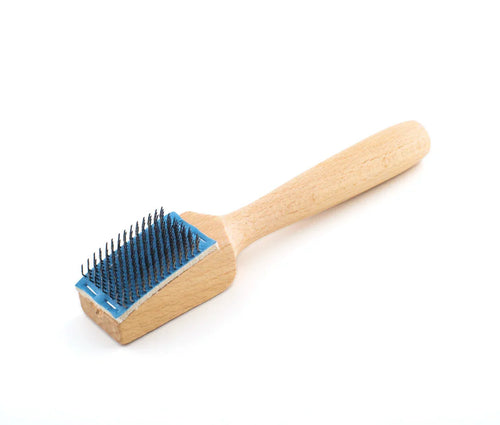
To maximize lifespan, consistent shoe maintenance is crucial. A suede sole that has become 'clogged' with dirt and grease from the dance floor loses its grip and becomes mirror-smooth. Many dancers think at that point that the shoe is 'finished', while they actually only need to clean the sole with a special steel brush to lift the fibers again and restore flexibility.
When are your shoes really due for replacement?
There comes a point where good maintenance is no longer enough. In practice, you recognize this by a few clear signals. First, stability: if the heel cap becomes limp and no longer firmly encloses your ankle, you risk injury. I often see this in shoes that have remained damp too often; the internal reinforcement simply gives up. Second, the thickness of the sole. If you start to feel the wooden or plastic midsole through the suede, you are actually already too late and the cushioning has completely disappeared.
A handy tip I always give my students: alternate between two pairs of shoes. By giving your shoes a day of rest between dance sessions, the material can completely dry out and recover. This often extends the total lifespan of both pairs by more than the sum of their parts. So, rather invest in the right products for cleaning your equipment, because a well-maintained shoe not only dances much more pleasantly but also saves you a lot of money in the long run.
Essential Dance Shoe Care
What I often see in the dance studio is that the lifespan of a pair of shoes is not so much determined by the number of hours on the dance floor, but mainly by what happens in the hours after the lesson. Dance shoes are technical tools, comparable to a musician's instruments. A common mistake I see with many students is that they put their sweaty shoes directly into a plastic bag after an intensive salsa or ballroom lesson and leave them there until the following week. In practice, this ensures that the moisture has nowhere to go, causing the leather to suffocate and the glue bonds to loosen faster.
Proper dance shoe care starts with letting the material breathe. As soon as you get home, it is essential to take your shoes out of your bag. Preferably use wooden shoe trees, ideally made of cedarwood. This not only pulls the moisture out of the leather or satin but also ensures that the toe of the shoe does not start to curl up. I often see this happen with shoes that are simply thrown into a corner; the anatomical shape of the instep disappears, which ultimately comes at the expense of your stability during turns.
Maintenance of the suede sole
The sole is perhaps the most critical part of your equipment. In practice, I see that dancers only think about shoe maintenance when they are literally sliding across the floor because their soles have become mirror-smooth. This is due to a combination of accumulated dust, floor wax, and skin oils pressed into the suede fibers.
- Always brush your soles from the heel toward the toe with a special steel shoe brush.
- Do not apply too much force; the goal is to 'open up' the fibers, not to scrape the suede away.
- If the sole is extremely dirty due to a sticky club floor, use a drop of specific cleaner to dissolve the grease before brushing.
Cleaning and protecting the upper
Whether you dance on leather, suede, or satin, each material requires a specific approach. With leather shoes, I often see the material crack over time at the flex points of the foot. You prevent this by keeping the leather supple with a mild conditioner. For the ladies dancing on satin: this material is beautiful but incredibly vulnerable to stains. A technique I often recommend is to treat new satin shoes immediately with a dirt-repellent spray from our collection for cleaning and protection. Should a stain occur anyway, dab carefully with a slightly damp cloth; never rub hard, as this will damage the delicate weave of the fabric.
Another point I often emphasize is checking the heel tips. On women's heels, I regularly see that the protective tip has worn away completely, exposing the metal pin of the heel. This is not only disastrous for the dance floor, but it can also completely disturb your balance because the angle of the shoe changes. Check your heels weekly and replace the tips sooner rather than later. By making these small actions part of your routine, you will notice that your shoes not only last longer but also retain their supportive properties much longer.
Choosing the Right Sole
In practice, I often see dancers underestimate the impact of the sole on the lifespan of their shoes. Choosing the right sole is not just a matter of personal preference or grip on the floor, but it is the absolute basis for effective dance shoe care in the long run. If you dance on the wrong surface with a sole that is technically not made for it, you will ruin your expensive shoes faster than you'd like. What I often see with students is that they walk quickly to the car or through a damp canteen with their suede soles. That is the shortest route to a hardened, unusable sole.Suede: The Standard for Precision
The suede sole is the undisputed king in the world of salsa, bachata, and ballroom. This material offers the unique balance between glide and grip that you need for fast spins and pivots on the ball of the foot without overloading your knees. In practice, this means the sole reacts to the friction of the wooden floor. A common mistake, however, is neglecting the texture. After a few nights of intensive dancing, skin oils, dust, and floor wax accumulate between the small fibers of the suede. The sole then becomes slippery and 'shiny'. At that point, preventive shoe maintenance is crucial. Use a special steel sole brush to open the fibers again. Always brush from the heel to the toe to avoid unnecessarily damaging the structure. If you skip this, the dirt cakes on so hard that the sole loses its absorbent capacity, which can cause the glue layer between the sole and the shoe to loosen faster due to trapped moisture.Leather and Rubber: Durability and Versatility
In addition to suede, you often see leather soles in Argentine tango and on some training shoes. Leather is much more robust and less sensitive to the environment. Where suede is immediately ruined by contact with a drop of water, a leather sole can handle a bit. Nevertheless, this material also requires attention. A leather sole must be 'broken in' so that it gets the right amount of friction. What I often see with dancers who dance at various locations — from slippery parquet floors to rough concrete floors in an industrial building — is that they choose a hybrid sole or a hard rubber sole. Although this seems less maintenance-sensitive, cleaning these soles after use on a 'dirty' floor is essential to prevent you from scratching the next professional dance floor you stand on.- Suede soles: For indoor use only on clean floors. Use a sole brush weekly to maintain grip and prevent dirt buildup.
- Leather soles: Ideal for dancers who want more slide or dance on varying floors. Keep the leather supple by occasionally applying a minimal amount of specific conditioner to the edges.
- Hybrid/Rubber soles: Perfect for outdoor events or rough floors. Check after each session that there are no stones in the tread that could damage the floor (or your shoe).
Cleaning and Stain Removal
After an intensive evening on the dance floor, your shoes often no longer look as fresh as when you entered the room. What I often see is that dancers leave their shoes in their bag until the next lesson, but that is a common mistake. Stains, sweat, and dust then soak deep into the material, making them much harder to remove. In practice, acting immediately after a social or competition is the secret to a long lifespan for your equipment.
Stains on dance shoes are inevitable. Whether it's a spilled drink along the side of the floor or black streaks from another dancer's heels, each material requires a specific approach. It is crucial here that you don't just start working with a soaking wet cloth, as too much moisture can affect the glue layers of the shoe and ruin the fit.
Cleaning satin and delicate fabrics
Satin shoes are beautiful on the floor, but they are also a magnet for dirt. A technique I always recommend to my students is the 'dabbing method'. Never use a brush on satin, as you will pull the fine fibers apart and the fabric will start to pill. Instead, use a slightly damp, lint-free cloth with a small amount of mild soap. Always work from the outside of the stain inward to prevent the stain from spreading. For truly stubborn stains, it is wise to invest in specialized women's shoe care, so you can be sure the color of the satin does not fade.
- Dab stains dry immediately with a clean cloth.
- Never use aggressive cleaning agents such as benzine on satin.
- Always let the shoes air dry, but never directly near a heater, as the satin can become brittle and tear at the flex points of your foot.
Leather, patent leather and the suede sole
With leather shoes, I often see the leather dry out due to the sweat released during dancing. This salt eats into the material. After dancing, wiping them down with a damp cloth works wonders. If you dance on salsa shoes made of leather, it is essential to nourish them occasionally with a conditioner. Patent leather is another story; here you often see 'scuff marks' or black streaks. You can often carefully remove these with a small drop of olive oil or a special patent lotion on a soft cloth.
Don't forget the bottom either. The suede sole is the contact point with the floor and becomes saturated with floor wax and dust over time, making them mirror-smooth. This is not only annoying for your technique but also dangerous for your ankles. Use a steel sole brush to set the hairs of the suede upright again. Always do this from the heel to the toe. For men's dance shoes, exactly the same applies: a clean, rough sole ensures the necessary control during spins and stops.
Should you have to deal with odors – which is very normal with an active hobby like dancing – never put your shoes in the washing machine. Rather use cedarwood shoe trees or special odor eaters that absorb the moisture. In practice, it also works well to let your shoes air out for at least 24 hours before you use them again, so that the material can fully recover from the strain and perspiration.
Wearing Dance Shoes Outside
In practice, I often see that dancers, especially after an intensive lesson or during a break from a social event, cannot resist the temptation to quickly walk to the car or get some fresh air in their dance shoes. Although it only seems like a few meters, this is one of the fastest ways to ruin your investment. The sole of most high-quality dance shoes for women is made of chrome leather, also known as suede. This material is specifically chosen because of its unique property of offering just enough grip not to slip, but at the same time being flexible enough to make spins and pivots without straining your knees. As soon as this suede comes into contact with asphalt, paving stones, or even an apparently clean parking lot floor, the texture changes irrevocably. A common mistake is the thought that a short walk can't hurt, but the rough structure of outdoor surfaces acts like sandpaper on the soft leather. Within minutes, the fiber structure wears away, making the sole smooth and hard.The invisible enemies: Moisture and Dirt
What I often see is that dancers underestimate how porous a suede sole actually is. Outside, there are oils, greases from cars, and of course, moisture. When you walk on a damp surface with your dance shoes, the suede absorbs it immediately. This causes the sole to become hard when drying, making you lose that essential 'feeling' with the dance floor. Moreover, the hairs of the suede pick up small stones and sand grains. When you then step back into the dance hall, you take this dirt onto the floor with you. This is not only harmful to your own shoes but also to the dance floor and your fellow dancers. The sand acts as an abrasive that damages the lacquer layer of the parquet floor. That is why in most dance schools it is rightly strictly forbidden to enter the hall with outdoor shoes. If you notice that your soles have lost their grip due to dirt buildup, a targeted approach with the right shoe care is the only way to extend the lifespan.Practical tips for on the go
To keep your shoes in top condition, I always advise following a fixed routine. It may seem like an extra step, but it saves you a lot of money and frustration in the long run.- Always change shoes in the changing room or directly next to the dance floor. Wear sturdy sneakers or walking shoes for travel to and from the location.
- Use a special shoe bag with separate compartments. This prevents the dirt from your regular shoes from being transferred to your fragile dance shoes.
- Should you happen to have walked outside accidentally, check the soles immediately. Use a steel sole brush to comb out the dirt before it settles deeper into the fibers.
- Invest in a good maintenance set for dance shoes, so you can regularly roughen the suede soles. This restores the grip lost through natural use and incidental contact with less than ideal surfaces.
Recognizing Wear and Replacement
Your favorite pair of dance shoes feels like a second skin after a while, but there comes a point when that familiar fit starts working against you. What I often see on the dance floor is that dancers continue to walk on shoes that have technically had their day. This is not only detrimental to your technique and balance but can also lead to annoying injuries to your ankles, knees, or even your lower back in practice. The first place you should look at critically is the sole. With suede soles, you often see them 'clog up'. The suede then becomes smooth, shiny, and hard due to a combination of dust, sweat, and accumulated wax from the dance floor. Although you can often restore this with proper dance shoe care and a good wire brush, there is a limit. If the sole has become so thin that you start to feel the structure of the insole through it, you lose the necessary cushioning. Especially with explosive movements in salsa or bachata, that absorption is essential to protect your joints.Structural integrity and stability
A common mistake is ignoring the heel cap and the 'shank' (the bridge of the shoe). Grab your shoe and squeeze the back firmly. If it feels soft and gives way easily, the shoe no longer offers the stability you need for controlled turns. What I often see with intensive dancers is that the heel starts to stand slightly outward or inward over time. This changes your entire anatomical alignment while dancing. During your weekly shoe maintenance, also look for these specific signals:- The heel protectors are worn down so far that the metal pin of the heel becomes visible or touches the floor.
- The insole shows deep impressions of your toes that no longer spring back, meaning the cushioning layer is completely flattened.
- Cracks appear in the satin or leather at the flex points of the forefoot, reducing lateral support.
- The shoe begins to 'overhang' the sole sideways, a sign that the material has stretched and no longer keeps your foot centrally above the sole.
When cleaning no longer helps
Sometimes dancers think that a thorough cleaning with specific cleaning products can solve any problem. But if the odor remains in the insole despite airing and treatment, that is often a sign that bacteria have nested deep within the fibers. This eventually affects the materials from the inside out. In practice, you notice it's time for replacement when you find you have to work harder to maintain your balance during simple exercises at the barre or during center work. If your feet get tired faster after a lesson than before or if you experience cramps in your arch more often, there is a good chance that the internal support of the shoe has disappeared. A worn-out shoe forces your muscles to constantly correct for the lack of stability, which ultimately stands in the way of your dancing pleasure and progress.Frequently Asked Questions
How long do dance shoes last on average?
On average, dance shoes last between six months and two years, depending on the intensity of use and the quality of maintenance. With weekly intensive dancing, the soles and insoles wear out faster. By airing your shoes well, regularly brushing the suede sole, and using shoe trees, you can significantly extend the lifespan to the upper end of this estimate.
Which sole for dance shoes?
Most dance shoes have a suede sole, which offers the ideal balance between grip and glide on wooden dance floors. For specific styles like street dance or outdoor performances, rubber soles are often used for more durability. Leather soles are also popular with ballroom dancers who want to turn more. Choose the sole that fits your dance style and the surface you dance on most.
How many kilometers does a shoe last?
While running shoes usually need to be replaced after 600 to 800 kilometers, this is harder to express in kilometers for dance shoes. Dance shoes are exposed to lateral movements, turns, and friction at specific points. Instead of kilometers, you should look at the state of the cushioning and the grip of the sole. Once the support decreases or the sole wears through, they need to be replaced.
Can you wear dance shoes outside?
It is strongly discouraged to wear dance shoes with suede soles outside. Moisture, dirt, and rough surfaces like asphalt damage the delicate suede irreparably, causing the grip on the dance floor to disappear. Still want to dance outside? Then choose special dance sneakers with a rubber sole or use protective covers over your shoes while walking to the studio to ensure lifespan and quality.
How can I best clean my suede dance soles?
You clean suede soles effectively with a special steel dance shoe brush. Brush the sole from the heel to the toe to roughen up accumulated dirt and flattened fibers again. Do this regularly, preferably after every dance lesson, to prevent grease and dust from forming a hard, slippery layer. Never use water on suede, as this makes the material hard and can dissolve the glue.
What should I do if my dance shoes smell?
Unpleasant odors are caused by bacteria in sweat. To prevent this, it is essential to take your shoes out of your bag immediately after dancing and let them air out. Use cedarwood shoe trees to absorb moisture and maintain shape. For stubborn odors, you can use special shoe deodorant or baking soda. Always wear clean socks or stockings to limit the absorption of sweat into the material.
When is it time to replace my dance shoes?
You should replace your dance shoes when the sole becomes too thin, shows holes, or the cushioning has completely disappeared. Also, if the upper material tears or the heel no longer feels stable, replacement is necessary for your safety. Dancing on worn-out shoes can lead to injuries to knees and ankles. Good maintenance postpones this moment, but eventually every material loses its necessary functional properties.
The beauty of good dance shoes is that with the right attention, they last for years, even if you are on the dance floor every night. What I especially want to tell you is that small, daily habits make the biggest difference for lifespan. Think of regularly brushing your suede soles for that essential grip and always letting your shoes air out well after an intensive lesson. Proper dance shoe care is not a time-consuming chore, but a valuable investment in your own dancing pleasure and physical comfort.
When you are consistent with shoe maintenance and cleaning the material in time, you will notice that your shoes remain supple and retain their perfect fit. If you are still looking for the right tools to keep your favorite pair in top condition, check out our women's shoe care collection for all essential products. Remember above all that well-maintained shoes give you the stability and confidence to fully immerse yourself in the music. Let your feet shine, while your shoes effortlessly support you with every turn you make.


