

Table of Contents
- Properties of Leather Dance Shoes
- Benefits of Canvas Dance Shoes
- The Elegance of Satin
- Choosing the Right Material
- Maintenance per Material Type
- Comparing Durability and Comfort
- Frequently Asked Questions
Nothing is more frustrating than starting a pirouette and getting stuck halfway to the floor because your shoes simply won't cooperate. The right dance shoe material determines not only how you look on the dance floor, but especially how you move, turn, and protect your joints. Basically, you choose between leather for durability and grip, canvas for maximum flexibility and ventilation, or satin for the specific balance between elegance and suppleness needed in ballroom or Latin.
In the years I've been teaching, I've seen countless students struggle with painful blisters or tired feet, simply because they chose the wrong fabric for their specific dance style. Leather dance shoes are my personal favorite for intensive weekly training sessions; they mold to your foot over time like a second skin, provided you have the patience to break them in properly. Canvas dance shoes, on the other hand, are a blessing for dancers who get hot feet quickly or for those looking for a shoe that is comfortable straight out of the box and easy to maintain. We usually save satin for competitions and performances, because the fragility of the fabric requires a refined technique and a clean floor. The right choice depends entirely on your level, your discipline, and how often you are on the floor per week.
Properties of Leather Dance Shoes
When you step onto the dance floor, leather is often the first material you think of. In practice, I see experienced dancers almost always return to this, and not without reason. Leather is a natural product that behaves like a second skin. What I often see with beginners is that they buy their first pair of leather dance shoes a bit too large because they need to feel 'nice' in the store. That is a common mistake. Leather stretches due to the heat and moisture of your feet. If a shoe already fits perfectly in the store, you'll likely be swimming in it after three months of intensive use.
In my classes, I always explain that a leather shoe can even feel a bit uncomfortably tight at first. After a few weeks of training, the material molds exactly to the anatomy of your foot, including those tricky bunions or a high instep that standard sizes often don't account for. This ensures unparalleled precision in footwork. Whether you're doing a double spin in salsa or practicing a sharp tango roll-through, the shoe moves with you instead of working against you.
Durability and Firmness on the Floor
Another major advantage of leather is its firmness. Compared to canvas, leather offers much more lateral support. This is crucial for dance styles where you spend a lot of time on the ball of your foot or make quick sideways movements. I often notice that dancers with weak ankles benefit much more from sturdy leather jazz shoes than from a flimsy fabric version. The material holds the foot in place, which significantly reduces the risk of injury.
Furthermore, leather is simply the most durable material. While a canvas shoe can show holes at the toes after six months of intensive use, leather lasts for years with proper maintenance. Here are a few practical things to look out for when using leather:
- Break-in time: Count on at least 5 to 10 hours of dancing before the shoe takes its final shape. You can wear them at home with thick socks to speed up the process.
- Breathability: Although leather is a natural product, it breathes less quickly than open-weave canvas. Always use wooden shoe trees after dancing to draw moisture out of the leather.
- Maintenance: Occasionally use a specific conditioner. Dry leather becomes brittle and can crack at the flex points of your toes.
When do you specifically choose leather?
In practice, I recommend leather primarily for ballroom, Latin, and social dance styles like salsa or bachata. The look is more professional, and the shoe retains its shape better during long nights out. If you look at women's ballroom shoes, for example, you see that leather is often preferred over satin for training sessions, simply because it gets dirty less quickly and is easier to clean with a damp cloth.
Of course, there is a price tag attached, but if you calculate the cost per dance hour, leather often turns out to be cheaper than canvas. After all, you don't have to buy a new pair every season. Make sure you choose high-quality nappa or calf leather; this is more supple than cheaper split leather, which often continues to feel stiff around the joints of the foot. A good leather shoe should feel like an extension of your leg, not like a weight on your foot.
Benefits of Canvas Dance Shoes
In the studio, I often see a clear divide between dancers: the group that swears by the classic look of leather and the group that chooses the direct feel of canvas. What I often notice with my students is that canvas is a huge favorite for daily, intensive training. The biggest advantage I experience in practice is the way the material immediately conforms to the unique shape of your foot. Unlike leather, you don't have to 'break in' canvas for weeks before it sits comfortably.
Superior floor connection and articulation
In practice, the main reason to choose canvas is the direct 'feedback' you get from the floor. Because the material is thinner and more flexible than leather, you can articulate your feet much more precisely. Think of the moment you do a tendu or a dégagé; you feel the muscles in your arch and the position of your metatarsals working much better. This is essential for developing strong technique and a beautiful line.
A common mistake is that dancers choose a shoe that is too loose 'to grow into'. With canvas, that is disastrous for your balance. For dancers who want to work seriously on their footwork, I often recommend looking at canvas ballet shoes with a split sole. This construction ensures that no excess fabric hangs under your arch when you fully point your foot, which is often the case with leather if the fit isn't 100% perfect.
Breathability and hygiene in practice
What I often see during long rehearsal days is that feet in leather shoes become very hot and clammy. Canvas is a natural, woven material that wicks heat and moisture away much faster. This is not only more pleasant for your skin, but it also prevents your foot from sliding in the shoe due to sweat—something that can significantly disrupt your stability during pirouettes.
A practical advantage that is often overlooked is maintenance. Where leather can become stiff after contact with moisture, you can throw most canvas models in the washing machine on a cold cycle. Note: never put them in the dryer, as they will immediately shrink half a size. After washing, they often feel like new again, which significantly extends the lifespan for daily use.
- Immediate fit: Canvas hardly stretches over time, which means the size you buy is the size you'll dance in.
- Lightweight feel: You hardly feel like you're wearing anything, which helps with fast jump combinations (petit allegro) where foot speed is crucial.
- Value for money: For students who go through multiple pairs per season, canvas dance shoes are often the most economical choice without sacrificing training quality.
The right choice for technique development
While leather lasts longer with intensive use on rough floors, canvas offers an honesty that leather sometimes masks. If you don't spread your toes properly or don't distribute your weight correctly over your forefoot, you feel it immediately in a canvas shoe. For modern dance or ballet classes involving a lot of floor work, canvas provides exactly the right amount of friction; you can slide when you need to, but you have enough grip not to slip during a powerful push-off. If you find that you often 'stick' to the floor in leather shoes during humid weather, switching to canvas is often the solution you're looking for.
The Elegance of Satin
When you walk onto a competition floor in ballroom or Latin, you see almost nothing but satin. It is the gold standard, and for good reason. What I often see with my students is that they initially choose satin for the shine, but technically there is much more to it. Satin is not a skin but a woven fabric that behaves very differently on your foot than leather dance shoes. Where leather molds to your foot over time and stretches significantly, satin retains its original shape and firmness much longer. This is crucial for stability during fast spins and complex figures where your foot absolutely must not slide inside the shoe.The visual extension of the legs
In practice, the main reason for wearing satin is aesthetics and the "line" of the body. For Latin dancers, the goal is often to have the shoe blend with the color of the legs or tights. This creates an unbroken line from the hip to the toe, making your legs look optically longer and your footwork more clearly visible to a jury. A common mistake I see with beginners is that they choose a color that is too light for their skin tone, causing the shoe to draw all the attention and 'break' the visual line. Most professional Latin shoes in satin are therefore made in specific shades such as 'flesh', 'tan', or 'dark bronze'. Additionally, satin has a unique practical property: it can be dyed. For formation dancing or specific show costumes, I often see dancers dye their white satin shoes to exactly match their outfit. That is something you simply cannot do with canvas dance shoes or leather at the same professional level of finish. It provides a uniformity that is indispensable on stage.Fragility and maintenance in practice
While satin is beautiful, I must be honest about its durability. Satin is a delicate fabric. One wrong move where the toe of your shoe scrapes hard against the parquet floor—what we often call a 'floor burn' in the studio—and the fibers can be irreparably damaged. In practice, I see that experienced dancers often save their satin shoes only for competitions and performances, while doing their daily training hours in more durable material. To keep your satin shoes in top condition longer, I always follow these rules:- Use heel protectors from day one; this prevents the satin at the heel from touching the ground directly and starting to fray there.
- Never clean stains with a soaking wet cloth; water can cause rings in the delicate weave of the fabric that you can never get out.
- If a thread does come loose at the toe, carefully cut it off and touch it very lightly with clear nail polish to prevent further laddering.
- Always let your shoes air out outside of your bag after dancing. The glue bonds in satin shoes are sensitive to moisture and heat, and can come loose if they don't dry properly.
Choosing the Right Material
What I often see in the dance studio is that students choose their first pair of shoes based on what looks good in the mirror. But in practice, the dance shoe material determines not only how long your shoes last, but also how your foot makes contact with the floor. A common mistake, for example, is buying leather shoes that feel "nice" immediately. Leather stretches due to the heat and friction of your feet during dancing. If they already feel comfortably loose in the store, you'll likely be swimming in them after three classes, which does not benefit the stability of your ankles and the control over your feet.Leather: Durability and Shaping
With leather dance shoes, it's all about molding to the unique anatomy of your foot. Leather acts as a second skin after a few lessons. For styles like jazz or Latin, this is essential because you work a lot with articulating your arch and rolling through the foot. If you choose quality leather jazz shoes, for example, you will notice that the shoe eventually follows the exact contours of your metatarsals. This provides support that synthetic materials simply cannot mimic. The downside is that leather breathes less well than canvas. In practice, this means you must take your shoes out of your bag to air out after every class; if you don't, the salt from your sweat will attack the leather, making it hard and brittle.Canvas: Feel and Convenience
If you prefer to feel direct contact with the floor, canvas dance shoes are often the better choice. What I often advise dancers who have trouble with their 'point' or feeling the floor is to switch to canvas. Because this material is thinner and more flexible than leather, it forces you to use your intrinsic foot muscles more actively. In practice, I see this especially in ballet classes; canvas split-sole shoes show off the arch of the foot beautifully during a stretch. A practical advantage is that you can often just throw canvas shoes in the washing machine on a cold cycle, which is very pleasant from a hygiene perspective. Be aware that canvas wears out faster at the toes, especially if you drag them across the floor during transitions. For beginners still working on their technique, basic canvas ballet shoes are an excellent and affordable start.The Practical Trade-off
Satin is the third option you see often, but this is really a material for specific purposes. Satin is mainly used for pointe shoes and ballroom or Latin shoes because of its elegant appearance under stage lights. However, it is extremely fragile; one wrong scrape against the floor and you have a permanent snag in the fabric. Here are the most important points to remember when making your choice:- Choose leather if you want to make a long-term investment and need extra support around the arch.
- Choose canvas if you have a narrow foot that needs maximum flexibility and you prefer a more direct 'floor feel'.
- Keep in mind that leather should always fit tightly at purchase, while canvas hardly stretches after the first wear.
- Always check the sole: leather and canvas are often combined with a suede sole for the right balance between grip and glide.
Maintenance per Material Type
What I often see in the dance studio is that dancers spend hundreds of euros on the perfect shoe, only to leave them unattended in a damp bag after class. That is the fastest way to ruin your investment. Good maintenance isn't just about appearance; it preserves the structural integrity of the shoe, which directly affects your technique and ankle support. Each type of material reacts differently to sweat, friction, and the condition of the dance floor.Keeping leather dance shoes supple
A common mistake with leather is the idea that it is 'indestructible'. Leather is a natural product that needs to breathe. In practice, I often see the material crack over time, especially at the flex points of the forefoot. This happens when the leather dries out due to the salt in your sweat.- Use cedar shoe trees after every class. These absorb moisture and keep the shape of your leather dance shoes intact, so the toe doesn't start to curl.
- Polish the leather regularly with a neutral shoe cream. This nourishes the material and keeps it supple for those deep pointes.
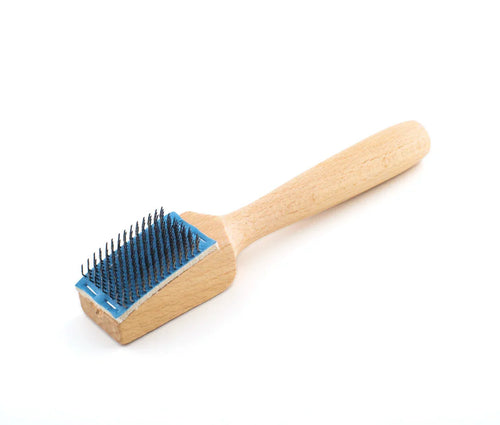
- Don't forget the suede sole. As soon as it becomes smooth due to accumulated dust, you lose your grip during spins. Use a steel sole brush to raise the fibers again, but always brush from the center to the edges to prevent damage.
Canvas and the battle against wear
Canvas is loved for its flexibility and the fact that it feels 'danced-in' immediately. However, what I often see with students is that they simply throw their canvas dance shoes in the washing machine when they are dirty. Never do this. The heat attacks the glue bonds between the sole and the fabric, and there's a good chance your shoes will shrink unevenly, losing your anatomical fit. In practice, spot cleaning works much better. Use an old toothbrush with a very small amount of mild soap to clean stains on the arch or heel. Canvas absorbs much more odor than leather, so always let them air out for at least 24 hours outside your bag. If you notice the fabric getting thin at the big toe—a common problem for dancers with a strong push-off—you can stick a small piece of sports tape on the inside to extend the life of the material.Satin: The delicate approach
Satin is undoubtedly the most fragile material. It's beautiful for competitions but a nightmare when it comes to stains. A common frustration is the 'water spot': if you try to clean one spot, you get a ring larger than the original stain. With satin, it's all about prevention. Because the right dance shoe material is essential for your presentation on the floor, I recommend spraying satin shoes with a dirt-repellent protector before the first use (always test this first on an inconspicuous spot at the heel). If a stain does occur, use a slightly damp cloth and dab gently; rubbing destroys the shine and the direction of the fibers. For ballroom dancers, it's also smart to wear heel protectors; this not only prevents wear of the heel itself but also protects the satin at the back from friction during fast footwork combinations and backward steps.Comparing Durability and Comfort
In the studio, I often see dancers make the mistake of confusing comfort with a shoe that feels 'nice' from the very first second. In practice, however, that is a pitfall. A shoe that immediately feels like a soft slipper often lacks the structure to support intensive footwork for months. When we look at the most chosen dance shoe material, the battle between leather and canvas is one of long-term endurance versus direct contact with the floor.
The lifespan of leather versus the flexibility of canvas
What I often see with students who choose leather dance shoes is that they have to persevere at first. Leather is a natural product that must mold to the anatomy of your foot, specifically around the metatarsals and the heel. A common mistake is buying leather shoes too large because they feel tight in the store. Don't do this. After about three weeks, you'll notice the leather becomes more supple due to your body heat and follows those unique bumps or the width of your foot. In terms of durability, leather almost always wins; with intensive use (think 3 to 4 training sessions per week), a leather sole or upper simply develops holes less quickly than textile.
With canvas ballet shoes or jazz sneakers, the focus is much more on immediate comfort and 'feeling'. Canvas hardly stretches. What you buy is what you get. In practice, this means you can immediately create a good 'line' with your foot, which is essential for pointe preparation or modern work. The downside? The fabric wears out faster in the spots where you turn a lot (the ball of the foot). If you dance a lot on a rough wooden floor, you'll see that canvas thins faster than leather.
Practical considerations for daily use
Besides lifespan, hygiene and maintenance also play a big role in how comfortable your shoes continue to feel. Nothing is more annoying than a shoe that starts to feel soggy or smell after a month. Here are a few observations from daily dance practice:
- Breathability: Canvas is the absolute winner if you suffer from sweaty feet. The weave allows air through, keeping your feet cooler during intensive allegro training. Leather retains heat, which can be nice for keeping your muscles warm but is less pleasant in an overheated studio in the summer.
- Maintenance: A common mistake is washing dance shoes in the washing machine. Although canvas can sometimes handle a cold cycle, it often ruins the glue bonds. Leather should never go in the machine; you must maintain it with a specific brush for the suede sole to retain grip.
- Aesthetics and Satin: Satin is often chosen for performances or ballroom competitions. Although satin dance shoes look beautiful under the spotlights, durability is low. One scrape against your partner's heel and there's a 'run' in the fabric. So use satin really for the stage and not for your daily technique class.
If you're torn between materials, look at your training schedule. Do you dance recreationally once a week? Then the immediate comfort of canvas or soft synthetic leather is often sufficient. However, if you plan to be on the floor daily, invest in leather. It takes more time to break in, but your ankles and arches will thank you for the stability the material provides as the shoe molds to your technique. When fitting, make sure there is no dead space at the arch of your foot; the material should fit snugly there to prevent cramping in the sole during pointing.
Frequently Asked Questions
Which material is best for a beginner dancer?
For beginner dancers, choosing the right dance shoe material is essential for comfort and technique. Leather dance shoes are often recommended because they provide extra support and mold perfectly to the shape of your foot over time. However, canvas is a more budget-friendly alternative that is easier to maintain. Ultimately, the choice depends on your personal preference and the type of dance class.
How long do leather dance shoes typically last with intensive use?
Leather dance shoes are known for their excellent durability and long lifespan. With intensive weekly use, they can often last one to two years if properly maintained. The material is highly resistant to friction and wear on the dance floor. By regularly cleaning and nourishing the leather, it remains supple and you prevent the material from drying out or cracking while dancing on the floor.
Can I just wash canvas dance shoes in the washing machine?
Yes, a big advantage of canvas dance shoes is that they can often be washed in the washing machine on a cold cycle. Always use a laundry bag to protect the shoes and let them air dry, never in the dryer or on a heater. This makes canvas a very hygienic choice for dancers who sweat a lot during their training sessions or rehearsals in the studio.
Why is satin mostly used for competition shoes in ballroom?
Satin is praised for its elegant appearance and the way it reflects light on stage. Furthermore, satin dance shoes can be easily dyed to exactly match the color of a competition dress. Although the material is more fragile to stains and damage than leather or canvas, it provides the professional and refined look required during official dance competitions and gala performances for an audience.
How much do the different materials stretch over time?
The stretching capacity varies greatly per dance shoe material. Leather dance shoes stretch the most and mold like a second skin around your feet. Canvas hardly stretches, meaning the fit must be right from the start. Satin has almost no stretch, which means these shoes should feel comfortable immediately. Keep this in mind when fitting, so you don't end up with shoes that are too loose after use.
Which material is the most breathable for hot summer days?
For dancers who suffer from hot feet, canvas dance shoes are the best option. Canvas is a naturally woven fabric that allows air through, keeping your feet cooler during intensive sessions. Although leather is also a natural product, it retains heat and moisture more quickly than canvas. For maximum ventilation and a fresh feeling, we therefore recommend choosing a light canvas shoe during training.
Are there specific benefits to combining different materials?
Some modern dance shoes combine materials, such as a leather toe with a canvas heel, to offer the best of both worlds. This provides the durability and protection of leather in wear-prone areas, while the canvas part provides flexibility and better breathability. Such hybrid models are ideal for advanced dancers looking for a specific balance between firmness, comfort, and long-lasting performance.
The beauty of choosing the right dance shoe material is that you can perfectly tailor your shoes to your unique dance style and personal needs. What I especially want to share with you is that the choice between leather, canvas, or satin goes beyond just aesthetics; it directly influences your technique and your endurance on the floor. Remember especially that the durability of leather dance shoes is ideal for dancers looking for a shoe that molds seamlessly to the foot, while canvas provides that desired ventilation and flexibility during intensive training.
Ultimately, your shoe is the most important tool that translates your passion into fluid movements. If you want to grow seriously in your technique and give your feet the support they deserve, check out our versatile dance shoe collection to find the material that suits you. A conscious choice in material is a direct investment in your own dance enjoyment. Let the quality of your shoes form the basis, so you can completely lose yourself in the music and the magic of every movement.


