

Table of Contents
- Why the Right Dance Shoes?
- Top Dance Shoe Brands
- Capezio: Iconic & Versatile
- Bloch: Comfort & Quality
- Dance Naturals: Latin Expert
- Choosing: Your Perfect Pair
- Maintenance: Tips & Tricks
- Frequently Asked Questions
Choosing the right dance shoes? For many, that's a bigger challenge than the choreography itself! That's exactly why today I'm diving into the world of the most renowned dance shoe brands with you, so you know exactly what to look for and which brands matter. In my lessons, from pointe work to salsa, I see time and again that the right shoe makes the difference between frustration and pure dance joy. After all, good dance shoes are not a luxury, but an essential extension of your body, giving you the stability, comfort, and confidence to express yourself fully on the floor.
We're going to talk about the absolute top brands that I've been recommending for years: think of the versatility of Capezio, the elegance of Bloch, and for lovers of ballroom and Latin, the unparalleled quality of Dance Naturals. Each of these dance shoe brands has its own specialties and fits, and I'm happy to help you navigate the options. Whether you're a beginner looking for your first pair, or an experienced dancer wanting to expand your collection, after this guide you'll know exactly which shoe best suits your style and feet. Let's make sure your dance steps are always comfortable and full of confidence.
Why the Right Dance Shoes?
As a dancer, and someone who has been on the dance floor for years, I can tell you from personal experience that the choice of your dance shoes is just as crucial as the technique you learn. It's not just an accessory; it's the foundation you build on, your extension, and an important factor for both your performance and your health. What I often see, especially with beginners, is that they underestimate the impact of the right shoes, with all the consequences that entail.Injury Prevention and Support
One of the most important reasons for the right dance shoes is injury prevention. Over the years, I've seen too many dancers go on for too long in sports shoes or even bare feet, resulting in ankle sprains, knee problems, or chronic pain in the feet. Ordinary shoes are simply not designed for the specific movements that dance requires: the turns, the jumps, the rapid changes of direction. A common mistake is wearing shoes with too much grip, which puts an enormous strain on your knees when you try to pivot. Dance shoes provide the necessary support to your arch and ankle, while guaranteeing the right amount of friction with the floor. For ballet dancers, for example, the fit of pointe shoes or Capezio ballet shoes is vital to protect the delicate bones of the foot and promote proper alignment. The cushioning and flexibility are tailored to the impact of jumps and the articulation of the foot.Technique and Performance Improvement
In addition to injury prevention, your shoes play a direct role in your technique and performance. Think of the fluidity of a turn in a ballroom dance, or the sharpness of a pirouette in classical ballet. The right sole, the right material, and the right fit make the difference. For styles like salsa, tango, or ballroom, where fluid transitions and rapid foot movements are central, shoes with a suede sole are essential. They let you slide just enough to move smoothly, but at the same time offer enough grip for stability. I notice in practice that dancers who switch to special Dance Naturals salsa shoes immediately see an improvement in their turning technique and balance. They feel more confident and can concentrate fully on their movements instead of struggling with their footwear. Moreover, the flexibility of dance shoes helps your feet perform the movements correctly and strengthen your foot muscles, which is crucial for the development of a strong and expressive foot.Comfort and Durability
Dance lessons or rehearsals often last for hours, and you don't want to be distracted by discomfort. Blisters, pressure points, and a pinching sensation can take away your pleasure and affect your concentration. Well-fitting dance shoes are designed to be comfortable, even after long sessions. They are made of breathable materials and often have a lining that wicks away moisture, contributing to hygiene and comfort. And even with the best shoes, extra care is sometimes necessary; accessories such as Bunheads toe pads can make a world of difference for pressure points, especially with pointe shoes, allowing you to dance longer and more comfortably. Ultimately, good dance shoes are an investment. They last longer than ordinary shoes under the intensive load of dance, and the benefits for your health and performance are priceless.Top Dance Shoe Brands
As a dancer, you know that the right pair of shoes can make the difference between a good and a fantastic performance, or simply between comfort and injuries. I've tried countless brands over the years, and what I often see is that beginners tend to skimp on shoes, while this is precisely the foundation of your dance. It's just like an athlete wearing the wrong sports shoes; your performance suffers and you risk problems. Important to know: the top brands I recommend time and again in practice.Capezio: The Versatile Pioneer
Capezio is a name you come across almost everywhere in the dance world, and for good reason. This brand has a rich history dating back to 1887, and they have proven themselves over the years as a reliable producer of dance shoes for a wide range of styles. What I like so much about Capezio is their consistency in quality and their ability to serve both beginners and advanced dancers. For ballet dancers, for example, they offer excellent soft ballet shoes that hug the foot well and emphasize the line of the foot. And for jazz or character dancers, their models are often robust and offer a lot of support, which is essential for fast movements and pivots. I often see students starting theater dance or jazz automatically reaching for Capezio. Their Capezio dance shoes are a safe and solid choice, and I danced in their jazz shoes for shows for years. They are durable and offer a good balance between flexibility and support, which is crucial for the fast transitions and turns you encounter in these styles.Bloch: Elegance and Precision
Bloch is another iconic brand, often seen as the direct competitor to Capezio, especially in the ballet world. Where Capezio is known for its versatility, I notice in practice that Bloch is often preferred by dancers looking for a refined fit and a specific feel. For pointe shoes, for example, Bloch offers a wide range of models, each with subtle differences in box, shank, and wing, to perfectly match the unique anatomy of each foot. What I often hear from advanced ballet dancers is that Bloch shoes offer an unparalleled sense of connection with the floor. Their soft ballet and demi-pointe shoes are designed to flatter the foot while providing optimal flexibility and support for the arch. It is the attention to detail and the focus on classic lines that makes Bloch so beloved, especially among dancers who value aesthetics and precision in their technique.Dance Naturals: The Specialist for Ballroom and Latin
When we talk about ballroom, Latin, or salsa, I can't ignore Dance Naturals. This Italian brand specializes in shoes specifically designed for the demands of these dance styles, and you notice that immediately. A common mistake among Latin dancers is underestimating the importance of a good sole and heel stability. With generic shoes, you quickly lose contact with the floor and risk injury due to insufficient support. Dance Naturals shoes offer an unparalleled combination of flexibility, stability, and comfort. The soles are often made of suede, which provides the perfect grip and glide on a dance floor without sticking. The heels are sturdy and well-balanced, which is essential for the complex foot patterns and weight shifts in, for example, a rumba or cha-cha-cha. I have experienced firsthand how a good pair of Dance Naturals shoes can significantly improve your balance and grounding, allowing you to move with more confidence and precision. They may be an investment, but in practice, I see that they more than pay for themselves in comfort and durability. In short, the choice of brand depends heavily on your dance style and personal preference. But with brands like Capezio, Bloch, and Dance Naturals, you can be sure you're making a high-quality choice that takes your dance to a higher level. Invest in your feet; they carry you through every pirouette and pas de deux!Capezio: Iconic & Versatile
If you've been dancing for more than a few months, chances are you've already come across the name Capezio. To me, Capezio is more than just a brand; it's a piece of dance history that is still relevant today. It's one of those names you hear in almost every dance studio, from ballet to jazz and even in the theater world. I still remember my first pair of jazz shoes – of course, they were Capezios. They were known for their durability and comfort, and that's something I've seen confirmed time and again in practice.The Power of Tradition and Innovation
What makes Capezio so iconic is the perfect balance between tradition and innovation. The brand has been around since 1887 and has built up unprecedented expertise in making dance shoes over the years. They started with ballet shoes, and their ballet lines, such as the classic "Hanami" or the "Daisy," are still favorites among many dancers. What I often see with young ballet students is that they start with Capezio's entry-level models, which provide a good foundation for technique development without immediately paying top price. But Capezio doesn't stop at ballet. They also have a huge range of jazz shoes, tap shoes, character shoes, and even sneakers for hip-hop or general training. Whether you're looking for the perfect split-sole jazz shoe for those fluid pirouettes, or sturdy tap shoes that produce a clear sound, you'll often find it in their collection. I recommend you take a look at our extensive collection of Capezio dance shoes to see which variant best suits your style.Fit and Functionality: What Counts in Practice
A common mistake, especially among beginning dancers, is underestimating the importance of a good fit. With Capezio, as with any other quality brand, the fit is crucial. A shoe that is too large provides no support, and a shoe that is too small pinches and can even cause injuries. What I always tell my students is that your shoes should be an extension of your feet. For ballet shoes, for example, it is essential that the shoe fits well without pinching, so you can feel the floor well and stretch your feet optimally. With jazz shoes, you want flexibility in the sole, but sufficient support for your midfoot. In addition, the functionality of the shoe is of great importance. Think about the materials: leather for durability and breathability, canvas for a softer feel and easy maintenance. For pointe shoes, where Capezio also has a strong line, the construction of the box and the shank is of vital importance for the safety and development of the foot. Good support and the right accessories are indispensable here. A tip I often give: invest in quality accessories such as toe protectors or elastics. You can also find these, for example, in our Bunheads accessories collection, which perfectly match the needs of ballet dancers who wear a lot of Capezio.More Than Just Ballet: The Broader Dance World
Although Capezio has built a huge reputation in classical dance forms, it's important to remember that the dance world is broad. For styles such as salsa, ballroom, or Latin dancing, where specific pivot points and flexibility in the sole are valued differently, other brands may offer more specialized options. In practice, I often see dancers who practice multiple styles having a mix of brands in their bag. You have your Capezio jazz shoes for one class, and for your salsa class, you might reach for a brand that focuses purely on the requirements of Latin dance. Think, for example, of the specific flexibility and suede soles you need for fast turns and floor contact in salsa. For these specialized needs, I would recommend you also take a look at our Dance Naturals shoe collection, known for their high-quality finish and functionality for ballroom and Latin dancers. Ultimately, it's about finding shoes that optimally support your feet and help you deliver your best performance, regardless of the dance style.Bloch: Comfort & Quality
If you've been dancing for a while, or are just starting out, you'll inevitably come across the name Bloch. And rightly so, because what I often see in the studio is that dancers who choose Bloch rarely want to go back. This brand has truly built a reputation for comfort and reliability, and for good reason.Why Bloch Stands for Comfort
What sets Bloch apart is the attention to fit and materials. They often use soft, breathable fabrics like canvas and leather that mold beautifully to your foot. I remember a student of mine who always struggled with blisters after a long rehearsal and switched to Bloch jazz shoes. The relief was enormous. The extra cushioning in the sole and the flexibility of the material meant she could finally focus on her pirouettes instead of on aches and pains. A common mistake when choosing dance shoes is that people only look at the outside. But with Bloch, the magic is often in the details you don't immediately see:- The way the seams are finished to prevent irritation.
- Strategically placed cushioning that absorbs shock, especially important during jumps and landings, which reduces the impact on your joints.
- The flexibility of the sole, which allows you to fully articulate your foot, essential for good technique in, for example, ballet or modern dance.
The Unparalleled Quality of Bloch
In addition to comfort, the quality of Bloch shoes is something you can rely on. In practice, this means your shoes last longer, even with intensive use. I've known dancers who had their Bloch ballet shoes or jazz shoes for years, and they still looked fine. This is no accident; it is the result of careful craftsmanship and durable materials. Think, for example, of the strength of the stitching, the robustness of the soles, and the quality of the leather. A good pair of dance shoes is an investment in your dancing pleasure and your technique. It's a shame to skimp on something that so directly affects your freedom of movement and your feet. For styles such as salsa or ballroom, where the focus is more on fluid turns and heel height, salsa shoes are often a better choice than Bloch's flat jazz shoes, but for classical disciplines and modern, they are often the absolute top.Bloch in Practice: Tips for Choice and Maintenance
If you're considering purchasing Bloch shoes, pay close attention to the fit. Every foot is different, and although Bloch is known for its comfort, the correct size and width are crucial. Always try on both shoes and move in them. Do you feel pressure points? Does it pinch anywhere? Then it's probably not the right size. Regardless of the brand, good foot care is essential. If you're considering pointe shoes, for example, accessories like toe protectors are indispensable for comfort and preventing injuries. And don't forget that even the best shoes need maintenance. Polish leather shoes regularly and let them air out after every training session. Choosing dance shoes is very personal. While Bloch is a fantastic choice, it's good to know that there are other top brands as well. In addition to Bloch, there is of course also Capezio, another top brand with its own philosophy and fit, which might work just a bit better for some dancers. The most important thing is that you find shoes that offer your feet the support and comfort they deserve, so you can fully focus on your passion: dancing.Dance Naturals: Latin Expert
As a Latin dance instructor, I've seen countless shoes pass by over the years. What I often see is that dancers, especially as they get serious, look for that 'something extra' that can really improve their performance. And that's where Dance Naturals comes in. For me, and for many of my colleagues, this brand is the absolute top when it comes to Latin dance shoes.
Why Dance Naturals for Latin? The Feel of the Floor
In practice, I notice that many brands offer comfort, but often at the expense of contact with the floor. And that floor contact is precisely what is essential in Latin. Think of the fast weight shifts, the sharp pivots, the fluid hip action – you have to feel what's happening under your feet. Dance Naturals, an Italian brand, excels in this. They use materials and a construction that make you feel like the shoe is an extension of your foot, not a hindrance.
A common mistake among dancers is leaning too much on their heels, especially when performing fast cha-cha-cha or rumba steps. The balance in a Dance Naturals shoe is so refined that it naturally encourages you to stay on the ball of your foot, which is crucial for Latin technique. The flexibility in the sole is unmatched. Where other brands can sometimes feel stiff and limit the articulation of the foot, Dance Naturals shoes allow your foot to bend completely. This is essential for a deep, grounded movement and a correct roll-through of the foot with every step.
Practice: Fit, Balance, and Durability
What I always tell my students is that the fit of a Latin shoe is crucial. A shoe that is too loose gives you no control. A shoe that is too tight causes pain and limits your freedom of movement. Dance Naturals offers a wide range of models, often with adjustable straps, that ensure a perfect, snug fit without pinching. This is especially important during turns and spins, where a shoe that fits well around the foot prevents you from slipping or spraining your ankle. The sturdiness of the heel, whether it's a flared or a stiletto heel, provides the necessary stability, even at high speeds. This is something I don't always see with less specialized brands.
If you're serious about your Latin technique and want to optimize your performance, the Latin dance shoes from Dance Naturals are an investment that truly takes your performance to the next level. They are designed with the specific demands of Latin dance in mind, from the suede sole that offers the perfect grip and glide to the materials that keep the foot breathable.
Of course, there are other renowned brands as well. For ballet or jazz, I often see my students choosing the reliable collection from Capezio, which has been known for decades for its quality and comfort in those specific styles. But for Latin, my expertise, Dance Naturals remains the gold standard.
One last tip: comfort is king, especially during long training sessions or competitions. Even the best shoes can take their toll after hours of dancing. That's why I always recommend paying attention to foot care as well. Products like gel pads or toe spacers from Bunheads can make a world of difference for your comfort and the longevity of your feet. Ultimately, it's about being able to concentrate fully on your dance, without distraction from uncomfortable shoes.
Choosing: Your Perfect Pair
Choosing the right pair of dance shoes is so crucial, yet I often see it being taken too lightly. Your shoes are an extension of your feet, and if they aren't right, you'll notice it immediately in your technique, your comfort, and even your injury prevention. It's not just about the looks, but primarily about functionality and how they support your dance. I've seen in practice how the wrong shoe can hinder a dancer or even cause injury, while the right pair can give you wings.The Crucial Role of Fit and Material
What I often see is that dancers, especially beginners, choose a shoe based on appearance or brand name, while the style of dance and the fit are much more important. A ballet dancer needs something completely different from a salsa dancer. For many classical styles, such as ballet, jazz, or modern dance, shoes from Capezio, for example, are an absolute recommendation. They are known for their durability and the way they hug your foot, which is essential for precision and support in movements like pirouettes or jumps. In practice, a good fit means the shoe is snug but doesn't pinch. Your toes should be able to lie flat without curling, and there should be no space at the heel. A common mistake is to buy shoes too large 'for growth' or 'for comfort', but this leads to sliding, blisters, and reduces your contact with the floor. The material of the shoe also plays a role; leather molds to your foot, canvas is breathable, and satin is often used for pointe shoes or special occasions.The Importance of Sole and Heel
The sole is another story, and here you see big differences per dance style. For ballroom and Latin, I almost always see suede soles. These offer the perfect balance between grip and the ability to glide and turn, which is essential for fluid movements. If you choose dance shoes from Dance Naturals, for example, you'll immediately notice the quality of those suede soles; they are crucial for those fluid pivots and spins without putting unnecessary strain on your knees. A rubber sole would actually 'stick' you to the floor, which is disastrous for your joints. The heel is also not just a detail. For Latin and salsa, you often want a higher heel for a better line and to shift your weight a bit more forward, which is useful for fast foot changes and projecting energy. But beware: too high can cause instability, especially for beginners. A flared heel offers more stability than a stiletto heel, which I often advise for dancers still working on their balance. The heel height affects your center of gravity and thus your balance; experiment to see what works for you without overstressing your feet or ankles.Practical Tips for Choosing
To help you choose your perfect pair, I'd like to give you a few practical tips:- Try them on at the end of the day: Your feet are often slightly swollen then, which gives a more realistic picture of the fit during a long dance session.
- Take your time: Don't rush. Walk, turn, and do some basic steps in the shoes to feel how they react.
- Wear the right socks or tights: Try the shoes with the type of socks or tights you normally wear while dancing. This significantly affects the fit.
- Think about support: Especially during longer sessions or if you have specific foot complaints, good cushioning and arch support are indispensable. Sometimes an extra insole or a toe pad can make a world of difference for comfort and fit. For ballet dancers, Bunheads accessories are often indispensable for relieving pressure points and preventing blisters.
Maintenance: Tips & Tricks
As a passionate dancer, I know from experience that your dance shoes are more than just an accessory; they are an extension of your body and crucial for your performance and comfort. Proper maintenance isn't just a chore; it's an investment in the lifespan of your shoes and, more importantly, in your feet and your dancing pleasure. What I often see is that dancers treat their shoes like normal street shoes, but the materials and construction of dance shoes require a completely different approach.
The Basics: Soles and Materials
The sole is often the most essential, but also the most vulnerable part of your dance shoe. Most ballroom and Latin shoes, like many jazz and ballet shoes, have suede soles. These provide that perfect balance between grip and the ability to slide. A common mistake is letting them get wet or using them on rough surfaces outside the dance floor. This damages the suede beyond repair and reduces the friction you need.
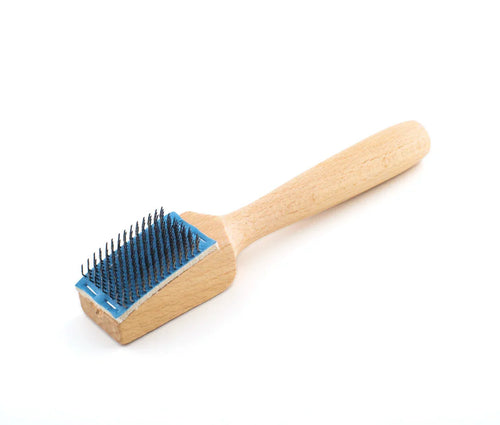
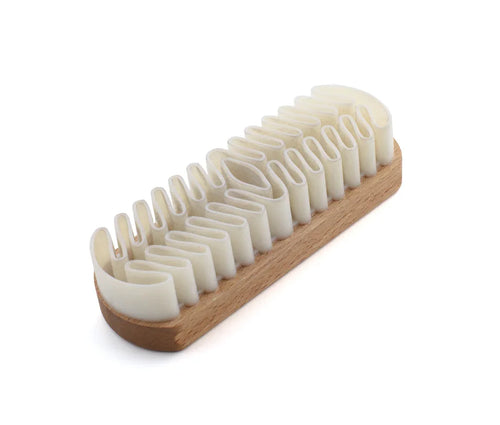
- Suede Soles: Brush them regularly with a special suede brush. This removes dirt and restores the texture of the suede, giving you optimal grip again. In practice, I notice that a quick brushing before and after each session already works wonders.
- Leather Uppers: For shoes with leather uppers, such as many jazz shoes or certain models of Capezio dance shoes, it is important to keep them clean with a damp cloth and occasionally treat them with a leather cleaner and conditioner. This keeps the leather supple and prevents cracking.
- Satin and Canvas: These materials, often used for ballet shoes and pointe shoes, are more delicate. You can gently dab stains with a slightly damp cloth and mild soap. Avoid harsh chemicals and soaking, as this can affect the shape and the glue.
Storage and Extending Lifespan
The way you store your shoes has a huge impact on their lifespan. I've seen enough dancers throw their expensive shoes into a closed gym bag after class, only to see them again the next time. This is asking for trouble!
- Breathable Storage: Always let your shoes air out properly after dancing. Sweat and moisture are the biggest enemies of any material. Use a breathable shoe bag or a cotton bag instead of plastic. This is especially important for your elegant ballroom or Latin shoes, which are often made of delicate materials.
- Shoe Trees: Wooden shoe trees help maintain the shape of your shoes and absorb moisture. This is especially useful for leather shoes, but also for ballet shoes to preserve the fit.
- Heel Protectors: For ladies dancing in high heels, heel protectors are indispensable. They protect the heel from wear and significantly extend its lifespan. They also prevent your heels from getting damaged or leaving marks on the dance floor.
- Pointe Shoe Care: And for the ballet dancers among us: don't forget the accessories. Products from Bunheads are indispensable for the care of your pointe shoes, from toe protectors to ribbons and elastics. Always let pointe shoes dry completely between classes to maximize the life of the box.
Ultimately, it comes down to prevention and respect for your equipment. By following these simple steps, you ensure that your dance shoes support you optimally for as long as possible, so you can concentrate fully on your passion: dancing.
Frequently Asked Questions
What are the top dance shoe brands every dancer should know?
The world of dance shoes has several iconic brands known for their quality and innovation. Among the absolute top are Capezio and Bloch, which have been preferred by dancers worldwide for decades. Additionally, brands such as Grishko, Sansha, and Freed of London are highly respected, each with their own specialties and unique fits. For ballroom dancers, brands like Dance Naturals are also very popular.
Why is Capezio such a beloved brand among dancers?
Capezio is loved for its rich history and constant innovation. Since 1887, the brand has been known for its durability, comfort, and wide range for various dance styles. Whether it's pointe shoes, jazz shoes, or character dance shoes, Capezio offers reliable quality that both beginners and professional dancers appreciate. Their shoes are designed to support performance and prevent injuries.
What benefits does Bloch offer for dancers?
Bloch is known for its superior craftsmanship and attention to detail, especially in ballet and pointe shoes. The brand combines traditional techniques with modern technologies to create shoes that provide exceptional comfort and support. Many dancers choose Bloch because of the excellent balance, flexibility, and the way the shoes mold to the foot. They offer a wide range of styles for various dance disciplines.
Are there specific brands for ballroom or Latin?
Absolutely! Although Capezio and Bloch also offer ballroom dance shoes, there are brands that specialize in this. Dance Naturals, for example, is a highly respected Italian brand known for its elegant design, comfort, and high-quality materials. Other popular brands for ballroom and Latin include Supadance, International Dance Shoes (IDS), and Ray Rose. These brands focus on the specific requirements of these dance styles, such as flexibility and stability.
How do I choose the right dance shoe brand for my needs?
Choosing the right brand depends on your dance style, experience level, and personal fit preferences. It is essential to try on different brands and models, preferably in a specialized dance shop. Pay attention to comfort, support, and how the shoe moves with your foot. Read reviews, ask your dance teacher for advice, and consider durability. Ultimately, the best shoe is the one that makes you feel best.
Are more expensive dance shoe brands always of better quality?
Not necessarily, but there is often a correlation. More expensive brands generally invest more in research, development, and high-quality materials, resulting in better durability, comfort, and performance. However, the "best" shoe is subjective. Sometimes a less expensive brand fits your foot and dance style perfectly. It's important to find the balance between price, quality, and personal fit, rather than just going by price.
Where is the best place to buy the mentioned dance shoe brands?
The mentioned dance shoe brands are best purchased at specialized dance shops, both physical and online. Physical stores offer the benefit of personal fitting advice, which is crucial for dance shoes. Online retailers or the official websites of brands like Capezio and Bloch offer a wide range and often detailed size charts. Compare prices and read customer reviews for the best purchase.
Do all major brands offer shoes for every dance style?
While many major brands, such as Capezio and Bloch, offer a wide range of shoes for different dance styles (ballet, jazz, tap, modern, etc.), each brand often has its specialties. Capezio, for example, is very strong in jazz and tap, while Bloch is often preferred for ballet and pointe shoes. For specific styles like ballroom dancing or flamenco, there are often niche brands that produce even more specialized and optimized shoes.


