

Believe me, I've seen it hundreds of times: a new dancer who steps onto the dance floor with enthusiasm in her favorite sneakers or that one pair of pumps from a well-known fashion chain, only to end up sitting on the sidelines after half an hour with blisters and painful knees. You don't get the best value for your money with dance shoes by choosing the cheapest option, but by investing in brands like Portdance women's dance shoes or Tangolera that support your technique and save your joints. For girls with a specific fit, it is essential to look at Dance Shoes Wide Feet: Brands, Tips & Comfort, because a shoe that pinches is a waste of money, no matter how beautiful the brand is.
What you need to know about dance shoe brands
- Why 'ordinary' shoes kill your dancing pleasure
- Portdance vs. Ray Rose: The battle for the best all-rounder
- Tangolera: Heaven on earth for your feet
- Low heels: Why lower is often better when you start
- The 'Last Size Love' hack: Top brands for a bargain
- Protecting your investment: How they last for years
- Frequently asked questions from my students
Why 'ordinary' shoes kill your dancing pleasure
Listen, I get it. You've just finished your first trial lesson, you've fallen in love with the music, and you think: "Those sneakers I have are fine, right?" But here is the hard truth from your new dance bestie: ordinary shoes are made to have grip on the street. That's fantastic when you're running to the supermarket, but an absolute disaster on the dance floor.
When you try to turn (a pivot or a spin) on rubber soles, your shoes stick to the floor while your knee keeps turning. I've seen students who had to stop dancing after three months due to meniscus complaints, purely because they refused to switch to real dance shoes. Real dance shoes have a sole made of suede or special leather that gives you just enough grip so you don't slip, but enough 'slide' to make those smooth turns without destroying your joints.
Additionally, there is the matter of stability. A normal pump has a heel that is often positioned directly under your heel, but with dance shoes, the heel position is scientifically determined to distribute your weight exactly over the ball of your foot. That is the difference between wobbling like a newborn deer and standing like a salsa queen.
Action point: Take a look under your current favorite shoes. See that profile? That is the enemy of your knees. Time for an upgrade.
Portdance vs. Ray Rose: The battle for the best all-rounder
When we talk about "value for money," two names always come up in my classes: Portdance and Ray Rose. But which brand suits you? This isn't a Wikipedia story; this is what I see in practice.
Portdance: The Fashionista among dance shoes
If you love a bit of bling, glitter, and a modern look, then Portdance is your brand. They are from Portugal and they really understand what a woman wants: a shoe that looks like you could wear it to a gala, but has the sturdiness of a professional sports shoe. What I love about Portdance is the flexibility. The soles are often a bit softer, which is wonderful if you do a lot of footwork in salsa or bachata. They are the perfect "social dancing" shoe.
Ray Rose: The Technician
On the other hand, we have Ray Rose. This is the brand you see a lot with competitive dancers. Why? Because their balance points (yes, that's a thing) are legendary. If you struggle with your balance during turns, a Ray Rose shoe is often the solution. They are a bit stiffer in the beginning – you really have to "break them in" – but once they are molded to your foot, they aren't going anywhere. For the serious student who puts technique above all else, this is the best investment.
My personal opinion? Start with Portdance if you mainly want to have fun and look great. Switch to Ray Rose when you notice your technique is going to a higher level and you need that extra support.
Tangolera: Heaven on earth for your feet
Okay, we need to talk about Tangolera. They used to be called Bandolera, and they come from the world of Argentine Tango. Why is that relevant to you if you might dance salsa or ballroom? Because tango dancers stand on the floor for hours, often in higher heels than average.
The Tangolera dance shoes have something they call "No More Pain" technology. Sounds like a marketing pitch, right? That's what I thought too, until I tried on a pair myself. There is a special padding in the insole that doesn't go flat after three dances. It literally feels like you're walking on cushions.
If you suffer from a fallen forefoot or if you always get 그 burning pain under the ball of your foot after an hour of dancing, stop searching. Tangolera is more expensive than an average entry-level model, but if it means you can dance for three hours longer without pain, what is that extra twenty euros worth? Exactly, everything.
Pro tip: Tangolera shoes often have a leather sole instead of suede, which means you can also wear them outside on a smooth floor (provided it's dry!). Very versatile.
Low heels: Why lower is often better when you start
I see it so often: a beginner who steps directly into 7 or 8 centimeter heels because it looks so sexy. Honey, don't do it. At least, not in the first six months. You are still learning how to shift your weight, how to use your core, and how to place your feet. If you then also have to fight gravity on a thin stiletto heel, you're making it unnecessarily difficult for yourself.
Take a look at the low heel dance shoes. A heel of 3.5 to 5 centimeters is perfect. It gives you that beautiful feminine posture, but you stand firmly enough not to wobble with every basic step. Brands like Werner Kern (also highly recommended for stability!) have beautiful models with a slightly wider heel.
Remember: a dancer who moves confidently on a low heel is much more attractive to watch (and to dance with!) than a dancer who is terrified on a high heel she can't control.
The 'Last Size Love' hack: Top brands for a bargain
Let's be honest: dancing is a hobby that costs money. Lessons, parties, outfits... your bank account takes a hit. But saving on quality is the dumbest thing you can do for your body. How do you solve that?
My secret tip for all my students is the Last Size Love sale. These are the last sizes of top collections. You can often find a pair of Ray Rose or Portdance shoes here for half the price, purely because it's the last size 37 or 40.
If you have a common size, you have to be quick, but for the girls with very small or larger feet, this is a goldmine. I myself scored a pair of beautiful Rummos shoes for a fraction of the price this way last year. It's the smartest way to get professional quality without canceling your rent.
Protecting your investment: How they last for years
You've finally bought that perfect pair of dance shoes. Congratulations! But now the real work begins. If you do nothing, those suede soles will be slippery and hard in no time due to dirt and grease from the dance floor.
Here are my three golden rules for maintenance:
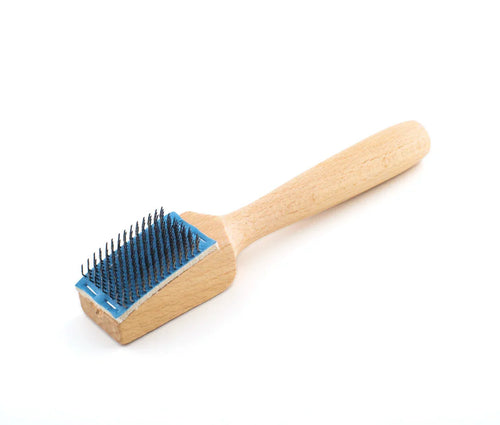
- The Brush is your best friend: Buy a special dance shoe brush (with steel bristles). Brush the sole after every lesson so that the hairs of the suede stand up again. This gives you your grip back.
- Not on the street!: I mean it. NEVER walk outside with your suede soles, not even just to the car. One raindrop or a pebble and your sole is ruined. Only put them on when you are inside the dance studio.
- Air them out, don't lock them up: Don't throw your shoes into a plastic bag after dancing. Let them air out. Your feet sweat (yes, yours too, princess), and that moisture needs to get out otherwise the leather will rot and the glue will come loose.
By following these simple steps, you double the lifespan of your shoes. That is true value for your money.
Frequently asked questions from my students
1. Which shoes are good for dancing?
Good dance shoes have a flexible sole (often suede), a heel that is centered under your heel for balance, and they must fit snugly. Brands like Portdance, Ray Rose, and Werner Kern are always a safe choice for quality.
2. Why can't I dance in normal shoes?
Normal shoes have too much grip (rubber) or too little (slippery synthetic soles without control). This leads to knee injuries because your foot 'sticks' while your body turns. Moreover, street shoes damage the special wooden dance floors with dirt and scratches.
3. What is a ballet shoe called?
A soft ballet shoe is often called a 'soft shoe' or 'ballet slipper'. The hard shoes that dancers stand on their toes in are called 'pointe shoes'. For most beginners in salsa or ballroom, however, these are not relevant.
4. What exactly are dance shoes?
Dance shoes are technically designed footwear specifically made for the movements of a certain dance style. They are lighter, more flexible, and have a sole that provides exactly the right amount of friction on a dance floor.
5. Should I buy dance shoes a size smaller?
Often, yes! Dance shoes made of leather or satin always stretch out a bit. You want them to fit like a 'second skin' in the beginning. If they already feel comfortable like a slipper when fitting, they will likely be too big after three weeks of dancing.
Choose for your feet, not just for your eyes
At the end of the day, "most value" is a combination of comfort, durability, and how you feel on the floor. Whether you go for the technique of Ray Rose, the glamour of Portdance, or the soft landing of Tangolera: make sure you choose quality.
Do you have wide feet or often suffer from pinching shoes? Don't forget to read my extensive guide on dance shoes for wide feet. Your feet are your most important instrument on the dance floor. Treat them with love, invest in a good pair of brands, and I'll see you very soon – radiant and without pain – on the dance floor!
Ready to conquer the floor?
Check out our latest collections and find the shoe that fits your style and budget.
Shop Portdance Collection | View the Sale Gems


