Dance Shoe Maintenance: Cleaning and Care Guide

Table of Contents

Do you remember that moment you bought your perfect pair of dance shoes? That shine, that fit, the promise of countless hours on the dance floor. As an experienced dance instructor, I unfortunately often see how quickly that magic can fade due to insufficient maintenance. But don't worry, in this guide, I'll explain exactly how to clean and care for your dance shoes optimally, so they maintain their quality and comfort.

For years, I have taught my students, from beginner ballet shoe wearers to seasoned salsa dancers, the importance of good shoe care. It goes beyond just aesthetics; well-maintained dance shoes provide the right grip, support, and prevent unnecessary wear. I have personally experienced that a little extra attention after every lesson makes the difference between shoes that last a season and shoes that provide years of loyal service. Whether you've just bought your first pair of dance shoes or have been on the floor for years, you've come to the right place. Correctly maintaining your dance shoes is an investment in your comfort, your performance, and ultimately your wallet, and that is why I want to help you get the most out of your purchase.

Daily Care Tips

As a passionate dancer, I know how essential your dance shoes are. They are the extension of your feet, your instrument. What I often see is that many dancers carelessly throw their shoes into their bag after an intense class, only to take them out again for the next lesson. This is a common mistake that significantly shortens the lifespan and performance of your shoes. Daily care, no matter how small, makes a world of difference. It's not just about hygiene, but also about maintaining the structure and comfort of your beloved footwear.

Immediately after class: Ventilate and Dry

The most important step in daily care begins right after the last note is played and the sweat drops fall. Your feet sweat, and that moisture absorbs into your shoes. If this moisture remains, it creates a perfect breeding ground for bacteria and odors, and can damage the material. In practice, this means:

  • Take them out of your bag: As soon as you get home, take your dance shoes out of your sports bag. Do not leave them in a closed, damp environment.
  • Airing out: Place your shoes in a spot where they can air out well, but not in direct sunlight or near a heat source. An open space in your hallway or bedroom is ideal.
  • Moisture absorbers: For extra effect, you can use shoe deodorizers or sachets with cedarwood or silica gel. These not only absorb moisture but also help neutralize unpleasant odors. I often use old crumpled newspapers myself, which work wonders for both moisture absorption and maintaining shape.

This applies to all types of dance shoes, whether it's your flexible ballet shoes that hug your feet, or your sturdy dance sneakers that give you support during an energetic hip-hop class.

Quick Cleaning and Inspection

In addition to drying, a quick visual inspection and cleaning is part of your daily routine:

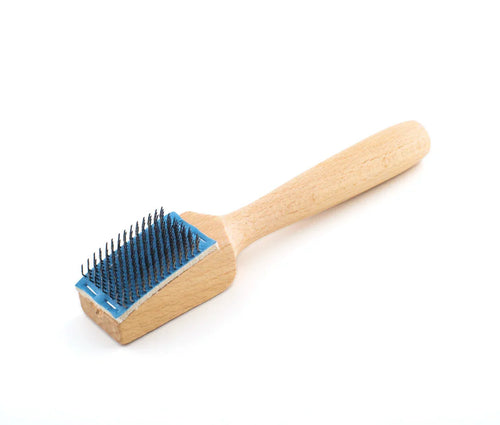
  • Brushing soles: Especially for shoes with suede soles, such as many jazz shoes and ballroom shoes, it is essential to brush the soles after every class with a special suede brush. This removes dirt and polishes the fibers, keeping your grip optimal. A smooth suede sole can lead to unexpected slips, which can be dangerous.
  • Wipe down the upper: Use a slightly damp cloth (water only, unless otherwise specified) to wipe any stains or dirt from the upper of your shoes. For leather shoes, you can do this immediately; for canvas shoes, it is often better to let them dry first and then dry brush if necessary.
  • Check for wear: Take a quick look to see if any stitching is coming loose, soles are starting to tear, or laces are damaged. Early detection prevents bigger problems and unexpected surprises in the middle of a performance.

By performing these small actions every day, you ensure that your dance shoes last longer, perform better, and are always ready for your next dance adventure. It is an investment in your comfort and your dancing pleasure.

Cleaning Shoe Materials

As a dancer, you know how essential your shoes are. They are an extension of your body and take a lot of hits during training and performances. What I often see is that people think all dance shoes can be cleaned in the same way, but that is a common mistake. Each material requires a specific approach. In practice, I regularly come across shoes that have been damaged by incorrect cleaning, and that is a shame because with the right care, your beloved dance partners will last much longer.

Suede: The Soft Powerhouse

Suede is a beautiful, flexible material that you often see in women's jazz shoes and ballroom shoes, both for the sole and sometimes for the upper. It feels wonderful, but also attracts dust and dirt quickly. What I always recommend for suede is:
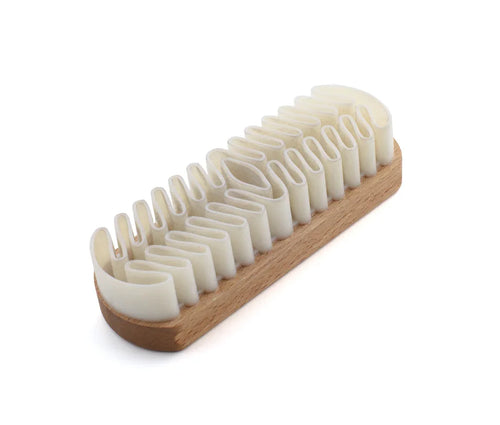
  • Regular brushing: Use a special suede brush with copper or rubber bristles. Brush gently in one direction to remove dirt and raise the fibers again. Do this after every dance session to prevent dirt buildup.
  • Tackling stains: For small, dry stains, a suede eraser works wonders. Rub it gently over the stain. Avoid water as much as possible, as it can cause rings that are difficult to remove.
  • Deeper cleaning (only if absolutely necessary): If you have really stubborn stains, you can use a special suede cleaner. Follow the instructions carefully and always test it on an inconspicuous spot first. And believe me, this is truly a last resort, not something for the weekly routine.
A common mistake is to tackle suede with soap and water. That ruins the texture and color, and you definitely don't want that for your favorite shoes!

Leather: Durable and Elegant

Smooth leather, often used for sturdier dance shoes, offers durability and a classic look. Think of character or tap shoes, but also many more stylish variants. This is the best way to care for leather:
  • Wipe with a damp cloth: After dancing, wipe away dirt and sweat with a slightly damp cloth. Do not use aggressive cleaning agents. Just lukewarm water is often enough.
  • Leather conditioner: To keep the leather supple and prevent drying out, I recommend using a good leather conditioner every once in a while. This nourishes the leather and helps prevent cracks. Apply a small amount to a clean cloth and rub it in gently.
  • Polish for shine: Want to get that beautiful shine back? Use a shoe polish in the correct color and polish the shoes with a soft brush and a cloth.
In practice, I see that leather is often forgotten when it comes to hydration, just like your skin. But leather also needs nourishment to stay beautiful and flexible.

Canvas and Synthetic Materials: Light and Practical

Many women's ballet shoes and some modern dance shoes, such as women's dance sneakers, are made of canvas or synthetic fabrics. These materials are lightweight and breathable, making them ideal for intensive classes. Cleaning is slightly simpler here:
  • Hand wash for canvas: For canvas shoes, you can do a mild hand wash. Use cold water and a small amount of mild soap (for example, hand soap or a special fabric cleaner). Gently rub the stains with a soft brush or cloth. Rinse well and let them air dry, out of direct sunlight to prevent discoloration. NEVER put them in the washing machine, no matter how tempting it may be; the glue bonds and fit can be seriously damaged by this.
  • Wipe down for synthetic: Synthetic materials are often the easiest to clean. A damp cloth with some mild soap is usually sufficient to remove dirt and sweat. Wipe the shoes clean and let them air dry. These materials are generally waterproof, but again: do not submerge unless the manufacturer specifically allows it.
My tip? Be patient with drying. A well-ventilated spot is essential, because wet shoes are a breeding ground for bacteria and odors, and that is the last thing you want after a long day of dancing.

Maintaining Soles Correctly

As a dancer, you know that your shoes are your most important instrument. And the soles? They are your direct connection to the floor. I often see people paying a lot of attention to the top of their ballet shoes or jazz shoes, but forgetting the soles. That is a missed opportunity, because a well-maintained sole can truly transform your dance and significantly extend the lifespan of your dance shoes.

The sole is crucial for your grip, your pirouettes, your sliding ability, and even your balance. Depending on the type of dance and the floor, you have different types of soles that each need their specific maintenance. Important to know: the most common ones.

Suede and Leather Soles: The Classics

Most indoor dance shoes, such as those for ballroom, salsa, or many jazz shoes, have a sole made of suede or soft leather. These materials are designed to provide the perfect balance between grip and glide on a clean dance floor. But what I often see in practice is that these soles become smooth over time due to dirt, dust, and dried sweat.

A common mistake is to ignore these soles until they are mirror-smooth. Then it becomes dangerous and your control is gone. The trick is regular maintenance. My advice: after every few dance sessions, or certainly weekly if you dance a lot, grab a special suede brush. This is not a regular clothes brush; these brushes have metal bristles that effectively pull the dirt out of the suede and roughen the fibers again. Remember, you want to keep the sole 'fuzzy', not smooth.

  • Always brush in one direction to remove the dirt.
  • Apply light pressure; you don't need to scrub as if you're scouring a floor.
  • Avoid water or chemical cleaning agents on suede soles unless it is specifically for this material and you know what you're doing. Water can make the suede hard and stiff.

What I also often see is dancers wearing their shoes outside. This is disastrous for suede soles! Asphalt, sand, and moisture damage the suede irreparably and cause your soles to lose their function. Truly save your dance shoes only for the dance floor.

Maintenance of Rubber Soles and Dance Sneakers

For styles like street dance, hip-hop, or for some dance sneakers that require more cushioning and grip, you often see rubber soles. These are much more durable and better resistant to different surfaces, but they also need maintenance. Dirt and dust can accumulate in the grooves, reducing grip.

  • For light soiling, a damp cloth with a little mild soap is usually sufficient. Wipe the soles clean and let them air dry.
  • If there is mud or stubborn dirt on them, you can use an old toothbrush to clean the grooves.
  • Check regularly for wear. Rubber soles can become smooth over time as the tread wears away. Then it's time to think about new shoes, as you don't want to sustain injuries due to lack of grip.

The Delicate Soles of Ballet Shoes and Pointe Shoes

In traditional ballet shoes or pointe shoes, the sole is often made of leather or a combination of leather and suede. In pointe shoes, the 'box' and the platform are the most crucial parts. The sole itself is often more flexible. What is especially important here is the general condition of the shoe supporting the sole. I always advise my students to regularly check the soles of their ballet shoes for loose stitching or cracks. With pointe shoes, it is really a matter of feeling whether the sole still offers enough firmness. If the shank becomes too soft, the shoe loses its supportive function, which is crucial for proper technique and to prevent injuries.

  • For ballet shoes with a split sole: ensure that the two parts of the sole do not wear too much on the pressure points.
  • For pointe shoes: if the sole or the box becomes too soft, the support is gone. This is a sign that they need replacement, regardless of how the outside looks. You don't want to dance on 'dead' pointe shoes.

In short, the soles of your dance shoes are just as important as the rest of your equipment. Good maintenance not only ensures better performance and more safety, but also a longer lifespan for your precious shoes. Take the time for it; your feet and your dance will thank you.

Storing Dance Shoes Properly

After all the attention we've paid to cleaning and caring for your dance shoes, there is one more crucial step that is often overlooked: storing them correctly. What I often see is that dancers quickly throw their shoes into a sports bag after an intensive class, only to take them out again for the next training session. This is a common mistake that significantly shortens the lifespan of your precious shoes and can lead to unwanted odors, mold, and even deformation.

In practice, your dance shoes are more than just an accessory; they are an essential part of your equipment, an extension of your feet. They deserve the same care and attention when you're not wearing them. Proper storage ensures they maintain their shape, comfort, and hygiene, ready for your next performance or training.

1. Air and Breathing Room: The Basis for Fresh Shoes

The biggest problem after a dance class is moisture. Your feet sweat, and that sweat absorbs into the materials of your shoes. A damp, enclosed environment is the ideal breeding ground for bacteria and fungi, leading to unpleasant odors and damage to the material. Therefore, ventilation is absolutely crucial.

  • Directly out of the bag: Take your dance shoes out of your bag immediately after every class. Never leave them in a closed sports bag, even for a few hours.
  • Airing out: Place them in an open spot where air can circulate freely. Think of a shoe rack, a windowsill (not in direct bright sunlight, which can dry out materials), or a designated spot in your home. I always place my jazz shoes in a dry, ventilated spot. This helps to evaporate any remaining moisture.
  • No plastic: Avoid storing your shoes in plastic bags. These trap moisture, which only makes the problem worse. Breathable fabric bags, such as cotton or mesh, are a much better option if you want to protect them from dust.

2. Shape Retention: An Extension of Lifespan

Dance shoes are often precisely designed to support your feet in a specific way. Maintaining their original shape is essential for both comfort and performance. Deformed shoes can lead to less stability, discomfort, and even injuries.

  • Shoe trees: For leather shoes, such as many ballroom or Latin shoes, cedarwood shoe trees are ideal. Cedarwood not only absorbs moisture but also helps maintain the shape of the shoe and neutralize unpleasant odors.
  • Acid-free tissue paper: If you don't have shoe trees, stuff your shoes loosely with acid-free tissue paper. This helps maintain the shape and also absorbs some moisture. Do not use newspaper, as the ink can transfer to the inside of your shoes. This is a tip I often give for delicate shoes like ballet shoes, which can easily lose their structure.
  • For more robust shoes: Even for dance sneakers, which are often more robust, it helps to maintain the shape. Although they deform less quickly than delicate ballet shoes, correct storage also extends their lifespan and ensures the fit remains optimal.

3. The Ideal Storage Place and Protection

The environment where you store your shoes is just as important as the way you store them.

  • Avoid extreme temperatures: Do not store your dance shoes in direct sunlight, near a heater, or in an extremely cold/damp place like a shed. Heat can dry out materials and cause them to crack, while cold and moisture promote mold growth. A stable room temperature is best.
  • Protection against dust and damage: Use individual fabric bags per pair. This not only protects your shoes from dust but also prevents them from rubbing against each other or being damaged by other items in your closet or bag. This is especially useful if you have multiple pairs.
  • Suede soles: Do you have shoes with suede soles (mostly Latin or ballroom)? Ensure the soles do not lie directly on a rough or dirty surface. This can damage the suede and reduce the grip. Preferably store them in a bag or on a shoe rack where the soles hang freely.

By following these simple steps, you ensure that your dance shoes last longer, stay smelling fresher, and are always ready to support your feet with every move you make. It is a small investment in time that pays off double in comfort and durability.

Maximizing Lifespan

In addition to regular cleaning, which we discussed in the previous sections, the true key to extending the life of your dance shoes is how you handle them off the dance floor. What I often see with both beginner and experienced dancers is that they take their shoes for granted. But just as an athlete cares for their body, your dance shoes – which protect your feet and partly determine your performance – deserve that same attention. It's not just about cleaning; it's about a holistic approach to care, from storage to small repairs.

The Power of Rotation and Correct Storage

A common mistake is constantly wearing one pair of shoes. Just like your athletic shoes, dance shoes need time to breathe and recover their shape. If you train intensively in your jazz shoes, for example, it's ideal to have a second pair to alternate with. This prevents moisture buildup and materials from wearing out faster. Regarding storage: don't just throw your shoes in a closed sports bag after class. I have often seen dancers leave their wet shoes in a bag for days, leading to mold and an unpleasant smell. Hang them up, or put them in an open bag so they can air out well. Use shoe trees, especially with leather shoes, to maintain the shape. For delicate ballet shoes, such as pointe shoes, this is essential to keep the box and shank intact and maximize lifespan.

Small Repairs and the Right Fit

In practice, you find out that small defects can escalate quickly. Regularly check the soles and heels. For shoes with a suede sole, such as many ballroom and salsa shoes, roughening with a special brush can restore grip. But if the sole becomes thin or tears, it's time to consult a professional or consider replacing them. With dance sneakers, you often see the cushioning collapse over time, which reduces shock absorption and increases the impact on your joints. A perfect fit is not only more comfortable but also helps maintain the integrity of the shoe. Shoes that are too large cause friction and wear out faster on the inside. Too small shoes put the materials under unnecessary tension, causing seams and soles to detach faster.

When is it Time for New Dance Shoes?

Ultimately, there comes a point where even the best care is no longer enough. How do you know when your dance shoes are ready for replacement? Watch for the following signals:
  • The sole is so thin that you feel the floor through it, or holes have developed. This compromises your grip and protection.
  • The cushioning has collapsed and no longer offers support, putting extra strain on your knees and ankles and increasing the risk of injury.
  • The structure of the shoe is deformed and no longer offers stability, so your feet are less supported during complex movements.
  • There are cracks or loose seams that can no longer be repaired, affecting the functionality and safety of the shoe.
  • The inside is worn out, so your feet are no longer comfortable or even rub, which can cause blisters and irritation.
  • For ballet pointe shoes: the box has become too soft or the shank no longer offers sufficient support, which is crucial for safety and technique.
Replacing your dance shoes on time is not a waste, but an investment in your comfort, your health, and ultimately your dance performance. Well-maintained and timely replaced dance shoes ensure you can take to the dance floor with pleasure and without worry.

When to Replace?

Even the best-maintained dance shoes do not last forever, and that is the hard reality of dancing. I often see dancers tend to wear their shoes too long, sometimes out of attachment, sometimes to save costs. But believe me, investing in a new pair at the right time is an investment in your health, your performance, and even your enjoyment of dancing. When exactly is that moment? Important to know: the signals.

The Unmistakable Signs of Wear

Replacing your dance shoes is not an exact science, as it depends on how intensively you dance, the floors you dance on, and even your own dance style and body weight. But there are a number of clear indications you should not ignore:
  • Worn Soles: This is perhaps the most obvious one. What I often see is that the soles of, for example, ballet shoes, especially at the ball of the foot and the heel, become thinner or even show holes. This significantly reduces your grip, making you slip faster during pirouettes or agile steps. In jazz shoes or dance sneakers, the pivot points often wear out first, making it harder to turn smoothly.
  • Loss of Cushioning and Support: Especially in shoes such as jazz shoes and dance sneakers, cushioning is crucial. If you notice your feet feel more tired after a class, or that you feel more impact on your knees and hips, the cushioning is likely worn out. This can lead to unnecessary strain on your joints and cause injuries over time. A common mistake is ignoring these subtle pains.
  • Changed Fit: Dance shoes should fit like a second skin. If the material has stretched and your shoes feel too loose, they lose their supportive function. This can lead to your foot sliding in the shoe, resulting in blisters and less precision in your movements. In ballet shoes, you often see this in drawstrings that can no longer be pulled tight enough, or elastics that have lost their stretch.
  • Visible Damage: Cracks in the upper material, loose stitching, a detaching sole – these are all signs that the structural integrity of your shoe is compromised. Loose stitching can cause irritation or even hinder your foot. A crack in the leather or canvas can suddenly become larger during an intensive movement, which can be dangerous.

The Consequences for your Dance and Health

Continuing too long with worn-out dance shoes is not only uncomfortable, it can seriously affect your dance quality and even make you more injury-prone. Poor grip means less confidence during fast turns. Insufficient cushioning and support increase the load on your ankles, knees, and hips, which in the long term can lead to chronic pain or injuries such as shin splints or Achilles tendonitis. In practice, I often see that students complaining about minor pains are often surprised by how much better they feel after switching to a new, well-fitting pair of shoes. Your shoes are an extension of your body; they should support you, not hinder you.

When should you replace them specifically?

There is no fixed rule of 'every X months', but as a rule of thumb:
  • Professional dancers often replace their shoes every 1-3 months, depending on intensity.
  • Regular dancers (multiple classes per week) often last 6 months to a year.
  • Recreational dancers (1 class per week) can sometimes last 1-2 years with a pair.
Always listen to your body and inspect your shoes regularly. If in doubt, it's often better to invest in a new pair. Your feet and your dance career will thank you.

Frequently Asked Questions

How often should I clean my dance shoes?

The frequency depends on how often you dance. After each session, it is advisable to lightly wipe away dirt and sweat. A deeper cleaning, addressing specific stains and caring for the material, is usually sufficient once every few weeks or months, depending on the type of shoe and intensity of use. Regular maintenance extends the lifespan.

Can I clean all types of dance shoes in the same way?

No, absolutely not. Dance shoes are made from various materials such as leather, canvas, satin, or synthetic fabrics, and each material requires a specific approach. Leather shoes need different care than, for example, canvas ballet shoes. It is crucial to always follow the manufacturer's instructions or research the best method for the specific material of your shoes to prevent damage.

What is the best way to clean leather dance shoes?

For leather dance shoes, such as jazz shoes or certain ballet shoes, wipe them down with a slightly damp cloth to remove surface dirt. If necessary, use a mild leather cleaner and conditioner to keep the leather supple and prevent drying out. Always let them air dry, away from direct sunlight or heat sources. Avoid aggressive chemicals that can damage the leather.

How do I clean canvas dance shoes, such as ballet shoes?

Canvas dance shoes, including many ballet shoes, are best hand-washed. Fill a basin with cold water and a small amount of mild detergent. Gently brush away stains with a soft brush or cloth. Rinse them thoroughly and gently squeeze out excess water. Then let them air dry, filled with some paper to maintain the shape. Avoid the washing machine, as this can affect the shape and glue.

How do I prevent unpleasant odors in my dance shoes?

To prevent unpleasant odors, proper ventilation is essential. Let your dance shoes air out well after each use; do not put them directly into a closed bag. If necessary, use shoe deodorant, scent sachets, or a bit of baking soda in the shoes to absorb moisture and odors. Wear breathable socks to catch sweat directly. Also, ensure they are completely dry before storing them.

What are common mistakes when maintaining dance shoes?

Common mistakes include washing shoes in the washing machine, which can damage the materials and construction. Using aggressive cleaning agents or drying shoes on a heat source (such as a radiator) is also harmful. Ignoring small stains or wear can lead to bigger problems. Don't forget to let them dry properly and ventilate after cleaning to prevent mold and odors.

When do I know it's time to buy new dance shoes?

It's time for new dance shoes if you notice they lose their support, show holes, soles detach, or if they are no longer comfortable, even after thorough cleaning and care. Worn-out shoes can affect your performance and even lead to injuries. Watch for signs such as reduced grip, pain while dancing, or a visible decrease in the resilience of the materials. Good shoes are essential for every dancer.

What I especially want to tell you about caring for your dance shoes is that it's more than just cleaning; it's an investment in your passion. By cleaning them regularly, storing them properly, and treating them with love, you not only extend their life but also maintain the comfort and performance so essential on the dance floor. Think of the specific maintenance for your favorite ballet shoes or those flexible women's jazz shoes; each pair deserves its own attention.

Most importantly, remember: your dance shoes are your loyal partners. They carry you through every pirouette, every jump, and every emotional choreography. The beauty of this care is that you deepen the connection with your dance. And if it's finally time to buy new dance shoes, because your current partners are truly due for replacement after loyal service, you know you're making an informed choice. Always choose quality and comfort, because that is the basis of every unforgettable dance experience. Let your shoes inspire you, step by step, movement after movement.

Back to blog
🧹

Ready to shine on the dance floor?

Discover our collection shoe care - by dancers, for dancers.

✓ 30 Day Returns ✓ Free Shipping €85+ ✓ 6 Month Factory Warranty

📚 More about shoe care

💬 Questions? Message Vanessa on WhatsApp!