

Table of Contents
- Why Buy Online?
- Choose Your Dance Style
- Finding the Right Size
- Quality and Brands
- Offers and Sale
- Returns and Service
- Maintenance Tips
- Frequently Asked Questions
That perfect turn, that effortless lift, or that smooth sideways movement... it all starts with your feet. And believe me, in the decades that I've been giving dance lessons, I've seen often enough what makes the difference between a frustrating lesson and pure dance joy: the right dance shoes. Many of you ask me: "Where can I buy the best dance shoes?" Nowadays, the answer is often online, but that brings its own challenges. You can't try them on, you can't feel them, and the choice is overwhelming.
That is precisely why I have compiled this complete buying guide for 2024. Whether you want to buy your first pair of dance shoes or are looking for an upgrade, my goal is to guide you step by step. We discuss what you should pay attention to when you want to buy dance shoes online, from fit and material to sole type and brand. I share my insights on how to find the best deal, even if you are looking for a dance shoe sale, without compromising on quality and comfort. Because ultimately you want one thing: dancing without worries, with shoes that feel like an extension of your body.
Why Buy Online?
As a passionate dancer, I know how essential the right dance shoes are. They are your extension on the floor, determining your grip, your ease of turning, and ultimately your performance. In the past, that often meant a trip to a specialized store, but nowadays I see more and more dancers, both beginners and advanced, buying dance shoes online. And there are good reasons for that.
Unprecedented Selection and Specialization
What I often hear and experience myself is that the local selection is sometimes limited. If you are looking for specific latin dance shoes with a certain heel height or a unique design, chances are you will find many more options online. Online stores have no physical restrictions in terms of shelf space, allowing them to offer a much wider range. Think of shoes for ballroom, salsa, tango, but also for street dance or modern. You can easily filter by brand, style, material (think of suede soles for optimal grip on a wooden floor, or rubber for outdoor use) and even by color. This is especially useful for dancers who practice a specific style and are looking for the perfect, specialized shoe for it.
Convenience, Time, and Price Advantage
Another big advantage is pure convenience. In practice, I see many dancers with busy schedules. Time-consuming store visits, including travel time and parking, are often a challenge. Online you can search for your new pair at any time of the day, from the comfort of your own home. You can calmly compare all specifications, read customer reviews, and study the size charts without pressure from a salesperson. This gives you the space to make a well-considered decision.
Moreover, online shopping is often cheaper. Competition is greater online, which can lead to more competitive prices. In addition, the chance that you will come across an attractive dance shoes sale is much greater. You have direct access to offers from different providers, which makes comparing and finding the best deal a lot easier. I have personally managed to score a fantastic pair with a significant discount several times just by searching online.
Practical Tips for Online Success
Of course, there are also points of attention when buying dance shoes online. The most frequently asked question is always: "What about fitting?" Here are my most important tips:
- Measure your feet: This sounds logical, but do it accurately. Measure both feet at the end of the day, when they are at their largest. Compare the sizes with the specific size chart of the brand. What I often see is that sizes can vary by brand.
- Read reviews: Other dancers have already tested the shoes. Pay attention to comments about the fit ("runs small", "wide model"), comfort, and durability. These personal experiences are worth their weight in gold.
- Check the return policy: A good return policy is crucial. Ensure you can try the shoes on at home in peace on a clean surface (think of a small carpet, so the soles are not damaged) and can return them without problems if they don't fit perfectly. Dance shoes must fit well immediately; they hardly stretch out in the way that normal shoes do.
- Pay attention to material and sole: The sole is your connection to the floor. Suede soles are standard for most indoor dance styles because of the balance between grip and turnability. If you are looking for salsa shoes, for example, you want a flexible sole that follows your foot well and at the same time provides stability during fast turns and weight transitions.
In short, buying dance shoes online offers a world of possibilities. With a little preparation and by making smart use of the available information, you are guaranteed to find the perfect pair that helps you take your dancing to the next level.
Choose Your Dance Style
Before you enthusiastically start buying dance shoes online, there is one crucial question you must ask yourself: which dance style do you practice (or want to start practicing)? What I often see is that beginners, and sometimes also advanced dancers, make the mistake of choosing shoes based on appearance, without taking the specific requirements of their dance into account. Believe me, the right shoe can improve your technique and prevent injuries, while the wrong one can spoil your fun.
Latin & Ballroom: Feeling for the Floor
If you venture into the world of salsa, bachata, cha-cha-cha, rumba, or tango, you know how important it is to feel the floor. You need shoes that combine flexibility with sufficient support. In practice, this almost always means a suede sole. This sole offers the perfect balance between grip and the ability to turn and slide in a controlled manner, essential for those fast pivots and spins. A common mistake is wearing shoes with a rubber sole; this slows you down and can overload your knees. For women, you often see a heel – the height varies from 5 to 9 cm. A higher heel shifts your weight more towards your forefoot, which makes the line of your legs more beautiful and accentuates your hip movement, but does require more balance. Ensure the fit is snug but not pinching, and that there is possibly a strap over the instep or around the ankle for extra stability. For men, there are specific Latin shoes, often with a low heel of about 2.5 to 4 cm, which provide the right posture and freedom of movement. These women's Latin shoes, for example, are specifically designed to help you perform complex figures.
Ballet & Modern Dance: Line and Freedom
In classical ballet and modern dance, everything revolves around line, elegance, and the full articulation of the foot. For ballet, there are two main types: soft ballet shoes and pointe shoes. Soft ballet shoes, often made of leather or canvas, should feel like a second skin. They usually have a split sole, which means the sole is divided into two parts (under the ball of the foot and under the heel), allowing the foot to bend and stretch even better. This is crucial for showing the instep and performing movements like relevés and pliés. Pay attention to the elastic straps over the instep; these should be comfortable and keep the shoe in place. Pointe shoes are a story on their own and only suitable for advanced dancers with trained feet and ankles. Choosing the right pointe shoes is a complex process that often requires guidance from an expert, given the anatomical details of the toes and the arch of the foot involved. For modern dance and jazz, you often see shoes that combine flexibility and cushioning. Think of jazz shoes with a split sole of leather or neoprene that give the foot the freedom to flex and point, but also offer protection during floor work and jumps. If you are looking for the perfect ballet shoes, pay close attention to the material and the fit.
Urban & Tap: Rhythm and Impact
The world of urban dance styles such as hip-hop, popping, and locking requires completely different shoes. Here it's all about comfort, cushioning, and stability. You need sneakers that offer sufficient support for your ankles during jumps and fast movements, but are at the same time flexible enough for slides and ground work. Often these shoes have a non-marking sole, so you don't leave streaks on the dance floor. Cushioning is essential to absorb the impact of jumps and protect your joints. In tap dance, everything revolves around sound. The taps on the shoe must be of high quality and produce a clear, resonant sound. The fit is also crucial here; the shoes must be snug to guarantee precision in your footwork, but not so tight that they impede circulation. A common beginner's mistake is buying tap shoes that are too large, causing the foot to slide in the shoe and making you lose control over the sound production.
In short, whether you are looking to buy dance shoes for a specific style or just want to take advantage of a good dance shoes sale, the dance style is your most important guide. Take the time to delve into the requirements of your dance and you will notice that the right shoe enormously enriches your dance experience.
Finding the Right Size
Finding the right size for your dance shoes is an absolute game-changer, and honestly, one of the biggest challenges if you decide to buy your dance shoes online. I see it so often in the dance studio: students struggling with shoes that are too large, causing them to slip, or too small, leading to blisters and pain. It's not an ordinary shoe you're buying; a dance shoe is an extension of your foot, your partner on the dance floor. The fit directly affects your technique, your balance, and ultimately your enjoyment of dancing. My experience shows that your street shoe size rarely corresponds one-to-one with your dance shoe size. Why? Because dance shoes require a much more precise fit. You have no room for shifting or sliding; every millimeter counts when you turn a pirouette, make a quick foot change, or perform a lift. A shoe that is too loose gives you no control. A shoe that pinches restricts the movement of your foot and can even lead to injuries.Measure Your Feet Accurately
The first and most crucial step when buying dance shoes online is measuring your feet correctly. Do this preferably at the end of the day, when your feet are slightly larger due to exertion.- Step 1: Place a sheet of paper on a hard surface against a wall.
- Step 2: Stand with your heel against the wall and place your foot flat on the paper.
- Step 3: Draw the outline of your foot. Make sure your pencil is upright and you include the longest toe and the widest point of your foot.
- Step 4: Measure the length from your heel to the longest toe and the width at the widest point.
- Step 5: Repeat this for your other foot. What I often see is that people have one foot slightly longer or wider; always go by the largest size.
The Ideal Fit Per Dance Style
The 'right' fit also differs slightly per dance style. * Latin & Ballroom: For styles such as salsa, ballroom, or tango, you want a shoe that fits tightly, almost like a second skin. Your toes should lightly touch the front of the shoe but not be compressed. Especially with open salsa shoes, it is important that your toes do not hang over the edge. Often you buy these a half to a full size smaller than your street shoes. The sole must be flexible so you can feel the floor well and stretch your arch. * Ballet: Ballet pointes are a story on their own and require a very specific, snug fit that is often determined with an expert. Soft ballet shoes should also feel like a sock, without excess material. * Jazz & Modern Dance: Here you are looking for flexibility and support. The shoe must be tight enough to enclose your foot well, but with sufficient freedom of movement for fast pivots and jumps.Common Mistakes and Practical Tips
A common mistake, especially if you can't resist the temptation of a 'dance shoes sale', is buying shoes that are just a bit too large "because they will last longer" or "there is room for thick socks". Don't do this! Dance shoes are not sneakers. Your feet must be secure so that your footwork can be precise and powerful. Always try dance shoes with the socks or tights you also wear while dancing. This makes a world of difference in how the shoe fits. Also pay attention to the width of your foot. Some brands offer different width sizes, which can be a godsend if you have wider or narrower feet. Ultimately, a well-fitting dance shoe should feel comfortable from the first moment, without pressure points or friction. It should give you the confidence to perform every movement with precision and flair. Take your time, measure carefully, and consult our size charts; it pays off double on the dance floor.Quality and Brands
As a dancer, you know that your shoes are your most important instrument. They are not just an accessory; they are an extension of your body and largely determine your comfort, your performance, and even the prevention of injuries. When buying dance shoes online, it is essential to look beyond just the looks or the price. Quality is the keyword here, and I can tell you from experience that investing in good shoes always pays off.
What I often see, especially with beginners, is that they skimp on their first pair of dance shoes. A common mistake, because a shoe of lesser quality offers insufficient support, wears out faster, and can even lead to discomfort or injuries. Think of sore feet after training, or worse, ankle complaints due to an unstable heel. In practice, you quickly notice the difference between a cheap shoe and one made with craftsmanship.
Materials and Construction: What to Look For?
The quality of dance shoes is in the details: the materials used and the construction. These are the aspects you should pay extra attention to, even when shopping online:
- The Sole: For most ballroom and latin dance styles, a suede sole is indispensable. This sole offers the perfect balance between grip and the ability to turn, which is crucial for the joints. Look closely at whether the suede is of high quality, evenly distributed, and firmly attached. There are also shoes with rubber soles, which offer more grip and are more suitable for street dance or outdoor activities, but less suitable for turning movements on a smooth dance floor.
- The Upper: Leather is often the best choice for durability and breathability. It molds to your foot and offers excellent support. Suede is also popular, especially for a softer, more flexible fit. Synthetic materials are a budget-friendly alternative, but make sure they are not too stiff and ventilate sufficiently. What I always recommend is to look closely at the stitching; it should be neat and sturdy, without loose threads.
- The Heel: Stability is of vital importance here. A good heel feels sturdy and does not wobble. The placement of the heel is also important; it should be directly under your heel to optimize your balance. For women's salsa shoes with higher heels, a wider heel base is often more comfortable and stable, especially if you turn a lot and shift weight.
- Cushioning and Fit: A good insole with sufficient cushioning is essential to absorb shocks and reduce fatigue. Some brands integrate special gel pads or extra foam layers. The fit must be tight but not pinch. Your feet should not slide in the shoe, as that can cause blisters and instability.
Reliable Brands and What They Offer
There are countless brands on the market, and buying dance shoes online often means you have choices from a wide assortment. The best brands often have years of experience and specialize in the anatomy of the dance foot and the requirements of different dance styles. They invest in research and development to make shoes that are not only beautiful but also functional and durable.
What you can expect from a quality brand:
- Consistency: Good brands are known for their consistent sizing and fit. This is extra handy when ordering online, as you can then choose your size with more confidence.
- Craftsmanship: The finish is taken care of to the last detail. No visible glue residues, loose stitching, or irregularities.
- Innovation: Many top brands continue to innovate with new materials, cushioning systems, or heel constructions to further improve performance and comfort.
- Reputation: Read reviews from other dancers. A brand with a good reputation often has a loyal customer base that appreciates the quality and service.
Whether you are looking for men's standard dance shoes for a competition or a comfortable pair for your weekly class, the quality of the shoe will have a direct impact on your dance pleasure and your health. Take the time to read the product descriptions carefully, look at the photos closely, and compare the specifications. Your feet will thank you!
Offers and Sale
As a seasoned dancer, I know that good dance shoes are not a luxury, but an absolute necessity. They are the extensions of your feet, essential for technique, comfort, and above all, injury prevention. But I also know that quality has its price. What I often see is that dancers, out of fear of the costs, continue too long on worn-out shoes, or choose an inferior pair, which ultimately leads to discomfort or even injuries. That's why it's smart to keep your eyes open for good offers and the dance shoes sale. It is an excellent opportunity to obtain top quality without paying the top price.
Why are Offers Interesting for Dancers?
A sale is much more than just saving money; it is a strategic move for every serious dancer. Here are a few reasons why I always advise my students to keep an eye on sales:
- Making Quality Affordable: High-quality dance shoes, with the right cushioning, support, and sole, are crucial. During a sale, you can often buy brands and models that are normally outside your budget. This means better materials, a longer lifespan, and more comfort on the dance floor.
- Experimenting with New Styles: Maybe you've been dancing salsa for years, but want to delve into ballroom, or want to see if modern dance is for you. New styles often require specific shoes. An offer makes it easier to purchase a pair of latin dance shoes or specifically standard dance shoes without making a large investment. This way you can discover what suits you.
- Expanding or Renewing Your Collection: Dance shoes wear out, especially if you dance a lot. The sole becomes smoother, the cushioning decreases, or the upper becomes damaged. A sale is the perfect time to replace your favorite pair or purchase an extra pair for training, performances, or special occasions. A common mistake is waiting too long until shoes are completely worn out, which does not benefit your technique and comfort.
Buying Smart: Tips for the Dance Shoes Sale
It is tempting to buy impulsively as soon as you see 'sale', but in practice that rarely works well. Here are my tips for smart shopping:
- Know Your Size and Fit: Sale items are often limited in sizes. Make sure you know exactly what size and width you need for a specific brand or model. If you want to buy dance shoes online, always check the size charts and read reviews about the fit. Nothing is as frustrating as a sale purchase that doesn't fit.
- Know What You Are Looking For: Before you start searching, think about which dance style you need shoes for, which sole (suede for indoor, rubber for outdoor), and which heel height. Do you want comfortable training shoes, for example, or are you looking for an elegant pair for performances? A sale is no excuse to compromise on functionality.
- Check the Quality: Even if it's an offer, the quality must still be top-notch. Check if there are no manufacturing defects and if the materials are still of a high standard. Sometimes older collections are sold, which is fine as long as the shoes are unworn and in perfect condition.
- Timing is Everything: Major sales often take place at the end of the season, during Black Friday, Cyber Monday, or specific holidays. Sign up for newsletters from your favorite dance stores to be the first to know.
Ultimately, buying dance shoes online in the sale is about preparation and patience. It is an investment in your dance pleasure and your health, and by shopping smart you can make that investment a lot more affordable.
Returns and Service
As an experienced dancer, I know that buying dance shoes online is a matter of trust. After all, you can't try them on before you buy them. This is exactly why a good return policy and excellent customer service are of crucial importance. I often hear the doubt from students: "What if they don't fit?" or "Can I return them if I've only worn them once?" Good questions, and here is my answer from practice.
The Reality of Fitting at a Distance
What I often see is that even the most seasoned dancers are sometimes surprised by the fit. Your feet swell during the day, different brands use slightly different sizes, and the material (leather, satin, suede) all has its own character. A shoe that fits perfectly in the morning can pinch in the evening during an intensive lesson. That is why it is essential that you have the opportunity to try your purchased dance shoes quietly at home.
My advice: Put the shoes on on a clean, soft surface (for example, carpet or a clean towel) with the socks or tights you normally wear. Walk around your house in them for a few minutes. Make a few basic steps – a cha-cha-cha step, a small pivot. Pay attention to:
- Does your heel slip?
- Do your toes pinch?
- Do you feel pressure points that shouldn't be there?
- Does the sole offer sufficient flexibility for your arch?
This gives you a much better picture than just sitting and looking at the shoes. Don't forget that the suede sole is the most vulnerable. As soon as it is dirty or damaged, returning is often no longer possible. This is a common mistake when buying dance shoes online: trying them directly on a hard floor.
What You Should Know About the Return Policy
Before you click 'order', always take a moment to read the return policy. This prevents a lot of frustration afterwards. Pay attention to the following points:
- Return period: How many days do you have to send the shoes back? Usually this is 14 or 30 days. Longer is nice, but 14 days is legally required and often sufficient.
- Condition of the shoes: As I said, the shoes must usually be unworn and in original condition. That means: no wear on the soles, no stains, and all labels and the original packaging must be present. This is crucial, especially with delicate latin dance shoes with satin or special decorations.
- Costs for returning: Who pays the shipping costs for the return shipment? Some stores offer free returns, others leave the costs to the customer. This is an important factor, especially if you are in doubt between two sizes.
- Exceptions: Watch out for exceptions. Sometimes custom-made shoes or items from the dance shoes sale are excluded from return. This is then clearly stated with the product or in the general terms and conditions.
Customer Service: Your Best Dance Partner
Good customer service is just as important as the shoes themselves. If you have questions about sizes, materials, or the fit of a specific model, do not hesitate to contact them before you order. Expert customer service can often help you with specific advice based on their experience with other dancers. For example, they can tell you: "This model runs one size smaller" or "This men's standard shoe has a wider fit."
In practice, I see that many problems can be prevented by simply sending an email or calling. Should something unexpectedly be wrong with your order – for example, a production error or a incorrectly delivered size – then a quick and adequate response from customer service is worth its weight in gold. They are there to guide you through the return process or find an appropriate solution.
In short, buying dance shoes online is a fantastic option for convenience and choice. As long as you are alert to the return policy and make use of the service offered, you can find those perfect dance shoes you need to shine on the dance floor with peace of mind.
Maintenance Tips
After all the careful searching and the excitement of buying your new dance shoes online, it is essential to realize that the purchase is only the beginning. Your dance shoes are your most important instrument; they determine your grip, your comfort, and even your dancing pleasure. In practice, I often see that people invest a lot in their shoes, but are then negligent with maintenance. That's a shame, because good maintenance not only significantly extends the lifespan but also ensures that your shoes perform consistently as they were intended. Remember, a well-maintained pair gives you more confidence on the dance floor and prevents unnecessary injuries.
The Soul of Your Shoe: Suede Soles
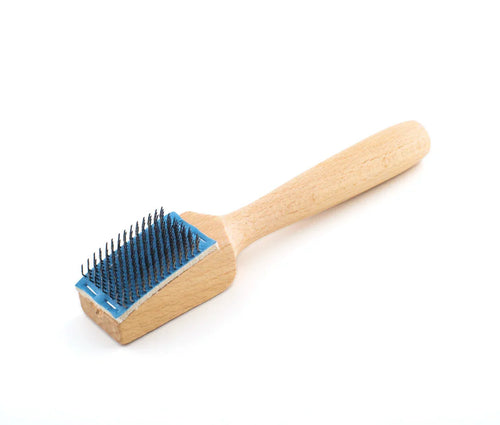
The sole of your dance shoe, usually made of suede (nubuck), is crucial for the balance between grip and turnability. What I often see is that dancers wear their shoes outside or walk through muddy puddles, which is disastrous for the soles. Suede is like a sponge: it absorbs dirt, dust, and moisture, making it smooth and causing it to lose its functionality. That's why it's of vital importance to brush your suede soles regularly. Use a special suede brush with metal bristles for this. Always brush in one direction to remove dirt and roughen up the fibers again. This restores grip and extends the life of your shoes. A common mistake is using water or aggressive cleaning agents; this makes suede hard and unusable.
Upper and Heels: Protection and Stability
The upper of your dance shoes, whether it's leather, satin, or synthetic material, also deserves attention. Each material has its own approach:
- Leather dance shoes: These are robust but dry out and can crack if not properly cared for. Clean them with a slightly damp cloth and occasionally use a special leather cream or conditioner. This keeps the leather supple and prevents dehydration.
- Satin dance shoes: Beautiful to look at, but fragile. What I often hear here is the fear of stains. Stains can be carefully dabbed with a slightly damp cloth and a mild soap solution, but avoid rubbing. Special protective sprays are also available that help prevent stains. These elegant women's dance shoes with a satin upper deserve that extra care.
- Synthetic dance shoes: These are often the easiest to maintain. A damp cloth is usually sufficient to remove dirt and sweat.
Don't forget the heels and heel tips. Check these regularly for wear. A worn heel tip can disturb your balance and even be dangerous. They are relatively easy to replace and ensure that you can dance stably and safely again. This is especially important for men's dance shoes, where the heel often provides a sturdy base.
Storage and Airing: The Invisible Care
After dancing, it's tempting to just throw your shoes in your bag, but that's a recipe for problems. Sweat and moisture can cause mold and unpleasant odors. Give your shoes time to air out after every session. Take them out of your bag and let them stand in a dry, ventilated place. I personally always use a breathable fabric shoe bag; this protects them from scratches and dirt in your bag, but does let them breathe. Avoid plastic bags, which trap moisture. A shoe tree can also help maintain the shape of the shoe and absorb moisture, especially with leather shoes.
When is it Time for New Ones?
Despite all the good care, there comes a time when your shoes need replacing. Watch for signs such as:
- The sole has become so thin that you feel the structure of the dance floor, or it has cracks.
- The upper is seriously damaged or no longer offers the necessary support.
- The heel tips are irreparably worn or the heel itself has come loose.
- You constantly feel pain or discomfort, even after a short dance session.
If you ignore these signals, you risk not only your comfort and performance but also your health. You don't want to notice in the middle of a complicated lift that your shoe is giving out. Sometimes you also see good dance shoes on sale, which can be a perfect time to preventively purchase a new pair if your current pair is approaching the end of its lifespan. Good maintenance is crucial, but also know when it's time to say goodbye and make a fresh start with a new pair.
Frequently Asked Questions
Why should I buy dance shoes online instead of in a physical store?
Buying online offers a huge range, often at more competitive prices due to lower overhead costs. You can calmly compare, read reviews, and benefit from offers that are not always available in physical stores. Moreover, it is convenient: you order from home and the shoes are delivered. Ideal for those who have little time or live in an area without specialized dance stores.
Which factors are crucial when choosing dance shoes online?
Pay attention to the sole (split sole for flexibility, continuous sole for support), the material (leather for durability, satin for aesthetics), the heel height and shape. Also important is the fit: consult size charts and read product descriptions carefully. Think about your dance style; ballroom requires different shoes than salsa or ballet. Quality and comfort are essential for injury prevention.
How do I determine the right size of dance shoes when I order them online?
Measure your feet accurately: length and width. Compare these measurements with the specific size chart of the brand, as sizes can vary by manufacturer. Also read reviews about the fit; do they run large or small? Sometimes it is recommended to order a half size larger or smaller. If in doubt, contact customer service for advice.
Where can I find reliable online stores for dance shoes?
Look for specialized dance webshops that offer a wide range of well-known dance brands. Check the website for quality marks, clear return conditions, and contact information. Read online reviews from other buyers about the store and the products. Large, general sports stores may also have a selection, but specialized stores often offer better expertise and service and a deeper assortment.
What are the return and exchange options if the shoes bought online do not fit?
Most reliable online stores offer a return or exchange policy within a certain period, often 14 to 30 days. Ensure the shoes are unworn and in the original packaging. Always check the specific return conditions before you order, including who bears the return costs. This prevents disappointments if the fit turns out not to be ideal.
Can I find good quality dance shoes during an online sale?
Absolutely! Online sales are an excellent opportunity to obtain high-quality dance shoes at a discount. Brands often clear out older collections or offer seasonal discounts. Pay close attention to the product description and any reasons for the discount, such as "last sizes". Always check the return conditions, as sale items sometimes have different rules. Be quick, because popular sizes go fast.
What types of dance shoes are there and how do I choose the right one for my dance style?
There are various types: ballet shoes (soft, flexible), pointe shoes (for dancing on toes), jazz shoes (flexible, split sole), ballroom and latin shoes (heel, suede sole), tap shoes (with plates), and sneakers for street dance. The choice depends entirely on your dance style. Consult your dance teacher for specific advice and ensure the shoe offers sufficient support and flexibility for the movements of your discipline.
What are common mistakes when buying dance shoes online?
A common mistake is not consulting the size charts of the specific brand, which leads to an incorrect size. Ignoring return conditions and not reading product reviews are also pitfalls. People sometimes buy shoes purely on appearance without taking functionality for their dance style into account. Deciding too quickly without comparing prices can also lead to a less favorable deal.


