

Table of Contents
- Why Store Properly?
- Cleaning Before Storage
- Optimal Conditions
- Specific Materials
- Smart Storage Tips
- Common Mistakes
- Frequently Asked Questions
As a dance instructor, I unfortunately see it too often: beautiful dance shoes that give up the ghost much too early. That expensive investment, that perfect fit, the grip you need so much on the dance floor – they can all deteriorate quickly if you simply toss them in your bag after class. But did you know that the lifespan of your favorite pair largely depends on how you store them? In this blog post, I share my proven methods for correctly storing your dance shoes, so they last for years and you get maximum enjoyment from them.
Good shoe care is more than just cleaning your dance shoes; it starts immediately after your last step. Over the years, I've seen how a little extra attention makes the difference between a pair that lasts six months and a pair that faithfully accompanies you through countless lessons and performances. We're going to talk about the basic principles of shoe maintenance, from letting them breathe to protecting the sole. Believe me, with these simple tips you'll save a lot of money and frustration in the long run. This way, your dance shoes stay perfect as long as your passion for dance!
Why Store Properly?
As a dancer, you know that your dance shoes are more than just an accessory; they are an extension of your body. They carry you through pirouettes, lifts, and quick steps, and absorb the impact of every landing. However, what I often see in practice is that the care for these essential partners stops as soon as the lesson or show is over. They disappear into a bag, under a couch, or in a full closet. A common mistake, because the way you store your dance shoes has a direct and huge impact on their lifespan, your comfort, and even your performance.Maintaining Shape and Functionality
Think about the delicate construction of your dance shoes. Whether it's the flexible sole of a ballet shoe, the suede bottom of your salsa shoes, or the supportive shank of a tap shoe: every inch is designed with a specific purpose. If you carelessly stuff your shoes into a bag after dancing, they can lose their shape. A crumpled toe in pointe shoes, a creased heel counter in ballroom shoes – these are all problems I often encounter. A shoe that has lost its shape no longer provides optimal support and can even lead to discomfort or blisters. It's just like your own body: if you strain muscles incorrectly, you get complaints. It's no different with your shoes. Proper storage means the shoe can "rest" in its natural shape, so the materials are not unnecessarily stretched or compressed.Extending Lifespan and Preserving Value
Dance shoes are not a cheap investment. A pair of high-quality standard dance shoes can cost a significant amount, and rightly so, given the specialized materials and craftsmanship. It would be a shame if this investment were prematurely ruined by poor storage. Moisture, direct sunlight, and dust are the biggest enemies of materials like leather, suede, and satin. Moisture can lead to mold and nasty odors, while sunlight can dry out and discolor materials. Suede soles, essential for grip on the dance floor, can become hard and slippery if not properly treated and stored, seriously affecting your grip and therefore your safety. By storing your shoes correctly, you significantly slow down the aging process of the materials, allowing you to enjoy your favorite pair much longer. This also saves you a lot of money in the long run.Hygiene and Fresh Scent
Let's be honest: you sweat while dancing, and your feet are no exception. Moisture and heat in shoes create an ideal breeding ground for bacteria, leading to unpleasant odors and, in the worst case, foot fungus. What I often see is people putting their sweaty shoes directly into a closed bag after dancing. This is disastrous! Proper storage starts with *letting them air out*. Cleaning your dance shoes and then storing them in a ventilated place is crucial for hygiene. Consider using shoe fresheners or cedar shoe trees that absorb moisture and release a fresh scent. A good shoe care routine, including proper storage methods, is just as important as the training itself. Take a look at our shoe care products to see how you can optimally extend the life of your dance shoes and keep them fresh. By paying attention to these details, you ensure that your shoes are ready for every next dance, time after time.Cleaning Before Storage
As a seasoned dancer, I know better than anyone how important your dance shoes are. They are your extension on the dance floor, your partner in rhythm. But after an intense evening, whether it was a lesson, training, or performance, the temptation is great to just throw them in your bag. Believe me, that is one of the biggest mistakes you can make if you want to extend their lifespan. Before you store your beloved dance shoes, a thorough cleaning is essential. Over the years, I have seen countless pairs wear out due to negligence, and what I often see is that people underestimate the impact of sweat, dirt, and dust.
The Soles: The Foundation of your Movement
Always start with the soles. This is where all contact with the floor takes place and where most dirt collects. Whether you dance on the smooth parquet floor of a ballroom or perform the energetic movements of salsa, the soles of your shoes catch everything. In practice, this means that suede soles, which most dance shoes have for optimal grip, quickly become dirty and slippery. A common mistake is ignoring this buildup of dirt, causing you to lose grip and the sole to wear out faster.
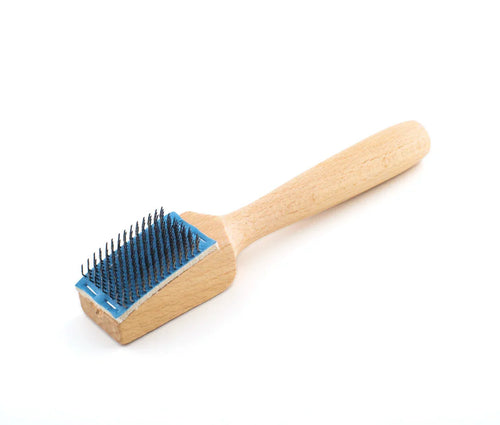
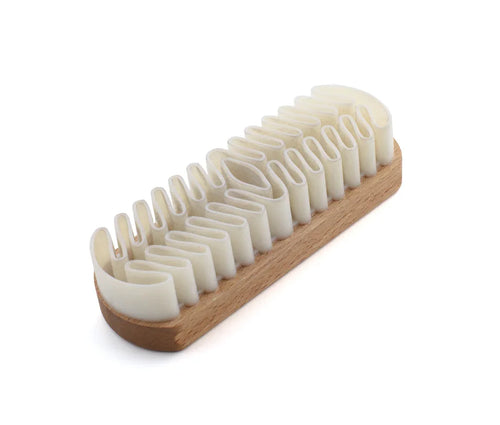
- Practical tip: Use a special suede brush. I always have one in my dance shoe bag. Gently brush in one direction to remove dirt and dust and to roughen up the fibers of the suede again. This not only restores your grip but also significantly extends the life of the sole. For optimal shoe care, I recommend doing this after every wear, or at least every few times.
The Upper: Shine and Protection
After the soles, focus on the upper. This part of your shoe is just as vulnerable, depending on the material. What I often see is that people are too aggressive here or use the wrong products, which does more harm than good.
- Leather and Synthetic: For leather or synthetic dance shoes, such as many of my training shoes, a slightly damp cloth is usually enough to wipe away sweat and stains. Make sure the cloth is not too wet and rub gently. Avoid aggressive cleaning agents that can dry out or damage the material. After cleaning, let them air dry, away from direct sunlight or heat.
- Satin and Suede (upper): Satin is a different story. This delicate material is beautiful but also very sensitive to water and stains. A common mistake is to treat satin shoes like leather. For satin, use a dry, soft cloth to wipe away dust. For stubborn stains, you can use a specialized stain remover for delicate fabrics, and then only by gently dabbing, never rubbing. Brush suede uppers just like the soles, but even more carefully, and avoid water completely.
The Inside: Sweat and Odor
The inside of your dance shoes is often the most forgotten part, but it's also where sweat and bacteria accumulate, leading to nasty odors and the breakdown of the inner material. I have often seen shoes being 'eaten away' from the inside by sweat acids.
- Practical tip: After every wear, I take my shoes out of my bag and let them air out well. This is crucial for moisture to evaporate. You can also use special shoe fresheners or cedar shoe trees that absorb moisture and release a fresh scent. These tools are a small investment, but they make a world of difference in the lifespan and freshness of your shoes. For general shoe care products, including these fresheners and brushes, there is a wide range of options available specifically designed for the delicate materials of dance shoes.
By following these steps, you ensure that your dance shoes not only last longer but are also always ready for your next dance. A clean shoe is a happy shoe, and a happy shoe contributes to a happy dancer!
Optimal Conditions
As an experienced dancer, I know better than anyone how important it is to keep your dance shoes in top condition. After all, they are an extension of your body on the dance floor! A common mistake, especially among beginning dancers, is underestimating the impact of storage conditions on the lifespan of your precious shoes. It goes beyond just a box or a bag; the environment in which you keep them really makes a difference.
Moisture and Ventilation: The Enemies of Dance Shoes
What I often see after an intense training session or an evening full of performances is dancers throwing their sweaty shoes directly into a closed bag. This is disastrous! Moisture is the biggest enemy of almost any shoe material, whether it's leather, suede, satin, or synthetic. It creates a breeding ground for bacteria and mold, which not only leads to nasty odors but also affects the material, weakens the glue bonds, and drastically shortens the lifespan. No one wants to stand on stage with a peeling sole, right?
My golden rule is: *always* let your shoes air dry properly first. Take them out of your dance bag and put them in a place where they can breathe. Avoid direct sunlight, as it can dry out or discolor the material. An open closet, a shoe rack in a well-ventilated room, or even just on the floor (if no pets or small children can reach them) is already much better than a closed space. Consider using special shoe fresheners or silica gel packets to absorb excess moisture. This is a crucial part of your shoe care routine, especially for delicate materials.
Temperature and Light: The Silent Demolition Hammers
Besides moisture, extreme temperatures and direct light are also factors that can slowly damage your dance shoes. Think of the glowing sun on your car seat or the icy cold in an unheated storage room. Heat can melt glue, dry out and crack leather, and deform synthetic materials. Cold, on the other hand, can make materials stiff and more vulnerable to cracking. My advice is therefore to store your dance shoes in a room with a stable, moderate temperature, similar to your living room.
Direct sunlight is also a culprit. It can cause the colors of your latin shoes to fade, especially with bright shades or satin fabrics. What I often see in practice is dancers carelessly leaving their shoes on a windowsill. This is asking for trouble! It's better to store your shoes in a dark environment, for example in a fabric shoe bag or a breathable shoebox. This protects them not only from light but also from dust and other external influences.
Shape Maintenance and Protection: More than Just Cleaning
It's not just about cleaning your dance shoes; maintaining their original shape is just as important. A common mistake with salsa shoes, with their flexible soles and often delicate uppers, is that they are crushed or piled up after use. This can lead to irreparable creases and dents, especially in the toe or heel counter. Therefore, always use shoe trees. Wooden trees, preferably made of cedar, are ideal because they not only maintain the shape but also absorb moisture and release a fresh scent. For lighter shoes like ballet shoes or jazz shoes, simple stuffings of acid-free tissue paper are also a great solution.
Finally, make sure your storage area is clean and dust-free. Dust can accumulate in the pores of materials and is difficult to remove, especially with suede. A special shoe cabinet, a shelf in your wardrobe, or even a drawer with enough space are perfect options. By creating these optimal conditions, you invest not only in the lifespan of your dance shoes but also in your dancing pleasure and performance.
Specific Materials
As a dancer, you know that your shoes are more than just footwear; they are an extension of your body. But the way you care for and store them depends heavily on the material. What I often see is that people treat all their shoes the same way, regardless of whether they are leather, suede, or satin. That is a missed opportunity, as each material has its own specific needs to maximize that lifespan and maintain that perfect grip or shine. Important to know: the most common materials and how to best treat them.Leather: Robust with a Soft Heart
Leather dance shoes, like many of our elegant dance shoes, are incredibly durable, but they also need love. In practice, I notice that leather, especially after intensive use, can dry out. This leads to stiffness and eventually cracking, which you obviously want to prevent.- **Cleaning and Maintenance:** After each session, wipe the leather with a slightly damp cloth to remove sweat and dirt. Definitely do not use aggressive cleaning agents. Every so often, depending on how often you dance, it's good to nourish the leather with a special leather conditioner or cream. This keeps it supple and prevents drying out. Remember, just like your skin, leather needs hydration.
- **Storage:** What I often see is leather shoes ending up in a closed bag after dancing. Don't do this! Leather needs to be able to breathe. Provide a breathable shoe bag or store them in an open closet. A cedar shoe tree is your best friend here. It absorbs moisture and nasty odors, and helps maintain the shape, which is crucial for the fit of your training shoes.
Suede: The Grip Factor of your Sole
Suede soles are the backbone of most dance shoes, from Latin to ballroom. They provide that indispensable grip and the ability to turn smoothly. A common mistake is letting these soles get wet or ignoring them. Water is the biggest enemy of suede soles; it makes the suede hard and slippery, causing you to lose grip and potentially even slip.- **Cleaning and Maintenance:** After each dance session, use a special suede brush to roughen up the soles. This removes dirt and dust and restores the texture needed for optimal grip. I always advise doing this immediately after dancing, before the dirt is baked in. Avoid moisture at all times; never walk outside in your dance shoes, not even across a small patch of wet sidewalk. And if you dance in a hall where something has been spilled, try to avoid those spots.
- **Storage:** Suede soles are sensitive to drying out and hardening if not stored properly. Make sure the soles are not lying flat on a rough surface that can damage the suede. Preferably store them in a soft shoe bag, possibly with a piece of tissue paper between the soles if you stack them, to prevent them from sticking together or transferring dirt.
Satin: Elegance that Demands Care
Satin dance shoes, often seen in ballroom or for special occasions, radiate pure elegance. Think of those beautiful bridal shoes that let you shine all evening. However, satin is a delicate material that stains quickly and damages easily. One careless moment can lead to snags or tears.- **Cleaning and Maintenance:** Stains on satin are tricky. Try dabbing them gently immediately with a slightly damp, clean cloth and a small amount of mild soap (without dyes). Rubbing can damage the fabric or make the stain worse. What I often see is people rubbing too hard, resulting in a shiny spot or a damaged weave structure. There are special sprays that apply a protective layer against water and stains. This can be a good investment, especially if you dance a lot.
- **Storage:** The biggest enemies of satin shoes during storage are dust, direct sunlight (can cause discoloration), and physical damage such as snags. Always store them in a soft cloth shoe bag, preferably of breathable material like cotton or silk. You can also put acid-free tissue paper inside to maintain the shape and keep dust out. Make sure they are not crushed under other items, as creases in satin are hard to remove.
Smart Storage Tips
After an energetic dance evening, whether it was an intensive training or a sparkling performance, the temptation is great to quickly put your dance shoes away. Yet this is exactly the moment when you lay the foundation for their long life. For years I have seen dancers wear out their favorite pair far too quickly, simply through negligence in aftercare. Good storage is a crucial part of overall shoe care, and it goes beyond just storing them in a closet.
Direct Aftercare: What to Do After Dancing
The first steps you take after taking off your dance shoes are decisive. What I often see is people stuffing their sweaty shoes directly into a gym bag or closed shoebox. This is a common mistake that leads to moisture buildup, nasty odors, and even mold growth. Especially with sensitive materials like satin or suede, this is disastrous.
- Ventilation is Crucial: Remove your shoes from your bag immediately. Let them air out for at least a few hours in a dry, ventilated place, far away from direct sunlight or a heat source. This helps dispel moisture and sweat, which is essential for hygiene and material preservation.
- Surface Cleaning: Take a dry, soft cloth and gently wipe any dust or dirt from the upper. For salsa shoes with suede soles, I always use a special sole brush to roughen the fibers again. This not only improves grip but also removes accumulated dirt. A clean sole is a safe sole.
- Maintaining Shape: Use cedar shoe trees. These not only absorb remaining moisture but also help maintain the original shape of the shoe, preventing wrinkles and deformations. If you don't have trees, you can loosely fill the shoes with acid-free paper. Avoid newspaper, as the ink can leave stains.
Long-term Storage: The Ideal Spot
Once your shoes are well-ventilated and cleaned, it's time to store them for the longer term. The environment in which you keep them makes a world of difference for shoe maintenance.
- Dry and Dark: Choose a spot that is consistently dry and dark. Damp basements or attic spaces with large temperature fluctuations are out of the question. Direct sunlight can dry out, discolor, and even crack materials. Think of a closet or a special shoe rack in a room with a stable climate.
- Breathable Protection: Store your dance shoes in breathable fabric bags. Many dance shoes, such as delicate ballet shoes, often come with such a bag. These protect against dust and scratches while still allowing air circulation. Plastic bags or airtight containers are an absolute no-go; they trap moisture and create a breeding ground for bacteria and mold.
- Separate Storage: If possible, store your shoes separately from other items that can damage them. High heels, for example, can easily cause scratches on the delicate upper of other shoes.
By following these concrete steps, you transform the way you handle your dance shoes. It's a small investment in time that pays off twice over in the lifespan and performance of your most essential dance accessory. Properly cleaning dance shoes and storing them is not a luxury, it's a necessity.
Common Mistakes
As a dancer, I know from experience that after an intense training or a sparkling performance, we often want only one thing: to take off our dance shoes as quickly as possible and put them somewhere. But it's precisely at that moment that the most common mistakes creep in, mistakes that can drastically shorten the lifespan of your beloved shoes. I see it time and again, with both beginners and experienced dancers. Important to know: what I often encounter and how you can easily avoid these pitfalls.
Storing too quickly without breathing space
An absolute classic and one of the biggest culprits: putting your shoes in a closed bag or box immediately after dancing. Think about it: your feet sweat, especially during an intensive salsa lesson or a long ballroom competition. That moisture stays in the shoe. What I often see is dancers stuffing their ballroom shoes, still warm and damp from sweat, into a plastic bag or a zipped-up gym bag. The result? A perfect breeding ground for bacteria and mold, leading to nasty odors and eventually even degradation of the material, both the inner lining and the upper.
In practice, this means that glue bonds can weaken, leather can dry out and crack, and the suede sole loses its structure. The solution is simple: give your shoes the chance to breathe. Remove them from your bag immediately, place them in a dry, ventilated spot, and let them dry completely. A tip I always give: use cedar shoe trees. These not only absorb moisture but also help maintain the original shape of the shoe and release a fresh scent.
The wrong storage spot
Besides immediate storage without airing, the choice of storage spot is crucial. A common mistake is to leave the shoes in the gym bag until the next lesson, or to store them in a damp basement or directly in the sun. This applies just as much to your latin dance shoes as to your ballet points.
- Damp environments: A damp place, such as a basement or an unventilated closet, can lead to mold growth and degradation of the leather or satin. The soles can warp and the glue can come loose.
- Direct sunlight or heat: On the other hand, direct sunlight or a spot near a heater can dry out the material. Patent leather can crack, satin can discolor, and the glue of suede soles can melt, causing the sole to come loose.
- Incorrect transport: I also often see dancers throwing their shoes loosely into a large bag, where they are crushed by other items. This can damage the heels or affect the delicate shape of, for example, ballet shoes.
My advice? Store your shoes in a dry, dark, and ventilated place. Special shoe bags made of breathable material are ideal for transport because they offer protection without hindering ventilation.
Skipping maintenance or handling it incorrectly
Shoe care is not a luxury, it's a necessity. What I often see is dancers not cleaning their shoes for weeks, or treating them the wrong way. Especially the suede soles of many dance shoes need regular attention. By moving on the dance floor, the sole collects dust, dirt, and skin flakes. This makes the sole slippery, which reduces your grip and increases your risk of slipping.
A common mistake is never brushing the soles. Use a special suede brush after every dance session to roughen the fibers again and remove dirt. For patent leather shoes, I often see people wiping them with a wet cloth and then letting them dry, which can cause streaks. For this, use a soft, dry cloth and possibly a special patent cleaner to maintain the shine and prevent cracking. Leather also needs nourishment; a good leather conditioner keeps it supple and prevents drying out. In short, a little attention to the specific materials of your shoes works wonders for their lifespan.
Frequently Asked Questions
Why is proper storage so important for dance shoes?
Proper storage significantly extends the life of your dance shoes. It prevents deformation of the sole and upper, protects against moisture and mold, and maintains the fit and support essential for your dance performance. By storing carefully, materials like leather, satin, or suede remain in optimal condition, meaning you won't have to buy new shoes as often and can always dance comfortably.
Can I just leave my dance shoes in a gym bag after dancing?
No, that is not recommended. A closed gym bag traps moisture and sweat, creating an ideal breeding ground for bacteria and mold. This can lead to unpleasant odors, degradation of the material, and a shorter lifespan for your shoes. Take your shoes out of your bag after every session, let them air out and dry in a well-ventilated place before storing them.
What is the best way to combat sweat and odors in my dance shoes?
To combat sweat and odors, remove the shoes from your bag immediately after dancing. Use shoe fresheners, cedar shoe trees, or baking soda sachets to absorb moisture and neutralize odors. Always let the shoes air out well in a dry, ventilated spot. Regularly cleaning the inside with a mild cleanser can also help kill bacteria and maintain freshness.
Which materials are most suitable for storing dance shoes?
Breathable materials are crucial. Use fabric shoe bags made of cotton or microfiber to keep out dust while still allowing air circulation. Hard shoeboxes with ventilation holes are also a good option. Avoid plastic bags or airtight containers, as these trap moisture and promote mold growth. Ensure the storage area itself is dry and not too hot or cold.
Do I need to clean my dance shoes before storing them for a long period?
Absolutely. For long-term storage, thorough cleaning is essential. Remove dirt and dust from the exterior and clean the interior to eliminate sweat residue and bacteria. Ensure the shoes are completely dry before storing them to prevent mold growth. Use shoe trees to maintain the shape and consider a protective spray for materials like suede.
Are there specific tips for storing different types of dance shoes (e.g., pointe shoes, salsa shoes)?
Yes, pointe shoes require extra care; preferably store them in a special pointe shoe bag that protects their shape and let them dry well. Salsa shoes with suede soles must be kept dry and clean; use a suede brush for the soles. In general: avoid pressure on the toe of pointe shoes and store all shoes so that their natural shape is maintained, possibly using shoe trees.
How often should I check my dance shoes if they are stored for a longer time?
If your dance shoes are stored for more than a few weeks, it's advisable to check them at least every 2-3 months. Take them out of their storage place, check for signs of moisture, mold, or pests, and let them air out for a bit. This prevents unpleasant surprises and gives you the chance to intervene in time if problems arise, so your shoes are ready for use when you are.
The beauty of dancing is the pure expression and freedom, and your dance shoes are your faithful partners in that. What I especially want to share with you is that those small moments of attention after each session are invaluable. Think of carefully letting them air out, cleaning soles after intensive use, and storing them in a dry, ventilated place. These simple steps ensure that your shoes last longer, maintain their shape, and provide your feet with the best support time and again.
Above all, remember: investing in good shoe care is investing in your dancing pleasure. Whether you are looking for the right brushes, cleaning sprays, or protective covers, the right products make the difference. Feel free to take a look at our women's shoe care collection; there you will find everything to keep your beloved dance shoes in top condition. Because every step, every turn, and every jump deserves the best. Let your passion shine, night after night, with shoes that are just as energetic as you are.


