

Table of Contents
- Identifying the Right Material
- Cleaning Methods per Type of Shoe
- Effectively Freshening Smelly Dance Shoes
- Safely Disinfecting Used Dance Shoes
- Extending the Lifespan of Children's Shoes
- Common Maintenance Mistakes
- Frequently Asked Questions
Nothing betrays an intensive week in the dance studio faster than that recognizable, musty smell escaping from an overcrowded gym bag. You can safely clean most children's dance shoes by washing canvas models on a cold, short cycle and only wiping leather shoes with a slightly damp cloth, always brushing the suede sole dry. In the years that I have been teaching children's ballet classes, I have seen countless pairs of footwear go from pink to gray rather than pink or black after a few months. It's a familiar dilemma: you want the gear to stay fresh, but you're afraid of ruining the fit or the grip of the sole.
During my lessons, I see every day that proper care significantly extends the lifespan of the material, which is certainly not an unnecessary luxury for an intensive hobby like dance for kids. Whether it's those first supple ballet shoes or sturdier sneakers, the right technique prevents the leather from drying out or the fabric from shrinking irreparably. I am sharing my personal experience on how to tackle stubborn stains without compromising quality, so your child can get back on the dance floor with fresh feet and optimal grip.
Identifying the Right Material
Before you pull out the cleaning supplies, it is essential to know what your child's shoes are actually made of. In practice, I often see parents enthusiastically getting to work with a wet cloth on leather, which unfortunately can irreparably damage the shoe. Every material in the dance world has different properties and reacts differently to moisture and friction. Identifying the right material is the first step to prevent having to purchase new shoes for the next lesson after just one wash.
Canvas versus leather in ballet
In the weekly classes for children's ballet shoes, I usually see two variants: canvas and leather. You recognize canvas immediately by its woven structure; it feels like a sturdy denim fabric. The big advantage of canvas is that it breathes, but it also absorbs sweat and dirt from the dance floor. Leather, on the other hand, has a smooth or slightly grainy structure and often shines a bit. A common mistake I see is parents treating leather shoes as if they were sneakers. Leather contains natural oils that keep the shoe supple. As soon as you completely soak this material with water, it dries stiff and hard, causing the fit around the child's arch to be completely lost.
What I often advise is the 'pinch test'. Grab the shoe and press the material gently. Do small wrinkles appear that slowly disappear? Then you are probably dealing with leather. Does the material feel stiff and do you see a clear weave? Then it's canvas. In practice, canvas is much more forgiving when cleaning, while leather requires a careful, drier approach to continue supporting the anatomical shape of the foot.
The complexity of dance sneakers and mesh
Nowadays, many children's dance sneakers are made of advanced synthetic materials. You often see a combination of mesh (perforated fabric) and synthetic leather. Mesh is fantastic for ventilation during an intensive hip-hop class, but it acts like a magnet for dust and dirt from the dance studio. In practice, I see that this dirt penetrates deep into the fibers. It is important here to see if the shoe has a so-called 'split-sole'. The materials between the sole sections are often elastic and more fragile than the rest of the shoe. If you scrub too hard here, the shoe loses its resilience, which is essential for absorbing jumps and landings.
Character shoes and the suede sole
Another type of material we often encounter in folk dance or musical theater classes is the material of character shoes. These children's character shoes often have a synthetic leather or canvas upper, but the real challenge lies on the bottom. The sole is almost always made of suede (chrome leather). This material is extremely sensitive to moisture. In practice, I see that suede soles 'glaze over' when they come into contact with water or too much dirt; they become mirror-smooth, which can be dangerous during turns. Recognize the suede sole by its soft, hairy texture. If it is flattened and shiny, you know it's time for maintenance, but absolutely not with soap and water.
To quickly determine which material you have, you can look for the following points:
- Texture: Does it feel fibrous and fabric-like? Then it is canvas or mesh. Does it feel smooth and cool? Then it is (synthetic) leather.
- Sole: Is the bottom hairy and rough? That's suede and should never get soaking wet. Is the sole made of rubber? Then you can work a bit more thoroughly.
- Flexibility: Synthetic materials often spring back immediately, while leather remembers the shape of the child's foot.
- Seams: With canvas, you often see clear stitching that holds dirt, while leather often has glued or flat seams.
By first taking a moment to look at the shoe and identify these characteristics, you prevent choosing the wrong cleaning method. In my experience, this short check not only saves you money but also ensures that your child's dance shoes last much longer and maintain their supportive function.
Cleaning Methods per Type of Shoe
In the dance studio, I see daily how differently materials react to intensive use. What I often see is that parents treat all of their child's shoes the same way, but a leather sole requires a completely different approach than a fabric sneaker. Cleaning dance shoes for children incorrectly can completely ruin the fit and flexibility of the sole, which directly impacts technique and safety during class.Canvas and leather ballet shoes
With the little ones, I often see the pink or white canvas shoes turn gray after a few weeks due to dust on the studio floor. Canvas has the advantage that it breathes, but it also absorbs dirt. A common mistake is to throw these shoes directly into a hot wash cycle. Although canvas can be washed in a laundry bag on a cold cycle, I recommend keeping this to a minimum to avoid weakening the elastic. Leather shoes are a different story and should absolutely never go in the washing machine. For these children's ballet shoes, it's better to use a slightly damp cloth with a small drop of mild soap. In practice, I see that leather that has become too wet dries hard and stiff. This prevents the dancer from properly articulating their foot, which hinders the development of the foot muscles. Therefore, never dry leather on the heater, but let them air dry with some paper towels inside to maintain the shape.Character shoes and dance sneakers
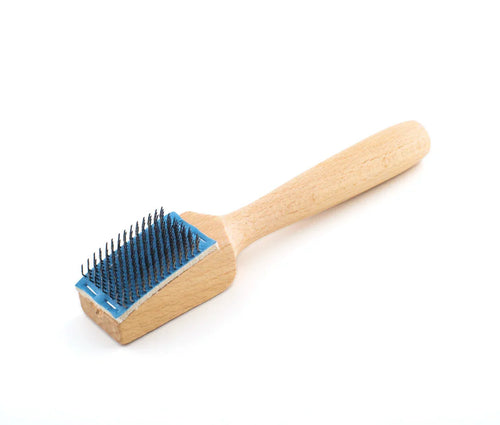
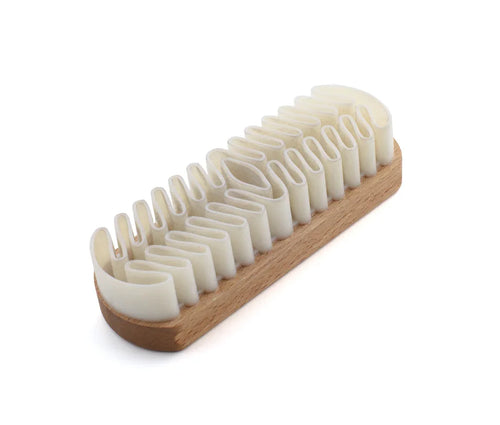
For more theatrical lessons or folk dance styles, shoes with a small heel are often used. These children's character shoes usually have a suede sole that is essential for controlled turning without slipping. When this sole gets 'clogged' by accumulated dirt and floor wax, it becomes mirror-smooth. In this case, use a special suede brush to roughen the fibers again. Clean the top of the shoe, which is often made of synthetic leather or leather, simply with a soft cloth. In hip-hop or street dance, children's dance sneakers are the standard. Because these shoes often have a combination of mesh and synthetic materials, they hold odors easily. A practical tip I always give: take the insoles out immediately after every class.- Suede soles: Never get these wet. Water destroys the natural grip of the suede, making the shoe unusable for turning movements.
- Seams and folds: Use an old, soft toothbrush to remove dust between the folds near the toes, where resin and floor dirt often clump together.
- White soles: Use a magic eraser for the sides of sneakers to remove black scuff marks without damaging the upper material.
Effectively Freshening Smelly Dance Shoes
Nothing is as recognizable to a dance parent as that specific, pungent smell escaping from a gym bag after an intensive class. In practice, I see that the combination of sweat, heat, and a closed bag is the ideal breeding ground for bacteria. What I often see is that the shoes simply stay in the bag after class until the following week. This is a common mistake; the moisture gets no chance to evaporate, causing the smell to soak deep into the material. Especially in intensive children's ballet, where canvas children's ballet shoes are worn directly against the skin or over thin tights, sweat absorbs into the fibers very quickly.Ventilation is Half the Battle
The most important rule I always give parents: take those shoes out of the bag as soon as you get home. In practice, it works best to place them in a cool, dry spot with the opening folded open as far as possible. However, never use the heater to speed up the process. The heat from a radiator can melt the glue of modern children's dance sneakers or cause the sole to detach. Moreover, extreme heat makes the leather of ballet shoes rock hard and brittle, which drastically shortens the lifespan of the children's dance shoes. A handy tip from the dance studio is the use of unused dryer sheets or special cedar wood blocks. Cedar wood has a natural antibacterial effect and extracts moisture from the insole. This is essential for hygiene during dance for kids, as children often sweat more actively than we realize.Natural Remedies Against Odor
If the smell is already very present and airing them out alone no longer helps, I often reach for baking soda. Sprinkle a small amount into the shoe, shake it around well so it covers the entire insole, and let it sit overnight. Baking soda neutralizes the pH level and absorbs odors instead of just masking them. This works excellently for shoes with a sturdier structure, such as children's character shoes, which often have a plastic or leather insole that holds odors for a long time.- Air out immediately: Take shoes out of the bag after every class and place them in a well-ventilated area.
- Baking soda cure: Use this once a month to neutralize stubborn odors, but brush it out well afterward.
- Cotton barrier: Have your child wear thin cotton socks where possible; this absorbs the initial moisture before it reaches the shoe.
- Alternate: If your child dances several times a week, it is wise to have two pairs of shoes so that each pair can rest for at least 24 hours and dry out completely.
Safely Disinfecting Used Dance Shoes
In practice, I regularly see parents taking over dance shoes from each other or purchasing them via platforms like Vinted. That is a smart way to lower the costs of children's ballet, especially since those little feet grow so fast. But a common mistake is to put these shoes directly into the bag without thoroughly disinfecting them first. Dance shoes are the perfect breeding ground for bacteria and fungi due to the combination of heat, friction, and moisture during an intensive class.
What I often advise is to first look closely at the material of the shoe, as canvas requires a completely different approach than leather. When taking over used ballet shoes for girls, for example, I often see that the insole is discolored by dried sweat and skin cells. A safe way to handle this without damaging the material is to use a spray based on 70% isopropyl alcohol or a natural mix of water with a few drops of tea tree oil. Lightly spray the inside and let the shoes air dry, but never directly on a heat source.
The freezer method and killing bacteria
A technique that has been used in the dance world for years for shoes that cannot simply go in the washing machine is the freezer method. The bacteria responsible for unpleasant odors often cannot withstand extreme cold. Put the shoes in a well-sealed plastic bag and place them in the freezer for at least 24 hours. This is a safe way to improve hygiene without using chemicals that can irritate sensitive children's skin.
In practice, I notice that this method is especially effective for shoes with a lot of lining. For heavier classes like street dance or jazz, children's dance sneakers are often used. Due to the thick padding and synthetic materials in these sneakers, sweat lingers longer than in a thin ballet shoe. The cold method then helps to get the shoe fresh again for another round in the studio.
Hygiene for harder materials
Not all shoes are as easy to 'turn inside out' to clean the interior. For models with a sturdier structure, such as children's character shoes, the insole is often glued in and the outside is leather or synthetic leather. Here, a careful approach is essential. Use a soft cloth that is only slightly damp with a mild antibacterial soap to wipe down the inside.
A few extra tips for safe cleaning:
- Never use aggressive bleach; this affects the glue and the flexibility of the sole.
- After disinfecting, place cedar wood blocks or bags with activated charcoal in the shoes to absorb residual moisture.
- With second-hand shoes, always check the elasticity of the straps and the condition of the suede sole after you have cleaned them.
- Always let the shoes dry completely before your child puts them on; damp shoes cause blisters more quickly.
What I often see is that parents forget to also clean the outside of the sole. It is precisely the soles that pick up dirt and bacteria from the dance floor. A quick wipe with a disinfectant wipe over the bottom ensures you don't bring dirt from the previous owner into the new dance school. By following these steps, you give a pair of used shoes a safe second life and your child can start dance class with peace of mind.
Extending the Lifespan of Children's Shoes
In practice, I often see that parents only take action once their child's dance shoes already start to smell or show visible wear. That's a shame, because with a few simple habits, you can significantly extend the lifespan of that investment. Dancing is physically hard work, also for the feet of young dancers, and the material takes a beating from sweat, friction, and the specific floors in the studio. A common mistake is treating dance shoes like regular sneakers, when they are actually more like a technical instrument.
What I often see with the youngest students is that the shoes disappear directly into a closed plastic bag after class and stay there until the next training session. This is the fastest way to ruin the material. The moisture (sweat) soaks into the leather or canvas and gets no chance to evaporate, which not only causes unpleasant odors but also weakens the structure of the shoe. Take the shoes out of the bag immediately after arriving home and let them air dry, but never directly on a hot heater; that makes leather hard and brittle.
Maintenance per type of dance shoe
The way you extend the lifespan depends heavily on the material. With canvas girls' ballet shoes, for example, I see that the toes quickly get dirty from floor contact during barre exercises. Instead of throwing them directly into the washing machine – which can ruin the fit – I recommend treating stains locally with a soft cloth and a tiny bit of mild soap. This keeps the fabric strong and ensures the shoe maintains its shape around the child's instep.
For more formal styles, such as with children's character shoes, it is essential to look at the sole and the heel. These shoes often have a suede sole that becomes smooth from accumulated dust and wax from the dance floor. A special suede brush is indispensable here. By carefully 'roughening up' the fibers of the sole again, your child regains grip and you prevent the material under the shoe from wearing down unevenly. Also pay attention to the heels; as soon as the rubber cap starts to wear out, you must have it replaced before the frame of the shoe touches the floor.
For more robust styles, such as hip-hop or street dance, kids' dance sneakers are often used. Although these look like normal sports shoes, they are made to turn and slide without marking the floor. A golden rule I always give: never use these shoes outside. Asphalt grinds down the special soles within a few days and brings dirt into the studio, which in turn is harmful to the dance floor and the shoes of other children.
Practical tips for daily use
To keep your child's shoes in top condition, you can follow this routine:
- Alternate: If your child dances several times a week, it is ideal to have two pairs of shoes. This allows the material to fully recover and air out between classes.
- Use a cotton bag: Instead of plastic, store the shoes in a breathable cotton bag. This prevents scratches on leather and allows for ventilation.
- Check the fit: Children grow fast. A shoe that is too small is pushed outward by the toes, causing seams to tear faster. A shoe that is too large causes unnecessary friction and wear to the inner lining.
- Trim nails: It sounds simple, but sharp toenails are the biggest enemy of the toes of ballet and jazz shoes. Keep them short to prevent holes in the material.
By making these small actions part of the weekly routine, you ensure that dance for kids remains an enjoyable experience without having to purchase new shoes every two months. Extending the lifespan is not only good for your wallet but also ensures the shoe can optimally mold to the young dancer's foot, which ultimately benefits their technique.
Common Maintenance Mistakes
In practice, I often see that parents, with the best of intentions, throw their child's dance shoes directly into the washing machine after an intensive class. Understandable, because after a few hours of sweating in the studio, the smell can be quite pungent. Yet this is one of the most damaging things you can do. What I often see with students who have washed their children's ballet shoes in the machine is that the leather dries out completely and the fit is lost. The material shrinks unevenly, meaning the shoe no longer provides the necessary anatomical support when stretching the foot.
The washing machine and wrong drying techniques
A common mistake is the idea that a short cycle at thirty degrees can't hurt. Nothing could be further from the truth. The glue that holds the various layers of the sole together dissolves due to the combination of warm water and constant spinning. Even with sturdier-looking models, such as children's dance sneakers, you see the cushioning midsole lose its resilience after a wash. This increases the risk of injuries during jumps and landings, because the shock absorption simply no longer functions as intended.
Additionally, the method of drying is crucial. A mistake I encounter weekly is placing wet shoes on the heater. The direct heat causes the leather to become brittle and start cracking. With satin shoes, you often see ugly water stains appear that you can never get out. Instead of using the heater, you're better off stuffing crumpled newspaper into the shoes and letting them dry at room temperature. This pulls the moisture out without affecting the structure of the material.
Neglecting the sole and storage
What is often forgotten is that the sole of a dance shoe has a completely different function than that of a street shoe. With children's character shoes, the suede sole is essential for the right amount of grip and slide on the dance floor. A common mistake is cleaning this sole with a wet cloth. Water causes the small hairs of the suede to lie flat and become hard, making the sole mirror-smooth. This is extremely dangerous on a wooden dance floor. Always use a specific shoe brush with steel bristles for this to brush out the dirt and restore the grip.
Finally, I see that many children simply leave their shoes in their bag after class until the following week. This is a recipe for bacterial growth and mold. In practice, it is essential to take the shoes out of the bag as soon as you get home. Here are the most common mistakes at a glance:
- Leaving shoes in the plastic bag: This prevents sweat from evaporating and causes the material to suffocate.
- Using aggressive cleaning agents: Bleach or strong all-purpose cleaners affect the dye and fibers of the canvas or leather.
- Ignoring the sole: An accumulated layer of dust and wax from the dance floor makes the shoe unusable if you don't brush it away regularly.
- Replacing too late: Sometimes parents try to "save" shoes that are actually already technically worn out. If the sole is worn through or the leather shows holes, no amount of polishing will help anymore.
By avoiding these simple pitfalls, you ensure that the investment in good footwear pays off in a longer lifespan and, more importantly, in your child's dancing pleasure and safety. Maintaining dance shoes may take a bit more time than a pair of sneakers, but the young dancer's technique will benefit from it.
Frequently Asked Questions
How do you clean dance shoes?
Clean children's dance shoes based on the material. Wipe leather shoes with a slightly damp cloth and mild leather soap. Canvas ballet shoes can often go in a laundry bag in the washing machine on a cold cycle, but never let them dry in the dryer. Regularly roughen suede soles with a special dance shoe brush to maintain grip and effectively remove dirt.
How long do dance shoes last on average?
On average, children's dance shoes last six to twelve months, depending on the intensity of use and your child's growth spurt. With young children in ballet class, they often outgrow their shoes faster than the material wears out. Check monthly to see if toes aren't pinched and if the soles still provide sufficient support and grip during various dance exercises.
How do you disinfect used dance shoes?
Safely disinfect used dance shoes with an antibacterial spray or a mixture of water and natural vinegar. Lightly spray the inside and let the shoes air dry completely, away from direct heat sources like the heater. For leather shoes, it is important to use a conditioner afterward so the material stays supple and doesn't dry out from the cleaning agents.
How do you clean smelly dance shoes?
Treat smelly dance shoes by sprinkling baking soda into the shoes and letting it sit overnight. This effectively absorbs unpleasant odors and moisture. You can also use special odor eaters or cedar wood blocks after every class. Ensure shoes are removed from the bag immediately to air out well, which significantly reduces bacterial growth in the fabric.
Can children's canvas ballet shoes go in the washing machine?
Yes, canvas ballet shoes can go in the washing machine, provided you use a short and cold cycle. Always use a sturdy laundry bag to prevent damage to the drum and the shoe and add a mild detergent. Leather dance shoes must absolutely not go in the machine, as the leather will become hard and may crack. Always let canvas shoes dry naturally after washing.
How do you maintain the suede soles of dance shoes?
Maintain the suede soles of kids' dance shoes by brushing them after every class with a steel dance shoe brush. This roughens up the leather again and removes accumulated dirt and wax from the dance floor. This is essential for safety, as it prevents slipping on smooth floors. Be careful to use the brush only on the sole and not on the fabric.
What should you look for when fitting new dance shoes?
When fitting children's dance shoes, the shoes should fit snugly, but the toes must absolutely not be curled. There can be a tiny bit of growth room, but too much space causes blisters and instability while dancing. Have your child walk a few steps and dance in the store to check if the heel doesn't slip and the shoe fits comfortably everywhere.
The beauty of well-maintained dance shoes is that they not only last much longer, but your child also steps onto the dance floor with a fresh and confident feeling every lesson. What I especially want to give you is that a little extra attention to the material – whether it's carefully wiping leather or naturally airing out canvas – makes a world of difference for ultimate wearing comfort. Remember above all that patience is your greatest ally when drying; avoid the temptation of the heater to maintain fit and flexibility.
Sometimes, after countless pirouettes, shoes are simply due for replacement to continue providing the right support. If that's the case, check out our girls' ballet shoes collection for new, silky-soft options or discover the cool models in our children's dance sneakers collection. Ultimately, it's about your little dancer being able to move completely freely and shine without a care. With the right care on their feet, the way is clear for endless dance fun and new, creative leaps.


