

Table of Contents
- Why special dance sneakers?
- Important features and grip
- Types of street dance shoes
- Choosing the right size
- Maintenance of your sneakers
- Frequently Asked Questions
Your first street dance lesson often ends with sore ankles or burning soles if you pull the wrong sneakers out of the closet. The best street dance shoes are sneakers with a flexible sole for smooth footwork, sufficient cushioning in the heel for explosive jumps, and a specific pivot point under the ball of the foot to protect your knees during fast spins. In my years as a dance instructor, I have seen countless students struggle on running shoes with too much grip. While that grip is great for a sprint in the woods, it blocks your movement on the dance floor, which often leads to annoying meniscus complaints.
Buying street dance shoes is about the perfect balance between lateral stability and the freedom to glide. I notice that many dancers in 2024 still choose based purely on appearance, while the technical construction of the sole determines whether you sustain that choreography or have to drop out halfway. In this guide, I share my practical experience on which brands currently offer the best support and exactly what to look for in the fit, so that you not only have the right look but also keep your body intact on the beat.
Why special dance sneakers?
I see it weekly in the studio: an enthusiastic dancer appearing in brand new running shoes with huge tread soles or heavy, stiff skate shoes. Although they look cool, I see these students struggling after just fifteen minutes. What I often see is that they literally 'stick' to the floor during a turn, which is a huge strain on the knees and ankles. In practice, the difference between an ordinary sneaker and a pair of real dance sneakers is the difference between remaining injury-free and having to see a physical therapist after three months.The balance between grip and gliding
A common mistake is the assumption that you need as much grip as possible to avoid slipping. In street dance and hip hop, the opposite is often true. You need a shoe that lets you turn without resistance, but that provides grip when you push off for a powerful move. Real professional dance sneakers are equipped with a so-called 'spin spot'. This is a smoother, round part under the ball of the foot. In practice, you notice this immediately during a simple pivot or a pirouette; you turn on your forefoot without your ankle joint having to absorb the torsion. With normal sneakers, the sole is often made of high-friction rubber intended for forward movement (like running), not for lateral rotations. If your knee wants to turn but your shoe stays put, things go wrong.Shock absorption and lateral support
Street dance is physically demanding. Think of the impact on your joints during jumps, landings after a power move, or the fast 'downrock' movements. What I often see with cheap sneakers is that the cushioning has completely collapsed after just a few lessons. Special dance sneakers have cushioning specifically designed for vertical impact and lateral load.- Heel support: The heel counter must be firm to keep your foot in place during fast footwork combinations.
- Lateral stability: In street dance, you move sideways a lot. A good dance shoe prevents you from 'rolling over the edge' of your sole.
- Lightweight materials: You don't want heavy blocks on your feet when you're trying to improve your jumping power.
Flexibility for technical footwork
Another crucial point is the flexibility of the sole. Many street dance styles require you to be able to fully 'point' your foot or to support yourself on the sides of your feet. In practice, I see that stiff soles limit the freedom of movement of the foot, making your technique sloppy. Many dance sneakers use a 'split-sole' (a divided sole). This means there is no hard piece of plastic or rubber under the arch of your foot, making the shoe extremely flexible. This allows you to actively use your arch and gives you much more control over your balance. It feels almost like an extension of your own body instead of an external object that hinders your expression. If you invest in the right shoe, you are directly investing in your own dancing pleasure and the long-term health of your body.Important features and grip
In practice, I notice that many dancers make the mistake of taking their regular sports shoes directly to dance class. While those shoes are fine for the gym, in street dance you quickly find out they aren't designed for the specific rotations and constant lateral pressure we apply to the feet. What I often see is that dancers literally get stuck in the floor during a fast turn, which puts a huge strain on the knees and ankles. The right pair of shoes is therefore not a luxury, but a bitter necessity for your body.The balance between grip and slide
The most important feature of a good street dance shoe is without a doubt the sole. You are looking for the 'sweet spot' between grip and smoothness. If your sole has too much grip, as is the case with many trail running shoes, you cannot pivot smoothly. This significantly increases the risk of meniscus injury because your lower leg stays put while your upper body is already turning. Therefore, always look for the presence of a 'spin point' or 'pivot point' under the ball of the foot. This is a smoother, round part on the sole that ensures you can turn without your foot sticking to the dance floor. In practice, high-quality street dance sneakers with a non-marking rubber sole work best, provided the rubber is not too soft and sticky. A common mistake is choosing shoes with too deep a tread; for street dance, you actually need a relatively flat sole for optimal contact with the floor.Shock absorption and anatomical support
Street dance is physically demanding. Think of the impact on your joints during high jumps or the fast, heavy footwork in styles like krumping or house. Without good cushioning, your shins (think of shin splints) and your lower back take a heavy beating. I always advise paying attention to the cushioning in both the heel and the midfoot. Good professional dance shoes often use special midsoles made of EVA material that effectively absorb the shocks without making the shoe too heavy. In addition, the flexibility of the shoe is crucial for your technique. You must be able to roll your foot completely. In the dance studio, I usually see three types of constructions:- Full sole: This offers the most stability and cushioning across the entire foot. This is often the best choice for beginners who still need to strengthen their ankle muscles.
- Split-sole: Here, the sole is interrupted in the middle. This gives you enormous freedom of movement in your arch, which is essential for technical footwork and 'pointing' your feet.
- Lightweight hybrid: A more modern shoe that combines the look of a sneaker with the flexibility of a dance shoe, ideal for commercial styles.
Types of street dance shoes
In the years that I have been teaching, I have seen countless dancers walk into the studio with shoes that hindered their movements rather than helping them. What I often see is that beginners think any random sneaker will do, but in practice, the discipline you practice – whether that is Hip Hop, House, or Breaking – makes a world of difference for your feet. The right shoe not only protects your joints from the constant impact of jumps but also helps you perform techniques like pivots and slides correctly without overloading your knees.Lifestyle Sneakers vs. Technical Dance Sneakers
Most dancers choose lifestyle sneakers because of the cultural aesthetic. Think of the iconic Nike Air Force 1 or the Adidas Superstar. These shoes are fantastic for styles where stability and a "grounded" feeling are essential, such as in Popping or heavy Hip Hop choreographies. A common mistake, however, is underestimating the weight; a heavy sole can tire you out during a fast set. If you notice that you turn a lot or perform complex footwork patterns, I often recommend looking at technical dance sneakers. These are specifically designed with a 'spin spot' under the ball of the foot. In practice, I see that dancers in these shoes pivot much more smoothly, simply because the sole offers less resistance on a studio floor than a standard street shoe. This relieves the meniscus and prevents annoying ankle injuries during abrupt stops.High-tops versus Low-tops
The choice between a high or low model is more than just a style choice; it's about the anatomy of your movement.- High-tops: These offer extra mechanical support to the ankle. I often recommend these for dancers who are prone to sprains or who do a lot of 'power moves' and jumps where the landing is not always predictable.
- Low-tops: These give you maximum freedom of movement in the ankle joint. For styles such as House dance, where lightning-fast footwork and 'shuffles' are central, a low shoe is often more pleasant because your ankle is not restricted in its dorsiflexion.
Shoes for Breaking and Floorwork
For the B-boys and B-girls among us, different rules apply. In Breaking, you need a shoe that not only provides grip for your 'toprock' but is also smooth enough on the sides for floorwork. A common mistake is choosing shoes with too much tread on the side of the sole, causing you to get caught during a 'windmill' or 'six-step'. In this case, choose a model with a smooth, rounded edge. Also pay attention to the durability of the toe; due to constant contact with the floor, cheap sneakers wear through here within a few weeks. In practice, it turns out that a reinforced rubber toe saves you a lot of money in the long run.Choosing the right size
What I often see in the dance studio is that students appear full of enthusiasm in brand new shoes, only to find out after ten minutes that they are getting blisters or, worse, almost spraining their ankles because they are literally sliding in their shoes. A common mistake is the assumption that your dance shoe should fit exactly like the sneakers you wear in your free time. In practice, however, this works very differently. In street dance, you constantly shift your weight in an explosive way and land after jumps with a force that forces your feet to expand.The necessity of 'breathing room' at the toes
In practice, I often see dancers buying their shoes too tight because they are afraid of losing control. But beware: during an intensive choreography, your feet get warmer and inevitably swell. If you don't have a small margin at the toe, you block the natural roll of your foot and risk blue toenails during abrupt stops. My advice is always to leave about half a centimeter (a small thumb's width) of space at the toes. For fast footwork combinations or specific techniques like a 'toe stand', you need that space to be able to spread your toes for good balance. Therefore, make sure your new women's street dance shoes do not pinch at the forefoot, but feel snug around the instep.Testing for lateral stability
A crucial point where many dancers go wrong is the heel closure. If your heel comes up during a simple 'kick-ball-change' or a 'slide', then the shoe is simply too big or the heel counter is not firm enough for your anatomy. Your heel should be 'locked' in the shoe, so to speak, without it pressing on your Achilles tendon. What I always have my students do when trying on professional dance sneakers is a series of lateral jumps. Do you feel your foot sliding over the insole? Then you will lack stability during fast changes of direction, which significantly increases the chance of injury. Hold the following practical matters in mind when fitting:- Always try on your shoes at the end of the afternoon or after a short training session; your feet are at their maximum size at that time.
- Always wear the socks you also use during class. Thin fashion socks give a totally distorted picture compared to the thicker technical dance socks that offer extra cushioning and grip in the shoe.
- Do a deep squat and stand on your toes; your heel must absolutely not slip out of the shoe, but your toes should not painfully touch the front either.
- Check the width: street dance requires a lot of lateral movement. If your foot 'hangs' over the edge of the sole, the shoe is too narrow for your foot type.
Maintenance of your sneakers
What I often see in the dance studio is that dancers wear their brand new kicks directly outside and then step onto the floor. That is the fastest way to lose your grip and damage the dance floor. In practice, it's simple: your street dance shoes are for indoors, and for indoors only. Sand and stones from outside act like sandpaper on the sole, causing those specific 'pivot points' under the ball of your foot to wear smooth in no time. If you want your shoes to last longer than one season, it starts with that discipline.
Cleaning without destroying the cushioning
A common mistake I see time and again is throwing sneakers in the washing machine. Never do this. The heat and water affect the glue that holds the sole in place, but more importantly: it destroys the structure of the EVA midsole or the Air units that provide your cushioning. After one wash, the shock absorption you need for those hard landings after a jump can already be halved. If you invest in high-quality men's sneakers made for intensive use, you want to maintain those technical features.
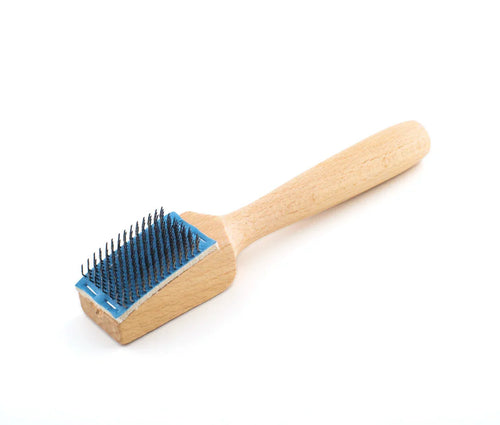
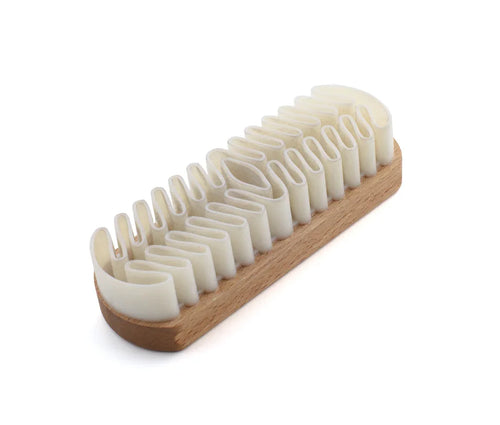
How do you do it then? Use a soft brush or an old toothbrush with a little bit of lukewarm water and mild soap. Focus mainly on the edges of the sole and the places where sweat accumulates. For dancers who dance in women's high-top sneakers, it is extra important to keep the inside of the ankle collar clean, as friction with your socks or skin often occurs here, causing unpleasant odors and wear.
Odor and hygiene after an intensive session
Let's be honest: street dance is physically demanding and your feet will sweat. What I often see with my students is that they leave their shoes in their bag after class until the next training. That's asking for bacteria and fungi to eat away at the materials from the inside out. In practice, this works best:
- Take your shoes out of your bag immediately as soon as you get home.
- Pull out the insoles (if possible) to let them air out separately.
- Stuff them with some newspaper if necessary to absorb moisture, but never use a heater to speed up the process; the heat makes the leather or synthetic material brittle.
- Use a special sneaker spray or simply some baking soda to neutralize unpleasant odors before they soak into the fibers.
Don't forget the laces either. It might sound like a detail, but if your laces are full of dried sweat and dirt, they lose their elasticity. This prevents you from pulling the shoe as tight around your instep, which compromises your stability during fast footwork combinations. Replace them as soon as they start fraying or lose their 'stretch'. A well-maintained shoe not only gives you more confidence on the floor but also simply saves you a lot of money in the long run.
Frequently Asked Questions
What should I look for when buying street dance shoes?
When buying street dance shoes, it is essential to pay attention to the balance between grip and flexibility. You need a sole that offers sufficient cushioning to absorb shocks during jumps, but that is also smooth enough to turn easily. In addition, ankle support is crucial to prevent injuries during fast, explosive movements on the dance floor.
Are ordinary sneakers also suitable for street dance lessons?
While ordinary sneakers like the Nike Air Force 1 are popular in the scene, they don't always offer the right technical support. Real dance sneakers often have a split-sole for extra maneuverability or a special spin-spot under the ball of the foot. For beginners, good sports sneakers often suffice, but advanced dancers benefit from footwear specifically designed for intensive choreographies.
How long do quality street dance shoes last on average?
The lifespan of your dance shoes depends heavily on how often you train and on what surface you dance. On average, high-quality street dance shoes last about six to twelve months with weekly use. As soon as the cushioning in the sole decreases or the tread is completely worn out, it is time for a new pair to continue protecting your joints and muscles optimally.
Is it better to choose high or low street dance shoes?
The choice between high-top and low-top models is largely a matter of personal preference and dance style. High-top shoes offer extra stability around the ankles, which is nice for powerful moves. Low-top models, on the other hand, give you more freedom of movement in the ankle joints, which is useful for footwork that requires a lot of flexibility. Try out both styles to discover what best fits your body.
What is the best material for the sole of a dance shoe?
For street dance, a rubber sole that does not leave marks on the studio floor is the standard. Look for a sole with a so-called 'spin-spot', a smoother section under the forefoot that facilitates turning movements without slipping. The sole must be thick enough for shock absorption, but thin enough to still feel contact with the floor, which is essential for your balance.
How can I best maintain my street dance shoes?
To keep your shoes in top condition, it is important to wear them exclusively inside the dance studio. Walking outside on rough tiles wears the soles down very quickly and brings dirt onto the dance floor. Let your shoes air out well after each training session to prevent unpleasant odors and moisture buildup. If necessary, use a damp cloth to clean the outside, but avoid the washing machine.
Is there a difference between street dance shoes for women and men?
Basically, the technical requirements for men's and women's shoes are the same, but the fit can differ. Women's shoes are often cut slightly narrower at the heel and instep, while men's models are usually wider. However, many popular street dance brands offer unisex models that are suitable for everyone. The most important thing is that the shoe fits snugly without pinching, regardless of which gender the model is labeled for.
The beauty of street dance is that your personal style and physical performance come together completely in every movement you make. What I especially want to tell you is that your shoes form the foundation of your entire flow; the right cushioning protects your joints during explosive jumps, while a sole with the perfect balance between grip and slide gives you full control over your footwork. Above all, remember that your footwear doesn't simply complete an outfit, but is your most important tool for preventing injuries and taking your technique to a higher level.
If you want to work seriously on your skills, invest in equipment that supports your ambition. Check out our latest collection of street dance shoes and choose a model that gives your feet the support they deserve. Ultimately, it's about you feeling invincible as soon as the beat drops. Tighten those laces, feel the connection with the floor, and let your creativity run wild—the dance floor is yours.


