

Table of Contents
- Benefits of dancing
- Ballet essentials
- Choosing a dance bag
- Content and organization
- Gifts after the dance show
- Maintenance of dance shoes
- Frequently Asked Questions
Nothing is as frustrating as a young dancer discovering right before class starts that a ballet shoe is missing at the bottom of an overcrowded, messy school bag. A good dance bag for children is the smartest way to keep ballet gear and dance shoes for children organized, clean, and in top condition. It is not just a nice accessory; it is an essential part of the equipment that prevents delicate materials from getting damaged between heavy schoolbooks or leaking drinking cups.
In the years I have been teaching, I have seen countless students struggle with bags that simply aren't made for the specific needs of ballet for children. I always advise parents to look for a model with separate compartments. The suede under the shoes needs to stay dry and dust-free to maintain grip on the dance floor. Moreover, a bag specifically designed for dance for kids often features handy compartments for bun nets and hairpins, which otherwise inevitably get lost. A thoughtful bag provides peace of mind in the dressing room, so the focus can be entirely on the choreography instead of searching for a lost sock.
Benefits of dancing
In the years I've been teaching, I've seen hundreds of children take their first steps on the dance floor. What I often see is that parents initially come for the hobby, but soon notice that the impact of dancing goes much further than just learning a step. Dancing is one of the most complete ways for a child to develop physically and mentally. In practice, I see that the discipline they learn in the studio often directly trickles down to their performance at school and their self-confidence in social situations.Physical development and body awareness
One of the greatest benefits of dancing is the refinement of motor skills. Take ballet for kids, for example; here, everything revolves around the alignment of the spine and strengthening the small foot muscles. A common mistake among beginners is letting their ankles 'roll inward' (pronation). By focusing training on correct posture, children develop a strong core and a naturally straight back. To be able to feel the floor properly during a tendu or a plié, it is essential that they use the right materials. Good ballet shoes for children are indispensable here, as they provide the foot with the necessary flexibility while giving the right support at crucial points. Naast de klassieke technieken zie ik bij stijlen zoals hiphop of streetdance dat de nadruk meer ligt op explosiviteit en coördinatie van het hele lichaam. Hierbij is de impact op de gewrichten groter. In de praktijk adviseer ik ouders altijd om te investeren in schoeisel met voldoende demping. Stevige dance sneakers for children help absorb shocks during jumps and prevent injuries to the knees and ankles, which is extra important for young, growing bodies.Mental strength and social skills
Dancing is also a mental sport. Remembering choreography trains the memory in a way few other sports do. Children learn to recognize patterns, count to the music, and must anticipate the movements of their group members. This requires enormous focus. Additionally, it helps build perseverance. A pirouette rarely succeeds the first time; it requires countless repetitions and corrections from the teacher.- Self-confidence: The moment a child masters a difficult combination, you see their self-esteem grow.
- Cooperation: Whether it's a group dance or a specific exercise across the floor, children learn to count on each other and take each other into account.
- Discipline: Keeping their own things tidy, such as their dance bag and shoes, is a first step toward responsibility.
Ballet essentials
As a teacher in the dance studio, I see children coming in daily with bags full of stuff, but often the essential things that make a lesson run smoothly are missing. Ballet for children is not just about discipline on the floor, but also about preparation in the dressing room. A well-organized bag ensures that a child starts the lesson with focus, without stress over a missing hairnet or a torn pair of tights.
The right shoes for the right technique
The most important piece of equipment is without a doubt the shoes. What I often see with beginners is that parents choose shoes bought 'to grow into.' In practice, this is a common mistake that hinders technical development. A ballet shoe should fit like a second skin around the foot so that the dancer can feel the floor and learn to use the foot muscles correctly during a tendu or plié. For the youngest dancers, I usually recommend leather shoes with a full sole; this provides just that little bit of extra resistance needed to strengthen the arch. These ballet shoes for children are an excellent choice because they follow the natural shape of the growing foot and provide exactly enough grip on a professional dance floor.
In addition to standard ballet shoes, many children eventually encounter character dance, a standard part of methods such as the RAD (Royal Academy of Dance). This involves learning folkloric dances for which specific shoes with a small heel are required. These character shoes are essential for learning the correct rhythm and the specific heel-toe movements associated with this style. Ensure these are always in a separate side pocket of the bag so the suede soles aren't damaged by contact with water bottles or hair products.
Clothing and hair care
Good ballet equipment doesn't stop at the shoes. In the studio, a tight-fitting leotard is necessary so the teacher can correct the anatomical alignment of the back and hips. A common problem is that children get cold during the warm-up or breaks. While a thick sweater is tempting, it completely hides the posture. I therefore always recommend a snug-fitting wrap cardigan. For moments outside the actual ballet class, for example, while waiting in the hallway or during a combined class day, sturdy dance sneakers for children are ideal. They provide the necessary cushioning and warmth without wearing out the ballet shoes outside the studio.
Don't forget the "hair kit" either. A tight bun is not an aesthetic choice in ballet, but a functional one. Loose hair whips into the eyes during turns and disrupts balance. Every good dance bag for kids should standardly contain the following items:
- At least two spare tights (a ladder happens easily while changing).
- A sturdy brush, hair elastics without metal parts, and hairpins in the color of the hair.
- A fine-mesh hairnet to keep the bun in place, even during the most active jumps.
- A refillable water bottle (avoid sticky sports drinks near costumes).
- A small first-aid kit with blister plasters and nail scissors.
In practice, I notice that children who are responsible for packing their own bag develop a sense of discipline faster. By going through the bag with your child and explaining why each item is important for dance class, you create a routine that goes beyond just dancing. It's about respect for the art form and care for your own body and materials.
Choosing a dance bag
In practice, I often notice that the choice of a dance bag is underestimated by parents. Often, an old school bag or a simple backpack is initially grabbed, but after a few weeks, you see frustration arise in the dressing room. A good dance bag is more than just a place to stuff things; it is an essential part of a young dancer's routine. What I often see is that children who have their things logically organized enter the lesson with much more peace and focus. They don't have to dig for that one lost hairnet while the rest of the group is already at the barre.Size and practical layout
Een veelgemaakte fout is het kopen van een tas die simpelweg te groot is voor het postuur van het kind. Een kleuter die met een enorme sporttas zeult, raakt sneller uit balans en heeft moeite om zelfstandig haar spullen te vinden. Voor de jongste ballerina's die net starten met de eerste ballet shoes for children, a compact backpack or a round 'duffel' bag is sufficient. It’s about them having control over their own belongings. Let bij de indeling in de praktijk vooral op de volgende punten:- A separate shoe compartment: This is crucial to prevent resin from the dance floor or dirt from the soles from ending up on clean tights or the leotard.
- Side pockets for a water bottle: Nothing is more annoying than a leaking drinking cup ruining an entire dance costume right before class starts.
- Small zipper pockets on the inside: Ideal for safely storing hairnets, hairpins, and that one spare hair elastic that always goes missing at the last moment.
Ventilation and materials
In the dance world, we work hard, and that means clothes and shoes get damp from perspiration. What I often see with bags made entirely of thick, non-breathable plastic is that unpleasant odors quickly set in and are almost impossible to get out. Better to choose a bag with a mesh insert or a material that breathes somewhat. This is especially important when the bag is also used for more intensive styles like street dance or hip-hop. In those classes, sturdy dance sneakers for kids are often worn, which hold much more space and moisture than a thin canvas ballet shoe. Good ventilation in the bag significantly extends the life of the expensive footwear.Different disciplines, different needs
The contents of the bag ultimately determine which model is most suitable. In classical ballet, a small, elegant model is often enough. However, as soon as a student progresses and takes several classes in a row, the need changes. Think of students who follow character dance or folklore after their regular class. The bag must then be spacious enough for the slightly heavier character shoes for children, which simply take up more space than a pair of slippers due to their heel and sturdy sole. What I always advise parents is to let the child pack and unpack the bag themselves. A bag with a smooth zipper and a wide opening helps enormously with this. It encourages independence and ensures they know exactly where their things are when the teacher asks to quickly change shoes between two exercises. A dance bag is not just a practical tool for a child, but also a symbol of their passion and dedication to the sport.Content and organization
In the dressing room, I often see the same scene: a child desperately digging at the bottom of a full bag for that one missing hair clip or a clean pair of tights right before the lesson starts. A well-organized bag is not only nice for the parents packing the bag, but it also gives a child peace and self-confidence as soon as they step into the studio. In practice, it turns out that a logical layout helps keep the focus on the dance lesson instead of on scattered items.The right place for dance shoes
What I often see is shoes lying loose among the clothes and the water bottle. This is one of the most common mistakes, as dirt from the soles ends up directly on the clean dance clothes. For the little ones just starting with ballet for kids, it's smart to choose a bag with a separate shoe compartment. This prevents the delicate leather or canvas of the ballet shoes for children from being damaged by sharp objects like zippers or hairpins. When a student follows different dance styles in one afternoon, organization becomes even more important. If a child goes directly from a classical class to a more modern class, the sturdy dance sneakers for children should not be lying on top of a light tutu or thin tights. In practice, bags with a separate bottom compartment work best; you can safely store even the somewhat heavier character shoes in there without them crushing the rest of the contents.Hygiene and small essentials
A common mistake is leaving used dance clothes in a closed bag until the next lesson. Bacteria grow quickly in a damp environment, which not only causes unpleasant odors but also shortens the lifespan of the fabrics. I always advise putting a small mesh bag (a net) inside the large dance bag for used clothing. This provides ventilation until the items go into the laundry basket at home. Besides the large items, there are the 'remedies' that every dancer should have with them. A good dance bag has small side pockets for these types of essentials:- A spare pair of tights (a ladder often occurs at the most inconvenient moments while changing).
- A hair kit with sturdy elastics, hairpins, and a hairnet for a tight bun.
- A small first-aid kit with blister plasters and possibly some sports tape.
- A water bottle that is guaranteed leak-proof to prevent water damage to the shoes.
Gifts after the dance show
After months of sweating in the studio, endlessly repeating that one difficult choreography, and overcoming nerves, the moment is finally here: the big dance show. In practice, I often see that this moment is a huge milestone for children. The release backstage is great, and the proud looks from parents in the audience complete the picture. It has become a tradition to give something afterward, but what do you give a young dancer who has just stepped off the stage?
What I often see is parents choosing a bouquet of flowers, which is of course beautiful for the photos. But looking at the long term, gifts that support the passion for dance are often much more valuable. A child who has just experienced what it's like to stand on a real stage feels like a true artist. A gift that confirms this feeling, such as a new bag or professional equipment, is highly motivating for the next dance season.
Practical memories of a top performance
A common mistake is waiting to replace worn-out items until the new season begins. Right after the show, when the adrenaline is still pumping, is the perfect time to invest in quality equipment. In the dressing room, I often see that shoes have had their best days after an intensive show period. The soles have become slippery from the stage floor or the toe tips are worn through from practicing on the floor.
For young ballerinas who showed their technique during the show, an upgrade of their basic equipment is often the best thing they can get. A pair of new ballet shoes for children that perfectly fit their growing feet is not only a practical gift but also a recognition of their hard work. It ensures they start at the barre again after the holidays with a fresh start and the right support.
In addition to the classical disciplines, I see more and more children shining in character dance or musical numbers. This requires a completely different type of footwear with a specific heel height and sole structure. As a reward for a successful performance, sturdy character shoes are an excellent choice. It gives them just that little bit of extra self-confidence for the next role they are going to learn.
Gift ideas for the young dancer
If you are looking for a gift that is both stylish and useful, consider the following options I often see successfully used in the dance school:
- A personalized accessory set: Think of a nice hairbrush, extra strong bun nets, and glittering hairpins they can keep in their new dance bag.
- New training gear for street dance: For the cool kids who just performed an energetic hip-hop set, fresh dance sneakers for children are often the ultimate gift. They provide the necessary cushioning for their joints during future jumps and landings.
- A warm-up package: A colorful cardigan or a pair of leg warmers to keep the muscles warm during breaks between classes.
- A dance journal: In which they can write down their experiences, teacher feedback, and goals for the coming year after the show.
In practice, I notice that it's not about the size of the gift, but about the recognition of the discipline involved in dance for kids. Whether it's a new pair of shoes for ballet for children or a hip bag to carry everything in, it's about the child feeling supported in their hobby. A well-chosen gift after the show reminds them every time they pack their bag of how great it felt to stand on that stage.
Maintenance of dance shoes
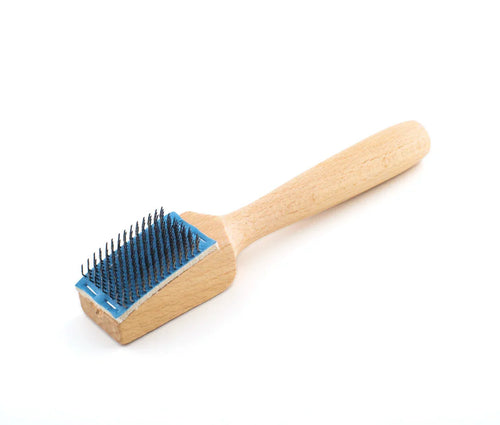
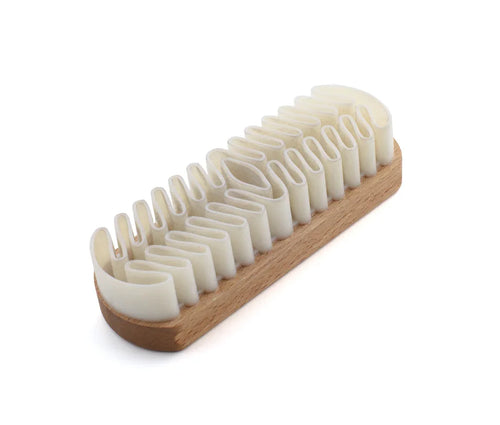
In practice, I often see dance shoes simply thrown at the bottom of the bag after an intensive lesson, hidden under a wet towel or a sweaty leotard. This is one of the most common mistakes that drastically shortens the lifespan of the material. Proper maintenance is not just a matter of hygiene; it is essential for the child's safety. A shoe that loses its grip or whose sole deforms no longer provides the correct support for the growing child's foot. ### Specific care per type of shoe Each material requires a different approach. What I often see with ballet shoes for children is that the suede soles become slippery over time due to a combination of accumulated dust and floor wax. This can be dangerous when making a pirouette or a large jump (grand jeté). In this case, use a special suede brush to lift the fibers back up so your child has enough grip on the dance floor again. Canvas shoes can often go in a laundry bag on a cold program in the washing machine, but never do this with leather versions; the leather dries out and cracks, causing the fit to be lost. With sturdier models, such as the character shoes for children, it is important to check the heels and fastenings weekly. With these shoes, which are often used for classical character dance or folk dance, I regularly see buckles coming loose from the frequent putting on and taking off. A drop of leather glue or timely tightening of a loose screw on tap shoes prevents a child from tripping during class. ### Hygiene and ventilation in practice A common mistake is leaving the shoes in the dance bag until the next lesson. Dance shoes absorb a lot of moisture. If this moisture cannot escape, it attacks the glue bonds and the material, leading to that typical "gym smell." For dance sneakers for children used for hip-hop or jazz, I recommend taking out the insoles after every lesson. Here are a few practical tips that I always give to parents in the studio:- Take the shoes out of the bag as soon as you get home. Do not place them near the heater, as heat deforms the sole and dries out the leather.
- Use cedar shoe trees or simply some newspaper to maintain the shape of the toe, especially for shoes with a reinforced tip.
- Wear dance shoes exclusively indoors. What I often see is children already putting on the sneakers at home. Street dirt and small stones ruin the special pivot points under the sole, making turns stiff and unnecessarily straining the knees.
- Regularly clean the soles of sneakers with a slightly damp cloth to maintain optimal contact with the dance floor.
Frequently Asked Questions
Is dancing good for children?
Dancing is incredibly good for children's broad development. It not only improves motor skills, coordination, and physical fitness but also stimulates creativity and self-confidence. During ballet for children, they also learn discipline and cooperation. By moving rhythmically to music, kids develop better body awareness, which is essential for healthy growth and social-emotional skills in their early years.
What do you give your child after a dance show?
After an exciting dance show, it is tradition to reward your child for their hard work. A beautiful bouquet of flowers is a classic gesture that makes every child feel like a star. A small gift that fits their passion, such as a new keychain for their dance bag or special accessories for ballet for children, is also very popular. Most important, however, is giving your sincere pride and a big hug.
What items do you need for dancing?
For most classes, specific items are essential. Think of comfortable dance clothing such as a leotard or leggings and the right dance shoes for children, depending on the dance style. Additionally, a sturdy dance bag is indispensable for keeping everything organized. Don't forget a water bottle and possibly hair accessories like pins or a hairnet. Good preparation ensures kids start their dance lesson with confidence and fun.
How do I choose the right dance bag for my child?
When choosing a dance bag for kids, it is important to pay attention to the size and layout. The bag must be large enough for all dance clothing and dance shoes for children, but not too heavy to carry. Choose a model with separate compartments for wet clothes or shoes. Adjustable shoulder straps and a cheerful design make the bag both practical and stylish for young dancers.
At what age can children start ballet?
Most dance schools offer ballet for children starting around three or four years old, often in the form of toddler dance or pre-ballet. At this young age, the focus is mainly on playful movement, sense of rhythm, and fun. Only from about six to eight years old do the techniques become more serious and specific. It is a great way for kids to learn discipline and a good, healthy body posture early on.
Why are special dance shoes for children important?
Special dance shoes for children are crucial for safety and technique during class. Unlike normal sneakers, they offer the right amount of grip and flexibility on the dance floor. In ballet for children, ballet shoes ensure that the feet can roll through and stretch properly. Wearing the right footwear prevents unpleasant injuries and helps young dancers perform and refine their movements correctly.
How do I maintain my child's dance clothes and bags?
To keep dance clothes and bags looking good for a long time, proper maintenance is essential. Preferably wash leotards and leggings on a cold cycle or by hand to preserve elasticity. Always let dance shoes for children air out outside the bag after class to prevent unpleasant odors. Regularly clean the dance bag with a damp cloth. This keeps all items hygienic and ready for the next dance lesson.
The beauty of a personal dance bag is that for a child, it is much more than just a handy storage spot; it is the symbol of their growing passion for dance for kids. What I especially want to share with you is that good organization provides peace and focus even before the lesson begins. No more stress about scattered items, but everything directly at hand in one fixed place. Remember especially that a quality bag also significantly extends the life of the valuable equipment. Whether your daughter shines during ballet children with items from the ballet shoes girls collection or if sturdy shoes are needed from the dance sneakers children collection, a good bag keeps everything in top condition.
Self-confidence in the dance studio starts with careful preparation at home. With a bag that is both practical and stylish, you give your little dancer exactly the push needed to dare to move fully and freely. Every big dream starts with the ritual of packing that one bag; ensure every item in it inspires them to shine on the dance floor every week.


