

Table of Contents
- Dance Bag: Why Essential?
- What Do You Bring?
- Choose The Perfect Bag
- Stylish To Class
- Maintenance For Long Lifespan
- Found Your Ideal Dance Bag?
- Frequently Asked Questions
Dance Bag: Why Essential?
In the dance world, preparation is half the battle. What I often see with beginning dancers, but sometimes also with experienced veterans, is that they stuff their things into a random sports bag, or worse, into a plastic bag. It might seem like a small detail, but a good dance bag is truly a game changer. It goes beyond just moving items from A to B; it is an essential part of your dance routine, your focus, and even your professional appearance.More than just storage: The practical benefits
Think about everything you need for an intense class or rehearsal. Your dance shoes – whether they are ballet shoes, pointe shoes, jazz shoes, or even special salsa shoes – must remain neat and protected. A good dance bag often offers special compartments for this. But it is more than just your shoes. In practice, I often see that dancers store their wet sweaty clothes directly with their clean clothes, which is not only unhygienic but also spreads unpleasant odors. A separate, ventilated space for your used clothing is then not a luxury, but a necessity. And then all those small but indispensable accessories! Think of your hairnets, hairspray, or those essential bunheads accessories for that perfect ballet bun. A common mistake is to throw these small items loosely into the bag, causing you to search for minutes for that one hairpin when you're just in time for class. Organized pockets and pouches save you precious time and frustration. What I often see is that dancers only discover during class that they are missing something essential, leading to unnecessary distraction. A well-stocked dance bag basically contains the following items:- Your dance shoes (cleaned and protected)
- Clean dance clothing and possibly spare clothing
- A towel and personal hygiene products (deodorant, disinfectant hand gel)
- Water bottle and a healthy snack for energy
- First aid supplies such as band-aids, blister plasters, tape, and painkillers
- Hair accessories: elastics, pins, hairnets, hairspray
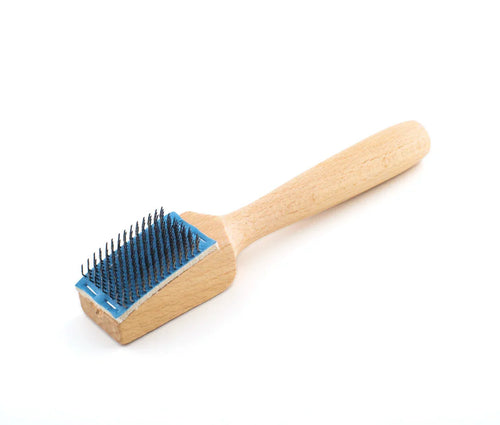
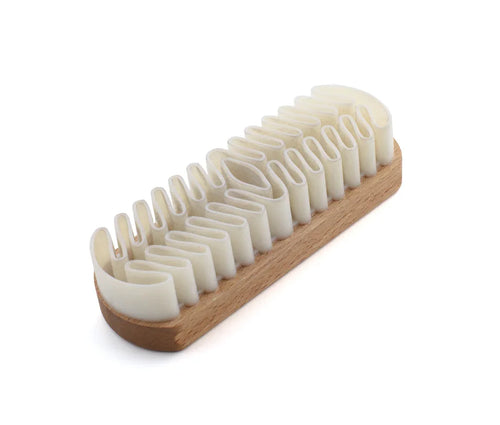
- Small tools such as a sewing kit for pointe shoes or a shoe brush
Your Dance Routine, Organized and Carefree
A dance bag is also a symbol of professionalism and dedication. When you arrive at the studio with all your things neatly organized, you radiate calm and focus. You no longer have to stress about whether you have everything with you. This allows you to fully concentrate on the class or rehearsal ahead of you. I have seen countless times a dancer miss the first minutes of class because they are still rummaging through their bag for their things. That is a waste of time and energy. Moreover, a good dance bag also helps you prevent injuries. Take the warm-up, for example. Especially in the colder months, it is crucial to keep your muscles warm, even when you are already in the studio. A good dance bag has room for your extra layers of clothing, such as leg warmers, which help protect your calves and Achilles tendons from sudden cooling and thus reduce the risk of strains. This is a practical example of how your bag indirectly contributes to your physical well-being and sustainable dance enjoyment. In short, a dance bag is not a luxury, but an investment in your dance career. It ensures that you are always prepared, your gear is protected, your hygiene is maintained, and your mental focus can be entirely on your dance. Choose one that fits your style and needs, and you will notice that your dance experience significantly improves.What Do You Bring?
As a dancer, you know that preparation is half the battle. A well-stocked dance bag is not just any bag; it is your mobile dressing room, your first aid station, and your mental reassurance in one. What I often see with both beginners and experienced dancers is that essential things are still missing, or the bag is so messy that searching takes more time than the warm-up. Let's look at what really belongs in that bag, from a practical perspective.
The Basics: Always Ready for the Floor
Start with the absolute necessities. Without these items, you are literally standing still:
- Dance shoes: This goes without saying, but make sure you have the right shoes for the class you are taking. Ballet, jazz, hip-hop – every style requires specific support and flexibility. I recommend always bringing a spare pair, or at least regularly checking your shoes for wear and tear. A broken sole can ruin your entire class and even cause injuries.
- Dance outfit: Your basic clothing, such as leggings, dance pants, top, or leotard. Ensure comfortable clothing that offers freedom of movement and in which your instructor can clearly see your posture. I often see people wearing clothes that are too loose, which makes correcting technique more difficult.
- Water bottle: Hydration is crucial. A filled water bottle is indispensable to keep your energy levels up and prevent cramps. During intensive training, you lose a lot of fluid, and immediate replenishment is essential for your muscles and concentration.
- Small towel: For sweat, especially during intensive classes. Nothing is as annoying as sliding over your own sweat on the floor or a clammy feeling while stretching.
Preparation & Recovery: The Extras That Make the Difference
These are the items that promote your comfort, performance, and recovery:
- Leg warmers: Especially in colder studios or during the warm-up, good leg warmers are invaluable. They help keep your muscles warm, which promotes flexibility and significantly reduces the chance of strains or injuries. Think of the hamstrings and calves, which often have to endure a lot.
- Hair accessories: For styles like ballet or ballroom, a tight hairstyle is essential. Think of hairnets, pins, elastics, and possibly hairspray. Nothing is as distracting as hair falling in your face during a pirouette. Specifically for ballet dancers, the products from Bunheads are a true lifesaver for a perfect bun that stays in place all class.
- Personal care products: Deodorant, a small toothbrush and toothpaste for after class, and maybe some blister plasters. A common mistake is underestimating the importance of good foot hygiene and quick treatment of blisters; small pains can escalate quickly.
- Quick snack: A banana, energy bar, or some nuts for after class, or if you are dancing for a longer period. Your body needs fuel to recover and gain new energy.
- Change of clothes: After an intensive class, it is nice to change into dry clothes. This prevents cooling down and keeps you comfortable on the way home.
Ultimately, the dance bag itself is also a crucial part of your equipment. A functional dance bag with different compartments helps you keep everything organized, so you don't have to dig for that one elastic. Take a look at our collection of dance bags; you will see that there are bags that perfectly match your needs and style. It's about being prepared so that you can fully focus on your passion: dancing.
Choose The Perfect Bag
As a dancer, you know that your bag is more than just a place to put things; it's your mobile dressing room, your first aid kit, and sometimes even your office. A good dance bag is a silent partner that helps you stay organized and prepared for every class, rehearsal, or performance. What I often see is that students grab a random sports bag at first, only to find out later that it doesn't meet the specific demands of a dance life. Choosing the perfect bag requires a thoughtful approach, based on your personal dance routine.
The Right Size and Layout: Where Does Everything Fit?
One of the biggest mistakes I encounter in practice is a bag that is either too small, causing everything to bulge out, or so large that you have to dig for minutes for your hairnet. Think about what you really take to the studio. For most dancers, these are the absolute basic necessities:
- Your dance shoes (or multiple pairs, depending on your class schedule)
- A spare outfit or clean clothes for after class
- A water bottle and possibly a small snack
- Small, indispensable Bunheads hair accessories like elastics, pins, and a hairnet
- Any protectors or bandages for blisters or minor injuries
For ballet dancers, leg warmers and a wrap are often added for the warm-up. For someone who dances multiple styles, jazz shoes, tap shoes, or even special clothing for urban styles might be included. I always recommend choosing a bag with multiple compartments. A separate compartment for wet clothes (after an intensive class!) is worth its weight in gold. And a ventilated shoe compartment? Indispensable for letting your shoes breathe and minimizing odors. This significantly extends the life of your dance shoes and keeps the rest of your gear fresh.
Material, Durability, and Carrying Comfort
Your dance bag takes a beating. From the dance studio to home, from one rehearsal to another, across the locker room floor... The material must be strong. I have too often seen seams rip or zippers break on lower-quality bags. Choose materials that are easy to clean, such as durable nylon or canvas. Water-repellent material is also a plus, especially if you ever cycle or walk through the rain with your precious women's dance bags.
Then there's the carrying comfort. A bag full of gear can be heavy. Shoulder straps should be wide and padded to prevent cutting. Some bags are even equipped with backpack straps, which is ideal if you have to walk or cycle a lot. Try the bag out with some weight in it, if possible, before making a decision. Also, think of the small details that make life easier. An external pocket for your phone or keys, or a loop where you can hang your mat, are often unexpectedly handy in the hectic pace of a dance day.
Ultimately, the perfect dance bag is a personal choice, but by considering these practical factors, you ensure that your bag supports you rather than hinders you. It's about having everything at hand, organized and easily accessible, so you can fully focus on what's truly important: dancing.
Stylish To Class
What I often see with dancers, especially as they've been at it a bit longer, is that the trip to class becomes more than just a moment of transport. It becomes a part of the dance experience itself. You step out the door, bag over your shoulder, and you already feel a bit more like a 'dancer'. The clothes you wear and the accessories you bring all contribute to that feeling. It's not just about functionality, although that remains essential, of course. It's also about feeling confident and good, even before you step into the studio.
In practice, I notice that a well-groomed appearance – even for a training session – has a positive effect on your mindset. When you feel good about how you look, you radiate that in your movements. It's not vanity; it's a form of respect for your art and for yourself. Think of the details: a neat ballet outfit, well-fitting shoes, and of course the right bag to transport everything.
The Dance Outfit: More Than Just Clothing
Your outfit for class is the foundation of your style. I often see beginners tend to come in old sportswear, which is fine for the first few classes, but you soon notice the difference when you switch to specific dancewear. A well-fitting leotard, for example, is not only more comfortable and gives you more freedom of movement; it also allows your teacher to better correct your posture and muscle usage. That is crucial for technical progress. But beyond the basic suit, you can play with layers. A wrap cardigan, a tight top over your leotard, or a beautiful skirt can instantly upgrade your look.
A common mistake is wearing too many or too few layers. Too many and you overheat; too few and your muscles cool down too quickly, increasing the risk of injury. My advice is always to start with enough layers to stay warm and then strategically peel them off as you warm up. Think of items like leg warmers. They are not only practical for keeping your calves and Achilles tendons warm, which is essential for flexibility and injury prevention, but they also immediately add a classic ballet aesthetic to your ensemble. I often see them used, not just by ballet dancers, but also by modern dancers and even in some jazz classes.
The Dance Bag: Your Personal Statement
Besides your outfit, your dance bag is one of the most visible elements of your personal style. It's not just a sack to stuff things into; it's an extension of you, a mobile dressing room, and a collection of everything you need. What I often see is that dancers choose their bag based on their personality. One time it's a sleek, minimalist shoulder bag, another time a spacious duffel bag with cheerful prints. But regardless of the style, the bag must be functional.
In practice, that means: enough space for your shoes (maybe even multiple pairs!), your water bottle, a towel, and of course your accessories. Think of the small but indispensable things like band-aids, hair elastics, and a spare pair of tights. And when we talk about stylish and practical options, the women's dance bags in our collection are designed with this in mind. They combine durable materials with elegant designs, so you always look representative, whether you're going to a rehearsal or doing some quick shopping after class.
Don't forget the smaller details that complete your look. A well-groomed hairstyle is crucial, for example, especially in ballet. I see many dancers struggling with loose strands of hair during pirouettes. Invest in quality hairnets, pins, and elastics. Brands like Bunheads offer an extensive range of hair accessories specifically designed to keep your bun perfect and secure, even during the most intense classes. It's the little things that make the difference, both for your comfort and for your appearance.
Ultimately, going to class stylishly is about a combination of functionality and personal expression. It's about feeling comfortable and confident, knowing you have everything you need with you, and looking representative at the same time. It all contributes to that total dance experience.
Maintenance For Long Lifespan
As a dancer, you know that your dance bag is much more than just an accessory; it is your mobile dressing room, your first aid kit, and your personal assistant in one. From your pointe shoes to your water bottle, everything you need before, during, and after class can be found inside. But just as you take care of your body and your dance shoes, your dance bag also deserves the necessary attention. A well-maintained bag not only lasts longer but also helps you stay organized and fresh. In practice, I often see bags leading a tough life and showing signs of wear after just a few months. That's a shame, because with a few simple habits, you can significantly extend the life of your bag.
The Daily Routine: Clean and Organized
The foundation of a long lifespan starts every time you come home from the studio. What I often see is bags being thrown in a corner after class, with all the contents still inside. This is a common mistake! Damp clothing, sweaty shoes, and half-empty water bottles are a breeding ground for bacteria and nasty odors. My advice is therefore: empty your bag immediately after every dance session.
- Emptying and Airing Out: Take everything out of your bag as soon as you get home. Whether it's your sweaty leotard or your favorite leg warmers after an intensive class, everything must come out. Leave the bag open to air out well. This prevents mold and musty smells that would otherwise settle in the fabric.
- Wiping with a Damp Cloth: If you notice moisture has gotten into the bag, for example from a leaking water bottle or wet towel, wipe the inside immediately with a damp cloth and a mild detergent. Let it dry thoroughly before zipping it up again.
- Keeping Organized: A well-organized bag is a happy bag. Use the different compartments and pockets. A separate pocket for your shoes, another for clean clothes, and small pouches for accessories like hair clips and band-aids. A well-designed dance bag with smart compartments helps enormously with this and prevents your gear from rattling around loose in the bag, which causes unnecessary wear.
Deeper Cleaning and Special Care
In addition to the daily routine, it is also important to give your dance bag a thorough cleaning every now and then. The frequency depends on how intensively you use the bag, but once every month or two is a good starting point.
-
Material-Oriented Cleaning:
- Fabric (canvas, nylon): Most fabric bags can be gently hand-washed in lukewarm water with a mild detergent. Avoid the washing machine unless the care label explicitly states otherwise, to prevent damage to zippers and stitching. Scrub stubborn stains with a soft brush.
- Faux Leather/Leather: These materials require a different approach. Use a slightly damp cloth to wipe the outside. For stubborn stains on faux leather, you can use a mild soap solution. For real leather, it is advisable to use a special leather cleaner and conditioner to keep the material supple and prevent drying out.
- Odor Control: If a stubborn odor still lingers in your bag, you can place a sachet of baking soda or activated charcoal in the empty bag and leave it overnight. This effectively absorbs odors. Do not spray perfume or air freshener in your bag; this only masks the smell and can cause stains.
- Care for Contents: Also think of the small but important items you carry. Your delicate toe pads, hair accessories, or other small necessities; they also deserve attention. Rinse silicone toe pads regularly and let them dry thoroughly. Store small accessories in sealable bags to prevent them from getting lost or dirtying the inside of your bag.
By applying these tips, you ensure that your dance bag not only lasts longer but is also always ready for your next dance adventure. A clean and organized bag contributes to a positive and stress-free dance experience, so you can fully focus on what is truly important: dancing!
Found Your Ideal Dance Bag?
As a dancer, you know: your dance bag is much more than just an accessory. It is your mobile dressing room, your first aid kit, your comfort zone in one. What I often see is that beginners underestimate how essential a well-organized bag is. A common mistake is to just grab any sports bag, while the specific needs of a dancer require something more thoughtful. In practice, you quickly notice that a bag that doesn't meet your requirements causes more stress than convenience. Think of that time you couldn't find your pointe shoes, or your water bottle leaked over your clean leotard. The right bag makes the difference between hurried searching and calm preparation for your class.
What exactly is 'ideal' then? That depends, of course, on your dance style and how often you dance. For someone who takes ballet class once a week, a compact bag might be sufficient. But if you practice multiple disciplines, such as classical ballet and modern dance, or if you often travel from one rehearsal to another, you need something more robust. I spent years searching for the perfect balance myself. A crucial aspect is the layout. You don't want your dirty sweatbands coming into contact with your clean tights. Good bags often have separate compartments, for example for shoes or wet clothes. This keeps everything fresh and orderly.
Then there's the content. This is where theory and practice meet. A well-stocked dance bag is your best friend. Besides your dance shoes – and I always recommend bringing an extra pair, just in case – there are a few indispensable items. Think of extra tights or socks, a spare leotard, and of course your warm-up clothing. Especially in the winter months or before and after an intensive class, leg warmers are an absolute must-have to keep your muscles warm and supple. Another category that is often overlooked is hair accessories. A ballet class without a tight bun is almost unthinkable. Make sure you always have a supply of hairnets, bobby pins, and elastics on hand. The products from Bunheads are perfect for this, known for their durability and comfort.
Besides functionality, the material and durability of your bag are also of great importance. Your bag takes a lot of punishment: from being lugged through the city to being set down on a locker room floor. Choose sturdy, water-repellent materials that are easy to clean. And let's be honest, style plays a role too. Your dance bag is an extension of your personality and your passion for dance. Fortunately, practical doesn't have to be boring. Nowadays, there are beautiful women's dance bags available that are both functional and aesthetically pleasing. They offer the necessary compartments and sturdiness but also look fantastic.
My advice? Make a checklist for yourself and pack your bag the night before. Always check if you have everything you need: from your water bottle and a healthy snack to a small first aid kit with plasters for blisters – they happen more often than you think! And don't forget a small towel and possibly a spray for your feet. An organized bag provides peace of mind and ensures that you can fully concentrate on what is truly important: dancing. Your ideal dance bag is one that makes your life easier, protects your gear, and helps you face every class with confidence and preparation.
Frequently Asked Questions
Why is a special dance bag so important for dancers?
A good dance bag is more than just an ordinary bag; it is designed to meet the unique needs of dancers. It helps keep all your ballet accessories organized and protected, from ballet shoes to leg warmers. This saves time and stress, allowing you to concentrate on your dance. Moreover, a sturdy bag ensures that your valuable items are safe during transport to the studio or performances.
What features should I look for in a quality dance bag?
Look for durability, sufficient compartments, and comfort. A good dance bag has sturdy, water-resistant materials and robust zippers that can withstand daily use. Internal and external pockets are essential for separating wet clothes, shoes, and small ballet accessories. Adjustable, padded shoulder straps ensure carrying comfort, even when the bag is heavy, which is crucial for a dance bag.
What are the most essential items every dancer should have in their dance bag?
Besides your dance shoes (ballet, jazz, hip-hop, etc.) and clean dance clothing, water, a towel, and a small first aid kit are indispensable. Also think of personal care products such as deodorant and hair gel. Don't forget small ballet accessories like hairnets, extra elastics, and of course leg warmers for the warm-up. A notebook and pen are handy for notes and inspiration.
Are there different types of dance bags for specific dance styles?
Absolutely! While many dance bags are versatile, there are specialized models. Classical ballet dancers often prefer spacious bags with separate compartments for pointe shoes and leg warmers. Hip-hop dancers might choose a tougher duffel bag with plenty of space. Modern dancers may prefer a backpack for more freedom of movement. The most important thing is that the dance bag fits your personal needs and the amount of gear you take with you.
How can a dance bag help you stay organized?
A well-designed dance bag is the key to organization. Multiple compartments and pockets make it possible to give specific items a fixed place. Think of a separate pocket for wet clothes, a ventilated compartment for shoes, and small pouches for ballet accessories such as hair clips and jewelry. This prevents you from wasting time searching and ensures that everything is always within reach, even in a busy environment.
Can a dance bag be both practical and stylish?
Certainly! The days of boring, purely functional dance bags are over. Nowadays, there are countless stylish options available that are both practical and fashionable. You can choose from various colors, patterns, and materials that reflect your personal style. A beautiful dance bag is not only functional and spacious enough for all your necessities but also an extension of your personality and completes your outfit.
Are there special compartments in dance bags for items like leg warmers or pointe shoes?
Yes, many high-quality dance bags are designed with special features. You often find ventilated compartments that are perfect for storing sweatbands, leg warmers, or wet dance clothing. Some bags have separate, reinforced compartments specifically for pointe shoes to protect them from damage and maintain their shape. These thoughtful designs help extend the life of your ballet accessories and keep your bag fresh and orderly.
The beauty of dancing is not just the movement itself, but also the preparation, the discipline, and the passion you put into it. Your dance bag is much more than an accessory; it is a silent witness to all your hard work, your drops of sweat, and your triumphs. What I especially want to share with you is that a well-organized bag gives you peace of mind, so you can fully focus on your art. It is the place where you keep everything you need to shine, from your perfect pointe shoes to those essential Bunheads accessories that keep your hair in place. Remember above all that your dance bag is an extension of your dedication and style. Therefore, choose a bag that is not only practical but also reflects your personality. Check out our diverse women's dance bag collection and find the perfect partner for all your dance adventures. Let your bag inspire you and remind you every time of the power and beauty of your dance journey.


