

Table of Contents
- Starting with Dance for Kids
- Choosing the Right Dance Shoes
- Planning for the Big Day
- What to Bring
- Clothing and Personal Grooming
- Tips for a Successful Performance
- Frequently Asked Questions
I will never forget that look in the eyes of a child waiting behind the heavy, velvet curtain for the first notes of the music for the first time. Preparing for a first performance is about finding the right balance between technical details and emotional calm for both the young dancer and the parent. A flawless premiere starts weeks in advance with the right equipment, such as well-worn-in dance shoes for children, and a clear routine for the day itself.
In my years at the front of the classroom, I have learned that the greatest tension often lies not in the steps, but in the peripheral matters. I have countless times helped parents in the wings with a loose elastic or a pinching shoe just before the lights went up. Whether it's ballet for children where every strand of hair must be tight in a bun, or a tough hip-hop act; the foundation must be solid. By choosing quality clothing for dance for kids and practicing changing clothes at home beforehand, you take the unnecessary pressure off. In this article, I share my personal checklist and practical tips, so that the first time on the big stage becomes a memory to cherish.
Starting with Dance for Kids
In the dance studio, I see children every day taking their first steps full of enthusiasm, but as a teacher, I notice that the right start depends on the basic equipment. A child starting on regular socks or oversized sneakers quickly develops poor posture or slips during a simple pirouette. It's not just about appearance; the right materials support the anatomical development of a child's foot that is still in full growth.The basics of classical technique
In practice, the journey for many young dancers begins with classical ballet. Here they lay the foundation for their coordination and balance. What I often see is that parents are inclined to buy shoes "with room to grow." This is a common mistake because a shoe that is too large will slide. This prevents a child from spreading their toes properly or "grabbing" the floor, which is essential for good technique. For weekly lessons and the final presentation on stage, well-fitting ballet shoes for children made of leather or canvas are crucial. These materials mold to the foot, allowing the teacher to see clearly if the foot muscles are being engaged correctly while stretching the instep.Stability for urban and show dance
For kids who choose more energetic styles like hip-hop, street dance, or jazz, the focus is more on cushioning and grip. A common mistake I see in class is wearing heavy outdoor sneakers. These are often too stiff for turning movements, which puts unnecessary pressure on a child's knee joints. In practice, we prefer to work with footwear specifically designed for the dance floor. Flexible dance sneakers for children with a split sole offer the perfect solution here. They provide enough support for jumps but still allow the foot to move freely during floor work or fast footwork combinations.Preparing for the stage
As the first performance approaches, the dynamics in the class change. We move from practicing technique to perfecting the choreography. In musical theater classes or character dance, we often make the transition to shoes with a small heel or a harder sole. This is an exciting moment for many children because their center of gravity shifts slightly. It is smart to start wearing in character shoes for children at least six weeks before the show. This prevents blisters on the day of the performance and ensures that the child feels confident while taking their bow.- Fit above all: Ensure there is no more than half a centimeter of space at the toes to prevent tripping.
- Material choice: Leather lasts longer and molds to the foot, while canvas is easier to wash after intensive rehearsals.
- Sole type: Choose suede soles for a wooden studio floor for the right amount of resistance and glide.
- Practice makes perfect: Let your child wear the shoes at home a few times for fifteen minutes with thick socks to make them flexible.
Choosing the Right Dance Shoes
In practice, I often see parents buying shoes with room to grow for the first performance. Although that sounds logical for a child's foot that grows quickly, it is a risk in dancing. A child who is literally swimming in their shoes loses essential contact with the floor. This contact is needed to maintain balance during a pirouette or to exert power during a jump. A common mistake is that the toe of the shoe folds over during a quick move, which can lead to nasty falls on stage.
The basis for ballet and technique
What I often see with young dancers is that they still have difficulty correctly 'pointing' the foot. The right shoe acts as a tool here. A shoe with a full sole provides more resistance, which trains the small muscles in the arch of the foot. For a performance, however, many teachers prefer a split sole because it makes the instep look more beautiful. Ensure these ballet shoes for children fit snugly around the metatarsals without constricting the toes. An important tip: do not pull the elastic cord at the front too tight. This can irritate the Achilles tendon; instead, tie it loosely and hide the ends in the shoe for a clean finish on stage.
Grip and turning ability for modern styles
In styles like hip-hop, jazz, or street dance, I regularly see children wearing regular sneakers that they also use on the playground. In practice, this is a recipe for knee injuries. Regular sports shoes are designed for grip on asphalt, but on a dance floor, they block rotation. When a child starts a turn, the foot sticks to the floor while the knee continues to rotate. Specially developed dance sneakers for kids have a so-called 'spin-point' under the ball of the foot. This reduces friction, allowing turns to proceed smoothly without straining the joints. Additionally, pay attention to the cushioning in the heel, especially in choreographies with many jumps, to protect the still-developing bone structure.
Stability and character dance
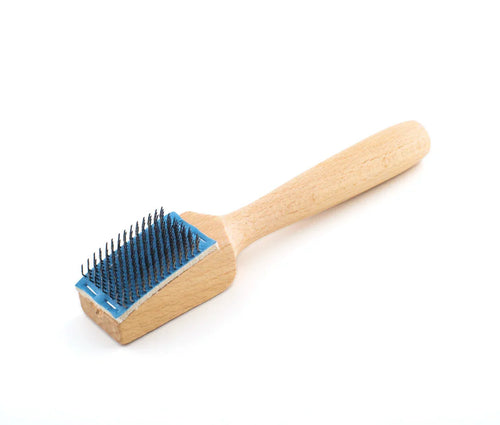
For specific styles such as character dance or certain forms of show ballet, a shoe with a small heel is often required. Stability is the keyword here. A wobbly heel causes uncertainty in the dancer, which is immediately visible in their expression. These character shoes for children must have a sturdy strap over the instep to prevent the shoe from flying off during a high kick. The suede sole must be brushed well with a wire brush before the performance to guarantee the right amount of grip on a slippery theater floor.
Keep the following practical points in mind when fitting:
- Let your child wear the shoes for at least two weeks before the show to identify pressure points.
- Check if the sole is suitable for the type of floor (marley or wood).
- Ensure the toes lie flat in the shoe; curling indicates a size too small, which obstructs circulation.
- Preferably use cotton tights or socks to prevent sweaty feet and sliding inside the shoe.
In practice, I see that a child who feels confident about their grip on the floor stands on the stage with much more self-assurance. The right shoe is therefore not only an aesthetic choice but above all a technical and safety necessity for that very first big moment in the spotlight.
Planning for the Big Day
What I often see at a first performance is that the focus is entirely on remembering the choreography, while the logistics around it cause the most stress. In practice, tight planning is half the battle. A common mistake is underestimating the time needed for preparation at home. For a classical performance, a tight bun is often expected, which can be quite a challenge for parents who don't do this daily. Start this well in advance so that there is no panic if a pin doesn't stay in place immediately or the hairnet snaps.The right equipment and technique
Besides appearance, technical equipment is crucial for the little dancer's self-confidence. For young dancers just starting with ballet for children, it is important that the shoes are already broken in. New soles can sometimes be surprisingly slippery on a professional wooden dance floor or a vinyl ballet floor (marley). I always advise wearing the shoes intensively during class the week before the show, so that the suede sole can mold to the foot and develop the necessary grip. In urban styles like hip-hop or street dance, I often see in practice that foot support is overlooked. Good dance sneakers for children provide the necessary stability during landings after a jump and protect the growth plates in the heel. The anatomy of a child's foot is still developing, and the impact of a hard stage floor can cause discomfort without the right cushioning. A shoe with a split-sole construction also helps maintain the correct foot line during stretching, while the midfoot remains flexible.Logistics in the dressing room
In practice, I see that children flawlessly pick up on their parents' energy. If you stay calm while checking the character shoes for children for properly closing buckles, your child will also step onto the stage with more peace. It's handy to put together a 'show-kit' that stays close at hand in the dressing room all day.- Spare elastics and sturdy bobby pins that don't slide out during intensive movements.
- A clean towel to dab away sweat without ruining the carefully applied makeup.
- Plenty of drinking water and light, non-staining snacks like grapes or rice cakes.
- A warm cardigan or a 'onesie' to wear over the costume; theaters are often drafty behind the scenes and cold muscles perform less well.
What to Bring
The morning of a first performance is always a bit chaotic. What I often see at the dressing rooms is that the tension is not only with the children, but especially with the parents who are looking for a stray pin or a spare shoe at the last minute. In practice, it turns out that a logically packed bag takes away half of the nerves. It's not just about having the items with you, but that they are also immediately findable when the stage manager calls that the group needs to get ready.
The basics: Shoes and clothing
Shoes are the most important part of the equipment. A common mistake is to take brand new dance shoes out of the packaging for the first time on the day of the performance. Shoes must be broken in and molded to the foot to prevent blisters or slipping. For classical numbers, flexible ballet shoes for children are essential to show the audience the correct technique, such as a good pointé. Pay attention to these shoes to ensure the elastics are pulled tight and the knots are tucked inside; loose strings are very distracting during a pirouette.
For more theatrical pieces or folkloric dances, I often see students struggling with their footwear at the last minute. Ensure the heels of the character shoes still have enough grip. A slippery stage floor can be treacherous, especially during a fast 'chainé' turn. For the tougher hip-hop or jazz routines, sturdy dance sneakers for kids are an absolute must. These provide the necessary cushioning for jumps and protect the ankles during explosive movements on a hard surface.
- Spare tights (at least two pairs, because a run happens so easily).
- The full costume, including all accessories such as hairpieces or gloves.
- A warm cardigan or a 'onesie' to wear over the costume between performances; muscles must stay warm to prevent injuries.
- Underwear in the right color (usually nude), so no bright edges stick out from under the costume.
The 'Emergency Kit' and care
Besides the clothing, there is a list of small items that are often forgotten but are essential for peace behind the scenes. What I often see is a bun starting to sag halfway through the performance. Therefore, bring an abundance of bobby pins that match your child's hair color, plus a sturdy hairnet and a can of strong hairspray. A tight bun in ballet is not just for aesthetics; it also helps the dancer maintain their balance while turning because the weight of the hair is held close to the head.
Regarding food and drink: in practice, this is a delicate balance. Avoid sugary soft drinks or snacks with chocolate. Not only does this cause an unwanted energy peak followed by a crash, but the chance of stains on expensive costumes is simply too high. Choose water in a leak-proof bottle and 'clean' snacks like apple slices, rice cakes, or a handful of nuts. Don't forget a set of baby wipes or makeup remover; handy for removing inevitable lipstick stains or smudged mascara after an emotional moment on stage.
Finally, a small sewing kit with safety pins and a needle with thread in the color of the costume is a lifesaver. I have experienced several times that a shoulder strap snapped just before the entrance. At such a moment, every second counts and a quick repair is the only thing standing between your child and a successful performance.
Clothing and Personal Grooming
In the wings, I often see nervous parents trying to fix a loose strap or tuck away a strand of hair at the last minute. The transition from the familiar dance lesson to the bright stage light requires a specific approach regarding clothing and presentation. In practice, it's not just about the glitter of the costume, but especially about the safety and technical precision that the clothing must support. What I often see is that the focus is entirely on the outfit, while the basics — the footwear and the finish — make the difference between a confident performance and an awkward moment on stage.The importance of the right dance shoes A common mistake is buying dance shoes "with room to grow." For a performance, this is outright risky. A child standing on stage must be able to blindly trust the contact with the floor. For the youngest dancers showing their first jumps and pliés to the audience, well-fitting ballet shoes for children are essential. They must fit like a second skin around the foot, so the line of the instep and the extension of the toes remain visible to the jury or the teacher. In styles like character dance or certain forms of jazz, I often see students struggling with their balance if the heels are not stable enough. Specific character shoes for children are crucial in that case; the anatomically shaped sole helps in correctly performing heel-toe techniques without the ankle twisting. For urban styles like street dance and hip-hop, cushioning is the highest priority. In practice, I see that regular sneakers are often too stiff on a professional marley floor (the standard floor in theaters). This can cause stiff turning movements, which in turn is stressful for the knee joints. Flexible dance sneakers for children with a split sole offer the solution here: they provide enough grip for powerful jumps but allow the foot free enough to make fluid movements.Hair and makeup under the spots
What I often see in personal grooming is that the importance of a tight hairstyle is underestimated. A loose strand of hair can whip right into the eye during a pirouette, making a child disoriented or lose focus. A classical bun is the standard in ballet for a reason; it exposes the neckline and ensures a stable center of gravity when turning. Always use a hairnet and bobby pins that match the hair color to prevent a 'messy' look. Regarding makeup, a different rule applies on stage than in daily life. The bright theater lamps "flatten" the natural contours of the face. In practice, this means that a child without makeup often looks pale and expressionless from a distance. A healthy blush on the cheeks and clear lipstick ensure that facial expressions also come across well to the back row of the hall.- Check tights for runs and always carry a spare pair in the bag.
- Remove all labels from the costumes; a white label sticking out above a back panel distracts the audience enormously from the choreography.
- Ensure underwear is not visible under the dance leotard; choose nude, seamless options.
- Use hairspray without glitter, unless the teacher specifically asks for it, to maintain a professional appearance.
Tips for a Successful Performance
The first performance is a milestone for both children and parents that has often been worked toward for months. In practice, however, I see that the greatest nerves do not always stem from the choreography itself, but from the unknown factors of the theater. A common mistake is to only think about the logistics behind the scenes on the day of the performance. Success on stage begins in the dressing room and during the dress rehearsal.The right grip and technique on stage
What I often see is that students get used to the floor in the familiar dance studio during lessons. However, a theater stage is often a 'sprung' floor with a specific ballet floor (marley) that can be more slippery or precisely more grippy than what they are used to. For the youngest ones taking ballet lessons, it is crucial that the shoes offer a good balance between sliding and grip. Properly fitting ballet shoes for children ensure they can roll through their feet correctly during a tendu or jump, without having to fear slipping during a landing. In more energetic styles like street dance or hip-hop, the cushioning of the sole is essential. A wooden stage can feel hard on the joints of young dancers. In practice, I always advise choosing footwear with a non-marking sole specifically designed for the dance floor. These dance sneakers for kids provide the necessary support for high-impact jumps and prevent black marks from being left on the theater's expensive vinyl.Logistics and focus behind the scenes
A successful performance depends on the preparation in the dressing room. What I often see is that chaos backstage spills over into performance on stage. Ensure a fixed routine and a well-organized bag. Here are a few practical matters that always come in handy in practice:- The checklist: Check if all parts of the costume are present, including the correct color tights without runs.
- Hair and makeup: Ensure the hair is 'stage-proof'. A loose bun can distract a dancer enormously during pirouettes. Use enough hairnets and bobby pins.
- Breaking in shoes: Have your child wear the shoes during class for a few weeks before the performance. New character shoes for children can feel stiff at first; by breaking them in on time, you prevent blisters on the big day.
- Food and drink: Choose light snacks that provide energy without causing a heavy feeling in the stomach. Avoid sugary drinks that cause a short peak and then an energy dip.
Spatial awareness and the 'fourth wall'
During lessons, children are often used to looking at the mirror. On stage, that reference disappears and they look into a black hole or bright lights. A common problem is that dancers tend to look at the ground or stand much too close to each other (spacing). In practice, it helps to teach children during the final rehearsals to focus on a point in the distance, just above the heads of the audience. Explain that they must make their movements larger than in class; the emotion and technique must reach the back row of the hall. When they feel confident about their outfit and their material, from their bun to their shoe soles, they radiate that immediately as soon as the lights go up.Frequently Asked Questions
How old should a child be to go to a concert?
The ideal age for a first concert or performance depends on your child's maturity. Usually, children from 4 or 5 years old are able to sit still for an hour and enjoy the show. For classical ballet performances for kids, a minimum age of 4 is often advised, so they really consciously experience it without getting overstimulated.
How early should you be at a concert?
For a performance or concert, it is wise to be present at least 30 to 45 minutes in advance. This gives enough time to find the right entrance, visit the cloakroom, and quietly find your seat in the hall. For performing children, an earlier gathering time often applies, so they can change in peace and put on their dance shoes for children.
What should I bring to a concert?
Essential items to bring are your tickets, a bottle of water, and possibly some small snacks for the interval. If your child is performing, don't forget the full outfit, spare ballet gear for children, and a hairbrush. Earplugs are also recommended for young visitors to protect their hearing during louder moments of the performance or concert in the hall.
What do you wear to a concert?
For visitors, neat, comfortable clothing is the best choice. If your child is on stage themselves, the right clothing is crucial. Think of a fitting ballet leotard or dance clothing that does not hinder freedom of movement. Also, ensure they wear the right dance shoes for children that suit the stage surface, so they can perform their dance for kids safely and confidently on stage.
Which dance shoes are most suitable for a first performance?
For a first performance, flexible dance shoes for children are essential. For ballet, most parents choose canvas or leather ballet shoes with a full sole for extra support. It is important that the shoes fit well but do not pinch. Let your child break in the shoes well beforehand during dance for kids lessons, so they don't suffer from their feet during the big day.
How do I prepare my child for performance nerves?
Nerves are part of it and are very normal for a first performance. Talk positively about the experience and focus on the fun of dance for kids instead of the performance. Practice the choreography at home a few times in the full outfit, including the ballet gear for children. This creates recognition and self-confidence the moment they step onto the stage for their exciting big moment.
What are the most important ballet items for children at a first show?
Besides the basic outfit, there are some indispensable ballet items for children. Think of a quality ballet leotard, pink or white tights without holes, and of course the right dance shoes for children. For girls, a sturdy hair bun is often mandatory to keep the neckline visible. Always take a warm cardigan for between performances, so the young dancers' muscles stay warm.
The beauty of such a very first performance is that it creates a memory that stays with a child for a lifetime. What I especially want to give you is that the right preparation lies not only in the rehearsed steps, but above all in the peace and joy that you radiate as a parent. Remember above all that confidence on stage begins with a solid foundation under the feet. Nothing gives a young dancer more security than material that fits perfectly and provides the right support during those exciting jumps.
Whether your child shines in the spotlights with items from our ballet shoes girls collection or puts down a tough choreography with a pair from the dance sneakers children collection, good footwear makes the difference between discomfort and pure dance pleasure. Enjoy every moment, from the nervous giggles in the dressing room to the proud bow after the final applause. Because in the end, it's not about the perfect pirouette, but about the twinkle in their eyes when they discover how much they actually have in them.


