

Table of Contents
- Different Types of Flamenco Skirts
- The Magic of Bata de Cola
- Choosing Essential Flamenco Clothing
- Combining with Flamenco Shoes
- Skirt Use in Spanish Dance
- Maintenance of Your Dance Skirt
- Frequently Asked Questions
Have you ever tried to do a pirouette while three meters of heavy fabric drags behind you? The first time I put on a Bata de Cola, I honestly felt more like a clumsy beginner than a graceful dancer. A Bata de Cola is the iconic flamenco skirt with a long, heavy train used in Spanish dance to create dramatic and elegant figures. It is a technical garment that requires strength in your legs and flawless mastery of your balance.
In my classes, I often see students underestimating the importance of the right flamenco clothing. A good skirt must be just heavy enough to give the right 'vuelo' or swing, without hindering you in your fast footwork. While your flamenco shoes provide the percussion on the wooden floor, it is the skirt that tells the visual story of the dance. Whether you choose a traditional skirt with ruffles or the challenging train of the Bata de Cola, the quality of the fabric determines how confident you ultimately stand on stage. I share my years of experience on what to look for when purchasing, so that your clothing supports your technique instead of working against it.
Different Types of Flamenco Skirts
In the dance studio, I often see students underestimating the impact of a good skirt. A flamenco skirt is not a passive garment; it is an instrument you use to visually reinforce the music. The choice of a specific model depends entirely on your level and the specific palo (style) you dance. What I often see is that beginners want to go straight for the most exuberant skirts, while the basics start with the right technique and feeling the weight of the fabric.The Falda de Ensayo (The Practice Skirt)
For weekly classes in the studio, the falda de ensayo is indispensable. In practice, I notice that students who practice in a regular, light skirt have difficulty transitioning to the stage. A good practice skirt must have sufficient 'vuelo' (width) so that you can grip the fabric well while dancing. A common mistake is choosing a skirt that is too light in weight. The fabric must be heavy enough to fall back into place immediately after a turn. Usually, these skirts are made of a sturdy jersey or a polyester mix that does not wrinkle. This is essential because you move intensively and sweat a lot during a class. Also, make sure your skirt is the correct length; it should fall just above the ankles. If the skirt is too long, you risk catching the heels of your flamenco shoes in the hem during fast footwork passages such as the escobilla.The Bata de Cola: The Queen of Flamenco
The Bata de Cola is the skirt with the iconic long train. Technically, this is one of the most difficult parts of Spanish dance. In practice, I see that dancers often train for years before they have the train under control. The weight of a Bata de Cola can vary from 3 to as much as 10 kilos, depending on the amount of 'volantes' (ruffles) and the reinforcement on the inside, also known as the 'can-can'. When dancing with a Bata de Cola, you use your legs and hips to move the train with a powerful kicking motion. An important anatomical detail here is that the power must come from your core and your upper legs, not just your ankles. If your technique isn't right, the heavy train can pull you out of balance, which can cause lower back injuries. It is a beautiful sight, but it requires enormous physical control.Stage Skirts and the Role of 'Godets'
When you watch a performance, you often see skirts with an enormous width that fall open beautifully during a pirouette. This effect is created by 'godets': triangular inserts of fabric that run down from the hip or knee. This provides extra volume without the skirt becoming too thick at the waist. When putting together your flamenco clothing for a performance, it is smart to pay attention to the combination of fabrics.- Cotton blends: These breathe well and are ideal for traditional styles like the Alegrías, but they wrinkle faster.
- Polyester (Punto de Seda): This is the standard in modern flamenco. It drapes smoothly, is colorfast, and dries quickly after an intensive performance.
- Velvet: Is often used for more serious palos like the Seguirilla, as it gives a heavier, more dramatic look.
The Magic of Bata de Cola
In the dance studio, I often see the look of admiration turn into a look of slight panic as soon as a student puts on a Bata de Cola for the first time. That's understandable. The Bata de Cola is not just a garment; it is an instrument, an extension of your spine, and a physical challenge that takes Spanish dance to a whole other level. In practice, mastering the 'train' is a matter of brute force combined with extreme precision and control of your center of gravity.
Technique and Physical Strain
A common mistake I see with beginners is that they try to steer the skirt with their hands or work too much from the knees. However, the power for a good 'vuelo' (letting the tail fly) comes deep from your core and your psoas muscles. You have to 'scoop' the tail, as it were, with the back of your legs and continue the movement from your hips. Because a quality Bata quickly weighs between 3 and 6 kilos, the load on your lower back and ankles is significantly greater than with a regular skirt.
That's why I always advise training with professional flamenco shoes that have a reinforced sole and an extremely stable heel. Without that solid base, you will irrevocably lose your balance as soon as the centrifugal force of the heavy train tries to pull you out of your axis during a fast turn or an abrupt stop. What I often see in practice is that dancers who train on inferior shoes suffer from joint pain faster because they cannot properly absorb the extra weight of the skirt.
Also, don't forget that the Bata de Cola has an acoustic element. The sound of the 'volantes' (the ruffles) swishing across the wooden floor must merge with your footwork. If your technique is not pure, you will hear it immediately in the messy, dragging sound of the fabric instead of a powerful, rhythmic 'swish'.
Practical Tips for Dancing with the Train
Working with a train requires a completely different mindset than when you dance in a regular training skirt. Here are a few things to pay direct attention to during practice to prevent injuries and frustration:
- The 'Puntapié' technique: Learn to kick the tail away with the back of your foot or your heel. This is crucial to prevent tripping over your own fabric during fast backward movements.
- Tension in the fabric: Always keep the tail 'alive'. A dead tail lying flat and lifeless on the floor is a dangerous stumbling block. There must be constant light tension or a conscious direction in the movement of the skirt.
- The right fit: When choosing your flamenco clothing, the length of the 'pala' (the front panel) is essential. If it is too long, you will constantly step on it during your footwork; if it is too short, you lose the elegant line.
- Maintenance of the cancán: The inside of the train, often made of stiff nylon ruffles (the cancán), must be manually 'fluffed up' after each rehearsal to maintain volume and the necessary resistance.
A good Bata should feel like armor: firm around the hips to provide support for your back, but flexible enough to make that deep 'quiebro' (the characteristic bend at the waist) without the skirt riding up. In practice, it takes years to truly 'tame' the Bata de Cola. Ultimately, it's not about mastering the fabric, but about learning to work with the inertia of the weight. Only when you stop fighting the resistance of the train does that fluid, almost weightless movement arise that makes this part of flamenco so impressive.
Choosing Essential Flamenco Clothing
When you start with Spanish dance, you quickly notice that your outfit is more than just an aesthetic choice; it is your tool. What I often see in the dance studio is that students make the mistake of wearing fabrics that are too light or too stretchy. In practice, you need fabrics for flamenco clothing that have 'body'. A skirt must be heavy enough to fall back into place immediately after a turn, but flexible enough to move with your hips. If the fabric is too thin, you lose control when gripping the skirt for specific steps.
A crucial part of your equipment is the shoes. Unlike other forms of dance, your foot acts as a percussion instrument in flamenco. A common mistake is choosing a shoe purely for looks, without paying attention to the quality of the sole and the placement of the nails. These professional flamenco shoes are essential for producing a clear 'golpe' (strike) and 'taconeo' (heel work). When fitting, pay special attention to the stability of the heel; if the heel wobbles even a millimeter during stamping, you run a risk of ankle injuries.
Functionality over fashion
When selecting your wardrobe for weekly class or a performance, I recommend paying attention to the following practical matters:
- The waist of the skirt: Choose a high waistband that fits firmly around your waist. This not only provides support to your lower back but also ensures that the skirt does not sag when the weight of the fabric (especially with a Bata de Cola) pulls at your hips.
- Freedom of movement in the shoulders: For 'braceo' (arm work), you need tops that do not ride up. In practice, close-fitting bodysuits or leotards work best because they accentuate the lines of your body without hindering the movement of your shoulder blades.
- Sound absorption: The right Spanish dance clothing should not muffle the sound of your footwork. Avoid skirts that are too long and can get under your heels; this is not only dangerous but also stifles the sound you produce with such effort.
As for the Bata de Cola, the iconic skirt with the long train: this is a profession in its own right. A common mistake is starting this too early. The train often weighs several kilos and requires enormous strength in your core and legs. In practice, I often see dancers straining their backs because they have not yet mastered the technique of 'kicking' the train. Always start with a standard practice skirt before making the switch to this heavier flamenco clothing.
Maintenance and durability
Good dance clothing is an investment. Because you sweat a lot during an intensive class, the temptation is great to throw everything in the washing machine after every class. Do not do this with your skirts, especially if they have many ruffles (volantes). The heat affects the stiffness of the fabric, causing the skirt to lose its shape. I always advise my students to hang their skirts out and only clean the inside locally. For your shoes: let them air out after class, but never in direct sunlight or near a heater, as the leather will dry out and the glue on the sole may come loose.
Combining with Flamenco Shoes
What I often see in the dance studio is that students focus entirely on the beauty of a Bata de Cola but forget that the foundation of their technique is literally in their shoes. The interaction between the heavy fabric of the skirt and your footwork is crucial for a successful performance. In practice, this means that your shoes are not just an aesthetic addition to your outfit, but an essential instrument for balance and sound production.
When you dance with a heavy flamenco skirt, your center of gravity constantly changes. The resistance of the fabric forces your legs to work harder. Therefore, high-quality flamenco shoes with a sturdy heel and a good footbed are indispensable. A common mistake is wearing shoes with a sole that is too slippery or a shank that is too weak. This often leads to the dancer losing grip the moment the skirt is thrown back with force (the 'colata').
The influence of weight on your footwork
A Bata de Cola can weigh quite a few kilos, depending on the number of flounces and the fabric used. This weight pulls on your hips and legs. During the 'escobilla' (the footwork part), you must be able to make clear, percussive sounds despite that extra weight. I always advise my students to train with Spanish dance shoes equipped with professional 'clavos' (nails) in both the heel and the toe. These nails are manually polished and provide that specific, dry sound on the wooden floor.
When combining your shoes with your skirt, pay attention to the following technical aspects:
- Heel height: For the Bata de Cola, a 'tacón cubano' (block heel) or a 'tacón carrete' (curved heel) of 5 to 6 centimeters is often chosen. A heel that is too high makes it harder to maintain your balance during turns where the train of the skirt swings along.
- Fastening: Choose a shoe with a sturdy strap or lace-up closure. An elastic closure often provides insufficient support when you have to correct or 'kick' the skirt with your feet.
- Material: Suede molds to the foot faster, which is nice for beginners, but leather offers more resistance and retains its shape longer with intensive use of heavy flamenco clothing.
Prevent tripping through the right fit
In practice, I regularly see dangerous situations arise because the hem of the skirt gets caught between the heel and the sole of the shoe. This usually happens with shoes where the heel does not fit seamlessly with the rest of the sole. A professional flamenco shoe is constructed in such a way that the chance of these types of incidents is minimal. The transition between the sole and the heel is finished smoothly and firmly, so that the fabric of your skirt simply slides off it instead of getting stuck behind it.
Additionally, the anatomy of the shoe is important for absorbing the shocks. Flamenco is a physically demanding dance form for the joints. Good shoes have a cushioning insole that absorbs the impact of the 'golpes' (flat strikes) and 'taconeos' (heel strikes). Especially when you are lugging around the extra kilos of a Bata de Cola, that extra cushioning is not a luxury but a necessity to prevent injuries to the knees and lower back. So make sure your footwear is always in top condition; regularly check if the nails are still firmly attached and if the sole has not become too thin from all the practice.
Skirt Use in Spanish Dance
The skirt is not a passive part of your outfit in Spanish dance; it is an extension of your arms and an essential instrument for conveying the emotion and power of the dance. What I often see in the dance studio is that students treat the skirt as something that 'happens' to move along, while the technique behind skirt use requires years of training. In practice, mastering the fabric starts with the basics: your posture and the power that comes from your back and shoulder muscles.The interaction between footwork and fabric
A common mistake is that dancers stare blindly at their feet and forget what the skirt is doing, or vice versa. As soon as you start a 'zapateado' (footwork), the skirt must be held still or support a specific accent. This requires enormous coordination. While your feet beat a lightning-fast rhythm, your hands must hold the skirt with a certain lightness without losing the tension in your arms. If you don't stand firmly in your shoes, the weight of the fabric will immediately pull you out of balance. That's why it's essential to wear quality flamenco shoes that offer enough support to your ankles and have a stable sole. Without that stability at the bottom, it becomes impossible to maintain the necessary grace and control at the top.Practical tips for technique and control
In Spanish dance, we distinguish between different ways of handling the skirt. Whether you dance a cheerful 'Alegrías' with lots of swing or a tighter, more subdued style, the way you grab the fabric determines your look. In practice, I see that the smallest details in your fingers make the biggest difference in how the skirt falls.- Don't grab the fabric with your whole hand, but mainly use your thumb, index finger, and middle finger. This creates a softer, more elegant line in your wrists and prevents the skirt from looking 'stuffed' or heavy.
- Always keep your elbows slightly bent and pointed outward, away from your body. As soon as your elbows drop, the skirt loses its volume and the silhouette immediately looks less powerful.
- Watch the timing during a 'vuelta' (turn). Centrifugal force causes the skirt to spread, but if you don't stop your arm movement in time, the fabric will wrap around your legs.
The physical weight of the dance
Spanish dance and the associated flamenco clothing are inextricably linked by the weight of the materials. A simple practice skirt is often light, but a professional skirt for Spanish dance or a Bata de Cola contains meters of fabric and heavy flounces. This extra weight requires a strong 'core'. In practice, I often see dancers develop back problems because they try to absorb the weight of the skirt with their lower back instead of using their abdominal muscles. Therefore, make sure you always train with the right footwear during rehearsals. There is little point in practicing complex skirt techniques in sneakers or bare feet. You need the specific elevation of the heel of your flamenco shoes to be able to make the correct angle with your pelvis and back when you lift the skirt. Only by combining the right technical base with materials made for that purpose do you develop that typical Spanish silhouette where the dancer and the clothing form one fluid, powerful whole.Maintenance of Your Dance Skirt
In practice, I often see dancers invest hundreds of euros in a beautiful handmade skirt, only to leave it at the bottom of their bag after a sweaty class. That is the fastest way to halve the lifespan of your clothing. Spanish dance is a physically demanding discipline; fabrics have to deal not only with intensive sweat but also with dust from the dance floor and the constant friction of your legs and shoes. A good flamenco skirt, especially a heavy Bata de Cola, requires a specific approach to maintain its shape and 'vuelo' (swing).
Washing and Removing Stains
A common mistake is washing the entire skirt too often and too hot. Most flamenco skirts are made of materials such as polyester-viscose or silk, and the volantes (ruffles) are often reinforced with nylon or a special lining to give volume. In the washing machine, this reinforcement loses its strength, causing the skirt to fall 'dead'. What I often see is that only the waistband and the inside of the skirt really get dirty from perspiration.
- Use a damp cloth with a mild soap solution to clean only the waistband.
- Hang the skirt up immediately after each class on a wide hanger, preferably in a room with good ventilation but out of direct sunlight to prevent discoloration.
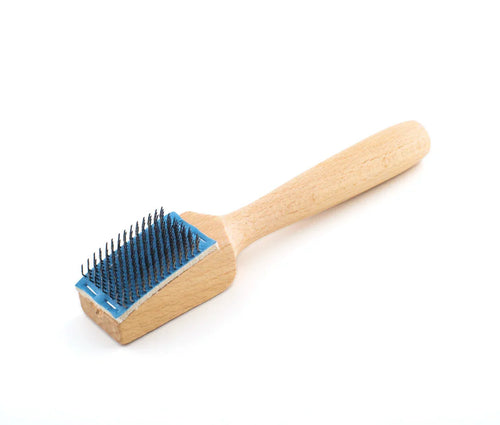
- If the bottom of the skirt is dirty from contact with the floor, let the dirt dry completely first. Then gently brush it away with a soft clothes brush before considering using water.
Make sure your flamenco clothing is always completely dry before storing it in a closet. Moisture trapped in the many layers of fabric of a Bata de Cola can lead to unpleasant odors that are almost impossible to get out.
Repairs and Preventing Wear
While dancing, it is inevitable that someone will step on your skirt or that you will get caught in the fabric with your own heel. This happens especially with beginners who do not yet have full control of their footwork while handling the skirt. In practice, I see that small tears in the hems are often ignored, but during the next turn, the tension pulls the entire flounce loose. Therefore, check your skirt after every performance or intensive class.
It is also essential that your skirt and your footwear are well-matched. When you train with quality flamenco shoes, the interaction between the heel and the skirt is more predictable. A heel that is not properly finished can pull out the fine threads of your skirt. If you find yourself constantly stepping on your own skirt, it is probably too long for your height or your heels are too low for the model of skirt you are wearing.
For transporting a Bata de Cola, I recommend using a large, breathable garment bag. Never fold the 'tail' of the skirt in a way that causes sharp kinks in the reinforcement. Rather, roll the tail loosely if you have to take it in a suitcase. Once on location, hang it up immediately so that gravity can pull out the wrinkles. This saves you hours of careful ironing, which is a hellish job with all those ruffles that you'd rather avoid. By following these practical steps, your outfit for Spanish dance will remain in top condition for years, which is not only better for your wallet but also for your technique on the floor.
Frequently Asked Questions
What is a Bata de Cola and how is it used?
A Bata de Cola is a traditional flamenco skirt with a long train, essential for specific forms of Spanish dance. This skirt requires excellent technique because the dancer must control the train with her legs and feet. The garment is often heavy and richly decorated with ruffles, creating a spectacular visual effect during performances and professional flamenco dance shows worldwide.
What should you look for when buying flamenco shoes?
When choosing flamenco shoes, the quality of the sound and the sturdiness are crucial. Good shoes have nails in the toe and the heel for the characteristic percussive sounds. Choose real leather or suede for a good fit and durability. A sturdy strap or lace-up closure ensures that the shoe stays in place during intensive footwork sequences that are so characteristic of Spanish dance.
Which clothing is essential for a beginning Spanish dance student?
The basic equipment for Spanish dance consists of a close-fitting top and a wide flamenco skirt that offers plenty of freedom of movement. For performances, dancers often wear a traje de flamenca or a Bata de Cola. Men usually wear tight trousers, a shirt, and a short vest. Accessories such as a manton, fan, and castanets complete the traditional flamenco clothing for an authentic and professional look on stage.
How do you choose the right size and length for a flamenco skirt?
A flamenco skirt should fit perfectly at the waist and on the hips to accentuate the dancer's movements. The length is crucial; the skirt should ideally fall to the ankles without you tripping over it while dancing. Many professional skirts have a high waistband for extra support. When fitting, make sure the fabric has sufficient width for elegant skirt work.
What is the difference between a regular flamenco skirt and a Bata de Cola?
The main difference is the train. A standard flamenco skirt is the same length all around and is used for general footwork and skirt techniques. A Bata de Cola has an extended back that drags across the floor. Dancing with a Bata de Cola is a separate discipline within Spanish dance that requires a lot of strength and coordination to be able to move the heavy train elegantly and rhythmically.
Why do professional flamenco shoes have nails in the heel and toe?
Flamenco shoes act as a percussion instrument. The small nails driven into the sole at the toe and the heel amplify the sound of the footwork on the wooden floor. This allows the dancer to produce complex rhythms that are essential for flamenco. Without this specific finish, the sounds would be dull and the passion of Spanish dance would come across much less powerfully during a performance.
Which materials are most commonly used for authentic flamenco clothing?
Traditional flamenco clothing is often made of materials such as cotton, polyester-viscose blends, or stretch fabrics. For the Bata de Cola, sturdier fabrics such as cancan are often used for the bottom ruffles to give the train volume. The fabrics must be durable and resistant to intensive movement. Often colorful patterns such as dots or solid deep colors are chosen for a beautiful and extremely dramatic visual effect.
The beauty of the Bata de Cola is the way it transforms your whole posture; as soon as you feel that train behind you, you immediately change as a dancer. What I especially want to share with you is that Spanish dance is not just about technique, but about the confidence and passion you radiate on the floor. Remember above all that high-quality flamenco clothing is more than a costume; it is an essential extension of your movement and emotion. Whether you take on the challenge with the weight of a train or perfect your rhythm with sturdy flamenco shoes, the right equipment makes the difference between simply practicing and truly dancing.
If you are ready to take that passion to the next level, we invite you to discover our women's flamenco collection for garments that breathe both tradition and comfort. The power of this art form lies in the smallest details: the rustling of the fabrics and the precision of your footwork. Be inspired by the rich history of the dance and dare to tell your own unique story with every step you take.


