Buying Flamenco Shoes: Authentic Spanish Dance Guide

Table of Contents

Your first zapateado sounds like nothing if you are standing on the wrong soles, and believe me, your feet feel that at the end of the lesson too. Good flamenco shoes are essential for every dancer because they not only support your ankles but also act as a percussion instrument thanks to the strategically placed nails in the heel and toe. In the years that I have been teaching, I have seen countless students struggle with footwear that is simply not made for the physical intensity of Spanish dance.

It is a common mistake to think that regular heels or even standard tap shoes suffice for heavy footwork. While with specific pole dance clothing you mainly pay attention to grip and skin contact for safety, flamenco is all about resonance and the stiffness of the leather. A good shoe must grow with your technique; from the softer soles for beginners to the professional variants with a hard core. In this guide, I share my experience on what to look for when purchasing, from the quality of the clavos to the fit that prevents you from losing your balance halfway through an alegría. This way, you avoid costly mispurchases and invest directly in material that increases your dancing pleasure for years.

Characteristics of Authentic Shoes

What I often see in the dance studio is that beginners do not recognize the difference between an ordinary 'Spanish' shoe from the souvenir shop and a real instrument for the feet. An authentic flamenco shoe is not a fashion accessory; it is a percussion instrument. In practice, you notice that immediately by the weight and the stiffness of the sole. Where an average pump gives way, a good dance shoe must provide an indestructible basis for your footwork (zapateado). A common mistake is thinking that you can achieve the same results with standard character or folk dance shoes. Authentic flamenco shoes distinguish themselves by a number of specific technical details that are essential for both your sound production and the health of your joints.

The Clavos: More than just nails

The most recognizable feature of a real flamenco shoe is the 'clavos' or nails. These are manually driven into the toe and the heel. What I often see in cheaper models is that these nails fall out after a few lessons or, worse, damage the floor because they are not properly smoothed down.
  • Density: In a quality shoe, the nails are so close together that they form a smooth metal surface. This creates that deep, dry sound we look for in flamenco.
  • Finish: In practice, the nails must be filed perfectly smooth. If you run your finger over the heel, you shouldn't feel any sharp edges.
  • Difference from other disciplines: People often ask me if they can also use tap shoes. The short answer is: no. Tap shoes have loose metal plates that make a jingling sound, whereas flamenco nails are fixed for a solid 'clap'.

The Heel and the Sole Construction

The heel of a flamenco shoe takes a huge beating. During an average 'escobilla' (footwork section), you hammer the floor with your full body weight. A common mistake is choosing a heel that is too high or too thin. For stability, we usually use a 'Tacón Cubano' (block heel) or a 'Tacón Carrete' (a slightly tapered heel) in flamenco. The sole must be made of thick, double-stitched leather. This is crucial for cushioning. Just as you look for materials that provide grip and protection in the right places when choosing pole dance clothing, a flamenco shoe must support your arch against the constant impact. In practice, I often see that students who dance on soles that are too thin quickly suffer from shin splints or lower back pain.

Leather Quality and Closure

Authentic shoes are almost always made of leather (piel) or suede (ante). Suede shapes to the foot faster, which is nice if you have sensitive knuckles, but leather retains its shape and firmness longer. Also, pay attention to the closure. Whether you choose a strap with a buckle, an elastic, or laces (the so-called 'professional' models), the shoe must not shift a millimeter. A handy tip I always give: check if there is a rubber anti-slip layer (filis) on the sole, just behind the nails at the toe. This prevents you from slipping during fast turns on a slippery studio floor. An authentic shoe might feel a bit stiff at first, but after a few weeks of intensive use, it becomes an extension of your body that responds precisely to every nuance in your dance.

Flamenco versus Tap Shoes

What I often see in the dance studio is that beginners think that a shoe that makes noise is simply a 'sound shoe'. "Can't I just use my old tap shoes for the first lessons?" is a question I get weekly. Although both disciplines revolve around percussion with the feet, the difference in practice is massive. In flamenco, we use the shoe as a musical instrument to 'play' the floor, while tap shoes are more designed to 'glide' over the floor and give light, fast taps. A common mistake is underestimating the construction. Whereas tap shoes are equipped with loose metal plates at the toe and heel that produce a bright, jingling sound, real flamenco shoes have hundreds of small nails (clavos) that are driven into the sole by hand and then smoothed down. This provides a deep, earthy, and dry sound that is essential for the 'soniquete' – the specific rhythmic feeling of flamenco.

The difference in sound production and material

In practice, you notice the difference immediately at the first 'golpe' (a flat strike with the whole foot). Tap shoes often sound too 'tinny' for the heavy, emotional weight of a Soleá or a Seguiriya. Moreover, the sole of a tap shoe is often much more flexible. For flamenco, however, you need a stiff shank that supports your arch during powerful 'taconeo' (heel work). What I often see is that dancers who start with the wrong shoes develop shin or ankle problems faster. Just as you choose the right equipment for a specific sport – think of how crucial the right pole dance clothing is for grip on the pole – so the firmness of a flamenco shoe is crucial for the safety of your joints. The force released during a fast 'escobilla' must be absorbed by the shoe, not by your knees.

Technique and weight distribution

The anatomy of movement is also completely different. In tap dancing, the weight is often more on the ball of the foot and the ankles are looser for fast 'shuffles' and 'brushes'. In flamenco, your weight is slightly more forward, but the impact comes from your entire leg and back. A flamenco shoe has a more robust heel, often made of solid wood (beech or rosewood), which transmits the vibrations to the dance floor in a specific way.
  • The Clavos: The nails in flamenco shoes are not for show; they are essential for grip and pitch. Tap plates are hollower and are fixed with screws that you can tighten to change the sound.
  • The Sole: Flamenco shoes have a thick leather sole, often with an extra rubber anti-slip layer just behind the toe to prevent slipping during fast turns.
  • The Heel: The heels in flamenco are heavier and come in different shapes such as 'cubano' or 'carrete', while tap heels are usually standard and lower.
If you are getting serious about flamenco, I always advise investing immediately in a good pair and leaving tap shoes alone for this specific discipline. You will notice that in the long run, your feet will be much less fatigued and you can convey the nuances in the music much better. The sound of wood and metal working together in a flamenco shoe simply cannot be imitated with the aluminum plates of a tap shoe.

Materials and Quality Classes

In practice, I notice that students often underestimate how much impact the material of a shoe has on their technique. A flamenco shoe is not an ordinary pump; it is your most important percussion instrument. What I often see is that beginners focus blindly on appearance, while the construction and the leather used determine whether you go home with blisters after an hour of class or with a sense of satisfaction. The choice of material directly affects the 'sonido' (the sound) and the lifespan of your investment.

Leather versus Suede: The battle for comfort

A common mistake is thinking that stiff leather is always better because it lasts longer. In the dance studio, however, I see two clear camps. 'Piel' (smooth leather) is the standard. It is durable, offers a lot of support, and gives a clear, sharp clap during the 'golpe' (strike with the whole foot). The disadvantage? You really have to break these shoes in. The leather must mold to your foot, which can be painful at the attachment of the toes in the beginning. Aan de andere kant heb je 'Ante' (suede). This is much softer and shapes almost immediately to your foot. For dancers with a wide foot or sensitive knuckles, this is often a relief. The sound of suede is slightly duller and warmer than that of smooth leather. If you notice that your feet get tired quickly, the flexibility of suede can help, similar to how the right pole dance clothing offers freedom of movement without pinching at crucial points. Note: suede stretches more, so definitely do not buy them too big.

Quality Classes: From 'Aficionado' to 'Elite'

The market is roughly divided into three classes. The difference lies not only in the price but especially in the anatomy of the sole and the placement of the nails.
  • Beginners/Amateur: These shoes often have a glued sole and fewer nails in the heel and toe. They are fine for a first year, but as soon as your tempo increases, you will notice that the resonance falls short.
  • Semi-Professional: This is the 'sweet spot' for the serious student. These shoes have a sewn sole (often called the 'sistema de cosido') and better balance. The nails are filed smoother, so you don't damage the floor but still get that characteristic dry tap. Good flamenco shoes in this class also offer extra cushioning under the ball of the foot.
  • Professional/Elite: Here we are talking about handwork. The sole is often double-layered and the heel is made of solid beech or rosewood for perfect acoustics. In this class, you often see a 'tapa' (sole) of high-quality cowhide that can withstand years of intensive use.
What I often advise is to look at the 'tacón' (heel). A common mistake when switching from regular shoes to dance shoes is the heel height. A standard heel of 5 or 6 centimeters is ideal for balance. If you choose a 'carrete' (curved heel), your center of gravity is slightly different than with a straight block heel. This directly affects your 'escobilla' (footwork section). Although footwork technique is unique to Spanish dance, the precision required to hit the right tones is comparable to how tap shoes are used for rhythmic complexity. In practice, I see that dancers who invest in a semi-professional shoe make progress much faster in their sense of rhythm, simply because the shoe provides the right feedback to the floor.

Maintenance of Dance Shoes

In practice, I see it happen time and again: a student invests in a beautiful pair of handmade shoes, only to let them sit in a plastic bag at the bottom of a locker immediately after an intensive lesson. That is the fastest way to ruin the leather and the glue bonds. Good flamenco shoes are an extension of your instrument; the nails in the sole and the heel are your percussion. If you don't handle them carefully, you lose not only your investment but also the quality of your 'sonido'. What I often see is that dancers forget that sweat is leather's biggest enemy. The salt in your perspiration soaks into the material and makes it stiff, eventually causing it to crack. A common mistake is to put your shoes on the heater immediately after class to let them dry. Never do this. The leather then dries out too quickly and loses its shape. Instead, I recommend using cedar shoe trees. These pull the moisture out and maintain the anatomical shape of the instep, which is essential for those deep 'taconeo' techniques.

Checking the nails and the sole

The bottom of your shoe requires a very different approach than the top. The 'clavos' (nails) in the toe and the heel provide that specific, sharp sound. In the dance studio, you notice quickly enough when something is wrong: if you lose grip or notice you're scratching the wooden floor, your nails are likely unevenly worn or loose.
  • Check weekly whether the nails are still well recessed in the leather. A protruding nail can irreparably damage the dance floor and disturb your own balance.
  • Use a fine file to remove any sharp burrs from the nails. This is similar to how you maintain tap shoes, although the metal plates in tap dance obviously have a very different dynamic than the individual nails in flamenco.
  • Keep the sole between the heel and the toe free of dirt and dust. Accumulated dirt causes you to lose grip during fast turns or 'vueltas'.

Keeping the leather supple and safe

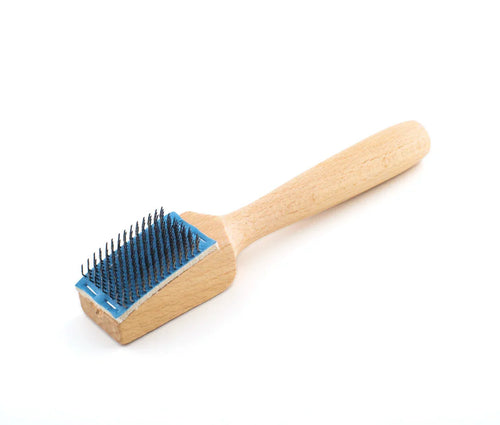
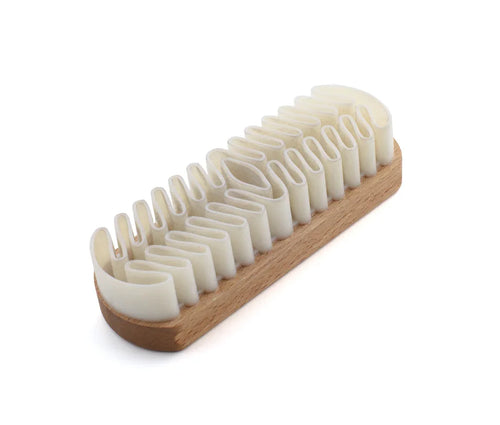
Another aspect I often get questions about is polishing the shoes. Of course, you want them to shine on stage, but be moderate with grease. Too much shoe polish can end up on the soles, causing you to lose the grip you need so badly for controlled footwork sections. Just as you have to be careful with body lotion when wearing pole dance clothing to avoid sliding off the pole, you must prevent grease from getting on the bottom of your flamenco shoe soles. In practice, I personally prefer using a thin layer of high-quality wax rather than a liquid polish. Apply it only to the sides and the top of the leather. If you have suede shoes, use only a special suede brush to 'rough up' the fibers again. This prevents the material from becoming smooth and shiny in places where there is a lot of friction, such as at the toe during 'punta' strikes. By taking a moment after each lesson to inspect your material, you extend the life of your shoes by years, and you will hear that directly in the clarity of your rhythms.

Combining Dance Clothing and Accessories

In the studio, I often see dancers underestimating their choice of clothing when they start with their footwork. An outfit in flamenco is not decoration; it is an essential extension of your instrument. What I often see is beginners wearing a skirt that is too long, which ends up between the heel and the sole of their flamenco shoes. That is not only dangerous for your ankles, but it also muffles the sound of your 'golpe' (the flat strike). In practice, your skirt should fall exactly on your ankle bone, so your feet can move freely while the fabric accentuates the movement of your hips.

The interaction between fabric and technique

A common mistake is choosing synthetic fabrics that become static during dancing. When your skirt sticks to your legs, it hinders your speed during an 'escobilla', the part where footwork is central. The interaction between your shoe and your clothing is crucial for the right balance. Unlike the light, extremely flexible materials you see in pole dance clothing, where direct skin contact is needed for grip on the pole, Spanish dance is all about the resistance and weight of the fabric. A heavy cotton or high-quality polyester-viscose skirt gives a natural 'swing' that helps you keep your center of gravity low during powerful heel work.
  • Always wear a skirt with enough width (at least a half circle) during practice so as not to restrict your arm movements or 'braceo' while your feet beat a complex rhythm.
  • Pay attention to the thickness of your tights; tights that are too slippery or thin in your shoe will cause your foot to slide, which directly causes blisters at the heel cup due to the enormous friction of the 'taconeo'.
  • Combine your shoes with a tight-fitting top so your teacher can correct your back and shoulder line while your feet set the rhythm; a loose sweater often hides a wrong posture in the lower back.

Sound control and physical balance

In practice, I notice that students who have experience with other percussive styles, such as tap dance, often have to get used to the anatomy of the Spanish shoe. Where tap shoes often have a looser metal plate for a clear, high 'click', the nails in the sole of a flamenco shoe are manually and solidly driven into the toe and heel. This requires a completely different tension in your calves and ankles. If your clothing is too tight around the knees, you cannot get the necessary spring from your joints, causing the impact of the landing to strike directly through to your lower back. Don't forget the influence of accessories like the 'mantón' (the large silk shawl). This shawl adds significant weight to your upper body. If your shoes do not offer the right stability and width in the heel, the weight of the shawl will pull you mercilessly out of balance during a fast turn or 'vuelta'. Therefore, always make sure your shoes fit perfectly and are broken in before you start experimenting with heavy accessories. The ultimate goal is a fluid unity between the percussive sound on the floor and the visual lines of your costume.

Choosing the Right Fit

In the dance studio, I often see students buying their shoes a size too big "for comfort". In practice, that is the biggest mistake you can make. A flamenco shoe is not an ordinary shoe; it is a percussion instrument. If your foot shifts even a millimeter inside the shoe, you lose control over the timing of your golpes and taconeos. What I often see is that dancers develop shin or ankle pain after six months of lessons, simply because they are curling their toes to keep the shoe in place. When fitting your first pair of flamenco shoes, the fit should feel almost uncomfortably tight at first. Not so tight that your circulation stops, but like a firm, constant pressure around the entire foot. Think of a second skin. Unlike, for example, the flexible materials you see in pole dance clothing, where stretchiness is essential, flamenco is about compactness and stability.

Checking the heel and the instep

A crucial point I always look at with my students is the heel closure. If you stand on the ball of your foot (the planta position), your heel absolutely must not slip out of the shoe. Does this happen? Then the shoe is too big or the heel cup is not deep enough for your anatomy. Although these shoes are sometimes compared to tap shoes in terms of sound production, the technique where you apply force from your heel is much more intense. The impact of a tacón (heel strike) must be transmitted directly to the floor without any energy being lost in the shoe itself. Let during the fitting on the following points:
  • The toes should be able to lie flat but may just touch the front of the shoe.
  • The instep strap (in a merceditas model) must be tight enough so that the shoe does not "stick" to the floor when you lift your foot.
  • There should be no empty space at the arch of your foot; the sole must follow your natural foot shape for maximum support.

Material and the breaking-in process

In practice, I see that students often hesitate between leather and suede (ante). A common mistake is underestimating how much leather will still work. A leather shoe shapes to the warmth of your foot and will become slightly wider over time. Suede, on the other hand, is often softer and more flexible from the first moment, which is pleasant for dancers with sensitive feet or bunions (hallux valgus). If you have a wide forefoot, look specifically for models with a 'width C' or a rounder toe. In practice, I often see dancers trying to compensate for a shoe that is too narrow by taking a size larger, but then you end up with a shoe that is too long, so the clavos (the nails in the sole) are not in the right place under your center of gravity. The nails must be exactly under the tips of your toes and the middle of your heel for that characteristic, dry flamenco sound. A wrong fit not only ruins your technique but, in the long run, also your joints.

Frequently Asked Questions

How do flamenco shoes differ from regular dance shoes?

Flamenco shoes are specially designed for percussive footwork. Unlike standard dance shoes, they have small nails in the toe and the heel to produce the characteristic sound. Additionally, they are made of sturdy leather or suede to withstand the intensity of the dance, while still offering enough flexibility for the dancer to move comfortably during an intensive performance.

Can I use tap shoes for practicing flamenco?

Although tap shoes are also intended for rhythmic sound, they are not suitable for flamenco. Tap shoes have metal plates, whereas flamenco shoes have nails in the sole. This creates a completely different soundboard. Moreover, the construction of the heel and the instep in flamenco is specifically tailored to the powerful stomping movements that are essential for this traditional and expressive Spanish dance form.

How exactly should flamenco shoes fit for the best experience?

Ensure that flamenco shoes fit snugly, almost like a second skin. There should absolutely be no space at the heel, because otherwise your foot will slide during the fast footwork. Although they should be tight, they should not hurt. Leather often stretches a little bit after use, so be sure to take that into account when fitting your new pair of shoes.

Do I need specific pole dance clothing during my flamenco lessons?

No, pole dance clothing is generally not suitable for flamenco. Where pole dance clothing is often minimalistic for maximum grip on a pole, flamenco requires clothing that offers a lot of freedom of movement for the legs and arms. Think of wide skirts or tight-fitting trousers. It is important to wear clothing that optimally supports the proud posture and the powerful, expressive movements of this dance style.

What is the difference between amateur and professional flamenco shoes?

Amateur models are often lighter and have fewer nails, which is ideal for beginners still developing their technique. Professional flamenco shoes, on the other hand, are more robust, handmade, and have a superior sound quality due to a larger quantity of nails in the sole. The materials used for the sole and the heel are also of significantly higher quality in professional shoes to withstand long-term and very intensive use.

How can I best maintain my flamenco shoes for a long lifespan?

To keep your flamenco shoes in top condition, it is important to let them air out well after each lesson. Use a soft brush to remove dirt from the leather or suede. Also, regularly check the nails in the heel and toe; if they are loose or worn, they can seriously damage the dance floor. Therefore, always store them in a breathable shoe bag.

Where can I buy quality flamenco shoes and other dance supplies?

For the best flamenco shoes, you can go to specialized dance shops that sell authentic Spanish brands. Although some shops also offer tap shoes or pole dance clothing, it is essential for flamenco to consult a real expert. Online shops often offer a wide range of sizes and styles, but always ensure you have a good return policy in case the fit is not optimal.

The beauty of flamenco is that your feet become your most important instrument. What I mainly want to share with you is that the right shoe makes the difference between simply following the steps and truly embodying the music. When making your choice, pay particular attention to the balance between a firm fit and the quality of the nails in the heel and sole; after all, these provide that characteristic, powerful sound for which flamenco is known. Whether you are practicing your first 'taconeo' or further refining your technique, invest in footwear that optimally supports your feet and increases your confidence on the floor. Take a look at our flamenco shoes collection to find a pair that perfectly matches your level and style. Above all, remember that every strike on the floor is an expression of your own strength and passion. As soon as you take that first confident step with quality Spanish dance shoes, you will immediately feel the connection with the Spanish tradition. The floor is there to be played by you; let your own unique rhythm be heard.

Back to blog
💃

Ready to shine on the dance floor?

Discover our collection flamenco shoes - by dancers, for dancers.

✓ 30 Day Returns ✓ Free Shipping €85+ ✓ 6 Month Factory Warranty

📚 More about flamenco

💬 Questions? Message Vanessa on WhatsApp!