

Table of Contents
- What is Spanish Dance?
- Choosing Flamenco Shoes
- Authentic Spanish Dance Clothing
- Important Accessories and Castanets
- Difference with Other Dance Shoes
- Maintenance of Dance Clothing
- Tips for the Start
- Frequently Asked Questions
Have you ever tried to perform a powerful taconeo, only to find that your shoes sound like cardboard against the wooden floor? Good technique starts with the right foundation, and in the world of Spanish dance, that means investing in quality flamenco shoes and clothing that both support your posture and provide the desired acoustics. In the years I have been teaching in my own studio, I have seen countless students struggle with painful blisters due to stiff leather or skirts that are simply too heavy for a quick vuelta.
You can immediately recognize high-quality flamenco shoes by the precision of the hand-placed nails (clavos) in the toe and heel, and the sturdiness of the instep; essential for those dry, sharp strikes we strive for during lessons. Flamenco clothing must also be functional; a good skirt must have enough 'vuelo' (flight) for a dramatic effect, but remain light enough not to hinder your footwork. Whether you are just starting your first lessons or have been refining your braceo for years, the right equipment makes the difference between simply taking steps and truly dancing with the right passion and technical control.
What is Spanish Dance?
Spanish dance is a term that is often misunderstood as being synonymous only with flamenco. In dance practice, I notice that students often come in with the idea that any dance with a fan or a skirt immediately falls under the heading of flamenco. However, the reality is much more layered. Spanish dance, or Danza Española, is an overarching discipline that has four main forms: the Escuela Bolera (classical Spanish ballet), folklore (such as the Jota), the Danza Estilizada (stylized dance), and of course, Flamenco.
What I often see in dancers transitioning from classical ballet to Spanish dance is the challenge of capturing the 'aire' – the specific Spanish aura. It's not just about the steps, but about a specific posture of the back and the use of the arms, the so-called braceo. Where ballet strives for weightlessness, Spanish dance seeks a connection with the ground. This is directly reflected in the footwear. For the rhythmic percussion of the feet, quality flamenco shoes are essential; these are equipped with small nails in the sole at the toe and heel to produce that characteristic sound.
The four pillars of the discipline
To understand exactly what you are learning, it is useful to distinguish between the different styles. In practice, these styles are often mixed, but they each have their own technical requirements:
- Escuela Bolera: This is the most technical form, heavily influenced by classical ballet, but performed with castanets and typical Spanish jumps.
- Folklore: Every region in Spain has its own dances. Think of the lively Muñeira from Galicia or the well-known Sevillanas from Seville, which are often the first introduction for beginners.
- Danza Estilizada: This is a free choreography of the three other styles, often performed to classical music by composers such as Manuel de Falla or Albéniz.
- Flamenco: The most well-known form, which revolves around improvisation, emotion, and complex footwork (zapateado).
Technique and material use
A common mistake among beginners is that they try to get the power for the footwork from their whole leg. In the studio, I always emphasize that the power must come from the ankles and the support from the core. If you keep your knees too stiff, your lower back absorbs all the impacts of the golpes (strikes), which can quickly lead to injuries. That is why it is also so important to train on a sprung wooden floor and not on concrete or tiles.
In addition to technique, clothing plays a major role in how you experience the dance. Wearing the right flamenco clothing, such as a heavy practice skirt, helps you feel the resistance of the fabric during turns. In practice, I see that students who practice in leggings often have trouble with their balance as soon as they put on a real skirt; the weight of the fabric completely changes your center of gravity.
The essence of Spanish dance lies in the contrast: the pride and sharp lines of the upper body versus the earthy, powerful rhythm of the feet. Whether you choose the elegant lines of Danza Estilizada or the raw energy of flamenco, make sure you start with equipment that supports your body. Good Spanish dance shoes with a sturdy heel are your most important instrument, as they literally form the connection between your rhythm and the floor.
Choosing Flamenco Shoes
In the dance studio, I often see that students underestimate the importance of the right shoe. A flamenco shoe is not just a piece of clothing; it is your most important percussion instrument. Without the right sound from the golpe (the whole foot) or the tacón (the heel), the dance loses its rhythmic power. What I often see is beginners starting in shoes that are too flexible or have a sole that is too smooth. For the powerful footwork techniques so characteristic of Spanish dance, you need a sturdy, inflexible sole that absorbs the shocks and transmits the sound clearly to the floor.Material and Sound Quality
The choice between leather and suede is more than just an aesthetic issue. In practice, I notice that leather shapes to the foot faster, while suede (often called 'ante') feels softer immediately but also stretches out faster. If you train seriously, I often recommend leather for its durability. Pay particular attention to the finish of the clavos (the nails). In quality flamenco shoes, these nails are driven into the toe and heel by hand and then filed perfectly smooth. This ensures that specific deep, dry sound instead of a shrill, metallic ticking often heard with cheaper models. A common mistake is choosing a heel that is too high in hopes of looking more elegant. If you don't yet have the right balance and ankle strength for fast escobillas, I recommend a heel of at most 5 or 6 centimeters. A 'Cuban heel' often offers the most stability because the weight is better distributed.The right fit for intensive footwork
A flamenco shoe must fit tightly, almost like a second skin. In class, I regularly see students struggling because their heel slips out of the shoe during a redoble or a quick turn. That's not only frustrating for your technique, it's also asking for injuries to the Achilles tendon and ankles. When fitting, pay attention to the following points:- Choose a model with a sturdy strap or lace-up closure; in practice, elastic often offers insufficient support for explosive stomping.
- Check the width of the last: your toes should not overlap, but there must be absolutely no room for the foot to slide in the shoe.
- Take the thickness of your dance tights or socks into account when fitting.
Authentic Spanish Dance Clothing
In practice, I notice that many beginning dancers think flamenco clothing is purely decorative. Nothing could be further from the truth; in Spanish dance, your outfit is your instrument, just as much as a guitar is for the musician. What I often see is students starting in simple leggings, but soon noticing they cannot master the technique of the braceo (arm movements) and the vuelo (the swinging of the skirt) without the right resistance from the fabric. Authentic clothing helps you adopt the proud, upright posture so characteristic of this art form.The anatomy of the perfect flamenco shoe
A common mistake is underestimating the technical requirements of the footwear. Flamenco is a percussive dance form where the feet act as drumsticks. When you look at professional flamenco shoes, you see that the sole is often made of thick leather and that the heel and toe are equipped with dozens of small nails. These nails are manually driven into the leather and then sanded smooth, so they produce a clear, dry sound without destroying the dance floor. When fitting shoes, I always advise paying attention to the following points:- The fit of the instep: The shoe should fit your foot like a second skin. If your foot slides during a golpe (a flat strike), you lose control over your timing and risk injury to your ankles.
- The height of the heel: For beginners, a heel of 4 to 5 centimeters is often ideal. In practice, I see that heels that are too high lead to incorrect weight distribution, causing you to lean too much on the forefoot and the taconeo (heel work) to lose power.
- The material: Suede shapes to the foot faster, while smooth leather (boxcalf) offers more sturdiness and lasts longer with intensive use.
The role of the skirt and the upper body
In addition to the shoes, the falda de ensayo (practice skirt) is the most important part of your equipment. An authentic skirt for Spanish dance is not just any wide skirt. The weight is crucial; the fabric must be heavy enough to fall back into place immediately after a turn, but supple enough to lift with your hands while dancing. I often see dancers choosing fabrics that are too light, causing the skirt to wrap around their legs during a quick vuelta (turn) instead of forming a beautiful circle. For upper clothing, freedom of movement is the keyword. Because the arms in flamenco often move high above the head, the fabric must not pull at the armpits or shoulders. Many dancers wear a form-fitting bodysuit or a top with three-quarter sleeves. It is essential that your teacher can see your back and shoulders to correct your posture. When you invest in quality flamenco clothing, you will notice that the cut is specifically adapted to this vertical stretch.Practical tips for maintenance and use
In the studio, I often see dancers putting their shoes directly into a plastic bag after class. This is a cardinal sin for the leather and the glue of the soles. Always let your shoes air out. For the skirts: hang them up immediately after dancing. Most authentic Spanish fabrics contain a mix of polyester and elastane, which makes them wrinkle-free, but they do need space to maintain the shape of the pleats. A well-maintained set of clothing and shoes will last for years and literally grow with you as your level rises.Important Accessories and Castanets
In the dance studio, I often notice that students initially focus entirely on footwork. Although the technique of the feet forms the basis, it is the accessories that transform a dancer from someone performing steps into a true flamenco dancer. Accessories in Spanish dance are not decoration; they are instruments and extensions of your body. What I often see is beginners underestimating the complexity of, for example, the castanets. It requires enormous coordination to play a tight carretilla (the rolling strike) while your feet maintain an independent rhythm.
A common mistake I encounter in practice is purchasing cheap souvenir castanets. These are often made of varnished wood that offers no resonance. For a serious student, I always recommend castanets made of pressed cloth (fibra) or synthetic resin. These materials are insensitive to temperature differences and break less easily. The sound is sharp and dry, which is essential to rise above the sound of your flamenco shoes during a powerful zapateado.
Castanets: The rhythmic heartbeat
When choosing castanets, sizing is crucial. A castanet that is too large will slip out of your hand, while one that is too small will block your fingers' freedom of movement. In practice, I usually use this rule of thumb: the castanet should rest comfortably in the palm of your hand, with the top coming out just below your thumb joint. When practicing, pay attention to the following points:
- The 'macho' (the castanet with the notch) belongs in the left hand and indicates the basic accents.
- The 'hembra' (without a notch and with a higher pitch) is on the right and is used for the runs and flourishes.
- Always use cotton cords; elastic causes the castanets to bounce, making you lose control.
- Practice the fingering (pinky, ring finger, middle finger, index finger) dry first, without actually striking the castanets against each other, to build muscle memory.
The Mantón and the Abanico
In addition to the castanets, the mantón (the large shawl with fringes) and the abanico (the fan) are indispensable in specific styles such as the Guajiras or the Alegrias. What many dancers only realize when they start working with them is the physical weight of a real mantón. A good mantón is made of heavy silk with hand-knotted fringes. In practice, I often see dancers getting shoulder pain because they try to steer the shawl purely from the arms. However, the power must come from your core and back. The shawl must be an extension of your arm tension, with the fringes following the movement of the air.
The same applies to the abanico. A common problem is a limp wrist, which prevents the fan from opening with that characteristic 'snap'. Make sure that while turning and opening the fan, you stand firmly in your flamenco clothing, so your center of gravity remains low. This gives you the stability needed to handle the fan elegantly but powerfully. When training with these accessories, I always advise practicing with the flamenco shoes for women that you also wear during a performance. The extra weight of the accessories changes your balance, and you don't want to be faced with surprises when you're on stage.
Remember that accessories are meant to enhance the emotion of the dance. Whether it's the pride of the mantón or the rhythmic accent of the castanets, they require just as much technical training as your footwork. Take the time to get to know the instrument before integrating it into a full choreography.
Difference with Other Dance Shoes
When students first step into the studio, I often get asked if they can use their old salsa shoes or character shoes for the class. In practice, I see that this immediately causes problems, both for the dancer and for the floor. The fundamental difference between a standard dance shoe and quality flamenco shoes lies not in the appearance, but in the function: the shoe is a percussion instrument in this discipline.The shoe as instrument
In contrast to ballet or jazz shoes, which are designed to let the foot move as freely as possible and emphasize the line of the instep, a flamenco shoe is built for impact. Under the toe and the heel of the shoe are dozens of small nails (tachuelas) that are driven into the leather with extreme precision and then ground flat. This is an essential part of Spanish dance. A common mistake is the comparison with tap shoes. Where tap shoes have loose metal plates that produce a clear 'click', the nails in flamenco are fixed and provide a deep, resonant sound that uses the wooden dance floor as a sounding board. If you use a shoe with a suede sole, as in ballroom, you simply won't hear anything of your footwork and you'll miss the feedback needed to control your rhythm (compás).Construction and stability
The anatomy of the shoe is fully tailored to the zapateado (the footwork). What I often see with beginners practicing in regular pumps is that the heel slips out from under the foot or the sole folds over. A real flamenco shoe has an extremely stiff sole and a reinforced shank. This is necessary to absorb the enormous forces released during techniques like the 'golpe' (flat strike) and the 'tacón' (heel strike).- The Heel: Where salsa shoes often have a thin 'stiletto' heel for elegance, flamenco shoes have a sturdy, often wooden block heel (Cubano) or a slightly tapered heel (carrete). This provides the necessary surface area to maintain balance during fast rhythmic passages.
- The Material: The leather is thicker and stiffer than in other dance forms. This provides the necessary support to the ankles and prevents the shoe from stretching out due to the constant pressure of stomping.
- The Closure: In practice, I see that a sturdy strap over the instep or a lace-up closure is indispensable. During explosive movements, the foot must not move a millimeter inside the shoe.
Impact on the body
An aspect that is often underestimated is the physical strain. Flamenco is hard on the joints. Good shoes act as shock absorbers. A common mistake is buying shoes that are too cheap without a proper insole; in practice, this often leads to injuries to the knees or lower back. When you invest in the right flamenco clothing and footwear, you notice that the shoe helps you direct the energy from your legs directly into the floor, without your foot becoming unstable. The difference in sound quality and confidence on the floor is noticeable from the first lesson as soon as you use the right equipment.Maintenance of Dance Clothing
In the years I have been teaching and performing on stage myself, I have seen how quickly quality gear can deteriorate simply through a lack of proper aftercare. Flamenco is a physically intensive discipline; the combination of sweat, friction, and the enormous force placed on the materials during footwork requires a specific approach. It is an investment in your passion, and if you don't take that investment seriously, you'll find yourself in the studio with torn seams or blunt nails in no time.
Care for your shoes and the sound
What I often see is dancers putting their shoes directly into a closed plastic bag after class and only opening it again for the next class. This is the fastest way to suffocate the leather and weaken the glue bonds. Leather must breathe. After an intensive session full of zapateado, your shoes are damp with sweat. Take them out of your bag, possibly put some unbleached paper inside to absorb the moisture, and let them air dry, but never directly near a heater. The heat makes the leather brittle, which can cause it to crack at the instep.
Another crucial point are the clavos, the nails in the toe and heel. In practice, I often see students only taking action when they notice they are losing grip or when the sound becomes 'dull'. Regularly check if the nails are still firmly in place and have not worn down to the wood of the sole. When the nails are flattened, you lose the clear resonance needed for a sharp golpe. Good flamenco shoes only maintain their sound if the sole remains intact. Therefore, never walk in your dance shoes on a hard outdoor surface; one walk on the street can irreparably damage the nail heads and ruin your studio floor.
Preserving your skirts and costumes
With clothing, and especially the heavy skirts (faldas) with many ruffles, the washing machine is often your biggest enemy. A common mistake is washing a complete outfit too often. The many meters of fabric and the reinforcements in the hem can lose their shape due to spinning. For daily training, I recommend working with layers. Wear a cotton bodysuit under your clothing to absorb most of the sweat, so you don't have to clean the heavy outer layer as often.
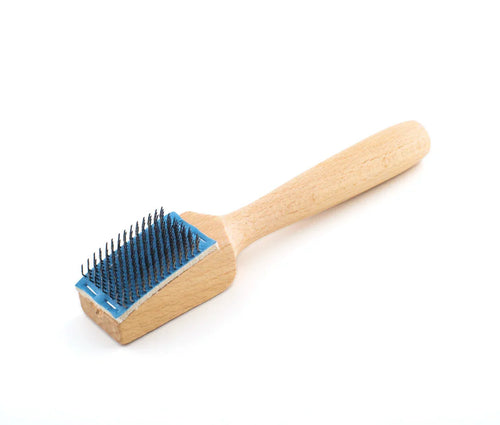
- Brush your skirt after class with a soft brush to remove dust and resin residue from the floor.
- Hang your clothes up immediately after class on a sturdy hanger. Gravity helps to get the wrinkles out of the ruffles without you having to use an iron immediately.
- Spots are best treated locally with a damp cloth and a mild soap.
If you invest in specific flamenco clothing, pay close attention to the fabric composition. Synthetic fabrics such as high-quality polyester wrinkle less easily and retain their color better after sweating, but they also hold more odor. Cotton breathes better but becomes heavy when wet and loses its shape faster. In practice, a mix often works best for intensive use. Don't forget to regularly check the zippers and fasteners; the constant torsion of the body during dancing puts a lot of tension on them. A drop of silicone spray on the zipper can prevent it from jamming or snapping halfway through a performance.
Ultimately, it's about showing respect for your equipment. Whether you train in a simple outfit or shine in a full traje de flamenca, the way you handle your things determines how long they support you in your dance development. Well-maintained Spanish dance equipment not only ensures a better appearance but also gives you the confidence that your gear won't let you down during that one fast remate.
Tips for the Start
When you first step into a dance studio for a Spanish dance lesson, you immediately notice that the energy is different than in ballet or modern dance. What I often see with beginners is a healthy dose of nerves combined with the wrong equipment. The biggest mistake you can make is thinking you can get through the first few lessons in regular pumps or sneakers. In practice, this often results in painful joints or, even worse, incorrect technique that is very difficult to unlearn later. Flamenco is a physically demanding discipline where your feet are literally your instrument.The basics of your footwork
At the start of your lessons, everything revolves around the zapateado, the footwork. A common mistake is underestimating the impact that stomping has on your ankles and knees. That is why good flamenco shoes are essential from day one. These shoes have a specific construction: they are sturdier than an average heel and equipped with small nails in the toe and the heel. These nails are not just for sound, but also provide necessary grip and resonance. In practice, I often see students starting on a heel that is too high. For a beginner, I usually recommend a 'Cuban heel' (a somewhat wider, stable heel) of about 4 to 5 centimeters. This helps you keep your center of gravity low and find your balance while learning the compás (the rhythm). If you stand on heels that are too thin, you wobble with every strike, which comes at the expense of power in your golpe (the flat strike).Freedom of movement and posture
In addition to footwear, the right flamenco clothing determines how you experience the dance. Many beginners initially wear tight leggings, but I always recommend starting to work with a practice skirt as soon as possible. Why? Because the skirt is an extension of your movement. You have to learn how to pick up the fabric and move with it during turns. Here are a few practical things to watch out for when you start:- Choose breathable fabrics: Spanish dance is intensive. Cotton blends often work better than purely synthetic fabrics that don't absorb sweat.
- The fit of the waist: Make sure your skirt or pants fit firmly at the waist. While dancing, you constantly use your core to keep your upper body still while your feet do the work. A slipping skirt is very distracting.
- Nails in the shoes: Regularly check if the nails are still firmly in place. If one sticks out, you damage the dance floor and could slip.
- Hair out of the face: It sounds simple, but in practice, I often see loose hair hindering the technique of the vueltas (turns). Wear it in a tight bun or ponytail.
Frequently Asked Questions
What do you call the Spanish dance?
The most famous Spanish dance is called flamenco, an art form that combines singing, guitar playing, and dance. Although there are other regional dances such as the Paso Doble or the Sevillanas, flamenco is the most iconic worldwide. This expressive dance style is known for its passion, rhythmic footwork, and elegant hand movements, where the dancer's emotion is central to the powerful performance.
Where do you buy Zumba shoes?
Although this article focuses on flamenco, it's best to buy Zumba shoes at specialized sports stores or online dance specialty shops. When purchasing, look for good cushioning and a special pivot point in the sole to prevent knee injuries. For flamenco, however, you need specific flamenco shoes with nails in the heel and toe for the percussive sound.
What are the most important characteristics of good flamenco shoes?
Good flamenco shoes are essential for every dancer. They are usually made of high-quality leather or suede and have a sturdy, stable heel. The most unique feature is the small nails driven into the toe and the heel. These provide the characteristic percussive sound during footwork. In addition, a quality shoe offers optimal support to the arch and ankle.
What clothing is mandatory for a beginning flamenco dancer?
For beginners, a tight shirt or bodysuit combined with a wide, long skirt is the standard flamenco clothing. The skirt must have enough fabric to be able to swing with it while dancing. Men usually wear form-fitting pants and a matching shirt. The most important thing is that the clothing offers freedom of movement, while the teacher can still check the correct posture of knees and feet.
Why are there nails in the soles of flamenco shoes?
The nails in flamenco shoes act as a musical instrument. By incorporating small metal nails in the sole at the toe and heel, the dancer produces a sharp and clear sound with every step. This allows the dancer to make complex rhythms, also known as taconeo, audible. Without these nails, the characteristic sound of Spanish dance would be lost.
How do you choose the right size for your new flamenco shoes?
Flamenco shoes must fit very closely, almost like a second skin, to maintain maximum control over footwork. There must be absolutely no room at the heel, as the foot will otherwise slip out of the shoe while dancing. It is advisable to fit professional dance shoes with the socks you wear during class, as leather stretches over time.
What is the difference between a flamenco skirt and a regular skirt?
A true flamenco skirt is specifically designed for the movements of Spanish dance. These skirts are often heavier and made of a lot of fabric, with multiple layers or ruffles at the bottom. This design helps the dancer to lift the skirt in a controlled manner and move rhythmically. A regular skirt often lacks the width and weight needed for these effects.
Can you dance flamenco in normal shoes with a heel?
For a first trial lesson, sturdy shoes with a wide heel are sufficient, but for serious practice, real flamenco shoes are indispensable. Normal shoes do not offer the right support and lack the nails for the rhythmic sounds. Moreover, regular soles can be too slippery or have too much grip, which significantly increases the risk of injuries to the ankles and knees during turns.
The beauty of Spanish dance is that you translate passion and emotion directly into powerful rhythm and graceful movement. What I especially want to share with you is that the right flamenco shoes are much more than just footwear; they are the instrument with which you determine the heartbeat of the music. Remember above all that comfort and technique go hand in hand. When your feet receive the right support and your shoes produce that characteristic, clear sound, true room for pure expression on the dance floor finally emerges.
Whether you are just starting or have been making the floorboards vibrate for years, quality equipment makes a real difference in how confident you feel. Check out our women's flamenco collection to discover clothing and shoes that are not only functional but also strengthen your personal fire. The magic of flamenco happens the moment you feel completely free to show yourself, dressed in materials that accentuate every turn and stomp. Step into the studio with pride, let the music guide you, and dare to claim the space fully with every powerful movement you make.


