

Table of Contents
- Importance of Proper Maintenance
- Treating Leather Shoes Correctly
- Checking and Repairing Nails
- Use of Vaseline and Grease
- Cleaning after Spanish Dance
- Storage and Flamenco Clothing
- Frequently Asked Questions
Do you hear that dull sound during your taconeo? Then there is a good chance that your flamenco shoes are in need of maintenance more than you think. Proper maintenance of flamenco shoes basically revolves around two things: timely filing or securing the nails under the sole to protect the floor and regularly nourishing the leather to prevent cracking. In my years in front of the mirror in the studio, I have seen countless students dance through their expensive shoes within a single season simply due to a lack of love for their equipment.
A loose or protruding nail can not only ruin a precious wooden dance floor, but it also directly affects the sharpness and clarity of your sound. Flamenco clothing is an investment, but your footwear is your most important instrument for Spanish dance. Whether you choose suede or smooth leather, the way you care for the material determines how long your foot will be optimally supported during intensive footwork passages. I would like to share my own routine for checking and cleaning your equipment, so that your shoes continue to sound as powerful as your dance.
Importance of Proper Maintenance
Your flamenco shoes are not just a part of your outfit; they are your most important instrument. In practice, I often see dancers forget that their shoes have a huge impact on both their technique and their physical health. A well-maintained pair of flamenco shoes provides that characteristic, sharp sound that is essential for Spanish dance, while neglected shoes can significantly spoil your dancing pleasure. What I often see is that students only take action when a nail is loose or the leather starts to tear, but by then you are actually already too late. Maintaining your footwear goes beyond just appearances. It directly influences how you feel the floor and how the floor reacts to you. Flamenco is a physically demanding discipline where your ankles and knees have to endure a lot. When the sole of your shoe wears unevenly or the nails are no longer flush in the heel, your balance changes. This can lead to injuries because you unconsciously adjust your posture to compensate for the lack of grip or stability.The impact on your sound and technique
A common mistake is underestimating the role that the nails (the 'puntillas') play. In Spanish dance, everything revolves around the percussion of the feet. If the nails in the toe or heel of your shoe become blunt or are pressed deeper into the wood through intensive use, you lose that clear, dry 'golpe'. In practice, I notice that dancers who neglect their shoes often start stomping harder to achieve the same volume. This is disastrous for your technique; you lose speed and flexibility in your ankles because you are using too much force. In addition, the condition of the leather plays a major role in how the shoe fits your foot. Good handmade flamenco shoes mold to your foot over time, almost like a second skin. If you don't nourish the leather, it becomes stiff and cracks can appear at the flex points of the foot. This hinders your freedom of movement, especially during the 'media punta' (dancing on the ball of the foot).Sustainability and safety on the floor
Good flamenco clothing and footwear are an investment. By performing consistent maintenance, you extend the life of your shoes by years. Moreover, you have a responsibility to the studio or the stage where you dance. Protruding nails or a worn-out smooth sole can irreparably damage the wooden dance floor. I have often experienced dancers being denied access to a studio because their shoes were scratching the parquet. To keep your shoes in top condition, there are a few basic rules I always give to my students:- Let your shoes air out after every class. Never put them directly into a sealed plastic bag; the moisture from sweat affects the glue bonds and the leather.
- Check the nails weekly. Feel with your finger (carefully!) if there are any nails sticking out that have formed burrs. You can often file these smooth yourself.
- Use shoe trees or stuff newspaper into the toes. This helps to maintain the shape of your professional flamenco shoes, especially if they have become damp during an intensive 'zapateado' session.
- Polish the leather regularly with a quality wax or cream. This keeps the material supple and prevents the leather from drying out due to the dust from the dance floor.
Treating Leather Shoes Correctly
What I often see in the dance studio is that dancers cram their shoes into a closed bag immediately after an intensive lesson and leave them there until the next rehearsal. In practice, this is the quickest way to ruin the leather of your flamenco shoes. Leather is a natural product that needs to breathe. During a vigorous session with a lot of footwork, your feet produce heat and moisture. If this moisture seeps into the leather and cannot evaporate naturally, the material becomes stiff and brittle, eventually leading to cracks at the base of the toes.
Cleaning and Prevention
A common mistake is leaving dried sweat and dust from the dance floor. This dust acts as a kind of sandpaper on the grain of the leather. I always advise my students to wipe the outside with a slightly damp, lint-free cloth after every class. Pay specific attention to the creases that form at the instep; this is where dirt collects the most and where the risk of wear is greatest. If you invest in quality shoes for Spanish dance, you want the fit to be maintained. Therefore, always use wooden shoe trees after cleaning, preferably made of cedar. This absorbs the remaining moisture from the lining and maintains the shape of the toe, which is essential for a clean punta (toe) strike.
- Take your shoes out of your bag immediately after arriving home to let them air at room temperature, but never directly next to a heater.
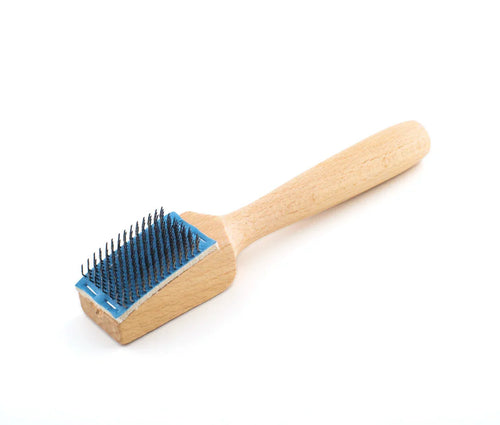
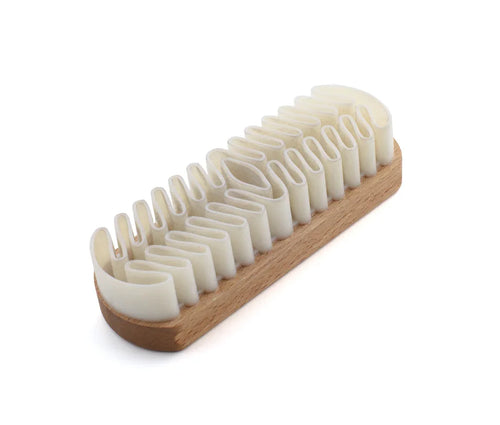
- For suede shoes, use a special suede brush to brush the fibers 'open' again after dancing, so that the material does not become smooth and shiny at pressure points.
- Weekly check the condition of the leather around the heel; due to the tension of the taconeo, the leather here can start to give way faster.
Nourishing the Material
In practice, I notice that many dancers only think about maintenance when the leather becomes dull or starts to pull. However, the leather of your shoes has to endure much more than a regular walking shoe. The constant friction and bending of the foot during metatarso (ball of the foot) strikes require the leather to remain extremely supple. Therefore, do not use cheap quick-sponges with silicone, but a high-quality leather balm or conditioner based on beeswax.
Apply the conditioner with a soft cloth and massage it into the leather with small, circular motions. Focus not only on the toe but also on the sides where the most tension is. Let the balm soak in for at least a night before you use the shoes again for your flamenco dance class. You will notice that the leather feels much more resilient, which directly affects your control over the floor. Well-maintained leather acts as a second skin; it provides support without restricting your freedom of movement, which is crucial for mastering complex rhythms.
Checking and Repairing Nails
The nails under your shoes are effectively your percussion instrument. What I often see with students who are just starting with Spanish dance is that they only look at their soles when they get a comment from the teacher about scratches on the dance floor. That is actually already too late. A well-maintained set of nails is essential for that clear, dry strike that is so characteristic of professional flamenco shoes. If one nail is loose or has a sharp edge, it not only ruins your sound, but you also risk costly damage to the wooden floor of the studio.
In practice, I recommend running your thumb over the punta (toe) and the tacón (heel) after every intensive lesson or performance. You will immediately feel if any 'burrs' have formed. These are small metal splinters that stick out because you are literally flattening the nails against the floor. A common mistake is to ignore these burrs, but they act like a cheese slicer on the wood. A simple file or a piece of fine sandpaper is often enough to smooth this out yourself.
Recognizing loose nails
How do you know if a nail is actually loose? You usually hear it before you see it. During a redoble or a fast escobilla, you will hear an impure, almost rattling overtone. The sound is no longer 'dry'. If you hear this, you must take immediate action. When you then look at the sole, you often see that a few nails protrude slightly further than the rest.
- Check the density: The nails should be so close together that there is hardly any space between them. In cheaper models, you often see larger gaps, which increases the chance of them coming loose.
- The 'tap test': Gently tap the nails with a metal object. A healthy nail produces a high, clear 'ping'. A loose nail sounds dull and vibrates afterward.
- Visual inspection: Check if the heads of the nails are still evenly distributed. If one is slanted, it can affect your balance during turns.
If you notice that the nails of your current pair are constantly coming loose, it could indicate a softer wood type in the heel or an inferior type of glue. In that case, it is often wiser to invest in quality flamenco shoes specifically designed for heavy footwork, where the nails are hammered in one by one by hand and then polished.
Repair it yourself or the cobbler?
What I often advise for small unevenness is the use of a fine metal file. Always file from the edge toward the center to avoid touching the leather of the sole. If a nail is really sticking out, you can try to tap it back very carefully with a small hammer, but do this with caution. If you hit too hard, you will split the wood of the heel or the sole, and then you'll be much worse off.
A real 'zapatero' who understands dance shoes is worth their weight in gold. In practice, I see that regular cobblers often do not have the correct short, thick nails required for flamenco. If you have the shoes resoled, make sure they not only replace the nails but also polish them completely smooth again. It should feel like one smooth metal surface. This ensures that while dancing in your flamenco clothing and footwear, you have maximum grip without 'hooking' into the floor during a turn.
Use of Vaseline and Grease
In the dance school, I often see that students only take action once their shoes start to squeak or if the leather looks dull and dry. That is actually already too late. The leather of a flamenco shoe takes a beating from constant friction, the heat of your feet, and the sweat released during an intensive lesson. If you don't compensate for this with the right greases, the leather loses its elasticity and irreparable cracks can appear at the flex points of the foot, such as at the base of the toes where the shoe bends most during the 'planta'.Vaseline for pressure points and flexibility
Vaseline is an underestimated tool in the flamenco world. In practice, I use it mainly to make stiff leather supple more quickly in places where blisters are likely to form. What I often see with new flamenco shoes is that the leather around the heel or the instep can still be very stiff in the beginning, which is not good for circulation and freedom of movement. A technique I always recommend: do you have a specific pressure point at your little toe or the knuckle of your big toe? Then smear a thin layer of Vaseline on the inside and outside of the leather at that specific spot before you start training. The heat of your foot ensures that the Vaseline penetrates deep into the fibers, making the leather conform to the anatomy of your foot faster without the fibers breaking. This is essential for the complex foot positions we use in Spanish dance.Maintenance with leather grease: the do's and don'ts
For the general maintenance of the upper, I swear by quality leather grease based on natural ingredients such as beeswax. A common mistake I see is dancers simply smearing their shoes with a quick shoe polish from a sponge. This gives a temporary shine, but it does not nourish the leather deeply. For the intensity of zapateado work, you need leather that remains resilient.- Use a soft cotton cloth to apply the grease in circular motions.
- Focus extra on the seams and the transition from the leather to the sole; this is often where the first wear begins.
- Let the grease soak in for at least a night before you use the shoes again, so it doesn't rub off on your flamenco clothing or the skirts of your fellow dancers.
- After soaking in, buff the shoes with a clean brush or cloth to remove excess grease and restore the shine.
The nails and safety during greasing
A crucial point that is often not considered: keep grease and Vaseline absolutely away from the sole and the nails. I have literally seen dancers slip in the studio during a fast turn because grease had accidentally gotten onto the metal nails of the heel or the toe. Grease on the nails ensures that you lose all grip on the wooden floor. My tip: keep a dry, clean cloth handy while greasing. Should you accidentally touch the nails, wipe it away immediately with a little alcohol or a dry cloth. Well-maintained Spanish dance shoes should shine and be supple, but the bottom must remain rough and functional for the safety of your ankles and knees.Cleaning after Spanish Dance
In the dance studio after an intensive lesson, I often see the same scene: dancers stuffing their shoes directly into a plastic bag and burying them deep in their sports bag. In practice, this is one of the fastest ways to ruin your equipment. Flamenco is physically extremely demanding, not only for you but also for your gear. The leather deals with sweat, friction, and dust from the wooden floor, while the nails in the sole absorb constant impact.
What I often see with students who are just starting is that they underestimate how much sweat gets into the lining. If you don't give your flamenco shoes a chance to air out, the salt in your perspiration eats away at the leather from the inside. This makes the material stiff and vulnerable to cracks, especially at the flex points at the ball of the foot. A common mistake is to then put the shoes near a heater to speed up the drying process. Never do this; the heat extracts the natural oils from the leather, making it irreparably hard and brittle.
Caring for leather and suede
After every class, it is essential to clean the surface of your shoes. During Spanish dance, resin (resina) often gets on your shoes, especially if the floor is slippery. If you leave this, it forms a dull, sticky layer that attracts dirt. In practice, a slightly damp, soft cloth works best for smooth leather. For suede variants, I always use a special suede brush to 'rough up' the fibers again and remove the dust before it penetrates deep into the structure.
- Immediately after dancing, wipe away the worst dust and resin residue with a soft cloth.
- For stubborn dirt on smooth leather, use a small amount of saddle soap, but be careful not to saturate the leather with water.
- Always let your shoes rest for at least 24 hours between two sessions, so the moisture can evaporate completely.
- Stuff a few sheets of unbleached paper towels or newspaper into the toes to maintain the shape and absorb moisture, but replace this regularly.
Inspecting nails and the soundboard of your shoe
The nails in the heel and the toe are the 'percussion instruments' of the dancer. What I often see with intensive use is that small burrs form on the nails or that dirt gets between the heads of the nails. This directly affects the clarity of your sound during the zapateado. A common mistake is ignoring the sole edges. Check weekly if the nails are still flat and not protruding, because a loose nail can seriously damage the dance floor.
In practice, it helps to brush off the soles after class with a stiff brush. This removes accumulated resin and wood splinters that can nestle between the nails. If you notice that the nails are becoming smooth due to a layer of caked-on dirt, you can carefully clean them with a dry wire brush or a fine piece of sandpaper. This ensures that you maintain grip and that your professional flamenco shoes continue to produce that sharp, dry sound for which the dance is known. Don't forget to inspect the inside too; a loosening insole can cause blisters and reduce the anatomical support of your arch.
Storage and Flamenco Clothing
What I often see in the dressing room after an intensive lesson is dancers hurriedly stuffing their shoes into an overcrowded bag, directly against their precious skirts. While it is tempting to go home quickly after sweating, this is the moment when most damage occurs to both your footwear and your clothing. In practice, the way you store your gear is just as decisive for its lifespan as the technique you dance with.
A common mistake is storing shoes in a plastic bag. Leather is a natural material that needs to breathe, especially after it has become damp from perspiration during a heavy alegrías or bulerías. If you lock up your flamenco shoes in plastic, the moisture cannot escape, causing the leather to suffocate, smell, and eventually even mold. Moreover, moisture affects the glue bonds of the sole and the wooden heel, which directly undermines the stability of your shoe. I always advise using cotton shoe bags; these protect against scratches but still allow air to pass through.
The impact of nails on your clothing
In Spanish dance, everything revolves around the interaction between your footwork and the movement of your skirt. What dancers often forget is that the nails in the toe and heel of the shoe can develop small burrs over time. In practice, I regularly see these sharp edges tear the delicate hem of a flamenco skirt during a vuelta or when the shoes are loose in a bag. It is a costly mistake to transport a silk or satin skirt together with unprotected shoes.
Additionally, there is the problem of black streaks. Professional flamenco clothing is often heavy and voluminous. If your shoes are not stored separately, the polished nails or the black leather can rub off on the fabric of your skirt. This is almost impossible to get out without damaging the fabric. Therefore, ensure that your shoes are always in their own bags with the soles facing away from each other before they go into the large dance bag.
Practical tips for preserving your material
To keep your material in top condition, I always use a fixed routine myself, which I also recommend to my students. It only takes you two extra minutes, but it saves you hundreds of euros in repairs or new purchases in the long run.
- Let them air out: Take your shoes out of your bag immediately when you get home. Put them in a dry place, but never near a heater. Extreme heat makes the leather brittle and can change the shape of the heel.
- Use shoe trees: Cedar shoe trees are ideal because they extract moisture and maintain the shape of the toe, which is essential for a good punta technique.
- Check the nails: Before packing, run your finger (carefully!) over the nails. Feel a sharp edge? Then use a fine metal file to work away the burr before it damages your skirt.
- Separate your gear: Use a bag with a separate shoe compartment at the bottom or use individual covers. This prevents the weight of your clothing from pressing on the shoes, which can deform the shaft of the shoe.
In practice, I see that dancers who maintain this discipline can make their shoes last up to twice as long. The leather remains supple around the instep, which supports the anatomy of your foot and helps prevent injuries. Proper storage is not a luxury; it is an essential part of your training as a flamenca.
Frequently Asked Questions
How do you treat leather hiking boots?
To treat leather hiking boots, first remove dirt with a soft brush. Then use a high-quality shoe wax or leather grease to keep the material supple and water-repellent. Always let them air dry, never near a heater. Although flamenco shoes are less exposed to mud, this basic care also helps maintain the flexibility needed for intensive footwork.
How do I maintain my Rieker shoes?
You maintain Rieker shoes by cleaning them regularly with a damp cloth and protecting them with a suitable waterproofing spray. A similar principle applies to flamenco shoes: keep the leather clean and nourished. Additionally, regularly check the nails in the sole. Proper care of your Spanish dance shoes guarantees that, just like quality leisure shoes, they remain comfortable and maintain their shape during intensive dance sessions.
How should I treat my leather shoes?
You should treat leather shoes by wiping them down after use and periodically nourishing them with a quality shoe polish or leather cream. This prevents drying and cracks in the material. For flamenco shoes, this is essential because the leather must remain supple for fast foot movements. Always use shoe trees to maintain the shape and store them in a breathable cotton bag for optimal ventilation and protection.
Is Vaseline good for leather shoes?
Vaseline can occasionally help to soften stiff leather or add shine, but it is not ideal for structural maintenance. It can clog the pores of the leather, preventing the material from breathing. For professional flamenco shoes, it is better to use specialized leather conditioners. These nourish the fibers deeply without affecting the firmness needed for the percussive sounds of Spanish dance.
How do I maintain the nails under my flamenco shoes?
The nails under the toe and heel are crucial for the sound. Regularly check if they are still securely fastened and not protruding. If nails come loose or wear out, have them professionally repaired by a specialized cobbler. Avoid walking on hard, rough surfaces like asphalt, as this dulls the nails and can seriously affect the sound quality of your flamenco footwork while dancing.
Why is it important to let flamenco shoes air out?
While practicing Spanish dance, your feet produce sweat, which is absorbed by the leather lining. If you don't let the shoes air out, the moisture can weaken the leather and cause unpleasant odors. Take them out of your bag immediately after dancing. Use cedar shoe trees to extract moisture and maintain the shape. This prevents deformation of the leather and ensures your flamenco wardrobe stays fresh.
How do I prevent the leather of my flamenco shoes from cracking?
Cracks occur when the leather becomes too dry due to intensive use and environmental factors. Prevent this by applying a thin layer of leather balm monthly, especially at the flex points near the toes. Store your shoes away from direct sunlight and radiators. Regular hydration keeps the leather resilient against the high pressure of flamenco movements, ensuring your investment in quality flamenco shoes lasts for years.
The beauty of flamenco is that your shoes are much more than just clothing; they are your instrument and your most important partner on the dance floor. What I especially want to share with you is that good maintenance not only extends the life of your shoes but also directly influences the quality of your footwork. Remember above all that supple leather moves effortlessly with you and that well-controlled nails are essential for that crystal-clear sound that we as dancers love so much. If after all the intensive practice you notice that your current pair needs replacing, don't forget to dive into our women's flamenco collection for shoes that take your passion and technique to a higher level. Your feet carry your unique story and the emotion of the music; give them the care they deserve. When your equipment is in top condition, you can completely let go of the technique and surrender yourself with pure confidence to the rhythmic power of the duende.


