Table of Contents
- Importance of Good Hip Hop Shoes
- Characteristics of Urban Dance Sneakers
- Popular Brands for Dancers
- Improving Grip and Cushioning
- Maintenance of Your Dance Shoes
- Choosing the Right Size
- Frequently Asked Questions
You're ready for that explosive power move, but right at the moment of landing, you feel your ankle buckle or your standing leg slip. The right hip hop shoes aren't just a fashion item for a dancer, but essential tools that make the difference between a sharp performance and a nasty injury. Good urban dance shoes must offer a perfect balance between grip for fast footwork combinations and enough cushioning to absorb the impact on your joints.
In the fifteen years that I've been teaching, I've seen countless students enter the studio in worn-out sneakers or running shoes with way too much tread. The latter is a classic mistake: those soles 'bite' into the dance floor, forcing your knees to absorb the rotation when you want to turn. A quality dance sneaker actually has a smoother sole at the ball of the foot and extra reinforcement around the heel for stability. Whether you choose a high-top for firm support or a lightweight model for fast footwork battles, your shoe choice determines how freely you really move. I've learned through trial and error which models truly hold up during intensive training and which fall apart after three weeks.
Importance of Good Hip Hop Shoes
Your shoes are literally your foundation in the studio. What I often see is beginner dancers stepping into class in their daily sneakers or flat gym shoes like All Stars. Although that looks cool in the locker room, you'll immediately notice in practice that you're doing yourself a disservice as soon as the music starts. A common mistake is underestimating the impact urban dance has on your joints. Hip hop is all about 'the bounce' and dancing low to the ground, where you're constantly shifting your weight. Without the right hip hop shoes, your body absorbs those blows instead of your footwear, which in the long run is guaranteed to lead to shin splints or sore knees.Cushioning and impact protection
In practice, I often see dancers struggling with explosive movements or jumps simply because their soles are too thin. In styles like New Style or Krump, you often land hard on your heels or the ball of your foot. A good sneaker for urban dance must therefore have advanced cushioning technology, often in the form of air or gel cushions in the sole. This isn't just a matter of comfort; it's pure anatomical necessity. When you perform a deep 'drop' or land after a jump, the shoe must absorb the kinetic energy. Looking at the technique of advanced dancers, you see they dare to apply much more force because they trust the suspension of their dance sneakers. This gives you the freedom to move bigger without being afraid of injuries to your ankles or back.The balance between grip and slide
Another crucial aspect is the sole structure. What I often see with standard sports shoes is that they either have too much grip (causing your knees to twist during a spin) or are far too slippery (causing you to slip during a powerful start). Good shoes for urban dance often have a so-called 'pivot point' under the ball of the foot. This is a round, smoother area in the tread that allows you to turn smoothly without friction.- Turning ability: A pivot point prevents your foot from 'catching' on the floor during fast changes of direction.
- Lateral support: The sides of the shoe must be firm enough to prevent your foot from tilting outward during slides or side-steps.
- Flexibility: The sole must be able to bend at the instep, so you have full control over your isolations and footwork.
Durability and cultural context
Besides the technical side, durability plays a huge role. Urban dance is physically demanding and asks a lot of the material. In practice, I see that cheap sneakers literally fall apart at the seams after three months of intensive use, especially at the toe due to frequent floorwork. Investing in quality urban dance shoes is therefore always more cost-effective in the long run. Moreover, the shoe has always been a statement in hip hop culture. It's about that mix of functionality and 'freshness'. A shoe that supports your ankles well — which is essential for footwork where you lean heavily on the sides of your feet — but also ensures your lines look sharp, is worth its weight in gold. When purchasing, make sure the shoe is not too heavy; a bulky shoe makes your footwork slow and sloppy, whereas you want to be able to make those fast, sharp accents in your choreography.Characteristics of Urban Dance Sneakers
In practice, I often see dancers step into the studio in their everyday sneakers that they also wear outside on the street. While that looks 'street', you notice the difference immediately as soon as we start the fast footwork. What I often see is that a sole that is too grippy creates resistance during turning movements, which ultimately puts an enormous strain on your knees and ankles. Good hip hop shoes must have a sole that is smooth enough to spin, but grippy enough not to slip during a powerful push-off for a jump.
A common mistake is choosing shoes purely based on appearance. Of course, 'swag' is important in the urban scene, but if your shins or heels hurt after an hour of class, then something is wrong with your equipment. In my classes, I always hammer on the anatomy of the landing. In styles like krump or popping, you often land hard on your heels or have to make sudden stops. Without the right cushioning, your joints absorb that blow instead of your shoe.
Sole construction and pivot points
If you look at the bottom of professional dance sneakers, you often see a circular pattern under the ball of the foot. We call this the pivot point. In practice, this is essential for techniques such as the 'six-step' in breaking or fast rotations in hip hop choreographies. Without such a specific point, your rubber sole stays stuck to the dance floor, which is disastrous for your cruciate ligaments.
- Flexibility: The sole must be flexible at the forefoot so you can easily stand on your toes for isolations, but firm enough in the middle for stability.
- Split-sole vs. Full-sole: For beginners, I often recommend a full sole for more support. Advanced dancers who do a lot of footwork often prefer a split-sole for maximum freedom of movement of the instep.
- Material use: Leather or suede molds to your foot, while mesh provides ventilation. Nothing is more annoying than overheated feet during an intensive battle.
Support and weight
What I often see with dancers who switch to real urban dance shoes, is the surprise about the weight. A normal lifestyle sneaker is often heavy and clunky. In practice, you want a shoe that feels like an extension of your leg. If your legs get heavy at the end of a workout, every gram counts. A light shoe helps you maintain your explosiveness during jumps and fast kicks.
Additionally, ankle support is a point of discussion. Some dancers swear by high-tops for the extra firmness around the ankle joint, especially useful if you have weak ankles or do a lot of 'floorwork' where you land sideways on your feet. Others choose low-tops for maximum mobility. My advice is always: look at the style you dance most. For house dance, where your ankles are constantly in motion and you 'groove' a lot from your lower legs, a flexible, lower shoe is often more pleasant. For a more 'stomp' oriented style, a sturdier shoe with extra heel cushioning is a must to prevent injuries like heel spurs.
Popular Brands for Dancers
When you step into a dance studio, you immediately see that not every sneaker is equal. In practice, I often see beginner dancers simply pull their oldest pair of gym shoes out of the closet, but after a few intensive lessons, they find that their knees or ankles start to protest. The choice of the right brand is not just a matter of style, but primarily of biomechanics and how the sole reacts to the dance floor. What I often see is that Nike remains the absolute favorite in the urban scene. Especially the Air Force 1 and the Nike Dunk are iconic, but there's a catch. Although these hip hop shoes look great during a music video, they are sometimes on the heavy side for fast footwork combinations. The thick sole of an Air Force 1 offers excellent cushioning for jumps and landings, but you lose a bit of 'floor feel'. For choreographies with many spins, however, the circular pivot point under the ball of the foot on Nikes is unbeatable; it ensures you turn without unnecessarily straining your meniscus.The balance between grip and slide
A common mistake is choosing shoes with too much grip, such as trail runners or technical running shoes. In practice, for urban dance, you actually need a sole that allows for a controlled 'slide'. Brands like Puma, and specifically the classic Puma Suede, have been popular in breakdance and hip hop culture for decades for this reason. The sole is flatter and more flexible than that of most modern sneakers, which is essential for toprock and footwork where you stay low to the ground. The suede upper is also extremely durable; an important detail if you regularly drag the side of your foot across the floor during transitions. If you notice your current sneakers are too grippy on a wooden studio floor, it can lead to nasty ankle injuries. Good urban dance shoes should allow you to slide without losing control. Brands like Reebok (with the Classic Leather) offer a nice middle ground here: they are lightweight, have a slim silhouette so your feet look less clunky in fast footwork sections, and the rubber sole doesn't wear down too quickly when used on concrete or rougher outdoor surfaces.Specialist dance sneakers versus streetwear
Besides the big sports brands, in recent years I've seen a shift towards specialist brands that focus purely on dancers, such as Fuegos or the more traditional brands like Rumpf and Bloch. What these brands do well is integrating a 'split sole' or extremely light materials. In my classes, I often recommend looking at dance sneakers specifically designed with a hybrid sole. These shoes look like normal streetwear, but the sole is technically adapted to leave no marks and provide exactly the right amount of friction for spins. A technical detail I always hammer on with my students is the heel counter. A brand like Adidas (think of the Superstar or the Gazelle) has a sturdy heel that keeps your heel bone well in place during powerful jumps. If the back of your shoe is too flimsy, your foot will slide inside the shoe, causing blisters and disturbing your balance during landings. In practice, you choose a brand that fits your specific dance style: Nike for impact and style, Puma or Reebok for refined footwork, and specialist brands if you're really looking for that extra technical support for your joints.Improving Grip and Cushioning
In the years I've been in the dance studio, I've seen countless dancers struggle with their footwork simply because their shoes weren't cooperating. What I often see is beginners stepping into class with their daily sneakers. While those look cool, they are often a recipe for injury. In practice, urban dance is all about the balance between grip and slide. If you have too much grip, like with a standard running shoe with a coarse tread, your feet stay stuck to the floor while your body wants to turn. This is a common mistake that puts direct pressure on your knee ligaments and ankles, especially during fast direction changes in styles like House or New Style.
The art of the right sole
A good sole for hip hop shoes should have a so-called 'pivot point'. This is a smoother, round part under the ball of the foot. I always explain to my students that this is your 'turntable'. When you initiate a 360-spin or perform a fast toprock, this point ensures your foot moves along without resistance. At the same time, you do need grip on the edges of the sole for those explosive 'power moves' or to land firmly after a jump. When I see dancers sliding during a freeze, I often already know their soles are worn out or they're wearing shoes made for a completely different purpose.
- Cleaning is key: In practice, I see that soles quickly become slippery due to dust in the studio. A simple trick: clean your soles before class with a damp cloth. You'll immediately notice you have more control over your slides.
- Sole material: Choose non-marking rubber. This gives the most consistent feedback from the floor, whether you're dancing on marley, wood, or concrete.
- Flexibility: A stiff sole hinders your 'roll-off'. You must be able to roll your foot completely from heel to toe for that fluid urban flow.
Cushioning as a shock absorber for your body
Besides grip, cushioning is essential, and I'm not just talking about comfort. In urban dance, your joints, and specifically your meniscus and lower back, take heavy hits. Think of deep drops or powerful jumps where you land with your full weight. What I often notice with dancers who dance in very flat, thin sneakers (like classic canvas gym shoes) is that they get pain in their shins after an hour of class. That's often the start of shin splints, an injury you really want to avoid.
Good dance sneakers use advanced materials such as EVA foam or air cushions in the heel. These materials absorb the impact before the shockwave reaches your knees. In practice, I recommend dancers who jump a lot or do Krump to look for shoes with extra heel cushioning. However, if you're more focused on footwork and floorwork, the cushioning can be slightly more subtle so you can still feel what you're doing. A sole that is too thick can cause you to lose contact with the floor, making your balance uncertain again.
If you find that your current shoes are still fine in terms of grip but the cushioning is starting to fade, consider investing in separate insoles with gel pads. This is a quick fix I often apply to my own urban dance shoes to extend their lifespan a bit. Just make sure your foot doesn't sit too high in the shoe, because a good heel closure is crucial to prevent you from slipping out of your shoe during a sharp movement.
Maintenance of Your Dance Shoes
You've finally found the perfect kicks that not only complete your outfit but also provide that necessary cushioning for your jumps. What I often see in practice is that dancers stuff their shoes directly into a closed sports bag after an intensive session and leave them there until the next training. That's the fastest way to halve the lifespan of your hip hop shoes. Sweat soaks into the materials, affects the glue bonds, and makes the cushioning feel 'dead' faster. If you're serious about your footwork, you must also be serious about maintenance.
The "Indoors Only" Rule
A common mistake I see beginners make is putting their dance sneakers on at home and walking to the studio on the street. In practice, you're bringing invisible dirt, sand, and grease onto the dance floor. Sand acts like sandpaper on the soles of your dance sneakers, causing the tread — and therefore your grip — to wear out rapidly. Moreover, you make the studio floor slippery for your fellow dancers. My advice is simple: only put your shoes on in the locker room. This not only protects the sole but also ensures the lateral stability of the shoe is maintained longer because you're not stressing them on uneven sidewalks.
- Use a separate shoe bag with ventilation holes to transport them.
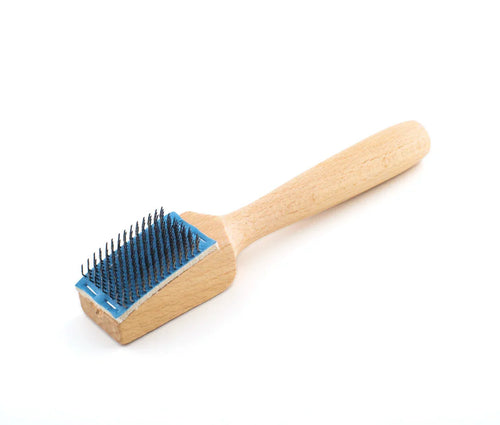
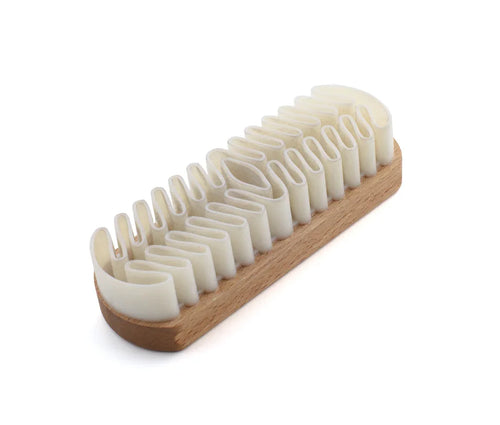
- Brush the soles after each session with a soft brush to remove hall dust.
- Regularly check the pivot point on the sole for wear; this is crucial for your knee health during turns.
Ventilation and Moisture Regulation
Urban dance is physically demanding and your feet produce a lot of heat and moisture. If that moisture stays in the foam layers of the sole, the material loses its resilience. What I often recommend is taking your insoles out immediately after class. This allows air to circulate right into the toe of the shoe. Never throw your shoes in the washing machine; the heat and water affect the cushioning properties of the midsole, meaning you'll be dancing on "boards" after a few washes.
Instead of aggressive cleaning agents, you're better off using a damp cloth with a mild soap solution for the outside of your urban dance shoes. For the smell, cedar wood blocks or special odor eaters that absorb moisture work much better than sprays, which often only mask the smell but don't address the problem (bacterial growth due to moisture).
Deep Cleaning and Sole Preservation
If you notice you're losing grip on a wooden floor, it's often due to a buildup of skin oils and hall dust under the sole. A trick I often use is carefully wiping the rubber sole with a little bit of natural vinegar on a cloth. This degreases the rubber without drying it out, giving you back that 'squeaky' grip you need for sharp stops and isolations. When drying, make sure never to place them near a radiator; the heat makes the leather and plastics brittle, causing them to crack faster at the flex points of your toes during floorwork.
By spending five minutes a week on this maintenance, you'll notice the responsiveness of your shoe remains constant much longer. Your feet and your wallet will thank you.
Choosing the Right Size
In practice, I often see dancers ordering their shoes online based on their normal 'casual' size, but with urban dance, that often turns out wrong. A sneaker you can walk in perfectly fine can cause blisters or even injuries during an intensive session with many spins and jumps. What I often see is dancers leaving too much space at the toes because they think this is more comfortable for deep lunges and bounces. Nothing could be further from the truth: if your foot starts to slide inside your hip hop shoes, you lose control over your footwork and your ankle has to work harder to compensate for the instability. A common mistake when fitting is that dancers only pay attention to the length of the sole. In urban dance, lateral stability is at least as important. Think of moves like 'shuffles' or fast direction changes in a choreography; if your shoe is too wide, your foot collapses inward or outward during a powerful push-off. I always advise my students to put the shoe on with the socks they also wear while dancing. Usually, these are slightly thicker sports socks that absorb sweat and provide extra cushioning, which directly influences how the shoe fits around your foot.The Thumb Rule and Toe Space
When fitting, you should leave about half to a full thumb's width of space between your longest toe and the tip of the shoe. Why? Because your feet get warm and expand slightly during an hour of intensive training due to the constant impact on the floor. If you choose dance sneakers that are too tight, you'll find that after half an hour you'll suffer from pinching toes, which significantly hinders your technique in, for example, floorwork or fast 'slides'. Always test this by bouncing firmly on your forefoot; your toes should just not touch the front, but your foot shouldn't shoot forward either.Heel Fixation and Closure
A crucial point that is often overlooked is the heel. In the studio, I often have dancers do a simple test: stand on your toes and try to make a few small jumps. If your heel slips out of the shoe or 'swims', the shoe is too big or the heel counter is too wide for your foot. This slipping not only causes blisters but also increases the chance of a sprained ankle because you don't have a stable base. Good urban dance shoes should fit like a firm shell around your heel and instep, while your toes still have the freedom to spread for balance. Here are a few practical matters I always look for when fitting a new pair:- Always fit your shoes at the end of the afternoon or after a workout, because your feet are at their largest then due to blood circulation.
- Pay attention to the width of the 'toe box'; you should be able to wiggle your toes for grip, but your forefoot should not slide sideways during a 'side step'.
- Always loosen the laces completely before putting the shoe on and relace them from bottom to top for even pressure distribution across the instep.
- Check if the sole is flexible enough at the ball of the foot by bending the shoe in your hands; a shoe that is too stiff in the wrong size forces your foot into an unnatural position during 'popping' or 'locking'.
Frequently Asked Questions
What makes a sneaker truly suitable for hip hop dancing?
A good hip hop shoe must offer a perfect balance between grip and freedom of movement. You need enough grip for powerful stops, but the sole shouldn't be too sticky for turns. Additionally, shock absorption is essential to protect your joints during jumps and explosive moves common in urban dance styles. Therefore, always choose quality.
Should I choose high or low urban dance shoes?
This depends heavily on your personal preference and dance style. High-top sneakers offer extra stability and ankle support, which is nice during intensive footwork and jumps. Low models give your ankle more freedom of movement for complex footwork combinations. Many hip hop dancers alternate between both models depending on the specific choreography to deliver the very best performance on the floor.
Can I use my regular sneakers as dance sneakers in the hall?
Although many hip hop shoes look like normal sneakers, it's better to have a separate pair for indoors. Outdoor shoes bring dirt and sand onto the dance floor, which can cause slipperiness or damage the floor. Moreover, the soles of specific dance sneakers wear out less quickly if you use them exclusively on a clean indoor floor during your training.
Why are flexibility and weight so important in hip hop shoes?
In urban dance, you make many fast, athletic movements where heavy shoes can slow you down. Lightweight materials ensure your feet get tired less quickly during a long training session. A flexible sole is also crucial for being able to roll your foot properly and performing isolations where precision in your footwork is required for a sharp execution.
How tight should my urban dance shoes actually fit for the best results?
Your shoes should fit snugly without pinching your toes. There can be a little bit of space at the front, but your heel absolutely must not slip while dancing. A good fit prevents blisters and annoying injuries. Don't forget that your feet can expand slightly during dancing due to heat and increased blood circulation during an intensive session.
How do I ensure my dance sneakers last as long as possible?
Good maintenance starts with airing your shoes after every dance session to remove moisture and odors. Optionally, use a moisture-regulating spray. Regularly clean the soles with a damp cloth so the grip remains optimal on the floor. Avoid washing in the washing machine, as this can unfortunately permanently damage the cushioning and glue bonds of your shoes.
Which brands are usually recommended for beginner hip hop dancers?
For beginners, well-known brands such as Nike, Adidas, and Puma are often a safe choice due to their extensive experience with sports technology. Models like the Air Force 1 or the Superstar are iconic within the urban dance scene. Pay particular attention to the cushioning in the heel and the sturdiness of the upper, so that as a starter you immediately experience the right support and stability.
The beautiful thing about hip hop is that your personal style and technical performance never have to be separate. What I especially want to give you is that the right shoe not only completes your urban outfit but also gives you the physical freedom to perform those complex power moves with full confidence. Remember above all that good cushioning is essential to protect your joints during every landing, while a sole with the right balance between grip and slide allows you to turn effortlessly without friction. If you want to work seriously on your footwork, it pays to invest in specialized hip hop shoes specifically designed for the intensity of the street and the studio. Your feet are your most important instrument; give them the support they deserve. Ultimately, urban dance is about pure expression and finding your own unique flow. Once you've found those perfect dance sneakers, you'll truly feel the connection with the floor. Let the music guide you and trust your foundation.