

Table of Contents
- What are jazz shoes?
- Jazz versus modern dance
- Different types of jazz shoes
- Choosing the fit
- Clothing for dance class
- Maintaining your shoes
- Frequently Asked Questions
Are you standing in the studio and noticing that your pirouettes end in a slide, or that you stick to the floor during a fast cross-floor? The right jazz shoes form the essential connection between your technique and the dance floor, ranging from supple leather slip-ons to sturdier lace-up shoes with a split sole. In the years I have been teaching jazz dance, I have seen countless students struggle with blisters or aching arches, simply because their footwear didn't match their specific movement style.
Whether you choose the minimalist look of modern jazz or the clean lines of a classic Broadway style, the choice between a suede or rubber sole makes a world of difference for your turning radius. I always advise my dancers to look critically at the flexibility of the instep; a good shoe should feel like a second skin without cutting off circulation. In this guide, I share my practical experience on which models truly stand the test of time and how you find the perfect fit, so your feet get the support they deserve during every jump and isolation. We look at materials, sole types, and the nuances that determine whether a shoe improves your technique or gets in the way.
What are jazz shoes?
When you step into a dance studio for a jazz dance class for the first time, you notice it immediately: the shoes look different from the sneakers you wear on the street or the pointe shoes you see in classical ballet. Jazz shoes are specifically designed to give the foot maximum flexibility while simultaneously offering the necessary protection to the ball of the foot and the heel. In practice, I often see people underestimate the importance of the right shoe, but the reality is that your technique stands or falls with what you have on your feet.
Basically, a jazz shoe is a snug-fitting, lightweight shoe with a thin sole. What makes these shoes unique is the combination of grip and glide. You need to be able to turn smoothly (pirouettes) without straining your knees due to too much resistance, but you also don't want to slip during a powerful jump or a fast diagonal movement. Most jazz shoes are made of supple leather or canvas, materials that over time will completely mold to the shape of your foot.
The anatomy: Split-sole versus Full-sole
A crucial technical detail I always point out to students is the difference in sole construction. In the past, you saw the 'full-sole' much more often, where the sole consisted of one continuous piece of rubber or suede. Nowadays, the 'split-sole' is the standard in most modern jazz classes. With a split-sole, there is no sole under the arch of the foot. This is essential for the anatomy of the dancing foot; it allows you to fully 'point' your foot (stretching the instep and toes) without a stiff sole working against it.
A common mistake I see in beginners is that they buy their shoes a size too big "for growth" or for comfort. However, with good jazz dance shoes, the fit should feel like a second skin, almost like a sturdy sock. If there is space left at the toes, you lose control over your footwork and cannot 'push' off the floor properly during jumps.
Functionality in practice
Why do we choose jazz shoes instead of bare feet or socks? In the world of modern jazz, we make a lot of use of floorwork and fast weight transfers.
- Protection of the metatarsals: The thin rubber sole under the ball of the foot absorbs the initial shocks during landings and prevents the skin from burning during fast turns on the floor.
- Heel support: Most models have a small, raised heel (often made of EVA material). This helps in maintaining correct posture and relieves the Achilles tendon, something that in practice prevents many injuries during intensive training.
- Line alignment: Aesthetically, these shoes lengthen the line of the leg. A black or skin-colored shoe that fits perfectly ensures that the movements of the foot are clearly visible to the teacher, which is essential for correcting your technique.
Whether you choose a model with laces (the classic 'jazz oxford') or a slip-on model with elastic, the goal remains the same: to provide support without restricting the natural freedom of movement of the foot. If you are serious about your training, invest in quality jazz shoes for women specifically developed for the intensity of the dance floor. A good shoe not only helps you dance better but also protects your joints in the long term.
Jazz versus modern dance
In the dance studio, I often notice that the line between jazz and modern dance blurs for many students, especially now that the hybrid style 'modern jazz' has become the standard in many classes. Yet there is a fundamental difference in the way you use your feet and how you make contact with the floor. Where jazz dance is about energy, sharp isolations, and rhythmic syncopation, modern dance focuses more on weight transfer, breathing, and the use of gravity. This has direct consequences for the shoes you choose. What I often see in practice is that dancers who do purely classical jazz benefit from a shoe that accentuates the arch and supports fast footwork combinations such as ball changes and kicks. In an energetic class where you turn a lot, jazz shoes with a suede or rubber split-sole are indispensable. The split-sole ensures you can fully articulate your foot and create a beautiful 'point,' which is essential for that typical jazz aesthetic. A common mistake is wearing shoes that are too stiff, causing you to lose control over your small foot muscles and making your movements look less sharp.The technical transition to modern jazz
In modern dance, you often see dancers dancing barefoot or choosing 'footundeez' to maintain maximum contact with the floor. However, with modern jazz, it's different. Here you combine the fluid floor movements of modern with the technical turns of jazz. If you roll over the instep a lot or perform slides on your knees, you need a shoe that offers protection without hindering you. In practice, I often recommend supple, leather jazz shoes without laces for this style. The leather molds over time like a second skin around your foot, which is crucial when transitioning from a standing position to a 'floorwork' section. A specific point of attention when choosing between jazz and modern technique is friction. Modern dance floors (often marley or vinyl) can be stiff. If you try to turn on your bare heel, your ankles risk injury due to excessive resistance. A good jazz shoe handles this. When fitting, pay special attention to the fit at the heel; if the shoe slips during a plié, you lose the stability needed for the explosive jumps so characteristic of jazz.- Jazz focus: Emphasis on the ball of the foot, fast weight shifts, and sharp lines. Requires a shoe with good grip and flexibility.
- Modern focus: Use of the entire foot, lots of floor work, and release techniques. Often danced in socks, bare feet, or very minimalist shoes.
- Modern Jazz mix: The middle ground where protection of the foot and the ability to turn are central.
Different types of jazz shoes
In the dance studio, I often see students starting with the wrong soles, which unnecessarily hinders their technique. The choice of your footwear depends entirely on the specific discipline you practice. For a sleek **modern jazz** choreography, you need a completely different type of grip and flexibility than when you spend hours practicing technical isolations. It is a common misconception that one pair of standard shoes is suitable for every form of **jazz dance**. In practice, I see that the right shoe makes the difference between an unstable pirouette and a perfect landing.Split-sole versus the full sole
A common mistake for beginners is purchasing a shoe with a full sole, simply because it feels more stable under the arch at first. However, this significantly limits the anatomical freedom of the foot. Most advanced dancers prefer split-sole jazz shoes. In this design, the rubber sole is interrupted under the arch of the foot, allowing you to 'point' the foot much more powerfully. This is essential for aesthetics; you want to create that sharp, continuous line from your lower leg down to your toes without the resistance of a stiff sole working against it. Moreover, a split-sole forces you to use the intrinsic foot muscles more actively, which ensures better balance and jumping power in the long run.Materials and their impact on your technique
What I often see in class is that dancers underestimate how much a leather shoe still stretches. Leather is a natural product that, over time, molds like a second skin around the contours of your metatarsals. If you choose these classic women's jazz shoes, I often advise having them fit almost 'uncomfortably' tight at the time of purchase. After two or three classes, they stretch just enough for a perfect fit. Canvas, on the other hand, is an excellent option for dancers who suffer from hot feet because the material breathes much better. The disadvantage of canvas, however, is that it wears out faster, especially during intensive floor work where the top of the shoe rubs against the floor during a slide or roll.Jazz sneakers and slip-on models
For commercial styles or classes that are closer to street dance, I see jazz sneakers appearing more and more often. These offer significantly more cushioning at the heel, which is crucial for absorbing the impact on joints during explosive jump combinations on a hard floor. When choosing your material, pay attention to the following practical points:- Ensure the toe of the shoe is flat enough to provide a stable platform during a relevé.
- Check if the heel counter is firm enough; a slipping heel is the biggest cause of instability during fast ball changes.
- Choose laces if you have a narrow instep for extra compression, or go for a slip-on model if you need to be able to change quickly during a performance.
Choosing the fit
In the years I have been teaching, I have seen countless students walk into the studio with shoes that were simply too big. A common mistake is that dancers buy their jazz shoes like they buy their sneakers: with a little extra space at the toes for "comfort". In jazz dance, however, that is a recipe for injuries and sloppy footwork. A jazz shoe should feel like a second skin, not a piece of clothing.
When you try on a shoe, it should completely enclose your foot without creating folds under the arch or at the heel. In practice, I often see that if a shoe is too loose, the fabric starts to 'bag' as soon as you point your foot. This not only looks less sharp during a jump or extension, but it also hinders your grip on the floor. You want the sole of the shoe to follow the exact contours of your metatarsals, so you have maximum control over your take-off and landing.
Leather versus canvas: Stretchability
The material of your shoe plays a crucial role in determining the right size. What I often see is that dancers forget that leather jazz dance shoes stretch considerably over time. Leather molds to the heat and shape of your foot. If you buy them 'just right' in the store, they will likely be too big after three months of intensive training. My advice is always: they should be almost uncomfortably tight when trying them on for the first time, as long as your toes can lie flat and are not painfully curled.
- Leather shoes: Choose a fit that is very snug; the leather will work and become more supple through sweat and movement.
- Canvas shoes: These hardly stretch at all. The size you fit is the size you keep, so make sure they fit well immediately without pinching.
- Split-sole versus full sole: For advanced techniques and modern jazz, we often recommend a split-sole. Make sure the elastic middle piece sits tight against your instep for that desired 'arch' line.
The practical test in the studio
Don't just sit on a bench to try on the shoes. To really know if the fit is right, you have to move as you would in class. I always have my students perform a few specific tests during fitting:
Start with a deep plié. The heel of the shoe must not slide down or 'slip'. If this happens, the shoe is too big or the heel counter is not deep enough for your anatomy. Then come to relevé (on the ball of the foot). Do you feel the fabric bunching under your toes? Then you have too much room in the toe. With a good fit, the sole remains flat against the bottom of your foot, regardless of whether your foot is flexed or pointed.
Don't forget that a shoe that is too loose can shift during fast turns or pirouettes. This causes friction, which in turn leads to blisters on the ball of your foot. Moreover, you lose stability in your ankles if your foot can shift inside the shoe. Do you have a very narrow foot? Then look for models with laces so you can pull the instep tighter. For dancers with a high instep, slip-on models with elastic inserts are often more comfortable because they move with the anatomical curve of the foot without pinching.
Clothing for dance class
In the dance studio, I often see students struggling with their freedom of movement simply because the clothing choice does not align with the technical requirements of the class. In practice, jazz dance is a discipline that requires a close balance between comfort and visibility. As a teacher, I need to be able to see the alignment of your knees over your toes during a plié, and the extension of your ankles during a tendu. When you arrive in oversized sweatpants, these anatomical details are lost, which not only hinders your technique but also increases the chance of injuries.
Functionality over fashion
A common mistake I see in class is wearing clothing that causes too much friction or is too slippery. In **modern jazz**, we make a lot of use of floor work. If you then wear shorts, you quickly notice that your skin reacts roughly to the dance floor, which can cause painful 'floor burns'. A tight legging made of breathable material is therefore often the best choice. It protects your legs during slides and ensures your muscles stay warm between exercises.
Regarding footwear: I always advise investing in a pair of good jazz shoes with a split sole. Why a split sole? Unlike a full sole, a split sole gives you the freedom to fully point your foot and accentuate the arch of your foot. This is essential for that typical jazz aesthetic where the line of the leg is visually extended to the tips of the toes. In practice, I see that dancers on quality women's jazz shoes have much more control over their weight transfer during fast isolations and jumps.
Layers and anatomical support
Building your outfit in layers is a smart strategy. During the warm-up, you want to keep your joints and muscles, especially your ankles and lower back, well-warmed. A snug jacket or a cross-over vest works perfectly. Once we move to the technical part in the middle of the room, the top layer comes off. What's underneath must provide support without restricting your breathing. For women, a sturdy sports bra is crucial, as jazz dance contains many explosive jumps and fast direction changes.
- Fitted top or bodysuit: Ensures the teacher can correct your ribcage and shoulder placement.
- Leggings or jazz pants: Choose a model that doesn't slip down during a grand battement (high leg swing).
- Footwear with grip: A specific jazz shoe offers just the right amount of friction to turn without slipping.
- Hair out of the face: A tight ponytail or bun is not just tradition; it is necessary for 'spotting' during pirouettes, so you don't get disoriented by flying hair.
Also, don't forget that the culture of jazz dance is closely linked to lines. Think of the influence of choreographers like Bob Fosse; everything revolves around the angles of the body. By choosing black or dark clothing, you create a silhouette in which every movement is sharply defined against the background of the studio. This not only helps you correct yourself better in the mirror, but it also gives you the right mindset to fully embrace the powerful and dynamic energy of the class.
Maintaining your shoes
You've finally found the perfect pair that gives your feet the right support during a fast pirouette or a powerful jump. In practice, however, I often see that dancers forget that their shoes are an essential extension of their most important instrument: their body. Good maintenance not only extends the life of your material but also ensures constant grip and safety on the dance floor. Whether you are training for an intensive choreography in **jazz dance** or taking a modern jazz class weekly, your shoes take a lot of punishment from sweat, friction, and constant contact with different floor types.Air out and dry after class
A common mistake I see almost weekly in the studio is that dancers leave their damp shoes at the bottom of a closed bag after class until the next training. The moisture from perspiration then sinks deep into the leather or canvas, making the material stiff and eventually causing it to tear. What I always advise my students: take your shoes out of your bag as soon as you get home. Let them air dry, but avoid the temptation to put them on the radiator. The intense heat of a radiator completely dries out the natural oils in leather jazz shoes, making the leather brittle and causing it to lose its necessary flexibility. You need that very suppleness to be able to roll through your foot anatomically correctly and make a beautiful 'point'.Optimizing the sole and grip
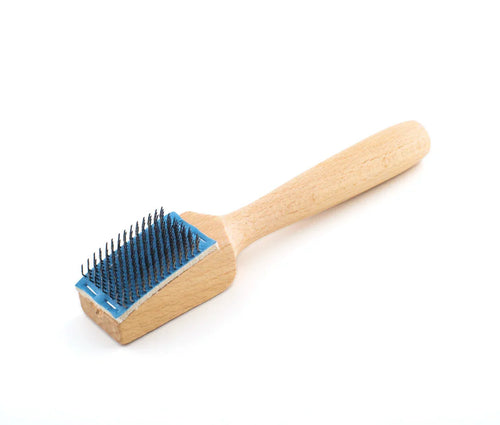
Most jazz shoes are equipped with a suede sole or a combination of rubber and suede. In practice, I notice that suede soles become 'polished' over time by absorbing dust and floor wax from the dance floor. As a result, they become slippery as a mirror, which can be dangerous during explosive movements or landings.- Use a special steel shoe brush to gently roughen the suede sole again.
- Always brush in one direction, from the center to the outside, to open up the fibers again without damaging the material.
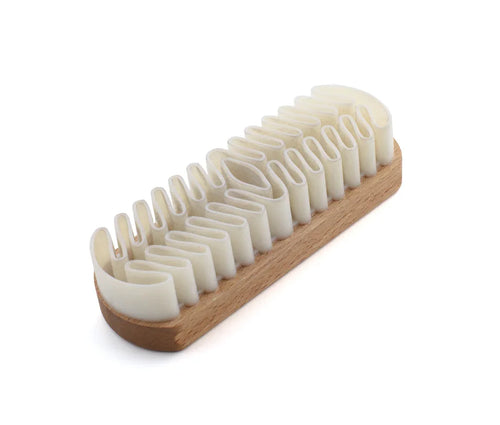
- For the rubber sole parts, which you often see in split-sole models, a slightly damp cloth is usually sufficient to remove accumulated dirt and restore the natural friction.
- Never get the inside soaking wet; this affects the glue bonds of the sole.
Hygiene and shape retention
Because jazz shoes are often worn with bare feet or very thin dance tights, the build-up of bacteria is a real point of concern. A practical tip I often share: use cedar shoe trees or simply put some unprinted newspaper in the toes after a heavy workout. This not only absorbs the remaining moisture but also helps to maintain the specific shape of the shoe. This is especially important at the arch, where the split-sole construction tends to collapse if the material remains damp. What I often see is that dancers continue for too long on shoes where the insole has collapsed. If you notice that the cushioning under the ball of your foot is becoming thin or if you start to feel the floor too directly when landing jumps, then the technical support of the shoe is exhausted. At that point, it is better for your joints to switch to a new pair, so you prevent injuries due to fatigue in the foot muscles.Frequently Asked Questions
What shoes do you wear for jazz dance?
For jazz dance, you wear specific jazz shoes that offer optimal flexibility and grip on the dance floor. Usually, these are supple leather or canvas shoes with a split sole, allowing you to fully stretch your foot. The sole is often made of suede or rubber to turn in a controlled manner without slipping. Some dancers prefer jazz sneakers for extra cushioning.
What is the difference between jazz and modern dance?
Jazz dance is energetic and rhythmic, often performed to pop music with technical elements such as isolations and fast footwork. Modern dance, on the other hand, focuses more on fluid movements, floor work, and the expression of emotions. While jazz dancers usually wear jazz shoes for grip and speed, modern dancers often dance barefoot or with special foot protectors to maintain optimal contact with the floor during gliding.
What do you wear to a jazz dance class for adults?
For a jazz dance class for adults, choose comfortable, form-fitting sportswear in which you can move freely. Think of leggings, a tight T-shirt, or a tank top. This clothing helps the teacher to properly correct your posture and technique during exercises. On your feet, you preferably wear black or beige jazz shoes. Don't forget to bring a bottle of water.
What shoes do you need for jazz?
For jazz, you need special jazz shoes that fit snugly around your foot like a second skin. You can choose between models with laces or convenient slip-ons. A split sole is essential for maximum flexibility while dancing. Depending on the floor and your personal preference, you choose a suede sole for smooth turning or a rubber sole for extra grip during powerful movements.
What are the benefits of jazz shoes with a split sole?
Jazz shoes with a split sole have an interrupted sole under the arch of the foot, which provides maximum flexibility. This allows dancers to fully stretch and point their feet, accentuating the line of the movement. It makes complex choreographies and jumps easier to perform. For both beginners and advanced dancers, the split sole is the standard choice because it optimally supports natural foot movement.
Should I buy jazz shoes with laces or slip-ons?
The choice between laces and slip-ons depends on your personal preference. Jazz shoes with laces offer a firm, adjustable fit that stays in place very well during intensive classes. Slip-ons, however, are very popular because they can be put on and taken off quickly and provide a sleek, streamlined look without loose laces. Both variants offer the necessary flexibility and support for modern jazz and classical styles.
How do I choose the right size jazz shoes?
Jazz shoes should fit tightly around your foot without your toes being pinched. Because leather often stretches as you wear them more often, many dancers choose a size that fits very snugly. Note that different brands, such as Bloch or Capezio, use their own size charts that may deviate from regular shoe sizes. Preferably try them on with the socks you also wear during class.
How do I maintain my jazz shoes for a longer lifespan?
To keep your jazz shoes in top condition, it is important to let them air out well outside your gym bag after each class. For leather shoes, occasionally use a slightly damp cloth to remove dirt. Clean suede soles with a special brush to maintain grip. Wear your jazz shoes exclusively indoors on a professional dance floor to prevent wear from rough surfaces outside.
The beauty of jazz dance is the endless freedom of movement, from sharp technical lines to the raw emotion of modern jazz. What I especially want to tell you is that your shoes are your greatest ally on the dance floor. Whether you choose the flexibility of a split-sole for maximum foot extension or the stability of a classic jazz shoe, it's about you feeling free to perform every turn and jump with full conviction. Remember above all that the right support not only improves your technique but also gives you the necessary confidence to truly shine during your training or performance.
Are you ready to take your performance to the next level and treat your feet to the best materials? Check out our women's jazz collection and find the pair that seamlessly fits your unique dance style and foot shape. Your feet carry you through every challenging choreography; give them the quality they deserve so you can fully immerse yourself in the rhythm of the music. Let your passion run wild and trust your equipment, so that every movement you make becomes a powerful and fluid statement.


