

Teaching as a Dance Instructor: Which Shoes Do You Choose for Optimal Comfort and Performance?
The best shoes for a dance instructor who is going to teach for many hours daily are specialized dance sneakers with a split sole for maximum flexibility or ergonomic 'teaching shoes' with a raised heel for extra support of the Achilles tendon. For the question of which shoes are most suitable, it is essential to look for models with superior shock absorption and lateral stability to prevent injuries to the knees and back. By investing in professional footwear from our best selling collection, you maintain the necessary grip on the floor while your feet tire less quickly during a long workday in the studio.
As an experienced dance instructor, I know better than anyone that your body is your most precious possession. You're not just dancing recreationally for an hour; you're often busy from early morning until late at night. You demonstrate complex combinations, correct students, walk around constantly, and sometimes stand still on a hard floor for hours to explain techniques. This requires a specific type of footwear that differs significantly from the shoes you would wear as a student. In this extensive article, we dive deep into the world of professional dance footwear. Although we focus here on general classes such as jazz, modern, and urban, you can find more information for specific disciplines in our Special Dance Styles: Flamenco, Tap, and Pole Dance Guide.
Table of Contents
- The Anatomy of the Perfect Instructor Shoe: What to Look For?
- Dance Sneakers: The Workhorses for the Modern Dance Instructor
- The Elegance of Teaching Shoes: Comfort for the Whole Day
- Injury Prevention and Ergonomics: Why the Right Sole Is Crucial
- The Role of the Dance Floor: Grip versus Glide
- Maintenance and Lifespan: When Should You Replace Shoes?
- Frequently Asked Questions about Shoes for Dance Instructors
The Anatomy of the Perfect Instructor Shoe: What to Look For?
When you start teaching as a dance instructor, your shoe must meet different requirements than those of a performing dancer. Where a dancer on stage often chooses aesthetics and a 'clean line', you as a teacher must prioritize durability and support. The question "which shoes do I need?" begins with understanding the technical aspects of the shoe.
Firstly, the sole is of crucial importance. We distinguish between the 'full sole' and the 'split sole'. For an instructor, the split sole offers the advantage of being able to fully articulate your foot while demonstrating footwork, while the arch of the foot remains supported by the construction of the shoe. The materials must be breathable; think of a combination of leather and high-tech mesh. During an eight-hour workday, your feet produce a lot of heat and moisture. Good ventilation prevents not only unpleasant odors but also fungal infections and blisters.
Another important aspect is the 'pivot point' under the ball of the foot. As a dance instructor, you make countless turns and transitions. Without a good pivot point, too much torsion is placed on your knees, which in the long term can lead to meniscus problems. The heel must be provided with extra cushioning, often in the form of an air cushion or specialized foam, to absorb the impact of jumps. In our new collection, we increasingly see these technologies from the running world being integrated into dance shoes.
Dance Sneakers: The Workhorses for the Modern Dance Instructor
For most forms of teaching, from hip hop to jazz dance and even for accompanying warm-ups in classical ballet, the dance sneaker is the absolute favorite. Brands like Capezio have put decades of research into perfecting these shoes. Why are these so popular among professionals?
The dance sneaker offers the perfect balance between the flexibility of a dance shoe and the sturdiness of a sports shoe. For a dance instructor who has to stand a lot, the thicker sole provides the necessary relief for the heel and the forefoot. Which shoes you choose, make sure they are lightweight. Every extra gram you wear on your feet all day translates into tired legs at the end of the day.
A specific model we often recommend is the sneaker with a raised heel counter. This offers extra stability for the ankles, which is essential when you get tired at the end of a long teaching day. After all, the risk of twisting an ankle is greater then. Moreover, these sneakers are often equipped with non-marking soles, making you welcome on any professional dance floor without leaving streaks. Are you looking for a nice gift for a colleague or yourself? Then take a look at our section with gifts for dancers for handy accessories like deodorizers for your sneakers.
The Elegance of Teaching Shoes: Comfort for the Whole Day
Not every dance instructor wants to teach in sneakers. For teachers in ballroom dancing, salsa, or ballroom, 'teaching shoes' are the standard. These shoes look like a cross between a jazz shoe and a character shoe, often with a low, wide heel. The brand Rummos is known for their excellent quality in this field.
The big advantage of a specific teaching shoe is the ergonomic heel. For women who normally teach in high heels, a teaching shoe with a heel of 2.5 to 4 centimeters is a relief. It relieves the calf muscles and the Achilles tendon, while you still maintain the correct posture and 'line' that belongs to these dance styles. The soles are often made of suede, which offers the perfect ratio between grip and glide on a wooden parquet floor.
When we look at which shoes are most durable for daily use, leather teaching shoes score very high. Leather molds to the foot, which provides a 'second skin' feeling after a break-in period. This is essential for instructors who need to give a lot of tactile feedback to their students or who need to be able to demonstrate subtle movements of the foot without the shoe getting in the way.
Injury Prevention and Ergonomics: Why the Right Sole Is Crucial
As a dance instructor, injury prevention is your number one priority. Figures from sports physiotherapy show that a large part of injuries among dance teachers stems from overuse due to incorrect footwear. Repeatedly demonstrating jumps on a floor that is not always optimally sprung can lead to shin splints, plantar fasciitis (heel spurs), and lower back pain.
Shock absorption in the sole is the most important factor here. A good instructor shoe must be able to disperse the kinetic energy of the landing so that it does not flow directly to your joints. Whichever shoes you consider, always test the cushioning at the heel. Another ergonomic aspect is the width of the toe box. Your toes must have room to spread for good balance. Shoes that are too tight restrict blood circulation, which can lead to cramps and numbness during prolonged teaching.
Don't forget the arch support either. Many dancers naturally have a high arch or flat feet. A standard dance shoe sometimes provides insufficient support. In that case, you can consider placing an orthopedic insole in your dance sneakers. This is often easier with sneakers than with tight-fitting ballet shoes or narrow jazz shoes, which is another reason why many instructors choose the sneaker option.
The Role of the Dance Floor: Grip versus Glide
The environment in which you are going to teach largely determines which shoes you should wear. No dance floor is the same. A freshly waxed wooden floor in a community center requires a completely different sole than a professional ballet floor (marley) in a modern studio.
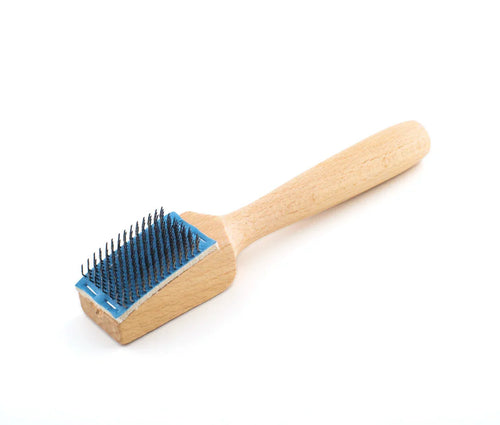
On a wooden floor, suede is often the best choice because it allows you to glide in a controlled manner without slipping. However, suede soles wear out quickly and become slippery as they pick up dirt. As a dance instructor, you don't have time to roughen your soles with a wire brush every ten minutes. Therefore, many teachers choose a hybrid sole of rubber and plastic specifically designed not to stick, but to provide enough resistance for powerful take-offs.
On a plastic dance floor (such as a Harlequin floor), rubber can sometimes provide too much grip, which is dangerous for the knees during turning movements. In that situation, dance sneakers with a smooth 'spin spot' are ideal. It allows you to demonstrate technically correct pirouettes without your foot 'grabbing' halfway through the turn. It is therefore advisable for a professional dance instructor to always have two different pairs of shoes in their bag, so you can anticipate the condition of the floor that day.
Maintenance and Lifespan: When Should You Replace Shoes?
A common mistake when teaching is walking too long on worn-out shoes. Because wear and tear is often gradual, you only notice how poor the support was when you already start having complaints. As a dance instructor who teaches 15 to 20 hours a week, you should take into account that the cushioning of an average dance sneaker has had its best time after 6 to 9 months.
How do you check this? Look at the compression lines in the sole. If the sole shows permanent wrinkles or is worn unevenly on the outside, the structural integrity is gone. Also the inside is important: is the footbed still resilient or does it feel hard and flat? Hygiene also plays a role. If possible, change shoes every day; this gives the material (and especially the foam in the sole) time to return to its original shape and dry completely.
Investing in quality pays off. Brands like Rummos and Capezio use materials that retain their shape longer than cheaper alternatives. To the question "which shoes are cheapest in the long run?" the answer is often: the shoes that are slightly more expensive to purchase but that optimally protect your body against expensive physiotherapy treatments.
Frequently Asked Questions about Shoes for Dance Instructors
Although some fitness sneakers have good cushioning, they often lack the flexibility and pivot point needed for dance. Regular sports shoes often have too much grip, which can lead to knee injuries during turns. It is better to invest in specific dance sneakers.
A split sole makes it possible to fully stretch (point) and flex the foot. This is essential for a dance instructor to show the correct technique to students. A full sole can hinder the movement of the foot.
Use cedar shoe trees or special deodorizers. The most important thing, however, is ventilation: take your shoes out of your bag immediately after teaching and let them air dry. Also, change pairs regularly.
Choose shoes with maximum shock absorption in the heel and good arch support. Dance sneakers with a thicker sole are often better for the back than flat jazz shoes because they better absorb the impact of walking and jumping.
Leather is more durable and molds better to the foot, which is pleasant with frequent use. Canvas, however, is more breathable and often cheaper. For a dance instructor who works hours daily, we usually recommend leather or a high-quality synthetic/mesh combination due to longevity.
Your feet can indeed expand slightly after hours of standing. Never buy shoes too tight. There should be about half a centimeter of space at the toes. However, shoes that are too large cause friction and blisters, so a good fit is crucial.
When teaching young children, you are often on the floor a lot and make unexpected movements. Flexible sneakers that can be put on and taken off quickly (for example, with laces you don't have to tie every time) are very practical for this.
Ready to take your classes to the next level with footwear that supports your body? View our full collection and discover for yourself which shoes best suit your style of teaching. Whether you choose the technical perfection of Capezio or the handmade elegance of Rummos, your feet will thank you.


