

Table of Contents
- Essential Grip Aids
- Functional Pole Dance Clothing
- Iconic Pole Dance Shoes
- Pole Fitness Accessories
- Safety and Protection
- Material Maintenance Tips
- Frequently Asked Questions
Are you finally ready for that perfect invert, only to slide back down the pole halfway because your grip fails you? I see it happening weekly in the studio: enthusiastic dancers who have all the technical skills but simply struggle with slippery hands or the wrong outfit. To really make progress in pole fitness, you need the right basic equipment, consisting of effective grip aids like liquid chalk, snug-fitting pole dance clothing that exposes enough skin for grip on the pole, and specific pole dance shoes for extra stability and protection during intensive floorwork.
In the more than ten years that I have been teaching now, I have seen countless students flourish as soon as they stopped struggling and invested in the right gear. Whether you train on a cold chrome pole or a high-friction brass variant, the right accessories often make the difference between a painful slip and a successful combo. I have tested almost everything myself, from various 'tacky' sprays to the iconic Pleasers, and now know exactly what works for different skin types and levels. Good clothing protects you from unnecessary friction burns, while the right shoes give your ankles that much-needed support during complex drops. With these personal favorites and practical tips, you ensure that your focus is fully back on the choreography instead of the fear of sliding out of the pole.
Essential Grip Aids
Nothing is as frustrating as starting a drop and noticing halfway through that your hands are slowly sliding down. In practice, I often see beginners thinking they aren't strong enough for a certain move, while the problem actually lies purely with their grip. Grip aids are not 'cheating'; they are tools that help you train safely, especially when sweat, humidity, or a cold pole are working against you. For a safe and effective session in the studio, the right grip aid is at least as important as your technique. What I often see in class is that students struggle with the balance between too much and too little grip. A common mistake is applying a thick layer of magnesium directly without cleaning the pole properly first. This creates a kind of greasy layer that actually has the opposite effect. Besides choosing the right pole dance clothing that shows enough skin for grip at your legs and sides, you also need to consider the condition of the skin on your hands.Liquid Chalk versus Tacky
There is no single miracle cure that works for everyone, because everyone's skin chemistry is different. In practice, we distinguish between two main categories:- Liquid Chalk: This is the standard for dancers with sweaty hands. It is usually alcohol-based and dries out your skin while leaving a high-friction layer. Brands like Dry Hands are legendary in the community because they leave no sticky residue on the pole.
- Tacky or Wax-based products: These are intended for dancers with very dry skin. If your skin is too dry, you will still slide off the pole (think of a dry leaf on a smooth surface). Products like iTac2 are ideal for this, but be careful: they are harder to clean off the pole and can limit your freedom of movement during spins.
Tips for optimal use
A technique I often recommend is 'layering'. Start your session with a clean pole and clean hands. Apply a small amount of grip aid and let it dry completely before touching the pole. If you notice you are losing grip, clean the pole with alcohol first before applying a new layer. Too much product buildup creates an unpredictable surface, which can be dangerous during inversions. Don't forget that grip doesn't just come from a bottle. The temperature of the pole plays a huge role. A cold chrome pole is notorious for its lack of grip. Warm up the pole with your own body heat or by doing intensive spins before starting your heavy strength exercises. If you train in a cold studio, it can help to wear specific pole dance shoes or boots that keep your ankles warm, while keeping your hands and the backs of your knees free for the necessary friction. Ultimately, it's a search for the combination that works best for your body and the environment in which you train.Functional Pole Dance Clothing
In practice, I notice that many beginners feel a bit uncomfortable at first with the thought of very short shorts and sports bras. Yet there is a very practical reason why we don't show up in the studio in long sweatpants: your skin is your most important grip tool. Pole fitness is all about friction. Without direct contact between your skin and the pole, you simply slide down as soon as you try to climb or perform a 'sit'. What I often see is that students who start with leggings get frustrated much faster because they find no hold, which unnecessarily slows down their progress.The balance between grip and freedom of movement
A common mistake is choosing clothing that is too loose. While hanging upside down or making fast spins, you don't want your clothing to get in the way or, worse, get caught between you and the pole. Good pole dance clothing should feel like a second skin. This means materials that wick away sweat but are also sturdy enough to stay in place during complex transitions. In the studio, I often advise paying attention to the following points when picking out your outfit:- Exposed contact points: Ensure that the backs of your knees, the inside of your thighs, and your armpits are free. You need these spots for moves like the 'leg hang' or the 'armpit hook'.
- The waist: For advanced tricks where you clamp the pole in your side (like the 'side climb'), low-waist shorts are often more practical than a high-waist model.
- Fabric choice: Avoid smooth, shiny fabrics that are not specifically intended for sports. These only reduce friction.
The function of pole dance shoes
Besides the clothing itself, shoes play a crucial role, especially within the 'Exotic Pole' style. Although many fitness-oriented classes are done barefoot, specific pole dance shoes with a platform sole offer more than just an aesthetic benefit. In practice, these shoes help you create momentum. The extra weight at your feet acts as a kind of flywheel during spins, making it easier to rotate around the pole. Additionally, the characteristic platform soles protect your toes during floorwork. When you drag or roll across the floor, the shoes absorb the impact instead of your joints. An important tip I always give: when purchasing pole dance clothing and shoes, pay attention to the sturdiness of the ankle straps. Your ankles take a lot of strain during landings and transitions, so extra support is not a luxury here. Wearing the right outfit is therefore not a matter of vanity, but a technical necessity. It enables you to make anatomically correct clamps with your legs and arms, which is essential for safety. If you notice you are constantly slipping despite good technique, there is a good chance your clothing choice is working against you instead of helping.Iconic Pole Dance Shoes
When people think of pole dancing, they often immediately imagine the sky-high heels. In practice, however, these shoes are much more than just a visual statement; they function as an extension of your body and an essential tool for your technique. What I often see with beginners is the fear of standing on heels of 15 or 20 centimeters, but the opposite is true: the wide platform sole of professional shoes often offers more stability than an average stiletto you might wear on a night out. Besides your basic pole dance clothing, your shoes are the most important investment for your performance and safety.
In the studio, I notice that the choice for the right shoe often depends on the style you practice. For Exotic Pole, heels are indispensable because of 'momentum'. The weight of a heavy shoe helps you swing your legs through the air with more force during spins. Moreover, the toe of the shoe acts as an extra support point during floorwork. A common mistake is underestimating the grip the shoe itself provides; patent leather, for example, sticks to the pole, which helps enormously with climbs and leg hangs if your legs are not yet strong enough.
Heel height and stability in practice
If you are just starting with pole fitness, I usually advise starting with a 7-inch heel (about 17.5 cm). This sounds high, but due to the ratio between the platform and the heel, the angle of your foot is less taxing than with lower shoes. What I often see is that dancers who start too low have trouble transitioning to the standard 8-inch heels that are common in the industry. The anatomy of the shoe is designed so that your weight is pushed forward, forcing you to engage your core more.
- 7 Inch (Pleaser Sky/Adore): The perfect entry-level size for those seeking ankle stability and still getting used to the weight.
- 8 Inch (Pleaser Flamingo): The standard in the pole dance world. This height gives you that extra length in your lines and makes 'clacks' (hitting the heels together) much more impressive.
- 9 Inch and higher: This is truly for the advanced dancer. The leverage is so great that you must have rock-solid ankle control to prevent injuries.
When you invest in quality pole dance shoes, you immediately notice that the balance in your spins improves. Cheaper imitations often lack the reinforced shaft needed to absorb the lateral pressure on your ankles during an 'edge' move on the floor.
Material use and durability
A crucial detail that many dancers only discover after their first pair of shoes is the difference between suede and patent leather. Patent leather is your best friend if you need extra grip on the pole. The material 'bites' into the pole's coating, providing extra safety during transitions. Suede, on the other hand, is fantastic for floorwork where you want to glide smoothly across the dance floor without getting stuck. In practice, I often see dancers using 'shoe protectors' to protect the toes of their precious heels while dragging across the floor.
Don't forget that your shoes also influence how you perform pole fitness exercises. The extra kilograms on your feet make every leg lift a lot heavier, which subconsciously contributes to muscle building in your lower abs and quads. It's not just for show; it's serious strength training. Always ensure the closure around the ankle is tight enough; there should be absolutely no play between your heel and the sole of the shoe, as this significantly increases the chance of twisting an ankle.
Pole Fitness Accessories
What I often see in the studio is that students underestimate how much difference the right equipment makes for their technical progress. Pole fitness is a sport where the interaction between your skin and the pole is crucial for safety. A common mistake among beginners is holding on too long to standard fitness clothing that covers the backs of the knees or the inside of the upper legs. In practice, you need that direct friction to master complex poses like the 'sit' or the 'climb'. Therefore, investing in quality pole dance clothing is not a luxury, but a necessary step to minimize bruises and maximize your grip.Safety and protection during training
Besides the basic outfit, there are specific accessories that make your training a lot more comfortable. Think, for example, of knee pads. Many choreographies contain floorwork where you repeatedly land or turn on your knees. Without good padding, you risk chronic irritation of the patella (kneecap). I always advise my students to look for knee pads with an open back, so you can still use the backs of your knees to clamp onto the pole. Another essential part of your equipment is the shoes. Although we teach many techniques barefoot to strengthen the foot muscles, professional pole dance shoes offer a unique advantage in learning fluid movements and spins. The sole of these shoes is specifically designed to slide where needed, while the platform helps you shift your center of gravity during powerful transitions.Must-haves for your gym bag
Over the years, I've noticed that a well-stocked gym bag makes the difference between a frustrating or a successful session. Here are the items I recommend to every serious pole fitness practitioner:- Microfiber cloths and alcohol: This is essential to keep your pole grease-free between exercises. Sweat and skin oils are the biggest enemies of a good grip.
- Knee pads with grip: Choose variants that have an anti-slip layer on the outside, so you can still climb the pole while wearing protection.
- Rosin or magnesium products: Depending on your skin type and the humidity in the studio, you need different types of grip aids to train safely.
- Warm over-clothing: During the warm-up, it's important to keep your muscles warm. As soon as you get on the pole, take these layers off for optimal skin contact with your pole fitness outfit.
Safety and Protection
Safety in the pole dance studio is about much more than just placing a thick crash mat under your pole. In practice, I notice that injuries or annoying abrasions often arise from small details: the wrong grip, over-fatigued muscles, or clothing that doesn't provide the right support during a complex move. If you are serious about pole fitness, it is essential to understand that your body is your most important instrument and that you must protect it from the constant friction and impact of the pole.
Protection of skin and joints
What I often see with beginners is that they underestimate the impact of 'pole burns'. When you learn to deal with friction, your skin is your braking system. A common mistake is wearing too much clothing out of insecurity, while you actually need skin contact for grip. Yet there is a balance. For intensive floorwork sessions where you are on your knees a lot, knee pads are absolutely indispensable. Without good padding, you risk not only bruises but also bursitis from repeated pressure on the kneecap. During transitions from the pole to the floor, wearing the right pole dance clothing is crucial; choose fabrics that breathe but are also sturdy enough not to shift when you do a 'sit' or 'climb'.
- Use knee pads with a mesh back for ventilation and flexibility in the back of the knee.
- Never apply body lotion on the day of your training; this makes the pole slippery as ice and dangerous.
- Regularly check your grip areas (backs of knees, armpits, sides) for irritation and give your skin a rest if the friction becomes too great.
Stability and footwear
In the world of pole fitness, you often see the use of specific high heels. This is not just for aesthetics; these shoes are designed to support your ankles and protect your feet during floorwork. A common mistake is thinking you can use any random heel. In practice, I see that normal pumps often snap or offer no support at the ankle, which can lead to nasty sprains. Quality pole dance shoes have a reinforced sole and a platform that acts as a kind of 'bumper' for your toes when you slide across the floor or make 'clacks'.
If you prefer to train barefoot, which is often the case in technical pole fitness, pay extra attention to the landing. When jumping out of the pole, you must always land with soft knees and distribute your weight over the entire foot to minimize the shock to your ankles and spine. I often advise students to wear ankle warmers during the warm-up. This keeps the joints supple and prevents you from suddenly putting heavy strain on cold muscles, which significantly reduces the chance of tendon injuries.
Grip and hand hygiene
Another aspect of safety is the condition of your hands. Sweaty hands are the biggest enemy of a safe inversion. In practice, we use different types of grip aids, from liquid chalk to rosin-based products, depending on the humidity and your skin type. However, it is important not to become completely dependent on these aids. Work on your natural grip strength and technique. A good grip starts with the correct placement of the palm and using the thumb as a 'lock'. If you notice your grip weakening due to fatigue, that is the sign to stop hanging upside down and move on to floor exercises. Listening to your body's signals is ultimately the best protection you can have.
Material Maintenance Tips
You've finally gathered the perfect equipment, but what I often see in the studio is that the lifespan of these items is drastically shortened by poor maintenance. It is an investment in your passion, and if you don't take good care of it, you'll soon be left with worn-out soles or clothing that loses its grip. In practice, good maintenance begins the moment you leave the class, not just when you unpack your bag at home.Extending the life of your clothing
A common mistake I see time and again with beginners is washing their pole dance clothing with regular fabric softener. Absolutely do not do this. Fabric softener leaves an invisible, greasy layer on the fibers of the fabric. While this feels nice with normal clothing, it is disastrous for pole fitness. You will literally slide off the pole, regardless of how much grip aid you use. What I often advise is to take your tops and shorts out of your bag immediately after training. Sweat and magnesium residue can affect the elasticity of the fabric if it stays in a damp gym bag for hours. Preferably wash your clothing by hand or in a laundry bag on a cold program. Let it air dry; the heat from a dryer breaks down the spandex fibers, causing your shorts to no longer fit snugly against your skin over time.Maintenance of your shoes and grip
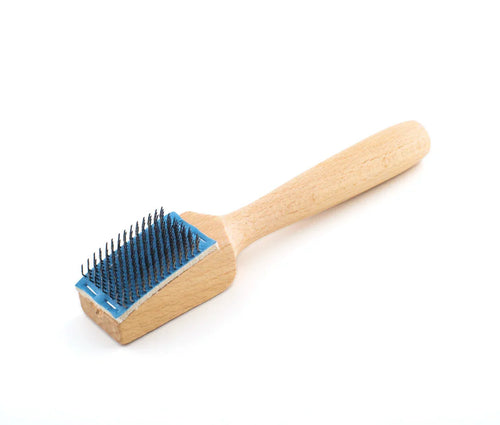
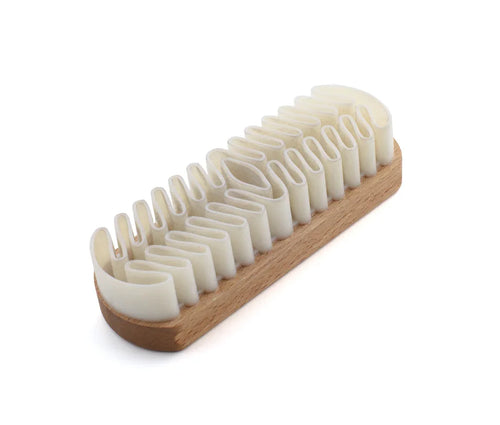
Looking at your pole dance shoes, the toe of the shoe is often the first thing to wear out, especially with floorwork and exotic pole techniques. What I often see is that dancers only inspect their shoes when the finish is already peeling off. In practice, you can prevent this by wearing shoe protectors while practicing new transitions. Furthermore, it is essential to wipe down the soles and the platform of your heels with a slightly damp microfiber cloth after every session. Residue from grip aids and dust from the studio floor accumulate here, making the grip on the pole during climbs or inversions unreliable. Also check the 'heel tips' weekly. As soon as you start to see or hear the metal of the heel, it's time to replace them. This not only prevents damage to the studio floor but also protects your ankles from unexpected instability.Keeping the pole and accessories clean
For an effective pole fitness session, a clean pole is your best friend. Always use 70% isopropyl alcohol to degrease the pole between exercises. A tip from practice: use two different cloths. One cloth to remove the heavy residue of liquid chalk or rosin, and a second, dry cloth to buff the pole for that perfect 'squeaky clean' finish. Don't forget your other accessories too. If you use knee pads with a grip layer, clean them only with water and a mild soap. Alcohol can dry out and crack the special coating that gives you grip on the pole. By weaving these small habits into your routine, you ensure that your equipment never lets you down during a challenging combo or an intensive workout.Frequently Asked Questions
Which pole dance clothing is most suitable for beginners?
For beginners, pole dance clothing that offers a lot of skin exposure is essential, because bare skin provides the necessary grip on the pole. Choose short sports shorts and a sleeveless top or sports bra. Avoid long leggings or shirts, as these are slippery and make climbing difficult. Comfortable, snug-fitting materials that wick away sweat are ideal for safe pole fitness training.
Why are specific pole dance shoes needed while dancing?
Pole dance shoes, such as the well-known Pleasers, are designed with a special sole that provides extra grip on the floor and the pole. Additionally, they protect your feet during complex floor movements and fast turns. The platform soles help in performing specific techniques and optically lengthen your legs, which contributes to the aesthetics of the dance style while providing stability and ankle support.
What is the purpose of grip aids in pole fitness?
Grip aids are indispensable accessories in pole fitness to prevent you from sliding off the pole due to sweaty hands or slippery skin. There are different variants, such as liquid chalk, rosin, or gels, which temporarily increase the friction between your skin and the pole. This not only increases safety while performing tricks but also helps in building self-confidence.
How do I choose the right outfit for a pole fitness class?
When choosing an outfit for pole fitness, you should consider the intensity of the class. Choose functional pole dance clothing made of breathable fabrics that stay in place while hanging upside down. A sports bra with sufficient support and short shorts that leave the thighs free are crucial for optimal grip. Ensure the clothing does not pinch for maximum freedom of movement during the exercises.
Can I wear normal sportswear during pole dancing?
While you can wear normal sportswear for the warm-up, it is often not practical for the actual pole dance session. Long pants and shirts cover the skin, meaning you have no grip on the pole and will slide down faster. For pole fitness, specific short shorts and tops are needed that leave the legs, arms, and belly free, so you can perform all exercises safely and in a controlled manner.
What are the best shoes for advanced pole dancing?
For advanced dancers, pole dance shoes with a high platform and sturdy ankle straps are the best choice. Brands like Pleaser and Hella Heels are popular for their durability and grip. Choose 7 or 8-inch heels for advanced floorwork and choreographies. The material of the shoe must be flexible enough for pointing, while the sole must provide enough grip for spins on the floor.
How do I maintain my pole dance accessories and grip products?
Maintaining your accessories significantly extends their lifespan. Clean your pole dance shoes after use with a damp cloth and store them in a fabric bag. Wash your pole dance clothing without fabric softener to preserve the elasticity and grip properties of the fabric. Always close grip aid packaging tightly to prevent drying out and store them in a cool place away from direct sunlight.
The beauty of pole dancing is that the right equipment not only increases your safety but also gives your self-confidence a huge boost. What I especially want to share with you is that high-quality grip aids and the right pole fitness gear are not luxuries, but essential tools that help you push physical boundaries and finally master those challenging new tricks. Remember above all that your clothing is a direct extension of your movement; it must support you in every spin and climb without limiting your grip. To truly move freely and feel powerful, it pays to invest in items specifically developed for the sport. Check out our women's pole dance clothing collection for the perfect balance between functionality and style. Whether you train barefoot or seek new heights with spectacular pole dance shoes, the right foundation makes the difference between doubt and total focus. You aren't just in the pole to get stronger, but to discover what unprecedented heights your own body can reach. Trust your grip, feel beautiful in your pole dance clothing, and let your own strength amaze you in every training session.


