

Table of Contents
- Why special shoes?
- Heels: Height and Stability
- Comfort: Fit and Material
- Style: Your Personal Touch
- Choose the Perfect Dance Shoe
- Maintenance for Long-lasting Pleasure
- Frequently Asked Questions
Sometimes I can already tell by the way someone steps onto the dance floor: the shoes tell a story. Believe me, in all those years of teaching latin dancing, I've learned that the right salsa shoes make the difference between an evening full of flow and fun, or one full of aches and frustration. Today we discuss the essential balance between heel height, comfort, and style that every salsa dancer needs.
Many of my students ask: "Which shoes should I buy?" And that is an excellent question, because the answer is more complex than you think. It's not just about how they look; it's about stability, the perfect grip on the floor – or rather the ability to glide – and how they support your feet during fast spins and complicated figures. I've worn out various shoes myself and gotten the necessary blisters before I found the perfect match. I'm happy to share that experience so you can make an informed choice that fits your dance style and needs, whether you're just starting out or have been dancing the stars from the sky for years.
Why special shoes?
If you're just starting to dance, or perhaps have been participating for a while in regular shoes, you might wonder: why should I invest in special dance shoes? What I often see is that people think comfortable sneakers or dress shoes with a heel will suffice. In practice, however, this turns out to be a common mistake that not only limits your dancing pleasure but also compromises your technique and even your safety.
Dance shoes are not a fashion accessory (although they look fantastic!), they are an essential tool. They are designed with the specific demands of dance movements in mind, from the fluid turns in ballroom to the fast pivots in salsa. The difference is in the details – the sole, the flexibility, the stability, and the way they support your foot.
The Crucial Sole: Grip and Gliding
The most striking difference is in the sole. Where your street shoes often have a rubber sole for grip on various surfaces, dance shoes are equipped with a suede or chrome leather sole. This sole is crucial. It offers exactly the right balance between grip and the ability to glide. Think of a turn: you don't want to stick to the floor, because that puts an enormous strain on your knees and ankles. At the same time, you don't want to slip away. The suede sole ensures that you can turn, pirouette, and slide in a controlled manner. This significantly reduces friction and the impact on your joints, which is essential for long-term and injury-free dancing.
A common problem with beginners dancing in regular shoes is that they don't complete their turns because their shoe snags on the floor. I see this especially with fast Latin American dances like salsa and bachata. The right latin dance shoes with a flexible suede sole ensure that your foot movements are fluid and your energy is efficiently transferred to the dance floor. This is fundamental for both your technique and your musicality.
Support, Flexibility and Balance
In addition to the sole, the structure and fit of dance shoes are also specifically designed. They are lightweight, offer flexibility at the forefoot, and have a reinforced heel counter. This allows you to fully articulate your feet – think of stretching your instep or rolling over your foot during a movement. This flexibility helps you maintain your balance and place your weight precisely, contributing to a more elegant and technically correct execution of steps.
For the elegant, fluid movements you see in the women's ballroom standard collection, a shoe with the right balance and arch support is essential. The heel is often placed centrally under the heel, providing optimal stability while stepping backward and performing complex figures. In ballroom dancing, the focus is on long lines and a constant connection with the floor; the construction of the shoe supports this perfectly.
Also, the intensity and specific foot techniques of tango, for which you need the right tango shoes, place different demands on your footwear. You often see a slightly higher and slimmer heel in tango shoes, which is perfect for precise pivots and the characteristic 'gancho' movements, while the straps provide extra sturdiness.
In short, special dance shoes are not a luxury, but a necessity for anyone who wants to dance seriously. They improve your technique, increase your comfort, reduce the risk of injury, and let you get the best out of every dance. It is an investment in your dance journey that will exponentially increase your pleasure and progress.
Heels: Height and Stability
The heel of a salsa shoe is so much more than just an aesthetic detail; it is the foundation of your balance, your posture, and even your technique on the dance floor. As a dancer, I know from experience that the right heel can make the difference between effortless turning and constantly searching for your balance. It's not just about the height, but also about the shape and placement.The Height: A Personal Choice
What I often see with beginners is that they go straight for the highest heel because it looks 'prettier'. But believe me, a heel that is too high can greatly hinder your enjoyment of dancing. Your feet and ankles need to get used to the pressure and the shift in your center of gravity. * Low heels (often 6 cm): These are ideal for beginners or for dancers who want extra stability. With a 6 cm heel, you feel more grounded and have more contact with the floor, which helps in developing your basic steps and your balance. If you're just starting with latin dancing, I often recommend starting with a slightly lower heel. You then gradually build up strength in your ankles and calves. * Medium heels (often 7.5 cm): This is a popular height and for many dancers the 'sweet spot'. It gives you the elegance and lift you want, without sacrificing your stability. Your center of gravity shifts slightly forward, which helps you make those typical hip movements and react faster. Many ballroom shoes for standard dances have a similar comfortable height, albeit often in a wider variant. * High heels (often 9 cm or more): These heels are for more experienced dancers. They optically lengthen your legs and give you an incredible line, but they also demand a lot from your feet, ankles, and core stability. A common mistake is to switch to this height too quickly. Without the proper ankle strength and balance, you risk injury. For the more experienced dancer who has been on the dance floor for years and might be used to a tango shoe, a 9cm heel can provide that extra look, provided the technique is already sound.Stability: More than just Height
Besides height, the stability of the heel is crucial. This is determined by the shape and placement under the foot. * Flared heels: These heels widen slightly towards the bottom, giving them a larger surface area touching the floor. This provides maximum stability and is very popular with both latin and ballroom dancers. You often see them on beginner models and with dancers who perform many fast rotations. They give you a secure feeling, even during fast spins and turns. * Slim or stiletto heels: These are slimmer and run straighter down. They look elegant and refined but offer less contact surface with the floor. This requires more of your balance and ankle strength. I often see dancers switching from flared to slim heels being a bit unsteady at first, but with practice, they can create a beautiful line. In practice, it is essential that the heel is firmly attached to the shoe and positioned directly under your heel bone. This ensures natural weight distribution. A heel that is too far back or too far forward can disrupt your balance and put unnecessary pressure on your foot and Achilles tendon. Before you buy a shoe, always check if the heel feels solid and doesn't wobble. You want a heel that gives you confidence with every step, turn, and dip on the dance floor.Comfort: Fit and Material
As a seasoned dancer, I know from experience that comfort is the absolute basis of every successful dance session. You can have a beautiful choreography in your head, or want to perform the most elegant steps, but if your shoes don't fit well, you'll be constantly distracted by them. It's more than just 'not painful'; it's about a sense of unity with your shoe, as if it's an extension of your foot. This is essential, whether you're dancing latin for hours or making the ballroom floor unsafe all evening.
The Perfect Fit: A Second Skin
What I often see with beginners, and sometimes with more experienced dancers, is that they underestimate the fit of their dance shoes. A common mistake is choosing shoes that are too large, with the idea that there will be room for your feet if they expand. The result? Your feet will slide, leading to blisters, loss of stability, and a lack of control over your movements. You want your shoe to fit like a second skin around your foot. This means your toes can lightly touch the front of the shoe, but without pinching. Your heel should sit firmly in the heel counter, without popping up with every step or turn.
In practice, this means your shoe should enclose your foot well, especially at the instep and the sides. I have wide feet myself and know how difficult it can be to find the right fit. Some brands offer wider lasts, or models with adjustable straps that provide that little bit of extra space where needed, without sacrificing support. For ballroom shoes, where you make many sliding movements, a firm, enclosing fit is crucial to maintain the elegance of your line.
- Toes: They may lightly touch the front, but should not fold over or be cramped.
- Heel: Must sit firmly in the heel counter without slipping.
- Instep: The shoe must fit well without pinching or leaving too much space.
Material Matters: Grip, Flexibility and Breathability
In addition to the fit, the material plays a massive role in comfort. Most professional dance shoes have a suede or nubuck sole. This is no coincidence; these materials offer the perfect balance between grip and the ability to turn. Slippery floors are therefore no problem, and your joints are relieved because you don't stick. Make sure to brush these soles regularly with a special dance shoe brush to remove dirt and 'open' the fibers again for optimal grip. This is a tip I give every student!
The upper material of the shoe is just as important. Think of:
- Satin: Often used for ballroom and standard shoes. It looks elegant but can be less flexible and is more prone to stains. It breathes reasonably well.
- Leather (smooth or suede): My personal favorite for many tango shoes and latin styles. Leather molds beautifully to your foot as you wear it, breathes well, and is more durable. Suede leather offers a soft, flexible fit from the start.
- Synthetic materials: These are often more affordable and can be surprisingly comfortable, but pay attention to breathability. Some can make your feet sweat faster.
A good dance shoe must be flexible enough to follow the natural movement of your foot, especially at the ball of the foot. This is crucial for making pointes, flexes, and all the intricate foot movements encountered in latin dancing. At the same time, the shoe must provide sufficient support to the arch to prevent fatigue and injury. I've often seen dancers with flat feet benefit from extra insoles or shoes with better built-in arch support.
Breaking in and Maintenance: Your Comfort, Your Responsibility
New dance shoes almost always need to be broken in. Put them on at home a few times, walk around quietly, or practice some basic steps. This helps the material mold to your foot and prevents surprises on the dance floor. And remember: comfort is not a luxury, it's a necessity. If you feel comfortable in your shoes, you can fully concentrate on the music, your partner, and the joy of dancing, without worrying about painful feet. A good investment in comfortable dance shoes always pays off in dancing pleasure and performance.
Style: Your Personal Touch
As a dancer, you know that your shoes are much more than just a means to cover your feet. They are an extension of your body, your technique, and, very importantly, your personal style. In practice, I often see beginning dancers focusing primarily on comfort and heel height, which makes sense. But as you gain more experience, you discover how the style of your salsa shoes or other dance shoes can influence your confidence on the dance floor and even enhance your movements. It's about choosing shoes that not only feel good but also radiate who you are as a dancer.
The Impact of Design on Your Dance
The aesthetics of your dance shoes are not just a superficial choice; they are part of your performance. Think of the lines an open shoe creates versus a closed model. An open sandal model with fine straps can give the illusion of longer legs and emphasize the elegance of your footwork, especially during fast spins and footwork in Latin dancing. Conversely, a closed pump shoe, as often seen in ballroom, offers a more classic, streamlined look that fits perfectly with the fluid movements of, for example, a waltz or quickstep. What I often see is that dancers who feel comfortable and stylish in their shoes dare to experiment more and dance with more conviction.
The materials and finish also play a big role. Think of:
- Shiny Fabrics: Patent leather, satin, or materials with glitter can add extra flair, especially under the bright lights of a dance floor or during a performance. They catch the light and draw attention to your feet, giving your footwork extra cachet.
- Colors: While black and nude are always safe choices, a brightly colored shoe can make a statement. Red shoes radiate passion and energy, while silver or gold add a touch of glamour. A common mistake is choosing shoes that clash with your outfit. Try to see your shoes as an integral part of your total look.
- Details: Small details like rhinestones, a buckle with a special design, or a crossed strap can give a shoe just that little bit extra. These details, though small, contribute to the overall appearance and can make your shoes truly unique.
Your Personal Dance Style and Shoe Choice
Your shoes should not only fit the dance style but also your personal expression. Do you mostly dance energetic Latin styles like salsa, bachata, or cha-cha-cha? Then shoes with an open toe and a slimmer heel are often favorites. They give your feet the freedom to move and radiate the playfulness and passion of the dance. Our collection of women's latin dance shoes offers many options perfect for these dynamic movements.
For Ballroom Standard dances, such as the English Waltz or the Tango, you often see a very different aesthetic. Here, closed shoes with a wider, stable heel are the norm. These shoes not only provide the necessary support for long, sliding steps but also contribute to the formal and elegant look associated with these dances. A classic design, often in satin or leather, fits seamlessly with traditional clothing and the grace of the movements. Take a look at our selection of women's ballroom standard shoes for models that offer both comfort and class.
And then there is Tango, a dance form with its own unique shoe style. Tango shoes often have very specific heel placement and a firm but flexible sole to enable the characteristic pivot movements and fast, precise foot placement. In terms of style, you often see bold designs here, sometimes with striking color combinations or materials like suede and leather that radiate a raw sensuality. Take a look at our women's tango collection to see how style and functionality go hand in hand for this intense dance.
Ultimately, the best style choice is the one that makes you feel most confident and authentic on the dance floor. Try out different styles, see what fits your dance wardrobe, and above all: choose shoes you feel good in, so you can dance freely and show your personal touch.
Choose the Perfect Dance Shoe
As a dancer, I know from experience that your shoes can be your best friend or your worst enemy on the dance floor. Choosing the perfect dance shoe is more than just a matter of taste; it's about comfort, stability, and how well you can execute your technique with them. What I often see, especially with beginners, is that they underestimate the impact of the right shoe, or worse, choose a 'pretty' shoe that is totally unsuitable for their dance style. Let's look at how to make the right choice so you can dance with confidence and pleasure.The Basis: Comfort and Fit
The absolute number one rule: comfort is king. A common mistake is buying shoes that are too tight in the hope that they will 'stretch out'. Although leather can stretch slightly, a dance shoe should never feel painful. Your toes should have room to move, but your foot should not slide in the shoe. The shoe should fit like a second skin around your foot and offer good support, especially at the arch. In practice, this often means fitting shoes at the end of the day when your feet are slightly swollen, to ensure they remain comfortable even after a long night of dancing. Think about the anatomy of your foot: do you have a high instep, wide feet, or narrow ones? There are shoes that specifically cater to this.Heel Height and Stability: A Crucial Balance
Heel height is one of the most discussed topics. For latin dance shoes, such as those for salsa, bachata, or cha-cha, you often see heels ranging from 5 to 9 centimeters. A higher heel can help you shift your weight more forward, which is essential for the 'ball of foot' technique and the fast turns characteristic of these styles. However, if you're just starting out, I recommend not going straight for the highest heel. Start with a 6-7 cm heel. This gives you enough height to develop your technique without compromising your stability. A stable, wide heel base is also crucial; avoid stilettos unless you are already very experienced, as they can lead to unnecessary injuries. For the elegant movements of ballroom standard dances (think of the waltz or foxtrot), the heels are often lower, around 4-6 centimeters. These shoes usually have a wider, more stable heel and a closed toe, which contributes to the fluid, sliding movements and the necessary support for the entire foot. It's more about constant grounding here and less about fast pivots on the ball of the foot. And for the passionate flair of tango shoes, there are also specific considerations. Although tango shoes often have a high heel, the placement of the heel and the flexibility of the sole are different from latin shoes, to enable the specific weight displacement and 'ganchos' (hooks).The Sole: Grip and Gliding
The sole of your dance shoe is just as important as the heel. Most dance shoes have a suede sole. Why? Suede offers the perfect balance between grip and gliding on a clean dance floor. This is essential for pirouettes and turns without sticking or slipping.- **Suede soles:** Ideal for indoor dance floors. They give you the ability to turn and slide with exactly the right resistance. Don't forget to regularly roughen your suede soles with a special brush to maintain their functionality.
- **Leather soles:** Sometimes seen on practice shoes or shoes that can also be worn outside. They offer more grip and are less sensitive to dirt, but turning is often more difficult.
Maintenance for Long-lasting Pleasure
As a passionate dancer, you know how essential your shoes are. They aren't just accessories; they are an extension of your feet, your balance, your entire dance. What I often see is that people invest heavily in a beautiful pair of latin dance shoes, but then forget how important proper maintenance is to protect that investment. Good maintenance not only significantly extends the life of your shoes, but also ensures that you always maintain the optimal grip and comfort you need on the dance floor. Think about it: a little bit of attention after each dance session can make the difference between shoes that last a few months and shoes that you enjoy for years.Soles: The Basis of Your Grip
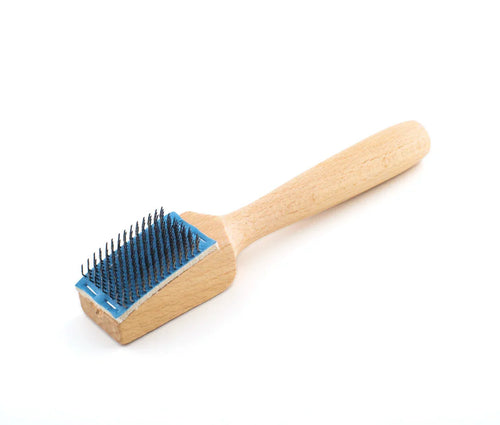
The soles of your dance shoes, usually made of suede or leather, are crucial for that perfect balance between grip and gliding. A common mistake, especially among beginners, is that they wear their shoes outside. Absolutely do not do this! Street dirt, pebbles, and moisture irrevocably ruin the suede, causing you to lose all grip and making your soles hard and slippery. In practice, I always recommend a special shoe brush for suede soles. After every dance session – yes, every time – you lightly brush the soles. This removes dirt and restores the fibers of the suede, so you maintain that optimal 'bite' on the floor. I often see people brushing too hard or using a wire brush. A soft copper brush is sufficient; you don't need to strip the suede, just lightly roughen it. If you notice your soles have become very dirty, for example from a sticky floor, you can carefully remove the worst dirt with a slightly damp cloth, but let them dry thoroughly afterward. Moisture is truly the enemy of suede.Upper and Heels: Protection and Appearance
The upper part of your dance shoes – whether it's satin, leather, or synthetic – also requires attention. Satin shoes, like many elegant ballroom shoes, can stain quickly. What I often do is carefully wipe away any scuffs or stains with a slightly damp cloth after dancing. Do not use aggressive cleaning agents, as they can damage or discolor the fabric. For leather shoes, a good leather cleaner and conditioner are enough to keep the leather supple and shiny. Do you have shoes with rhinestones or glitter? Be extra careful! You can often glue loose stones back yourself with special glue, but prevent them from coming loose by being careful with bumps. Heels are another point of attention. Especially with intensive dancing, such as salsa or tango, the heels take a lot of punishment. A must-have are heel protectors, also called 'heel guards'. You slide these transparent or black caps over the heels to protect them from damage, scratches, and wear. Moreover, they improve grip on the floor, which gives extra stability, especially during fast turns or pivots. I have often seen dancers completely wear down or damage their heels, which is not only a waste of the shoes but can also be dangerous due to reduced stability. Regularly check if the heel protectors are still in place and not worn out. Replace them in time; it's a small investment that prevents a lot of misery.Storage and Hygiene: Fresh Feet, Fresh Shoes
In addition to direct maintenance, the way you store your shoes also affects their lifespan. Always let your shoes air out well after dancing. Don't put them in a closed bag immediately. What I always do myself is put them in a breathable fabric shoe bag, or just let them stand in a place where they can dry. This prevents the buildup of moisture and unpleasant odors. For hygiene on the inside, you can occasionally sprinkle some baking soda in the shoes and let it sit overnight; it absorbs odors fantastically. Cedar shoe trees are also an excellent investment. They not only maintain the shape of the shoes but also absorb moisture and release a fresh scent. For delicate tango shoes with many details, shoe trees also help to maintain the structure. By putting these simple but effective tips into practice, you ensure that your dance shoes not only last longer but also perform optimally at every dance session. Your feet will thank you!Frequently Asked Questions
Why do I need special salsa shoes?
Special salsa shoes are essential for proper technique and safety. They have a flexible suede sole for optimal grip and glide capability on the dance floor, which is crucial for fast turns and pivots. Additionally, they offer the right support and cushioning, which helps in preventing injuries and increasing your comfort during long dance sessions, unlike regular shoes.
Which heel height is best for salsa?
The ideal heel height depends on your experience and personal preference. Beginners often choose a heel of 2.0 to 2.5 inches (5-6.5 cm) for more stability. Advanced dancers dare to wear higher heels of 3 inches (7.5 cm) or more, which creates a more elegant line and can improve balance during fast turns. It is important to try different heights to see what feels most comfortable for you.
Are salsa shoes comfortable for dancing for long periods?
Yes, comfort is a top priority in the design of salsa shoes. Although they need to be broken in, quality shoes feature soft linings, cushioned insoles, and flexible materials that mold to your foot. The correct fit, which is snug but not pinching, ensures you can dance for hours without pain, which is essential for every dancer.
Which materials are popular for salsa shoes and why?
For the sole, suede is the most popular because of the perfect balance between grip and glide. The upper is often made of leather, satin, or synthetic materials. Leather is durable, breathable, and molds well to the foot, while satin gives an elegant, shiny appearance. Synthetic options are often easier to maintain and more budget-friendly, but can be less breathable.
What is the difference between salsa shoes and regular ballroom shoes?
Although both often have a suede sole, salsa shoes (falling under Latin dance shoes) are generally more flexible with a higher, slimmer heel. This facilitates the fast turns, pointes, and dynamic movements characteristic of salsa. Ballroom shoes for standard dances often have a wider, more stable heel and more support, focused on fluid, sweeping movements and a more upright posture.
When should I invest in a pair of salsa shoes as a beginner?
It is recommended to invest in real salsa shoes after a few trial lessons. Although you can start with comfortable indoor shoes, special dance shoes will significantly improve your technique, balance, and turning comfort. They help prevent injuries through proper support and sole, and give you a more authentic dance feeling, which speeds up the learning experience and makes it much more fun.
How do I best maintain my salsa shoes?
Keep the suede sole clean with a special shoe brush to remove dirt and accumulated fibers, which maintains grip. Store your shoes in a breathable shoe bag after dancing to protect them from dust and damage. Avoid moisture and extreme temperatures. For the upper: clean leather with a suitable conditioner and satin with a soft, damp cloth to maintain the shine.
The beauty of salsa dancing is the expression, the connection, and the confidence it gives you. What I especially want to give you from our journey through the world of salsa shoes is that comfort and the right heel height are absolutely crucial. They are not just accessories; they are the foundation of your movement, your balance, and your unique style on the dance floor. Whether you choose a modest heel for stability or a higher one for extra flair, fit is king. When your feet feel good, you radiate that on the dance floor, and that translates directly into more fun and self-confidence.
Ready to find your perfect partner that supports every turn and every step? Then take a look at our extensive collection of women's latin dance shoes. Here you will find opt


