

Table of Contents
- Essential Maintenance Products
- Effective Shoe Cleaning
- Protection with Waterproofing Spray
- Restoring Shine and Color
- Specific Dance Shoe Care
- Tips for Durable Use
- Frequently Asked Questions
Have you ever noticed that during a quick turn you suddenly lose all grip, or that your favorite suede soles feel like slippery plastic after three months of dancing? Good shoe care is about using the right brushes, sprays, and conditioners to keep the material supple and maintain technical grip. In this guide, I explain which products are essential for shoe maintenance, so you not only make your investment last longer but also stand on the floor with more confidence.
In my classes, I often see dancers only thinking about dance shoe care when the sole has already completely clogged with dirt and grease from the dance floor. That's a shame, because cleaning your shoes is a small effort that makes a world of difference for your balance. I made the mistake myself of completely neglecting my first pair of expensive Latin shoes, causing them to lose their shape within a season and making the soles unusable. By regularly using a specific wire brush and nourishing the leather with the right products, your shoes will continue to breathe and maintain that necessary flexibility. Below, I discuss the specific tools I have been advising my own students to use for years to keep their equipment in top condition.
Essential Maintenance Products
After years of being on the dance floor, I've learned one thing: your shoes are your most important instrument. What I often see with dancers is that they spend hundreds of euros on a beautiful pair, but then skimp on the aftercare. In practice, this means the lifespan of the shoe is often cut in half. Good dance shoe care isn't just about how they look under the disco lights; it's about the grip on the floor and maintaining the suppleness of the material during a double turn or a quick pivot.
The indispensable sole brush
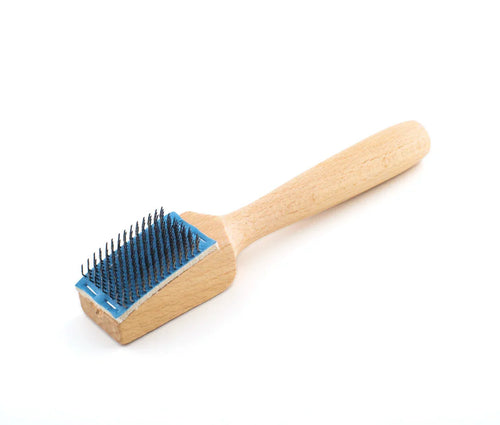
If you dance on suede soles, a steel sole brush is your absolute priority. By dancing on wooden floors, dust, floor wax, and skin oils build up in the small fibers of the suede, making the sole mirror-smooth. A common mistake is waiting until you literally slip during a salsa combination before taking action. I recommend briefly roughening your soles before every training or social dance party. Always brush from heel to toe to set the fibers 'back up'. For thoroughly cleaning the rest of the shoe, specific women's shoe care is essential to avoid damaging the delicate materials with aggressive household products.
Cleaning and conditioning the upper
Whether you dance on leather, satin, or patent leather, each material requires a different approach. What I often see in practice is that people use regular shoe polish for street shoes on their dance shoes. Absolutely do not do this. Regular shoe polish can clog the pores of the leather, making it breathe less well and crack faster at the bending points of the foot, especially at the base of the toes where most pressure is applied during dancing on the ball of the foot. Instead, use a mild cleaner and a nourishing lotion that keeps the leather elastic. By regularly keeping up with your shoe maintenance, you prevent dirt from soaking deep into the fibers and the color from fading.
- Suede brush: Indispensable for restoring grip and removing accumulated dirt under the sole.
- Leather balm: To keep the leather supple so it moves with the anatomy of your foot without cracking.
- Satin cleaner: Specifically developed for removing water spots and dust on delicate fabrics without leaving rings.
- Cedar shoe trees: These absorb moisture after an intensive class and maintain the shape of the toe, which is crucial for tight-fitting dance shoes.
Hygiene and odor control
It's a fact that dancing is an intensive sport where your feet sweat a lot. What I often see is that shoes disappear directly into a closed bag after class and stay there until the following week. This is the fastest way to develop bacteria and unpleasant odors that you can hardly get out. A good cleaning routine doesn't stop at the outside. Use an antibacterial spray or place activated charcoal bags in your shoes immediately after taking them off. Investing in high-quality care products for dance shoes ensures that you not only make your investment last longer but also step onto the dance floor with more confidence. Don't forget to occasionally wipe the inside of the shoe with a slightly damp cloth to remove salt residues from sweat, as this can dry out the lining and make it hard.
Effective Shoe Cleaning
Cleaning your shoes is the absolute basis of good shoe maintenance, but in practice, I see that this part is often skipped or handled incorrectly. What I often see with students is that they put their shoes directly into a closed bag after an intensive night of salsa or bachata. This is disastrous. The sweat soaks into the material and the dust from the dance floor cakes onto the soles and the upper. A good cleaning session actually starts the moment you step off the dance floor. A common mistake is using too much water. Whether you are working with leather, suede, or satin, moisture is rarely your friend. With leather, too much water can cause stains and pull the natural oils out of the material, causing it to crack. For your satin dance shoes, I always recommend treating stains immediately with a slightly damp cloth and a mild cleaner specifically developed for delicate fabrics. Dab the stain out, never rub, because then you damage the fibers of the fabric and the shoe loses its shine.Material-specific techniques
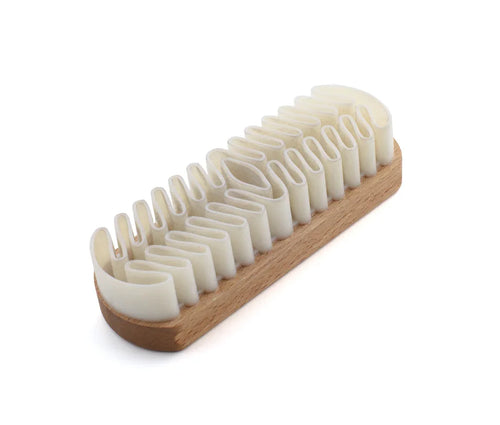
In practice, I notice that leather is often the easiest to maintain, provided you use the right products. When cleaning leather, use a soft brush to first remove surface dirt. Then you can use a cleaning foam. Never apply the foam directly to the shoe, but onto a cloth. This prevents saturated spots from forming that later dry darker. For men who dance intensively, it is essential to also include the inside; bacteria from perspiration break down the lining from the inside out. For suede shoes, the approach is different. Here, it's all about the 'nap'. Use a suede brush to gently brush the dirt loose. If there is a stubborn stain, you can use a suede eraser. What I often advise for the complete care of suede dance shoes is to brush the hairs back up after cleaning so that the shoe regains its deep color and soft texture.The sole: The heart of the dance shoe
The bottom of your shoes takes the hardest beating. Most dance shoes have a suede sole that provides the perfect balance between grip and glide. Over time, dirt and wax from the floor accumulate, making the sole slippery and hard. This is what we call the 'glazing' of the sole.- Use a steel sole brush to roughen the sole again. Always brush from heel to toe.
- Do not force the brush; let the steel pins do the work to get the dirt out from between the fibers.
- If the sole is extremely dirty due to, for example, drink residues on the floor, let it dry completely before brushing.
Protection with Waterproofing Spray
What I often see in the dance school is that dancers put on their new shoes straight out of the box and storm onto the dance floor. Although the temptation is great to show off your new acquisition immediately, this is a common mistake that drastically shortens the lifespan of your footwear. In practice, a good waterproofing spray is your first and most important line of defense against the inevitable dangers of the dance floor: spilled drinks, sweat, and the notorious black scuff marks from other shoes. Thorough dance shoe care doesn't start with polishing, but with preventively sealing the material.
Dance floors are rarely perfectly clean. There is often a mix of dust, resin, and sometimes even drink residues near the bar. For materials such as satin or suede, waterproofing spray acts as an invisible shield. It ensures that liquids do not soak directly into the fibers but remain as droplets on the surface. This gives you time to dab away a stain before it becomes permanent. Especially for delicate materials, this is an essential part of your shoe maintenance routine.
Why satin and suede need extra attention
In practice, I see that especially satin shoes, which are often worn in Latin or Ballroom, are extremely vulnerable. Satin is a woven fabric that sucks up dirt like a sponge. As soon as moisture is added, the dirt spreads through the fibers and you get those typical rings that you can hardly get out. By using a high-quality spray specifically suitable for women's shoe care, you create a barrier without dulling the shine of the satin or affecting the color.
With suede shoes, often the favorite for practice shoes or men's models, the structure of the leather is open. This makes the material breathable, which is nice for your feet, but it also makes it a magnet for dust. A good spray keeps the 'hairs' of the suede supple and prevents them from sticking together due to moisture or floor wax. Don't forget the heel; during spins and footwork, this part often takes the most friction and dirt.
The right technique for an even result
A mistake I often see is that dancers hold the spray much too close to the shoe, causing wet spots and stains. It's about a fine mist, not drowning the shoe. Follow these steps for the best result:
- Keep your distance: Always hold the spray can at least 20 to 30 centimeters away. This ensures an even distribution of the particles.
- Thin layers: It is better to apply three thin layers with 15-minute intervals than one thick, wet layer.
- Ventilation: Always spray your shoes outside or in a well-ventilated area. You don't want to inhale the propellants and resins in the spray.
- Drying time: Give the shoes time to fully cure. I always advise my students to treat their shoes at least 24 hours before they go dancing.
- Repetition: In practice, the spray loses its power through friction and movement. With intensive use (dancing more than 3 times a week), it is wise to repeat the treatment every month after thoroughly cleaning the surface.
Remember that waterproofing is not a one-time action. Every time you brush or clean the shoes, you remove a little bit of the protective layer. By staying consistent in this basic step, you ensure that your favorite pair not only looks new for longer but also remains technically in top condition. The fibers stay stronger and the material retains its shape better, which is ultimately essential for your stability on the dance floor.
Restoring Shine and Color
What I often see on the dance floor is that the toes of shoes are full of black streaks and dull spots after a few nights of intensive dancing. Especially with men who lead a lot or women who do complex footwork combinations, the finish of the leather wears faster than you think. Restoring that shine and color is not just an aesthetic matter; it keeps the leather supple so it doesn't crack at the instep, exactly at the point where your foot constantly bends during a chasse or basic step.
In practice, I notice that many dancers make the mistake of starting with thick layers of wax right away. For effective dance shoe care, a subtle approach is much better for preserving the material. The process of cleaning is the most important first step here. Use a slightly damp cloth to remove dust and dried sweat before applying a color-restoring product. If you polish directly over the dirt, you seal the bacteria and sand into the leather, which in the long run creates a dull, grayish haze that you can hardly get out.
The right technique for leather
For smooth leather models, I always recommend a high-quality shoe cream with a high pigment content. A common mistake is using a universal 'neutral' cream. While this seems safe, it adds no color to the bare spots on the toes caused by contact with your partner's shoes. Choose a color as close to your shoe as possible. Apply the cream with a cotton cloth in small, circular motions. Let it soak in for at least ten minutes before brushing it out. The friction of a soft horsehair brush creates natural heat that makes the waxes in the cream shine beautifully, which is essential for your look during a performance or social dance night.
Satin and delicate fabrics
With satin shoes, as you often see at ballroom or Latin competitions, the restoration process works very differently. You cannot use traditional polish here. What I often recommend is a specific fabric cleaner that doesn't suffocate the fibers. Got a stain on your satin? Never rub hard in one spot, because then you damage the delicate weave and get a 'fuzzy' spot that reflects light differently than the rest of the shoe. Dab gently from the outside in. Ensure that your salsa shoes made of satin are always allowed to air dry completely after cleaning, away from the heater, to prevent rings.
- Use for patent leather never regular shoe polish, but a specific patent oil to prevent cracks in the patent layer and maintain that characteristic mirror shine.
- Do you have deep scratches in the leather? A drop of leather dye in the right color can work wonders before you treat the whole shoe with cream.
- Don't forget the sides of the sole. A black or brown sole edge pen instantly makes your shoes look like new again, as if they came straight out of the box.
A crucial point I often have to repeat in the locker room: keep fatty products and polishes far away from your suede soles. If shoe polish accidentally gets on the bottom during your shoe maintenance routine, you lose all grip and the dance floor becomes dangerously slippery. Should this happen anyway, immediately use a steel suede brush to roughen away the grease before it soaks deep into the fibers. Consistency is the keyword here; five minutes of polishing after every party eventually saves you the cost of a new pair of shoes.
Specific Dance Shoe Care
In practice, I often see dancers spending hundreds of euros on a beautiful pair of shoes, only to have to throw them away after three months of intensive use. What I often see is that people forget that a dance shoe is technically much more complex than a regular sneaker. The materials are thinner for more feel with the floor and the soles are usually made of suede or chrome leather to offer that perfect balance between grip and glide. Good dance shoe care is therefore not a luxury, but a necessity to prevent injuries and protect your investment.The suede sole: The heart of your shoe
The most common mistake I encounter is neglecting the suede sole. During a night of salsa or ballroom, dust, wax from the floor, and skin oils accumulate between the small fibers of the suede. This causes the sole to 'clog' and it becomes mirror-smooth. In the dance world, we also call this the 'glazing' of the sole. To solve this, you must regularly roughen the sole with a special steel shoe brush. Always do this from toe to heel, with short, powerful movements. You will then immediately see the gray, smooth layer disappear and the soft texture return. Note: do not do this too often or too hard, because you brush away a fraction of the leather each time. If you notice that your salsa shoes remain slippery despite brushing, the sole may be saturated with oil from the dance floor. In that case, a specific sole cleaner is the only solution.Cleaning satin and leather after class
Another aspect of shoe maintenance that is often skipped is cleaning the upper. For leather shoes, sweat is the biggest enemy. The salt in your sweat soaks into the leather and makes it brittle over time, causing cracks at the bending points of the toes.- Leather shoes: Wipe them after every class with a slightly damp cloth to remove the salt. Then use a nourishing cream to keep the leather supple.
- Satin shoes: This is a specialty. Satin is extremely prone to staining. A common mistake is using aggressive soap, which leaves rings. Rather use a specialized cleaner. To maintain the shine of your maintenance products, it is essential that you always treat the entire surface of the shoe, not just the stain, to prevent color differences.
- The inside: Because we often stand in dance shoes with bare feet or thin stockings, the insole takes a lot of beating. Use a disinfectant spray specifically aimed at neutralizing bacteria without affecting the leather.
The dangers of the dance bag
What I often see with my students is that the shoes disappear directly into a plastic bag after class and stay there until the following week. This is disastrous for the lifespan. The shoes are moist and warm, which is the ideal breeding ground for fungi and bacteria that can weaken the glue bonds of the sole. Take your shoes out of your bag immediately at home. Preferably use cedar shoe trees; these absorb moisture faster than any other material and maintain the anatomical shape of the shoe. Especially for the delicate arch (the shank) of a dance shoe, shape retention is crucial for the support you experience while turning. Let them air out for at least 24 hours before putting them back on. In practice, this means that if you dance four times a week, you should actually rotate between two pairs of shoes to give the material a chance to recover fully.Tips for Durable Use
What I often see in the dance studio is that dancers put their shoes in a closed plastic bag immediately after an intensive training and leave them there until the next class. This is one of the most common mistakes that drastically shortens the lifespan of your equipment. Sustainability in women's shoe care doesn't start with polishing, but with how you handle the material the moment you step off the dance floor. Students often ask me why their soles become slippery so quickly; in practice, it usually turns out that they skip the basic rules of ventilation and preventive maintenance.
Give your shoes a breathing space
A crucial aspect of dance shoe care is the rest period between two sessions. During an hour of intensive dancing, your shoes absorb a significant amount of moisture. If you don't give them the chance to air out for at least 24 hours, the leather or satin doesn't get the chance to return to its original shape and firmness. This affects the structural integrity of the shoe, causing the support around the ankle and instep to weaken faster. In practice, I notice that dancers who alternate between two pairs of shoes eventually make their footwear last three times as long as dancers who stand on the same pair every day.
- Take your shoes out of your bag immediately after class and use cedar shoe trees to maintain the shape and extract moisture.
- Always use a fabric shoe bag instead of plastic; cotton lets air through while plastic traps moisture, which can lead to mold growth in the insole.
- Never let your shoes dry near a heater. The heat makes the leather brittle and can dissolve the glue bonds of the sole.
The right technique for suede soles
The cleaning of the sole is a specialty. A common mistake is brushing the suede sole too roughly. When you use a steel sole brush, the intention is to bring the fibers of the suede back 'up' (the so-called 'nap'), so that you have grip on slippery parquet floors again. I always advise my students to brush from heel to toe with short, powerful movements. However, do this in moderation; if you brush fanatically every day, you literally scrape the sole away until nothing is left.
In practice, I also often see dancers wearing their salsa shoes outside the dance hall, even if it's only a short walk to the car. Never do this. Suede is extremely vulnerable to moisture and dirt from outside. One raindrop or a small stone can permanently damage the texture of the sole, causing the turning properties that are so essential to your technique to be lost. If you notice the sole is saturated with wax or dirt from the floor, use a special suede cleaner instead of water. Water causes the fibers to become hard and lose their grip, which can be dangerous during fast spins or complex footwork patterns.
Prevention through heel protection
A specific detail that is often overlooked in shoe maintenance is the condition of the heel tips. With women's heels, you often see the plastic tip wear down until the metal pin becomes visible. Not only do you irreparably damage the dance floor, but the shock load on your own joints also changes. Using heel protectors is an absolute must. These small plastic caps not only protect the heel itself from wear but also provide extra stability and grip. I recommend replacing the protectors as soon as you see them wearing down diagonally on one side; this is often a sign that your weight distribution during dancing is not optimal, and a fresh set of protectors helps you stand straight on your heels again.
Frequently Asked Questions
What is the best way to clean your shoes?
The best way to clean your shoes is with a soft brush, lukewarm water, and a specific shoe cleaner that fits the material. For leather shoes, use a damp cloth and mild soap, while suede requires a special suede brush. Avoid aggressive household products, as these can pull the natural oils out of the material. Always use a product specifically developed for professional shoe maintenance.
What is the best waterproofing spray for shoes?
The best waterproofing spray is a product that works both as a water repellent and a dirt repellent without affecting the breathability of the material. Brands like Collonil Carbon Pro are often recommended for their long-lasting protection on various surfaces. Choose a spray suitable for leather, suede, and textiles. By spraying your shoes every few weeks, you significantly extend their lifespan.
Does spraying shoes make sense?
Yes, spraying shoes absolutely makes sense and is crucial for good shoe maintenance. A waterproofing spray forms an invisible protective layer that prevents water and dirt from soaking deep into the material. This makes stains easier to remove and prevents unpleasant salt edges or water damage. Especially for fragile materials like suede or the suede soles of dance shoes, regular spraying is essential for preservation.
What is the best shoe polish?
The best shoe polish is a high-quality cream or wax based on natural ingredients like beeswax or carnauba wax. Brands like Saphir are praised worldwide for their nourishing properties and excellent color restoration. Use a cream to keep the leather supple and refresh the color, and choose a hard wax for a deep shine and extra protection. Always match the color carefully.
How do you maintain the soles of dance shoes?
Caring for dance shoes requires a specific approach, especially for suede soles. Use a special dance shoe brush with steel teeth to roughen the sole when it becomes slippery due to dirt or wax from the dance floor. This restores the necessary grip and flexibility during dancing. Avoid using water on suede soles, as this makes the material hard. Brush the soles after each use.
How often should you clean and care for your shoes?
For optimal shoe maintenance, it is recommended to briefly wipe your shoes after each use with a brush or cloth. A thorough cleaning and treatment with shoe polish or waterproofing spray is needed every four to six weeks, depending on the frequency of wear. By performing regular maintenance, you prevent dirt from accumulating and the material from drying out, making your shoes last many years longer.
Can shoes go in the washing machine for a quick clean?
It is strongly discouraged to clean shoes in the washing machine, especially leather or dance shoes. The large amount of water and heat can affect the glue bonds, deform the fit, and permanently dry out the material. Instead, use a specific shoe cleaner and a soft cloth for manual cleaning. Only some canvas sneakers can withstand a cold wash, but hand washing remains the safest method for durable maintenance.
The beauty of a consistent rhythm in your shoe care is that your favorite pair not only lasts longer but also truly grows with you. What I especially want to share with you is that good maintenance goes beyond just appearance; it is an investment in your own dancing pleasure and comfort. Remember above all that regular cleaning and nourishing the material maintain the grip and suppleness that are so essential on the dance floor. Whether you are brushing suede or polishing leather, those small moments of attention ensure that your shoes never let you down during an intensive choreography. If you are still looking for the right tools to keep your equipment in top condition, view our women's shoe care collection for professional products specifically selected for dancers. Your shoes are, after all, an extension of your movement. By giving them the care they deserve, you create the foundation to step onto the floor every time with complete dedication and confidence.


