

Table of Contents
- Basic Products Overview
- Protecting & Nourishing is Crucial
- Addressing Specific Materials
- Cleaning Dance Shoes Specifically
- Preventing Common Mistakes
- Your Shoe Care Routine
- Frequently Asked Questions
How often do I see it happen: a pair of beautiful dance shoes, worn out or dirty after just a few months. A shame, right? As an experienced dance instructor, I can tell you first-hand that proper shoe care not only extends the life of your beloved footwear but is also essential for your comfort and grip on the dance floor. What exactly do you need? Think of special brushes for suede soles, mild cleaners for leather or synthetic materials, and protective sprays that repel moisture and dirt.
In my classes, I often see students only thinking about shoe maintenance when it's already too late. But believe me, prevention is the key! My own dance shoes last for years, and that's no coincidence. The secret lies in a consistent approach. Whether it's regularly cleaning the suede soles of your dance shoes after every class, or nourishing the leather to prevent cracking, every detail counts. It's not just about looking good; it's about maintaining the functionality and safety of your shoes so you can fully focus on your steps. Let's take a look at which products are indispensable in your care kit.
Basic Products Overview
As a dancer, I know from experience that your shoes are more than just an accessory; they are an extension of your body. They absorb impacts, give you grip, and largely determine your comfort and performance on the dance floor. That's why proper shoe maintenance is crucial, especially for your beloved dance shoes. What I often see is that many dancers only think about shoe care when it's actually too late – when the soles are slippery, the leather cracks, or the smell becomes too overwhelming. Preventive maintenance is the key, and for that, you need a few basic products that I'd like to explain here.
Essential Cleaning for Dance Shoes
Let's start with the basics: cleaning. After an intense salsa class or an evening full of ballroom dancing, your shoes have had a tough time. The soles are dirty, and the upper may have picked up some sweat or stains. A common mistake is ignoring the soles. Especially suede soles, which you often find under salsa shoes and other dance shoes, are essential for grip. If these become slippery due to dirt and compressed suede, you'll be sliding all over the place. These are the absolute must-haves for cleaning:
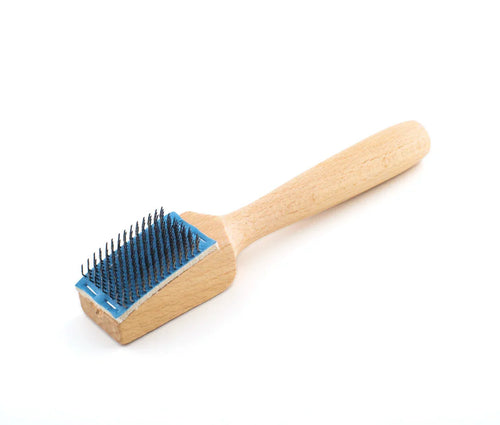
- Shoe brush for suede soles: This is your best friend for dance shoes. A special brush with metal or hard nylon bristles is indispensable for roughening up the suede soles of your dance shoes. I use it after every dance session to remove dirt and dust and to stand the fibers back up. This way, you maintain that crucial grip needed for spins and turns. In practice, I see that this product is often overlooked, but it really makes a world of difference in the lifespan and functionality of your shoes.
- Soft cloth and mild cleaner: For the upper, depending on the material. For leather, I use a slightly damp cloth to wipe away dust and surface dirt. For satin or synthetic materials, use a soft cloth with a bit of special shoe cleaner suitable for the material. Avoid aggressive chemicals that can damage the material. Think of the delicate finish of your ballroom shoes; you don't want to ruin those.
Protection and Maintenance of Materials
After cleaning, it's time for protection and nourishment, which is especially important for the lifespan of your shoes:
- Water and dirt repellent spray: This is a good investment, especially if your shoes are made of leather, suede, nubuck, or textile. A good waterproofing spray forms an invisible layer that protects your shoes against moisture and stains. This is particularly useful if you ever dance outside or wear your shoes to and from the dance studio. It prevents sweat stains or spilled drinks from soaking in permanently.
- Leather grease or cream: For leather dance shoes, nourishment is essential. Leather can dry out and crack, which is not only unsightly but also reduces the flexibility and comfort of the shoe. A good leather cream or grease keeps the leather supple and nourished. Apply it sparingly and rub it in well. This also helps to maintain the color and camouflage small scratches.
- Shoe trees: Although not directly a cleaning product, cedar wood shoe trees are indispensable for maintaining the shape of your shoes and absorbing moisture and odors. Put them in your shoes after every dance session. They help prevent wrinkles and cracks in the leather and ensure your shoes stay smelling fresh longer.
By using these basic products consistently, you ensure that your dance shoes not only last longer but also continue to perform optimally. After all, you are investing in your passion, and that requires the best care.
Protecting & Nourishing is Crucial
As a dancer, I know better than anyone how intensively your shoes are put to the test. Over the years, I have worn out countless pairs, and what I often see is that people only think about shoe care when it's actually too late. Prevention is better than cure, and that certainly applies to your dance shoes. Protecting and nourishing are the two pillars that significantly extend the life of your favorite pair.The First Line of Defense: Protecting
What I always advise, immediately after purchasing a new pair, is waterproofing. Think of it as an invisible shield. This is essential, especially for dance shoes that you use intensively. Think of the sweat your feet produce, the spilled drinks on the dance floor, or simply the dust and dirt that accumulates. A good waterproofing spray forms a barrier that prevents moisture and dirt from penetrating deep into the material. This also makes cleaning much easier later on. In practice, I always spray my new shoes, whether they are leather ballroom shoes or suede salsa shoes, twice with a good waterproofing spray, with drying time in between. I repeat this every few months, depending on how often I wear them.Nourishing: The Skin of Your Shoes
A common mistake is to only protect and forget that leather – just like your own skin – needs nourishment. Leather is a natural product and can dry out, become stiff, and even crack, especially under the influence of sweat and constant movement. What I often see with intensive dancers is that the folds in the leather, for example at the instep, quickly show cracks if the leather is not kept supple. A good leather cream or lotion nourishes the leather, keeps it flexible, and prevents dehydration. This is crucial for the comfort and durability of your shoes. Imagine having to dance for hours in stiff, creaking shoes – not ideal! After cleaning your dance shoes, and before you possibly polish them, is the time to nourish. Apply a small amount of cream to a soft cloth and gently massage it into the leather. Give it some time to soak in before moving on. For suede shoes, you obviously use specific suede products that do not make the material greasy but do nourish it and protect the fibers. This also helps to keep the color vibrant. Consider the anatomy of the shoe: the sole, the upper, the lining. Each part has its own needs. Especially the inside of the shoe, which comes into direct contact with your foot and sweat, benefits enormously from good care. I have seen the leather on the inside of a shoe, at the ball of the foot where there is a lot of friction and pressure during, for example, a cha-cha-cha, completely dry out and tear. Regular nourishment prevents these kinds of problems. Even for specific dance styles where you rotate and slide a lot, such as salsa or bachata, supple leather is essential for freedom of movement and the lifespan of your shoes. In short, a consistent routine of protecting and nourishing is not a luxury, but a necessity for anyone who wants to get the best out of their shoes. It not only extends the lifespan but also ensures they remain comfortable and maintain their appearance. Invest those few extra minutes; your shoes – and your feet – will thank you.Addressing Specific Materials
What I have learned in my years in the dance world is that shoe care is absolutely not a one-size-fits-all story. Each material requires its own approach, especially if you want your dance shoes to maintain their grip, flexibility, and appearance. A well-maintained shoe is not only more beautiful but also performs better and lasts longer. Important to know: the materials we encounter most and how best to treat them.Leather: The Foundation for Many Dance Shoes
Many of our practice shoes and certain ballroom or salsa shoes are made of leather. Leather is a beautiful, breathable material that molds to your foot, but it does need attention. What I often see is that people just throw their leather shoes into a bag after an intensive session without wiping them down. Sweat and dirt soak into the leather and cause it to dry out and crack. My advice? Always start with cleaning. A slightly damp cloth is often enough to remove dust and surface dirt. After that, hydration is crucial, just like for your own skin. A good leather conditioner keeps the leather supple and prevents cracks. And don't forget polishing! For shiny leather, use an appropriate shoe polish. This not only protects but also gives your shoes that professional finish you want to project on the dance floor.Suede: Grip and Feel on the Floor
Suede, especially on the soles, is the backbone of most dance shoes. It offers that perfect balance between grip and the ability to slide, essential for pivoting movements and fluid steps. But suede is also vulnerable. A common mistake is trying to clean suede soles with water. Absolutely do not do this! Water makes suede hard and slippery, causing you to lose grip and making your soles unusable. For suede soles, use a special suede brush. This brush often has metal bristles and is designed to roughen the suede again and remove trodden-in dirt. Brush regularly, preferably after every dance session. For stains on suede uppers or stubborn spots on the sole, there are suede erasers or special suede cleaners. Don't forget to use a protective suede spray after cleaning; this helps prevent future stains and significantly extends the life of your women's dance shoes.Satin, Synthetic Fabrics, and Patent Leather: Delicate Approach
Satin and synthetic fabrics are often seen in elegant Latin or Standard dance shoes. They look beautiful but are more sensitive to stains and damage. In practice, I often see that a small stain on satin quickly becomes an eyesore. Here, gentleness is the keyword. Use a soft, slightly damp cloth and possibly a very mild soap solution (for example, a drop of baby shampoo in water). Dab the stain carefully, do not rub! Then let the shoes air dry, away from direct sunlight or heat. Patent leather, although less common, also requires specific care. The shiny surface is sensitive to scratches and cracks. Clean patent leather with a soft, damp cloth to remove dust and fingerprints. There are also special patent leather conditioners and cleaners that help maintain the shine and prevent drying – and thus cracking. What I always recommend is filling your patent leather shoes with shoe trees after use to maintain the shape and minimize wrinkles. For all these materials: the sooner you tackle a stain, the greater the chance you can remove it completely. Good care of your elegant dance shoes ensures they keep shining, night after night.Cleaning Dance Shoes Specifically
As a dancer, you know that your shoes are more than just an accessory; they are an essential extension of your body, crucial for your balance, grip, and the smooth execution of every movement. Whether you take to the floor with elegant ballroom shoes, fiery salsa shoes, or the precision of ballet slippers, the specific demands placed on dance shoes require a very targeted approach when it comes to cleaning and maintenance. What I often see is that dancers use their shoes intensively and only think about cleaning when the grip really decreases or when they no longer look so fresh. But believe me, regular and correct maintenance significantly extends the life of your beloved shoes and ensures that you always perform at your best.
The Importance of a Clean Sole
The sole is perhaps the most important part of your dance shoe, especially for ballroom and Latin shoes that often have a suede or nubuck sole. These soles are designed to provide the perfect balance between sliding and grip. What I often see, especially with beginning dancers, is that the soles of their dance shoes quickly become dirty from dust, hair, and dirt from the dance floor. This dirt forms a layer that reduces grip, giving you less control over your turns and slides. This is not only annoying but can also lead to unnecessary strain on your knees and ankles.
My advice? After every dance session, grab your special suede brush. Always brush the soles in one direction to roughen up the accumulated dirt and the fibers that have been flattened. You will immediately notice that the sole becomes 'fuzzier' again and the grip returns. A common mistake is to use water on suede soles; this only makes it worse and can permanently damage the sole. Keep them dry and brush them regularly!
Caring for the Upper: Depending on the Material
The upper of dance shoes can be made of various materials, and each material requires a specific approach:
- Leather: For leather uppers, as you often see with classic ballroom or some salsa shoes, it is important to wipe them down after every session with a soft, slightly damp cloth. This removes sweat, dust, and any stains. Then dry them with a clean, dry cloth. Occasionally, you can use a small amount of leather cream or conditioner to keep the leather supple and prevent drying. This prevents cracks and significantly extends the lifespan.
- Satin: Satin shoes, which are so beloved in ballroom dancing for their elegant appearance, are delicate. Stains are a common problem here. In practice, I find that the best approach is to tackle stains immediately with a slightly damp cloth and a mild soap solution (for example, a drop of baby shampoo in water). Dab carefully, do not rub, and then let them air dry. Avoid direct sunlight or heat sources, as this can damage or discolor the satin.
- Canvas/Fabric: Dance shoes such as ballet shoes, jazz shoes, or some training shoes are often made of canvas or another textile. You can often clean these more carefully. Hand washing with a mild soap and cold water is usually the best option. Then fill the shoes with wads of paper (newspaper works well, but watch out for ink transfer!) to maintain the shape while they dry. Let them air dry completely before storing them again.
General Tips for Long-lasting Dance Pleasure
In addition to specific cleaning, there are a few general habits I always recommend to my students:
- Storage: Store your dance shoes in a breathable shoe bag, not in a sealed plastic bag. This prevents moisture buildup and unpleasant odors.
- Airing out: Let your shoes air out well after every training session or performance. Sweat is the enemy of any material. Use shoe fresheners or small bags with baking soda if necessary to neutralize odors.
- Rotation: If you have the opportunity, rotate between two pairs of dance shoes. This gives each pair time to dry completely and recover, which significantly extends the lifespan.
Regular maintenance is not a burden, but an investment in your dancing pleasure and the life of your shoes. It ensures that you always step onto the dance floor with confidence and the right grip!
Preventing Common Mistakes
In my years of experience with dancers and their shoes, I notice that shoe care is often started with the best intentions, but a number of persistent mistakes keep recurring. It's just like with dance steps: you can know the theory, but in practice, things sometimes go wrong. Important to know: the most common pitfalls so that you can avoid them and your dance shoes last longer.
1. The Wrong Products and 'One Size Fits All' Thinking
What I often see is that people think all shoe polishes or cleaning agents are the same. Nothing could be further from the truth! A common mistake is using a universal leather spray on delicate satin dance shoes, or worse, water on suede. Water is disastrous for suede and can leave unsightly stains and hard spots. For satin, you need special, mild cleaners that do not affect or discolor the fabric. And for patent leather? For that, you need a specific patent cleaner and conditioner to maintain the shine and prevent cracking. In practice, I see that this mistake often leads to irreparable damage. Remember: each material requires a specific approach and the right shoe care products for women.
2. Procrastination and Incorrect Cleaning Techniques
Another common mistake is delaying cleaning. After an intensive night of dancing, whether you've torn up the floor with your salsa shoes or glided elegantly across the ballroom floor, there is sweat, dust, and dirt on and in your shoes. If you leave this, it soaks into the material and becomes much harder to remove. Especially the suede soles of dance shoes are sensitive to this. If these are full of dirt, they lose their grip, which can be dangerous while dancing. A common mistake is also brushing suede too forcefully. This can damage the fibers, making the suede thinner and losing its velvety texture. Always be gentle and patient when cleaning.
- Brushing too hard: Use a special suede brush and always brush in one direction, without too much pressure. The goal is to remove dirt, not to sand the material.
- Water on suede: Avoid water at all times. Use special suede cleaners and a soft cloth.
- Too much product: Less is often more. Start with a small amount of cleaning agent and add more if necessary. Excessive use can leave residues or saturate the material.
3. Forgetting Storage and Nourishment
I see it so often: after dancing, the shoes immediately disappear into a sealed bag, only to come out again at the next lesson. Big mistake! Your shoes need breathing space. The sweat and moisture that built up during dancing must be able to escape. Otherwise, you create a breeding ground for bacteria and fungi, leading to unpleasant odors and the breakdown of the material. Always use shoe trees (preferably made of cedar wood, which absorbs moisture and neutralizes odors) and store your shoes in a dry, ventilated place. For leather shoes, it is also crucial to nourish them regularly with a good leather cream or balm. Leather is a natural product and dries out if it is not hydrated. Dried-out leather becomes stiff, loses its flexibility, and will eventually crack. This is a common problem that is easily prevented with proper aftercare.
Your Shoe Care Routine
In the dance world, your footwear is more than just an accessory; it is an essential extension of your body. What I often see is that dancers invest heavily in their technique and lessons but sometimes overlook the maintenance of their shoes. A well-maintained shoe is crucial for optimal performance, comfort, and, importantly, the lifespan of your investment. A solid shoe care routine is therefore not a luxury, but a necessity. It's not just about making them look good, but also about the functionality and grip you need on the dance floor.Daily Care: After Every Dance Session
The most important step in your shoe care starts immediately after every dance session. This is where the most gain can be made.- Cleaning Soles: For dance shoes with suede soles – which I encounter with most ballroom and Latin dance shoes – it is essential to brush them after every use. A special suede brush removes accumulated dirt and restores the texture of the suede, which is crucial for proper grip and pivotability. A common mistake is delaying this too long; the dirt then cakes on and becomes harder to remove.
- Ventilation: Dance shoes become damp from sweat. Never put them directly into a sealed bag after dancing. Let them air out well. I often hang my shoes over the back of a chair or use a shoe bag made of breathable material to allow moisture to escape. This prevents unpleasant odors and the growth of bacteria.
- Shoe Trees: Although not always mandatory, cedar wood shoe trees are an excellent investment. They help maintain the shape of the shoe and simultaneously absorb moisture and odors. In practice, I see that shoes used regularly with trees maintain their fit much longer.
- Light Upper Cleaning: Quickly wiping the upper with a soft, dry cloth removes surface dust and dirt. For patent or synthetic materials, this is often sufficient for daily cleaning.
Deeper Cleaning and Periodic Maintenance
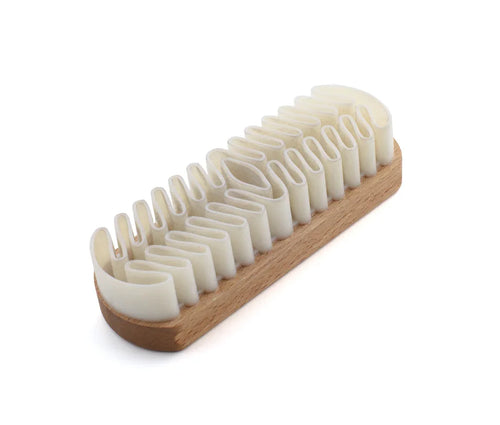
In addition to the daily routine, it is important to give your dance shoes a more thorough cleaning periodically. How often this is needed depends on how intensively you dance and the conditions.- Suede Upper: For suede uppers, such as you often see with elegant salsa shoes, a special suede eraser or cleaner may be needed to remove stubborn stains. Always work carefully and test on an inconspicuous spot. After cleaning, you can apply a suede protector spray to help prevent future stains.
- Leather Shoes: Leather dance shoes require specific attention. Use a mild leather cleaner to remove dirt, followed by a leather conditioner to keep the leather supple and hydrated. This prevents drying and cracking. Occasionally, a little shoe polish in the right color gives the leather a beautiful shine again. What I often notice is that dancers forget that leather is 'alive' and needs nourishment.
- Satin Shoes: Satin is delicate. Stains on satin dance shoes, such as those often used for weddings or special occasions, are best treated immediately with a slightly damp cloth and a mild soap solution. Dab carefully, do not rub, to prevent damage to the fabric.
- Heels and Heel Tips: Regularly check your heels and heel tips. Worn-out heel tips not only affect your balance and technique but can also damage the floor. I have often seen that a simple replacement of heel tips brings a dancer back into full balance and significantly extends the life of the shoe. Make sure you always have a pair of spare heel tips with you, especially if you perform a lot. For all your shoe care products, including these essential parts, you can often visit specialized stores.
Frequently Asked Questions
What are the absolute basic products I need for shoe care?
For a good foundation, you need a universal cleaner, a nourishing cream or polish (depending on the material), a brush to remove dirt, and a soft cloth. A waterproofing spray is also essential to protect your shoes against moisture and stains. With this set, you can properly maintain most common shoe types and extend their lifespan.
How often should I clean and maintain my shoes?
The frequency depends on how often you wear the shoes and the conditions. Daily shoes that endure a lot need a light cleaning weekly and a more thorough maintenance session monthly. Less frequently worn shoes can suffice with once every few months. Regularly check your shoes for dirt and wear; that is the best indicator.
Are special products needed for cleaning dance shoes?
Yes, dance shoes often require specific care. For suede soles, for example, use a special suede brush to maintain grip. Leather dance shoes benefit from mild cleaners and conditioners that keep the leather supple without leaving residue. Avoid aggressive chemicals that can damage the material. Always consult the manufacturer's recommendations for optimal care.
Which product best protects my shoes against water and stains?
A good waterproofing spray is crucial for optimal protection against water and stains. This creates an invisible, breathable layer that prevents moisture and dirt from soaking into the material. Apply the spray to clean shoes and let it dry well. Repeat this process regularly, especially after a thorough cleaning, to maintain protection. This significantly extends the lifespan.
Should I use different products for leather and suede shoes?
Absolutely. Leather and suede are very different materials and require specific products. Leather needs nourishing creams, polishes, and conditioners to keep it supple and shiny. Suede, on the other hand, requires special brushes and sprays to maintain the texture and remove stains without damaging the material. Universal products are often not effective for both.
How can I remove unpleasant odors from my shoes?
To combat unpleasant odors, there are several options. Shoe deodorants or sprays are effective for killing bacteria and leaving a fresh scent. You can also use shoe trees containing cedar wood; this naturally absorbs moisture and odor. Also, ensure your shoes can air out well after wearing and alternate with other pairs.
Why is regular shoe maintenance important, besides for appearance?
Regular shoe maintenance is essential for more than just a good appearance. It significantly extends the life of your shoes by keeping the material supple and protecting it from wear and weather influences. Well-maintained shoes also offer better comfort and support. Furthermore, it helps maintain hygiene, which prevents the growth of bacteria and fungi.


