

Table of Contents
- Essential Sevillanas Clothing
- The Right Flamenco Shoes
- Accessories for Spanish Dance
- Choosing Traditional Feria Outfits
- Maintenance of Flamenco Clothing
- Trends in Feria Fashion
- Frequently Asked Questions
You have finally mastered the steps of the Sevillanas, but as soon as you put on that heavy skirt for the first time, every turn suddenly feels very different. Sevillanas clothing forms the soul of the Feria and traditionally consists of a fitted dress (traje de flamenca) or a combination of a skirt and blouse, combined with the right flamenco shoes for those characteristic rhythmic sounds. In the years that I have been teaching this beautiful Spanish dance, I have seen countless students struggle with hems that are too long or shoes that look beautiful but cause blisters after just an hour on the dance floor.
A good outfit should move with you, not work against you. During the Feria de Abril in Seville, you sometimes dance for hours on end in the burning sun; that's when you really notice the difference between a cheap ready-made outfit and authentic flamenco clothing made of quality fabrics that breathe. It is about the subtle balance between the weight of the fabric, which helps you with the graceful 'floreo' handwork, and the comfort needed for the intense footwork sections. In this article, I share my personal experiences and practical tips on what to look for when purchasing your outfit, so that you not only steal the show with your appearance but can also actually continue dancing with technique and ease until the sun rises over the Real.
Essential Sevillanas Clothing
When you first walk onto the sandy paths of the Feria de Abril, you immediately notice that the Sevillanas is more than a dance; it is an endurance test. What I often see with dancers who leave for Spain unprepared is that they underestimate the impact of the ground on their feet. The right flamenco shoes are your most important tool here. In practice, I notice that students often choose a heel that is too high because it looks more elegant, but don't forget that on a Feria day you are on your feet for hours. A sturdy heel of 5 to 6 centimeters, preferably a 'carrete' model for extra stability, is essential to maintain that typical golpe and taconeo technique without overstraining your ankles.
The technique behind the shoe
A common mistake is wearing regular pumps or dance shoes with a smooth sole. In Spanish dance, everything revolves around the sound you make. Authentic shoes have small nails (clavos) in the toe and the heel that have been manually polished. This provides that deep, dry sound during the footwork passages of the third and fourth copla. What I often advise in class is to pay attention to the width of the heel; a heel that is too narrow sinks into the albero (the typical yellow sand of the Feria), which can completely ruin your balance during the 'pasada'. Also make sure that the shoe has a sturdy strap over the instep, so that your foot does not slide when you sweat from the heat.
The Traje de Flamenca: More than just ruffles
Besides the footwear, the dress, or the 'traje de gitana', is decisive for how you move. In practice, I see that tight dresses are beautiful for the photo, but often limit the freedom of movement of the knees. When choosing flamenco clothing for an event, you must take the anatomy of the dance into account. The Sevillanas has many turning movements and arm movements above the head (braceo). If the sleeves of your dress are too tight under the armpits, you pull the whole dress up as soon as you raise your arms.
- The Volantes (ruffles): These give weight to the bottom of the dress, which helps with turning, but they also make the dress heavy. Practice at home with the extra weight to train your balance.
- The Mantón (shawl): A common mistake is wearing the mantón too loosely. Pin it securely to the back and shoulders so that it does not shift during the fast 'careos'.
- The Flor (flower): Traditionally, you wear the flower on top of your head, exactly in the middle. This helps you visually to keep your axis straight while dancing.
What I often see with advanced dancers is that they choose a two-piece set (skirt and body) instead of a full dress. This offers more flexibility and ventilation, which is not a luxury in the crowded casitas. With a skirt, always pay attention to the 'vuelo' (the width at the bottom); you must be able to lift the skirt easily while dancing without the fabric getting tangled between your legs. A good rule of thumb is that you should be able to spread the skirt sideways to hip height without feeling resistance from the fabric.
The Right Flamenco Shoes
The shoe is perhaps the most critical part of your entire outfit, especially if you plan to dance Sevillanas for hours. In practice, I often see dancers paying the most attention to the color of their flower or the ruffles of their dress, but your feet are the ones doing the hard work on the Real. A good shoe determines not only how you dance, but also how long you can keep it up without pain.
What I often see with beginners is that they make the mistake of choosing regular pumps or shoes with a sole that is too thin. In the Sevillanas, everything revolves around the 'compás' (the rhythm) and the 'golpe' (the strike with the foot). Without the right flamenco shoes with nails in the heel and the toe, you miss that characteristic percussive sound. These small metal nails are carefully driven into the leather and then sanded smooth, so that you have the sound, but do not damage the dance floor. In class, I immediately notice the difference in self-confidence when a student switches from a standard shoe to a model specifically made for this discipline.
The Anatomy of Sound and Support
A common mistake is underestimating the stability of the heel. For the Feria, where the floors of the casitas are often made of wood but the paths between them consist of 'albero' (yellow sand), you need a heel that stands firmly. I usually advise a 'tacón cubano'. This is a slightly wider, block-shaped heel that offers much more balance than a thin stiletto heel. The ideal height is usually between 5 and 6 centimeters. This is high enough for the correct posture and aesthetics of the Spanish dance, but low enough not to unnecessarily strain your back during the many turns in the third copla of the Sevillanas.
When purchasing, also pay attention to the closure. In practice, I see that shoes with a strap over the instep (the so-called 'correa') or a lace-up closure stay on best. Nothing interrupts your flow more than a shoe that slips at the back while you are performing an 'escobilla'. The material should preferably be leather or suede; synthetic fabrics do not breathe and do not mold to your foot, which inevitably leads to blisters in the heat of Seville.
Practical Tips for the Feria Dancer
If you invest in quality flamenco clothing, don't forget that your shoes are an integral part of that whole. Here are some specific things to look out for to get through the week unscathed:
- Breaking them in is essential: Never go to the Feria in brand new shoes. Wear them at least two weeks in advance during your classes or at home with a thick sock to make the leather supple.
- Sole check: Check if the sole is sewn and not just glued. Due to the heat on the sandy paths, glue can become soft, causing the sole to come loose while dancing.
- Maintenance: The fine dust of the Feria gets into suede shoes. Smooth leather is easier to clean in practice with a damp cloth and some shoe polish to make them shine again for the next day.
- The fit: Your foot should not slide in the shoe. A good flamenco shoe should be almost too tight at first, because leather always stretches a bit due to the heat and pressure of your foot.
Ultimately, your shoe is your instrument. Whether you are an advanced dancer or practicing the steps of the Sevillanas for the first time, the right support under your feet makes the difference between a painful experience and a night full of passion and fun. Make sure you choose quality that matches the intensity of the dance; your feet will thank you when the sun rises again over the casitas.
Accessories for Spanish Dance
When dancing the Sevillanas at the Feria, it's all about the balance between tradition and functionality. What I often see in practice is that dancers stare blindly at the color of their dress, but forget the accessories that technically support the dance. The basis of your outfit always starts at the feet. A pair of decent flamenco shoes is not a luxury, but a necessity if you want to keep going all day (and night) in the casetas. In dance class, I always explain that a regular pump is not sufficient for Spanish dance. The sole must be stiff enough to absorb the blows of the taconeo (the footwork), while the nails in the toe and the heel provide that specific, dry sound on the wooden floors. A common mistake I see with beginners is choosing a heel that is too high. For Sevillanas, where you turn a lot and make sideways steps, a stable block heel of 5 or 6 centimeters is often much more effective than a thin stiletto heel that can get stuck in the cracks of the floor.The art of the Mantón and the Brooch
An essential part of the outfit is the mantoncillo, the small shawl with fringes. In practice, I often see this shawl sliding in all directions while dancing, which is incredibly distracting during the second and third copla of the Sevillanas. The trick that experienced dancers use is strategically securing the shawl with a large brooch (broche de flamenca) in the middle of the chest and two inconspicuous safety pins on the shoulders. When choosing your accessories, also pay attention to the coherence with the rest of your flamenco clothing. If your dress is busy with dots (lunares), you often keep the accessories quieter in one color. Here are a few practical things to look out for with your accessories:- The Flor (Flower): Contrary to what many people think, the flower in the Sevillanas style belongs right on top of the head, not behind the ear. This lengthens your neck and forces you into a proud posture.
- The Peineta (Hair Comb): Make sure it is firmly in your bun (moño). A loose comb will wobble as soon as you throw your arms up in the fifth position.
- Earrings (Pendientes): Choose large, round models (aros) that match the color of your flower. Pay attention to the weight; earrings that are too heavy pull on your earlobes during the powerful movements of the Spanish dance.
Functionality on the sand of the Feria
What I often see is that people forget that the Feria de Abril takes place on the albero, the characteristic yellow sand. This sand is merciless to suede shoes. In practice, I therefore always recommend choosing smooth leather flamenco shoes that you can easily wipe off with a damp cloth after a day of dancing. Don't forget the abanico (fan). This is not just a decorative element, but an essential survival tool in the warm tents. A good fan for the dance is made of sturdy wood and cloth, so that it snaps open with a powerful 'bang'. This sound adds extra accents to your dance, provided you master the technique to open it with one wrist movement. It is this combination of technical details and cultural aesthetics that ensures you don't just walk around like a tourist in a costume, but enter the dance floor as a true flamenca.Choosing Traditional Feria Outfits
When you first step onto the Real de la Feria, you immediately notice that an outfit is more than just outward appearance; it is an extension of your movement. In practice, I often see people underestimating the physical strain of dancing Sevillanas all day. The dress, or the traje de gitana, must be form-fitting but must absolutely not hinder you in the large arm movements (braceo) that are so characteristic of this Spanish dance. What I often see with students is that they choose a dress that looks beautiful in the mirror, but in which they can hardly breathe or move as soon as the guitar starts playing. A good Feria outfit balances between aesthetics and functionality. For example, pay attention to the weight of the 'volantes' (the ruffles at the bottom). Too many layers make the dress lead-heavy, which becomes a real problem for your stamina after three hours of dancing in the burning sun of Seville. The basis of your outfit, however, starts at the feet. A common mistake is wearing regular pumps or fashion heels. For the powerful footwork sections of the Sevillanas, you need a specific stability that a normal shoe does not offer. Quality flamenco shoes are essential because they have a reinforced heel and toe, often with small nails in the sole for that characteristic sound on the wooden floors of the casitas. Without the right support, dancers risk injuries to the Achilles tendon or the forefoot due to the constant impact of stomping.The details that make the difference
When choosing your flamenco clothing, everything revolves around the right proportions and cultural codes. For example, the flower (la flor) belongs right on top of the head, not behind the ear or on the side. This visually lengthens your silhouette while you dance and keeps your posture 'proud'. The mantoncillo (the shawl) must also be strategically secured with a brooch. In practice, I often see loose shawls blocking arm movements during the third and fourth copla, which disturbs the fluid line of the dance. When looking at shoes for long days at the Feria, I often advise choosing a pair with a medium heel height (often 5 or 6 cm). I often see dancers who start on extremely high heels having to give up halfway through the afternoon due to cramps in the calves. Good Spanish dance shoes offer a sturdy footbed that absorbs shocks, which is crucial if you plan to keep going for hours.- Choose breathable fabrics such as cotton blends (poplin) instead of heavy synthetic fabrics to prevent overheating while dancing.
- Make sure your dress has a 'bolsillo' (hidden pocket) under the volantes; a handbag is awkward and disturbs your balance during turns.
- Always wear special tights or cotton shorts under your dress to prevent thigh chafing during intensive steps.
Maintenance of Flamenco Clothing
After an intensive day at the Feria or a series of classes in the studio, I often see dancers neglecting their outfit a bit. That's a shame, because quality flamenco clothing is an investment you can enjoy for years if you know how to handle the fabrics and materials. In practice, a dress has to deal with sweat, dust from the albero (the typical yellow sand at the Feria) and sometimes even a stray drop of Rebujito. The secret to a long-lasting beautiful outfit is not in washing more often, but in smarter maintenance.
Caring for your Flamenco shoes
A common mistake I see with beginners is that they put their shoes directly into a closed plastic bag after class. This is disastrous for the leather and the insole. The moisture from your feet then has nowhere to go, causing the leather to react and the nails in the sole to come loose faster. What I always advise is to wipe your flamenco shoes with a dry cloth immediately after use and let them air out for at least 24 hours in an open space, but never directly near the heater or in full sun.
- Regularly check the nails (clavos) in the heel and the toe. If they wear down too much or become loose, you not only damage the floor, but you also lose that sharp, dry sound that is essential for the Spanish dance.
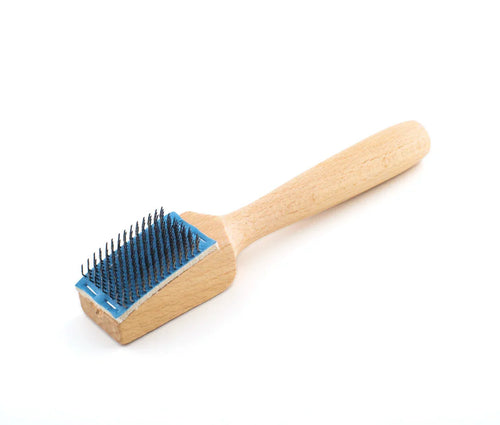
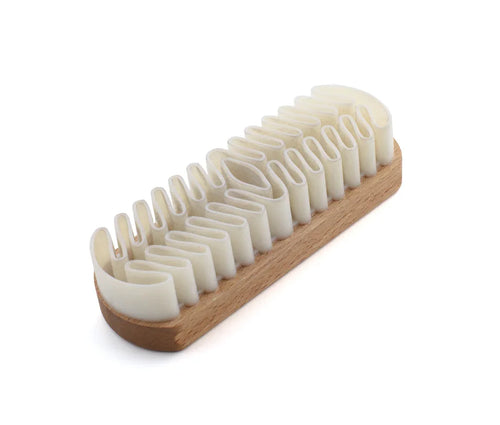
- For suede models, use a special brush to gently rub away dust and dirt before it gets into the fibers.
- You can nourish smooth leather with a quality shoe polish to prevent it from drying out and cracking at the flex points of the foot, which I often see happening with intensive footwork.
Keeping your Traje de Flamenca fresh
The heavy fabrics and many meters of ruffles (volantes) make washing a flamenco dress a challenge. In practice, I recommend washing the dress as little as possible in its entirety. Often it is sufficient to clean only the armpits and the inside of the bodice by hand with a mild soap. If the bottom of the skirt is full of sand from the Feria, let it dry completely before trying to remove it with a soft brush. A wet brush only rubs the dirt deeper into the fabric.
What I often see happening when ironing is that the heat takes the resilience out of the ruffles, causing them to hang limply along the legs. Preferably use a steamer or iron the dress inside out at a low temperature. For storage, a breathable cotton garment cover is essential; plastic covers can cause the fibers to suffocate and unpleasant odors to arise. Always hang the dress by the special loops located on the inside of the waist, so that the weight of the skirt does not pull on the shoulder straps and distort the fit at the bust.
Accessories and the Mantón
Don't forget the accessories, because they complete the outfit. You should never wash a silk Mantón (shawl) yourself; the fringes will irrevocably get tangled and the silk will lose its shine. In dance practice, I often see people leaving their shawl folded in a bag after a performance. It is better to drape the Mantón over a wide hanger so that the fringes can hang freely. Should a knot occur in the fringes, use a coarse comb and start detangling at the bottom. Be careful with hairspray and perfume; spray this on before putting on your dress and flowers, because the chemicals can cause stains that even the dry cleaner cannot get out.
Trends in Feria Fashion
In practice, I see the trends on the Real in Seville change subtly every year, but the core of the Sevillanas outfit always remains rooted in tradition. What has particularly struck me recently is a clear shift towards 'comfortable elegance'. Where dresses used to be lead-heavy due to meters of stiff strips of fabric, I now much more often see lighter materials such as plumeti, chiffon or stretch cotton. This is a logical development: anyone who dances Sevillanas all day in the burning sun of Andalusia does not want to succumb to the weight of her own clothing.The balance between tradition and modern convenience
A common mistake I see with students going to a Feria for the first time is that they look purely at the appearance of the dress and completely forget the functionality. A real Feria outfit must be able to breathe and move with you. The current trend shows many 'canastero' skirts. These are skirts that consist of one continuous strip instead of the classic five or six separate volantes (ruffles). This gives a beautiful, fluid movement during the turns of the Sevillanas without the skirt pulling heavily on the hips. As far as footwear is concerned, I see in practice that dancers are becoming more critical. Although the classic rope wedge (esparto) remains popular for walking on the sandy paths of the Feria, women who really take to the floor in the casitas are increasingly choosing shoes that offer technical support. The ground in those tents is often wooden planks, which demands a lot from your joints. Good flamenco shoes with a well-balanced heel and a sturdy closure around the ankle are then not a luxury, but a necessity. This prevents you from standing on the sidelines with swollen ankles after the second day.Colors and finishing: the details make the dancer
The time of garish neon colors is now far behind us. What I see a lot on the dance floor now are earth tones, deep olive green, mauve and of course the timeless combination of red with white lunares (dots). The 'mantón' (shawl) is also worn less tightly and statically nowadays; the trend is to drape it a bit looser over the shoulders or to secure it crosswise over the chest with a vintage brooch. This gives more freedom during the 'braceo' (arm movements), which is essential for the gracefulness of the dance. When putting together your wardrobe for this Spanish dance, pay attention to the following current trends:- High waists: Skirts that close high in the waist are currently very popular. They lengthen your silhouette and help remind you to engage your core while dancing.
- The placement of the flower: You hardly see the tradition of wearing the flower behind the ear anymore. We now place the 'flor' right on top of the head, which makes you optically taller and makes your posture appear prouder.
- Personalized accessories: Instead of plastic earrings, I increasingly see handmade works of art made of acetate or silk that match the specific shades of the flamenco clothing being worn.
Frequently Asked Questions
What is the traditional clothing for the Feria?
The traditional clothing for the Feria de Abril is the traje de flamenca, also known as the gypsy dress. This colorful flamenco clothing accentuates the figure and is decorated with ruffles on the skirt and sleeves. Usually the outfit is combined with a flower in the hair and a large shawl around the shoulders for the ultimate, authentic Spanish appearance during the festival.
What are the best flamenco shoes for the Feria?
The best flamenco shoes for the Feria combine style with comfort, as you are on your feet for hours. Choose shoes with a sturdy heel and a good sole suitable for both dancing and walking across the grounds. Although professional dance shoes have nails in the heel, many visitors choose comfortable variants without nails for long-term recreational use.
What is the difference between Sevillanas and flamenco clothing?
Although the terms are often used interchangeably, Sevillanas clothing is usually the festive variant seen at festivals. Flamenco clothing for professional Spanish dance is often designed tighter and more technically to offer maximum freedom of movement during complex footwork passages. For the Feria, it is mainly about aesthetics, bright colors and the cheerful polka dot patterns that beautifully reflect the festive atmosphere.
How do you choose the right flamenco dress for the Feria?
When choosing the right dress, the fit is essential. A good traje de flamenca should be tight around the waist and flare elegantly at the hips. Also pay attention to the length; the skirt should fall just above the ankles so that you do not trip over the fabric during the Spanish dance. Additionally, choose breathable fabrics such as cotton to stay cool.
Which accessories belong with a complete Sevillanas outfit?
A Sevillanas outfit is not complete without the right accessories. Think of large, striking earrings, a colorful flower worn on top of the head, and a mantoncillo with fringes secured with a brooch. These details reinforce the traditional look and complete your appearance at the Feria, fitting the rich and vibrant culture of the Spanish dance.
What do men traditionally wear during the Feria de Abril?
Men often wear the traje de corto during the Feria. This ensemble consists of tight trousers with a high waist, a short jacket, a white shirt and a wide hat called the sombrero de ala ancha. Although it is less colorful than the women's dresses, it is a very elegant and formal style that fits perfectly with the horse shows and traditions.
What should you look out for when buying Spanish dance clothing?
When buying Spanish dance clothing for the Feria, the quality of the fabric and the finish of the ruffles is crucial. Cheap costumes can feel sweaty and often lack the authentic swing in the skirt. Invest in a dress that flatters your figure and always combine it with quality flamenco shoes to prevent blisters while dancing.
The beauty of the Sevillanas is that it is not just a dance; it is a powerful celebration of culture, passion and connection. What I especially want to give you is that your outfit is the translation of that energy. Remember above all that the right balance between tradition and comfort makes the difference between simply participating and truly shining on the dance floor. Whether it is the swirl of your skirt or the stability of your flamenco shoes, every detail contributes to your expression within this beautiful Spanish dance. If you are ready to experience the magic of the Feria yourself, we invite you to discover our women's flamenco collection for authentic clothing that accentuates your movements and strengthens your self-confidence. The right flamenco clothing is the first step to an unforgettable experience. Put on your most beautiful outfit, throw your shoulders back and show the world with how much pride and passion you dance the Sevillanas.


