

Table of Contents
- Why Maintain Pointe Shoes?
- Daily Maintenance: Tips
- Cleaning and Storage
- Extending Lifespan: Tips
- Avoiding Common Mistakes
- When to Replace Pointe Shoes?
- Frequently Asked Questions
Spinning that perfect pirouette, or gliding smoothly across the dance floor… that only really works if your shoes don't let you down, right? I see it so often in my classes: dancers struggling with slippery soles, or shoes that look like they've run a marathon after just a few months. It's a shame, because with the right shoe care and a little attention to cleaning dance shoes, you can significantly extend the life of your favorite pair and improve your performance.
As an experienced dance instructor, I know better than anyone how important proper shoe maintenance is. Dance shoes are an investment, whether you dance salsa, ballroom, or ballet. They are your extension on the floor; they offer grip, support, and make you shine. But sweat, dust, and constant contact with the dance floor take their toll. In this article, I share my proven methods and practical tips for keeping your dance shoes in top condition, from daily maintenance to thorough cleaning. This way, they stay beautiful, comfortable, and safe for longer, so you can focus on what really counts: the dance.
Why Maintain Pointe Shoes?
As a dancer, I know from experience how intense the relationship with your pointe shoes is. They aren't just shoes; they are an extension of your feet, your instrument, and sometimes it feels like they contain a piece of your soul. What I often see, especially with younger dancers, is that pointe shoe maintenance is neglected. The thought is often: "They're going to break anyway," or "Buying new ones is easier." But believe me, that's a misconception that can cost you both pain and money.
Extend Lifespan and Save Costs
Let's be honest: pointe shoes are an investment. Costs can add up quickly, especially if you go through multiple pairs per season. A common mistake is thinking a pointe shoe is "finished" as soon as the box gets a bit softer or the shank starts to break. In practice, you can significantly extend the life of your pointe shoes with the right care. Think of letting them dry regularly after every class, reinforcing the box with shellac, or neatly sewing on ribbons and elastics. These are small actions that protect the shoe's structure and ensure the box and shank maintain their support longer. A well-maintained pair can easily give you an extra week or two of wear time, which adds up to a lot of money over a year. Specific products for shoe care can make a world of difference here.
Optimal Performance and Technique
A pointe shoe that is well-maintained feels very different on your foot. When the box and the shank retain their firmness, they provide the crucial support you need for a stable and safe pointe. What I often see is that dancers with worn-out pointe shoes unconsciously adjust their technique to compensate for the lack of support. This leads to:
- Less stability on pointe: A soft box doesn't give your foot a solid platform, forcing you to balance more from your ankle and foot muscles, which causes fatigue and uncertainty.
- Difficulty with demi-pointe: If the shank breaks too quickly or becomes too soft, you lose the resistance needed to roll the foot correctly through demi-pointe. This can affect your line and even lead to overextension or the "collapsing" of the foot.
- Loss of control: A shoe that loses its shape can make your feet feel like they are swimming, reducing precision and control during complex variations or pirouettes.
In my classes, I always emphasize that your shoes should help you, not hinder you. A pair that retains its shape allows you to focus entirely on your technique and artistic expression, whether you are a beginner or have been on stage for years with professional dance shoes.
Injury Prevention and Hygiene
This is perhaps the most important aspect of pointe shoe maintenance. A worn-out pointe shoe is not just uncomfortable; it is dangerous. Without the proper support from the box and the shank, you run a much higher risk of injury. I have too often seen dancers with "dead" pointe shoes struggle with:
- Ankle sprains: A lack of lateral support can lead to instability and make it easier to sprain the ankle.
- Metatarsal stress fractures: When the foot is not correctly supported, unnatural forces are placed on the metatarsal bones, which can lead to painful overuse or even fractures.
- Blisters and calluses: A shoe that doesn't fit well or loses its shape can cause friction, resulting in blisters and calluses.
Besides the physical risks, there is also the aspect of hygiene. Dancing is intensive, and your feet sweat. This sweat absorbs into the materials of your pointe shoes, which not only leads to unpleasant odors but can also be a breeding ground for bacteria. By letting your pointe shoes dry thoroughly after every workout (never on the heater!) and potentially using a disinfectant spray, you keep them fresh and prevent skin irritations. It’s a small effort that makes a big difference for your foot hygiene and overall comfort. Consider sprays that you can find among shoe care products for all types of dance shoes.
In short, maintaining your pointe shoes is not an optional task, but an essential part of your dance routine. It is a sign of respect for your craft, your body, and your investment. By taking care of your pointe shoes, you are also taking care of yourself and can enjoy the beautiful art of ballet longer and more safely.
Daily Maintenance: Tips
In the world of dance, I know from experience that your dance shoes are more than just an accessory; they are an extension of yourself, your partner on the dance floor. They catch sweat, endure endless pirouettes, and absorb the impact of every step. What I often see is that dancers carelessly throw their shoes into a bag after an intensive class or evening, only to take them out again the next time. That is a common mistake. Proper daily maintenance is the key to extending the life of your beloved dance shoes and ensures they maintain their grip, comfort, and appearance. It's not just about aesthetics; it's about performance and preventing injuries.
After Every Dance Session: The Basic Steps
Immediately after dancing, even before you store your shoes, there are a number of simple actions that make a world of difference:
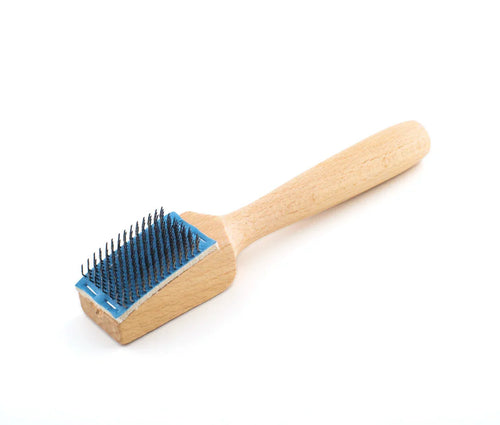
- Brushing Soles: The suede soles of your dance shoes are essential for the right grip and turnability. During dancing, they collect dust, dirt, and even hair, making them slippery. I recommend brushing the soles after every session with a special dance shoe brush. Brush in one direction to lift the fibers back up. This restores the texture and thus the grip. In practice, I see that this is often skipped, resulting in slipping or loss of control.
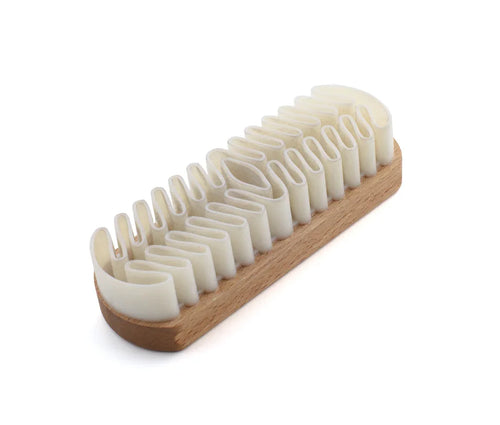
- Cleaning the Upper: Depending on the material of your shoes, a quick cleaning of the upper is important. For leather or synthetic materials, a damp cloth is often sufficient to wipe away sweat and dirt. Suede or nubuck shoes require a soft brush to remove surface dirt, or a special eraser for stubborn stains. Think of the sweat marks that can form at the heel or toes, especially if you turn a lot or wear specific salsa shoes.
- Airing and Drying: Dancing is intensive, and your feet sweat. Never put your shoes in a closed bag immediately after dancing. Take them out of your bag and let them air for at least a few hours in a dry, ventilated spot, away from direct sunlight or a heat source. This prevents mold growth and unpleasant odors. What I often do is place a pair of cedar shoe trees inside; these absorb moisture and help maintain the shape.
- Maintaining Shape: Use shoe trees or fill the shoes with newspaper (unprinted to prevent ink transfer) to maintain the original shape. This is especially important for materials like leather or satin that otherwise easily wrinkle or deform.
Quick Check: Prevention is Better Than Cure
In addition to daily cleaning, I always take a moment for a quick inspection. This is crucial for identifying small problems before they become big ones:
- Heels and Heel Tips: Check the heels and especially the heel tips (caps). Worn heel tips make your shoes unstable, change your balance, and can even damage the heel itself. A worn tip is not only dangerous but can also damage the floor. Replace them immediately if they show wear. This is a small investment that prevents much larger problems.
- Stitching and Glue Bonds: See if all stitching is still intact and if any glue bonds are coming loose, especially at the sole edge or where the straps are attached to the shoe. A loose strap can cause an unexpected and dangerous situation in the middle of a turn. A drop of special shoe glue can work wonders here.
- Insole: Check the insole for wear or shifting. A broken insole reduces comfort and support, which can lead to foot complaints.
By integrating these simple routines into your dance life, you will notice that your dance shoes last longer, perform better, and are always ready for the next dance. It's a small effort with a big return.
Cleaning and Storage
After an energetic night of dancing, whether it's an intensive workout or a sparkling social event, the temptation is great to just throw your dance shoes in your bag and not look at them again. But believe me, from years of experience on the dance floor, this is one of the biggest mistakes you can make. The lifespan of your shoes, and therefore the comfort and performance they offer, depends largely on how you treat them after dancing. Proper shoe care is not a luxury; it is an absolute necessity.
Cleaning the Sole: Your Grip on the Floor
The sole is perhaps the most crucial part of your dance shoe. Most dance shoes, whether they are salsa shoes or elegant ballroom models, have a suede sole. This sole gives you that perfect balance between grip and the ability to slide. What I often see is dancers complaining about reduced grip over time, without realizing that this is often due to a dirty sole. Sweat, dust, hair, and even spilled drinks can flatten the suede and clog the fibers.
The solution? A special suede brush. Immediately after dancing, or at the latest the next day, grab this brush. Brush the sole firmly in different directions. You will see the suede roughen up again and the fibers stand upright. This restores the texture of the sole and thus your grip. A common mistake is using water or other liquids; this can permanently damage the suede and make it hard. Keep it dry and mechanical!
Cleaning the Upper: Shine and Protection
The upper of your dance shoes also needs attention, depending on the material:
- Leather: Leather is relatively robust. Wipe it down after every dance session with a slightly damp cloth to remove sweat and dirt. For more stubborn dirt or to keep the leather supple, you can occasionally use a special leather cleaner and conditioner. This prevents drying and cracking, which is especially important at the flex points of the shoe.
- Satin: Satin shoes, often seen in ballroom or bridal shoes, are much more delicate. What I often see in practice is people handling satin too roughly. Stains should be gently dabbed with a clean, slightly damp cloth and a mild soap solution. Never rub, as this can damage the delicate fabric. Always let them air dry.
- Synthetic material: These materials are generally the easiest to maintain. A damp cloth is usually sufficient to clean them.
For all these materials: avoid aggressive chemicals. These can attack the materials, cause discoloration, or weaken the glue bonds. Invest in good shoe care products specifically designed for dance shoes.
Storage: The Last Step to Long-lasting Pleasure
Correctly storing your dance shoes is just as important as cleaning them. After dancing, your shoes are warm and often damp from sweat. Never put them directly into a closed bag or box. Let them air out thoroughly for at least a few hours, or preferably a whole night, in a dry, cool place away from direct sunlight. This prevents the growth of bacteria and fungi, which lead to unpleasant odors and the breakdown of materials.
A handy tip I always give is to use shoe trees. They help maintain the shape of the shoe and can even absorb moisture if they are made of untreated cedar wood. If you don't have shoe trees, you can loosely fill the shoes with newspaper to maintain the shape and absorb moisture. Just make sure the ink doesn't transfer to the inside of your shoes.
By consistently following these steps, you will notice that your dance shoes last much longer, maintain their optimal performance, and always feel fresh. It's a small investment in time that pays off twice over on the dance floor.
Extending Lifespan: Tips
After years of being on the dance floor, from ballroom to latin parties, I've learned one thing: your dance shoes are your best friends. And just like good friends, they deserve the best care. What I often see is dancers investing a lot in their shoes, but then forgetting that the lifespan is directly linked to how you treat them. It's not just about cleaning; it's about a complete approach that goes beyond the weekly polish. With the right attention, your favorite pairs can serve you faithfully for much longer, and that is ultimately an investment that pays off twice over.
The Power of Rotation and Rest
A common mistake, especially among enthusiastic beginners, is that they literally 'dance to death' one pair of shoes. In practice, I see that dancers who rotate multiple pairs have their shoes last much longer. Why? Leather and suede need time to breathe and get rid of moisture, especially after an intense evening full of sweat and movement. If you wear the same pair every time, the materials don't get a chance to recover, leading to faster wear and loss of shape. Think of a pair of salsa shoes that shine on a parquet floor one night and are used on a rougher surface the next; that asks a lot of the material. Give your shoes at least 24 to 48 hours of rest after use. This helps not only with drying but also with restoring the resilience of the materials.
Smart Storage: More Than Just Tidying Up
How you store your shoes is just as important as how you clean them. What I often see is shoes being thrown into a bag after dancing, or worse, left in a damp gym bag. This is asking for trouble: mold, unpleasant odors, and deformation. Correct storage is essential for both hygiene and the lifespan of your shoes.
- Shoe Trees: I swear by cedar shoe trees. They not only help maintain the shape but also absorb moisture and neutralize odors. This is essential for both general shoe care and for the specific requirements of dance shoes. Plastic trees are an alternative but don't offer the same moisture-absorbing properties.
- Breathable Bags: Use fabric shoe bags instead of plastic. This lets your shoes breathe and protects them from dust and scratches during transport or storage.
- Avoid Damp Environments: Store your shoes in a dry, ventilated place, far away from direct sunlight or heating. Extreme temperatures can dry out the leather or affect glue bonds.
Preventive Maintenance and Small Repairs
Prevention is better than cure, and that certainly applies to dance shoes. Regularly check the soles, heels, and straps. A loose heel can not only be dangerous but also cause unnecessary wear to the rest of the shoe. In practice, I often see small problems being ignored until they grow into something irreparable. Be proactive!
- Heel Protectors: For women's heels, plastic heel protectors are a must. They prevent the heels from wearing down and give extra grip, which significantly extends the life of your heels. For men too, checking the heel tip is important, particularly with men's dance shoes that have a lot of impact on the heel.
- Sole Conditioning: Especially with suede soles, it's important to regularly roughen them up with a special brush. This restores the grip and extends the life of the suede by removing accumulated dirt and smoothness.
- Glue small loose parts: A drop of shoe glue can work wonders for a loose edge or an insole that is starting to curl. Be careful with this and use the right glue that remains flexible after drying.
It's about being alert. Do you see a thread coming loose, or do you feel the sole has less grip? Address it immediately. A little time and attention now saves you the cost of a new pair in the long run. Ultimately, the goal is to stand comfortably and safely on the dance floor for as long as possible, and that starts with the care of your footwork.
Avoiding Common Mistakes
After years of being on the dance floor myself and guiding countless students, I see time and again that dance shoe maintenance is underestimated. It's such a shame to invest in a beautiful pair of shoes – whether they are elegant ballroom shoes or fiery latin heels – and then neglect them. The lifespan and performance of your shoes are directly related to the care you give them. Let's take a closer look at the most common missteps so you can avoid them.
The Trap of Wrong Cleaning
One of the biggest mistakes I often see is the use of the wrong cleaning agents. Dance shoes are delicate instruments; they are not made to be treated with aggressive chemicals or even too much water. Suede, for example, is a beautiful material for soles and often for the upper part of many dance shoes, but it is extremely sensitive to moisture. Water can leave stains and permanently damage the structure, causing grip to be lost and the material to become hard. What you should absolutely avoid:
- Washing shoes in the washing machine. This is a mortal sin for any type of dance shoe!
- Using household cleaning products such as all-purpose cleaner, dish soap, or glass cleaner. These products are too aggressive and contain chemicals that can attack and dry out the leather, suede, or satin.
- Using too much water, especially on suede or satin uppers. Gently dab stains with a slightly damp cloth and a mild, specially designated cleaning agent.
Always choose specific shoe cleaners tailored to the material of your shoes. For suede soles, use a special suede brush; for leather uppers, a soft cloth and leather cleaner. Less is often more when it comes to cleaning.
Ignoring the Sole and Heel
In practice, I notice that the soles and heels are often the most forgotten, while they are precisely crucial for your dance performance. The suede sole of most latin and ballroom shoes has a specific texture that provides the perfect balance between grip and sliding. A common mistake is to never brush these soles. After every dance session, they collect dust, dirt, and hair, making them slippery and causing you to lose grip. This can lead to uncertainty on the floor and even injuries.
What you should do:
- Brush your suede soles after every dance session with a special sole brush. This roughens up the suede and removes dirt, maintaining optimal grip.
- Regularly check the heel tips. These small, often plastic or rubber caps on the heel wear down, especially with many turning movements. A worn heel tip can affect your balance and damage the heel of the shoe. Replace them in time; it's a small effort with a big effect on your stability and the lifespan of your dance heels.
Improper Storage and Drying
You've just danced intensely, your feet have sweated, and your shoes are damp. A common mistake is to throw them into a closed bag immediately after dancing and leave them there until the next class. Moisture is the enemy of dance shoes because it not only causes unpleasant odors but can also attack the materials and promote mold growth. This is especially relevant for delicate materials like satin or thin leather.
Ensure proper drying and storage:
- Let your shoes air out thoroughly after every session. Take them out of your dance bag and place them in a dry, ventilated spot.
- Use shoe trees, preferably made of cedar wood, to absorb moisture and maintain the shape of the shoes. This is essential for preventing wrinkles in the leather or satin.
- Store your shoes in breathable shoe bags or the original box, not in plastic bags. This protects them from dust and damage while maintaining air circulation.
By avoiding these common mistakes and following a consistent maintenance routine, you ensure that your dance shoes remain your faithful partners on the dance floor, session after session.
When to Replace Pointe Shoes?
If you've been dancing on pointe for a while, you know that the moment comes when you have to say goodbye to your faithful pair. It's not a matter of 'if', but 'when'. And believe me, this is crucial for both your technique and your safety. What I often see with young dancers, and sometimes even with experienced professionals, is that they hold on too long to a pair of pointe shoes that are actually 'finished'. This can lead to injuries and the learning of wrong habits, and you absolutely want to prevent that.
The Signals of Wear: Listen to Your Shoe
Your pointe shoes give you clear signals that they need replacement. You just have to learn to listen. It's not just about visible wear, but especially about the loss of structural integrity of the shoe. It's just like with a car: the tires might still look good, but the brakes are worn out.
- The Box (Toe) Loses Support: This is perhaps the most important signal. The 'box' or 'toe' of your pointe shoes is designed to firmly enclose and support your toes and the front of your foot when you stand en pointe. If the materials (usually layers of fabric, glue, and paper) become soft, you feel your toes getting more pressure and your foot 'sinking' into the shoe. You notice that you are less stable, wobble more easily, and have more trouble balancing. In practice, this means your muscles have to work harder to compensate for the stability the shoe no longer provides, leading to fatigue and possible strain on the foot and ankle.
- The Shank Becomes Soft: The shank is the hard sole that runs through the entire shoe and supports your arch. When it loses its resilience and becomes soft, you feel the floor much more directly. Your shoe no longer offers the necessary resistance or support to your arch, causing you to tend to 'sink through' your shoe. A common mistake is to think you have to work harder, while it's actually your shoe failing you. A good shank helps you stretch your foot beautifully and distribute your weight correctly. Without that support, there is a high chance you will 'sickle' (let the ankle fall outward) or 'wing' (push the ankle inward) to find stability, which is very harmful to your ankles.
- Visible Damage: Of course, there are also the clear visual signals. Think of worn satin, holes in the box or at the heel, detaching soles, or broken drawstrings. While these are sometimes repairable for a short period (especially with good shoe care products), they often point to an underlying structural problem that cannot be solved with a needle and thread.
Factors Influencing Lifespan
How long a pair of pointe shoes lasts is very personal and depends on various factors:
- Frequency and Intensity of Use: A dancer who stands on pointe for hours daily will wear them out faster than someone who only has class once a week. Rehearsals for a performance, with many repetitions and intensive work, can drastically shorten the lifespan.
- Sweat and Moisture: Moisture is the biggest enemy of pointe shoes. It accelerates the breakdown process of the glue and the materials in the box and the shank. Always make sure your pointe shoes can dry thoroughly after use. This is an essential part of proper dance shoe care. Just as you should let salsa shoes air out after an intense evening, this applies double to pointe shoes.
- Foot Strength and Technique: A dancer with very strong feet who can distribute their weight well over the box will likely make their pointe shoes last longer than someone still struggling with proper technique who 'abuses' the shoe more. Your foot anatomy also plays a role; some feet are naturally 'harder' on pointe shoes than others.
- Shoe Model and Brand: Different brands and models use different materials and constructions. Some are designed to last longer, others are lighter and intended for a shorter lifespan but offer more sensitivity. This is a consideration you make together with your teacher and possibly a good pointe fitter.
My advice? Don't wait until the absolute last moment. A pair of pointe shoes is an investment in your dance career and your health. If you're in doubt, chances are they need replacing. It's always better to replace a pair too early than to dance a class or performance in shoes that don't offer the support you need. Remember, your feet are your most important instrument; treat them with the care they deserve.
Frequently Asked Questions
Why is regular maintenance of my pointe shoes so important?
Regular maintenance of your pointe shoes is crucial for both hygiene and lifespan. Sweat and dirt can attack the materials, causing the shoes to wear out faster and lose their support. Good maintenance also prevents unpleasant odors and the build-up of bacteria. It ensures your dance shoes last longer, stay comfortable, and perform optimally, which is essential for your dancing pleasure and safety.
How do I clean the outside of my pointe shoes without damaging them?
The outside of your pointe shoes is best cleaned carefully. For satin shoes, use a slightly damp cloth with a bit of mild soap to dab away surface dirt, do not rub. For leather or canvas shoes, you can use a soft brush to remove loose dirt. Avoid aggressive chemicals and make sure the shoes do not become soaked, as this can affect the glue and shape.
Can I put my pointe shoes in the washing machine?
Absolutely not! Dance shoes, and especially pointe shoes, are made of delicate materials such as satin, leather, glue, and reinforcements that cannot withstand the washing machine. The water and the machine's movement will dissolve the glue, permanently deform the shoe's shape, and damage the material. This makes the pointe shoes unusable and can even be dangerous while dancing.
How can I prevent or remove unpleasant odors in my dance shoes?
Unpleasant odors are prevented by letting your pointe shoes air out thoroughly after each use. Take out any insoles and place them in a dry, ventilated spot, out of the sun. Use cedar shoe trees or special odor eaters that absorb moisture and spread a fresh scent. A light spray with disinfectant shoe deodorant can also help, but make sure the product is suitable for delicate materials.
What are the best ways to store my pointe shoes after use?
After use, it is essential to air out your pointe shoes well and store them in a dry, cool place. Never put them directly into a closed bag. Use a breathable shoe bag or lay them out loosely. Consider using cedar shoe trees to maintain the shape and absorb moisture. Avoid direct sunlight or extreme heat, as this can affect the glue and dry out the material.
How do I extend the life of my pointe shoes besides cleaning?
Besides cleaning, you extend the lifespan by alternating your pointe shoes with another pair so they can fully dry and recover. Ensure the correct fit; shoes that are too small or too large wear out faster. Use toe pads to reduce pressure. Regularly check for loose ribbons or elastics and repair them immediately. A good storage method and avoiding unnecessary strain also contribute.
Are there special products I can use for maintaining my dance shoes?
Yes, there are various products that can help you. Think of special soft brushes for removing surface dirt, shoe deodorants or odor eaters to maintain freshness, and cedar shoe trees for shape retention and moisture absorption. For satin pointe shoes, there are sometimes special sprays that apply a protective layer. Always consult the shoe manufacturer's recommendations for the best results.


