

Table of Contents
- Why Special Street Dance Shoes?
- Essential Features of Dance Sneakers
- Best Brands for Hip Hop
- Dance Sneakers versus Regular Sports Shoes
- Combining with Hip Hop Clothing
- Shoes for Other Dance Styles
- Tips for Optimal Maintenance
- Frequently Asked Questions
You’re standing in the studio, the beat drops, and you go all out for that power move, but halfway through you notice your feet aren't cooperating at all. Good street dance shoes are the foundation for every urban dancer because they offer the right balance between grip for fast footwork and cushioning to protect your joints during hard landings. In the fifteen years that I have been teaching, I have seen countless students struggle with injuries or a lack of control, simply because they had the wrong soles under their feet.
A standard sneaker from a regular store is often too stiff for a smooth spin or lacks the necessary lateral support needed for explosive movements. Whether you want to complete your hip hop clothing with a pair of cool kicks or are purely looking for technical dance sneakers that improve your performance, the choice is more precise than you think. I made that mistake myself in the beginning by training on soles that were too thin, which left me with shin pain for weeks. With the right knowledge about materials and sole types, you can prevent these frustrations and get the most out of your training sessions.
Why Special Street Dance Shoes?
In the dance studio, I often see students come in wearing their daily sneakers, such as All Stars or Vans. It looks cool and fits perfectly with the rest of their hip hop clothing, but after a few intensive lessons, I often hear the same complaints: pain in the knees, burning feet, or even lower back pain. A common mistake is the thought that any sporty shoe is suitable for urban dance. The reality in practice, however, is that a standard running shoe is designed for forward motion, while street dance requires explosiveness in all directions.
Grip versus mobility: How you turn
One of the main reasons to invest in real street dance shoes is the specific construction of the sole. In techniques like the 'toprock' or fast 'pivots' in a choreography, your foot must be able to turn smoothly on the floor. Regular sneakers often have a sole made of stiff rubber with a deep tread, intended for grip on the street. If you use these to start a fast turn on a dance floor, your foot 'sticks' while your knee continues to rotate. This is a recipe for annoying injuries to the meniscus or ligaments. High-quality women's street dance shoes have a sole that is smooth enough to spin, but grippy enough not to slip during a powerful push-off or a jump.
- Spin points: Most dance sneakers have a circular area under the ball of the foot to reduce friction during turning movements.
- Flexibility: The sole is often split (split-sole), allowing you to fully extend and point your foot, which is essential for your footwork and the overall aesthetics of your moves.
- Lateral support: Unlike running shoes, these shoes offer extra reinforcement at the sides to protect your ankles during sudden sideways movements.
Shock absorption and anatomical load
What I often see is that dancers underestimate the impact of landings. Street dance is physically demanding; think of jumps, 'stalls', and explosive 'power moves'. Without the right cushioning, your body takes a huge hit with every landing. Special dance sneakers are equipped with advanced cushioning in the heel and sometimes even in the forefoot. This not only relieves your joints but also ensures that you get tired less quickly during a training session of an hour and a half or two hours.
Especially for the younger generation, this is a crucial point of attention. Because children are still growing, the load on their joints and growth plates is a serious factor. It is a misconception that children can dance in normal sneakers because they are lighter and land 'less hard'. For them especially, good children's dance sneakers are a must to build a healthy foundation and prevent injuries later in life. In practice, I notice that students with the right footwear have much more self-confidence when learning new tricks, simply because they feel their feet are stable and protected.
Good shoes form the bridge between your creativity and the technical execution on the floor. They give you the freedom to move without having to worry about grip or impact. Ultimately, your body is your instrument, and good shoes are the best way to keep that instrument in top condition.
Essential Features of Dance Sneakers
If you get serious about street dance or hip hop, you'll quickly find that your daily sneakers aren't always the best choice for the studio. What I often see in dance class is dancers struggling with certain moves simply because their shoes have too much grip on the floor. A good street dance shoe must offer a specific balance: enough grip not to slip during a powerful push-off, but also enough 'slide' to be able to turn smoothly without putting unnecessary strain on your knees.
In practice, the sole is the most critical part of your equipment. Many standard sports shoes have a tread purely intended for forward movement or extra grip on rough asphalt. In urban dance styles, however, you constantly make sideways movements, spins, and slides. A common mistake is wearing shoes with a full rubber sole that 'bites' into the floor. Therefore, look for women's dance sneakers that feature a so-called 'spin point'. This is a smoother, round part under the ball of the foot that allows you to perform pirouettes and rotations effortlessly without your ankle locking up.
The right sole and flexibility
In addition to grip, the flexibility of the sole determines the quality of your footwork. You basically have two choices: the 'split sole' and the 'full sole'. A split sole consists of two separate parts under the heel and the forefoot, connected by flexible material. This allows you to 'point' and flex your foot extremely well, which is great for styles that require a lot of precision and footwork. A full sole, on the other hand, provides more stability and a flatter base, which is often preferred for powerful hip hop choreographies where you land on your whole foot a lot.
- Spin Point: An essential circular area under the forefoot for smooth turning movements.
- Non-marking sole: This is crucial so as not to leave black marks on the dance floor, something studio owners are very strict about.
- Lightweight construction: Heavy shoes make your footwork slow and cause your legs to tire more quickly during intensive training.
Cushioning and anatomical support
Street dance is physically heavy on your joints. Think of explosive jumps, floorwork, and sudden stops. A lack of good cushioning is a recipe for annoying injuries such as shin splints or heel pain. When choosing dance sneakers for children, this is extra important; their growth plates are still vulnerable and the right shock absorption can prevent a lot of misery in the long term. The cushioning should not only be in the heel but ideally spread across the entire length of the foot to absorb the impact of hard landings.
What I often advise dancers who suffer from unstable ankles is to look at the model of the shoe. For styles like breaking or krump, where the ankles have to handle a lot of sideways pressure, a 'mid-top' or 'high-top' sneaker can provide that bit of extra security. The material of the upper also plays a role in comfort. While leather shapes itself perfectly to your foot over time, mesh provides the necessary ventilation during a sweaty session. In any case, make sure your street dance shoes fit firmly around the instep. If your foot slides around inside the shoe, you not only lose control over your movements but also increase the chance of blisters.
Finally, don't forget the cultural context. Street dance is inextricably linked with self-expression and style. Your shoes must, of course, match the rest of your hip hop clothing, but never let looks override technical specifications. A shoe that looks fantastic but offers no support will ultimately only limit your technical development as a dancer.
Best Brands for Hip Hop
When you step onto the dance floor for a hip hop session, you immediately notice whether your shoes are working for or against you. In practice, I often see beginners simply pulling their daily sneakers out of the closet. While that can look aesthetically good within the broader context of hip hop clothing, it can lead to annoying injuries to the knees or ankles. The grip of a standard running shoe is designed to propel you forward and hold firmly to the asphalt, while as a dancer you need to be able to turn and slide without your joints absorbing the blow.The Classics: Nike and Adidas
Nike is, of course, the undisputed king of the urban scene. The Air Force 1 is an icon, but honestly: they are heavy. For powerful power moves and a stable base, they are great, but if you do a lot of fast footwork, you'll notice your legs get tired faster. A common mistake is underestimating the weight of your footwear during complex choreographies. The Nike Dunk or the lighter Air Max models are therefore also widely used, provided the sole doesn't have too many 'tread hooks' that get stuck in the floor. Adidas, and specifically the Gazelle or the Superstar, offers a flatter sole that gives more contact with the ground. This is essential for your balance during isolations. What I often see is that dancers who do a lot of popping and locking swear by these flatter soles because you "feel" the floor better. The downside is often the cushioning; during big jumps, your heels take the hit harder than with a specific dance sneaker.Specialist Brands for Maximum Control
For those who are really serious about technique, there are brands that focus purely on the anatomy of the dancer. Brands like Rumpf and Capezio make shoes that look like sneakers but have the flexibility of a gymnastics shoe. What I often see in the studio is dancers struggling with too much grip on the floor; therefore, specific women's dance sneakers with a special pivot circle under the ball of the foot are often a better choice than regular sports shoes. These shoes often have a split sole, allowing you to fully point and flex your foot, which is impossible in a stiff street shoe. Another point I always emphasize: cushioning in combination with weight. In hip hop, you make many explosive landings. For the younger generation just starting their first lessons, it is crucial that growing feet are well supported without limiting freedom of movement, something you see in high-quality children's dance sneakers. These models are often lighter than the adult versions but do offer that necessary shock absorption in the heel.What to look for in your Choice
In practice, I recommend looking at the sole before looking at the color. A good street dance shoe has a sole that is smooth enough to spin, but grippy enough not to slip during a powerful push-off. Pay attention to the following points:- The Pivot Point: A circular pattern under the ball of the foot so your knees don't get overloaded during turning movements.
- Lateral Support: Hip hop contains many sideways movements; your foot must not slide inside the shoe.
- Breathability: Leather is durable and provides firmness, but mesh inserts prevent your feet from overheating during an intensive training.
Dance Sneakers versus Regular Sports Shoes
In the dance studio, I often see students come in wearing their daily sneakers or running shoes. While a pair of cool Nikes or Adidas might fit perfectly with the rest of your hip hop clothing, in practice they are often your biggest enemy on the dance floor. A common mistake is the assumption that 'sports shoes' are by definition suitable for street dance. However, there is a world of difference between a shoe designed to run straight ahead and a sneaker made for pivots, slides, and complex floorwork.
Grip: Your biggest friend and enemy
What I often see is beginners on regular sports shoes having trouble with turning movements. Running shoes are designed for traction; they must prevent you from slipping while moving forward. In the street dance world, you actually want your shoe to 'give' a little. If you make a spin in a shoe with too much grip, your foot sticks to the floor while your knee continues to turn. This is a recipe for meniscus injuries and ankle problems.
Real street dance shoes, therefore, often have a 'spin spot' under the ball of the foot. This is a smoother part of the sole that allows you to turn effortlessly without straining your joints. For female dancers who want to work seriously on their technique, specialized women's dance sneakers offer exactly the right balance between grip for explosive kicks and smoothness for spins.
Flexibility and the anatomy of the foot
Another crucial difference is in the sole construction. Many standard sports shoes have a stiff, continuous sole for stability. In urban dance, however, you want to be able to fully articulate your foot. Think of 'pointing' your toes or quickly switching between your heel and the ball of your foot during a footwork sequence.
- Split-sole construction: Many dance sneakers have an interrupted sole. This leaves the arch of your foot free to move, which is essential for isolations and technique.
- Lateral support: Unlike running, in street dance you move sideways a lot. Dance sneakers are reinforced on the sides to prevent you from rolling your ankle during a quick change of direction.
- Heel cushioning: In hip hop, you often land heavily after a jump. Good dance shoes have extra shock absorption in the heel to absorb the impact on your back and knees.
Especially for young dancers who are still growing, this aspect is of great importance. In practice, I see that children who dance in regular sneakers get pain in their heels or shins more quickly. Investing in high-quality children's dance sneakers is therefore not a luxury, but a necessity for healthy physical development in dance class.
Durability and floor use
A final point that is often forgotten is hygiene and the preservation of the dance floor. Regular sports shoes worn outside bring in dirt, sand, and pebbles that can damage the sprung dance floor. Moreover, black rubber soles of street shoes often leave marks that are almost impossible to remove. Specific street dance shoes have 'non-marking' soles. So really only use your dance sneakers indoors; this way they not only stay grippy in the right places longer, but you also keep the studio owner happy. If you notice your soles becoming slippery due to dust, clean them with a damp cloth instead of roughening them up outside on the asphalt.
Combining with Hip Hop Clothing
In the dance studio, I often see dancers choosing their outfits purely based on what is currently trending on social media, without thinking about how those clothes interact with their footwork. Your street dance shoes form the foundation of your look, but the rest of your outfit determines how your movements are perceived. A common mistake I see with beginners is wearing extremely wide pants that fall over the heel of the shoe. This not only hides your technique, but it is also downright dangerous during fast transitions or spins. In practice, I always advise working with contrasts in volume. If you choose robust, chunkier sneakers, you can balance this perfectly with an oversized hoodie or wide cargo pants. Just make sure the trouser legs have elastic at the bottom or that you roll them up slightly. This puts the focus on your ankles, making complex steps in your choreography appear much sharper. For the younger generation, this is extra important; they still have to learn how to make their body language big. The right children's dance sneakers help with this by giving the foot optically a bit more body without the weight of a normal street shoe.The balance between baggy and freedom of movement
What I often see with advanced urban dancers is that they play with layers. A long shirt under a shorter jacket can emphasize your movements during 'pops' and 'locks'. But never forget that hip hop clothing must be functional first and foremost. You must be able to perform a deep squat or a floorwork section unhindered. Fabrics with a bit of stretch are essential here.- Choose breathable materials: Cotton is the standard, but synthetic blends wick away sweat better during intensive rehearsals.
- Focus on the ankle line: Ensure there is a clear separation between your pants and your shoe. This accentuates your footwork.
- Layers for dynamics: An open cardigan or a loose-hanging shirt can enhance the 'flow' of your movement, especially in lyrical hip hop styles.
Functionality meets culture
Hip hop is more than just a dance style; it is a culture where self-expression is central. Yet, I see in my classes that aesthetics sometimes take over at the expense of anatomy. Heavy denim jeans might look 'dope', but they limit your explosiveness. In practice, most professional dancers choose technical fabrics that look like streetwear but feel like sportswear. Also, think about the details, such as your socks. In the urban scene, it is very common to pull your socks over your pant legs or use striking colors that match your laces. This draws attention to the bottom of your legs, right where the action takes place. A good set of street dance shoes only truly comes into its own if the rest of your clothing doesn't get in the way of the movement, but rather enhances it. So make sure your outfit doesn't hinder you when you start that 360-turn or when you work low to the ground in a breakdance combination. Comfort and style go hand in hand here, provided you make the right choices for both your clothing and your footwear.Shoes for Other Dance Styles
In practice, I see the line between different urban styles blurring more and more. A dancer who is in a raw hip hop class on Monday might take a high-energy Commercial or Jazz-Funk class on Wednesday. Although you often choose robust sneakers for an old-school hip hop vibe that fit perfectly with your wide hip hop clothing, styles with more technical elements require a different type of footwear. What I often see is dancers trying to do everything on one pair of standard sneakers, but that comes at the expense of both your technique and the health of your joints.Commercial, Jazz-Funk and Studio Styles
In styles like Commercial or Urban Contemporary, it's much more about the lines of your body and fast, technical footwork. A heavy street dance shoe can hinder you in this. In the studio, I notice that dancers transitioning to these styles often benefit more from shoes that are more flexible in the instep. These specific women's dance sneakers are designed with a thinner sole or even a split-sole construction, allowing you to fully point and flex your foot without resistance from the material. A common mistake is wearing running shoes for these types of classes. Running shoes are made for forward motion and often have too much grip. In a Commercial class, you make many turns on the ball of your foot; if your shoe 'bites' into the floor, your knees take a huge hit. A good dance sneaker has a smooth circle under the forefoot – the pivot point – which minimizes this risk.The Needs of the Younger Dancer
What I often see with the younger generation in the dance school is that the focus is often on the 'look' and less on anatomical support. Especially for children who combine different styles, from street dance to modern dance, the choice of the right shoe is crucial for their physical development. The bone structure in children's feet is still very much in flux. These children's dance sneakers offer the necessary shock absorption for jumps, something a standard fashion sneaker often lacks. In practice, I always advise parents to pay attention to the heel counter. A good shoe for young dancers must firmly enclose the heel so the foot doesn't slide during sideways movements (lateral instability). This not only prevents blisters but also trains the correct muscle groups in the ankle and lower leg.Hybrid Solutions and Technique
If you are a dancer who truly switches between styles, you look for a hybrid solution. When purchasing your street dance shoes, pay attention to the following technical details that also come in handy in other styles:- Heel cushioning: Essential for styles with high impact, such as house dance or krump, to reduce pressure on your shins.
- Non-marking soles: An absolute must for any dance studio to prevent marks on the floor.
- Breathability: Mesh panels help regulate the temperature in the shoe during intensive sessions.
- Midfoot flexibility: Make sure the shoe bends where your foot does, usually just behind the toes.
Tips for Optimal Maintenance
You've finally found that perfect pair that has just enough grip for your power moves, but is also flexible enough for your footwork. What I often see in the dance studio is dancers treating their street dance shoes like regular sneakers: they are worn outside, left in a damp bag after class, or only cleaned when the sole is already completely smooth. If you want your shoes to last more than one season, you really need to think about maintenance. A good dance shoe is a technical tool, not a fashion item. In practice, the condition of your shoe determines how accurately you can execute your technique.
Keep the sole in top condition
The sole is the most important part of your dance sneakers. In hip hop and urban styles, we make a lot of use of 'slides' and 'pivots'. If the sole is full of street dirt, sand, or sticky residue, you lose that much-needed control over your turns. A common mistake is wearing your dance shoes on the street, even if it's just that short distance from the car to the hall. Sand and pebbles act like sandpaper on the dance floor and wear down the cushioning and tread of your shoe very quickly. I always advise only putting your shoes on in the locker room. This certainly applies to younger dancers who often still play outside in their shoes; good children's dance sneakers last twice as long if they are used exclusively on the indoor floor.
- Clean the sole after every training session with a slightly damp cloth to remove fine dust from the dance floor.
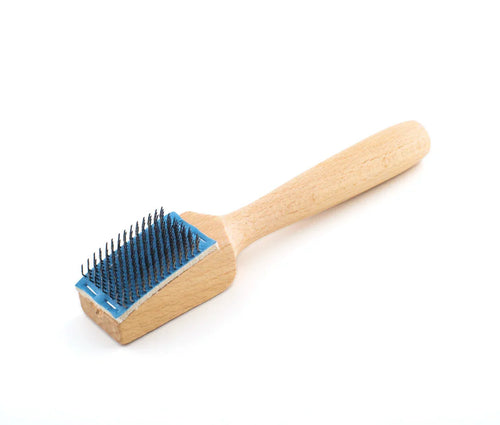
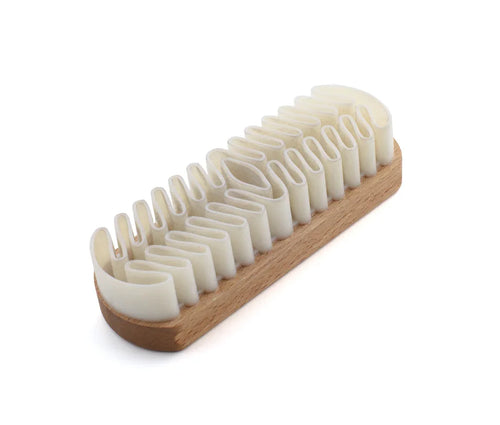
- For sneakers with a suede sole, use a special brush weekly to 'roughen up' the fibers again for the right balance between grip and slide.
- Check monthly for uneven wear at the ball of the foot, as this often indicates incorrect landing technique which can cause injuries.
Airing out and the fight against moisture
What I often see is dancers stuffing their shoes directly into their bag after an intensive session and leaving them there until the next training. This is disastrous for the lifespan of the material. Sweat contains salts and acids that break down the glue joints and the synthetic leather or canvas of your shoe from the inside out. Make sure you take your women's dance sneakers out of your bag as soon as you get home and put them in a well-ventilated place. An important warning: never put them directly near or on the heater. Extreme heat makes the rubber soles hard and brittle, causing the cushioning effect of the EVA foam to disappear and your landings to hit your joints much harder.
When is it time for replacement?
Even with the best maintenance, street dance shoes don't last forever. The anatomy of the foot takes quite a beating during urban dance, especially during jumps and landings. As soon as you notice the lateral support is decreasing or you start getting pain in your shins or knees after class, the cushioning is probably 'exhausted'. A handy tip from my own experience: take the insole out. If you see a deep, hard imprint of your foot that no longer springs back, the shoe is no longer offering the protection you need. Always combine your shoes with the right hip hop clothing that doesn't limit your freedom of movement, so you don't put unnecessary uneven strain on the shoes through a forced posture.
- Replace your shoes on average every 6 to 9 months with intensive use (more than 3 times per week).
- Consider using cedar shoe trees; these extract moisture and keep the nose of the sneaker in shape.
- Never throw your dance sneakers in the washing machine; the heat and spinning ruin the structural integrity and shock absorption of the midsole.
Frequently Asked Questions
Which shoes for Street dance?
For street dance, sneakers with good cushioning and ankle support are essential. Preferably choose lightweight dance sneakers or urban sneakers with a flexible sole that isn't too stiff. Brands like Nike Air Force 1 or specific dance brands offer the right balance between style and functionality. Make sure the sole provides enough grip for fast moves without limiting your freedom of movement.
What do you wear for Street dance?
For street dance, you wear comfortable hip hop clothing that you can move freely in. Think of baggy pants, sweatpants, or wide shorts combined with oversized T-shirts or hoodies. Layering is useful to regulate your temperature during intensive training. Don't forget to complete your outfit with the right street dance shoes and accessories like a snapback or beanie for that authentic urban look.
Which sports shoes for dancing?
The best sports shoes for dancing have a so-called pivot point under the ball of the foot to facilitate turning movements. Choose shoes with good shock absorption to protect your joints during jumps. It is important that the soles are non-marking and don't have too much grip on the dance floor, so you can slide smoothly without unnecessarily straining your knees and ankles.
Which shoes for line dance?
For line dance, cowboy boots with a smooth sole are traditionally worn, but modern dancers often choose special dance sneakers or light gym shoes. The most important thing is that the sole is smooth enough to slide and turn easily across the floor. Avoid shoes with heavy treads, as these provide too much resistance on wooden floors, which can cause annoying joint injuries.
What is the difference between regular sneakers and dance sneakers?
Dance sneakers are specifically designed for freedom of movement and foot health while dancing. Unlike regular sneakers, they often have a split sole for extra flexibility and special pivot points. They offer targeted cushioning in places where dancers experience the most impact. While regular sneakers are stylish for street dance, technical dance sneakers often offer better support for intensive choreographies and technical footwork movements in the studio.
How tight should street dance shoes be?
Your street dance shoes should fit snugly, but your toes should still be able to move freely. A shoe that is too loose increases the risk of blisters and sprained ankles, while shoes that are too tight can cut off circulation during exercise. Allow for about half a centimeter of space at the toe. Always test the fit with the socks you plan to wear during your dance classes.
Why are soles important for hip hop shoes?
The sole determines how you react on the dance floor. In hip hop, you need a sole that offers a balance between grip and slide. Too much grip can lead to knee injuries during turns, while too little grip causes dangerous slipping. Many dancers prefer rubber soles with a relatively smooth profile. The sole must also be flexible enough for a good foot roll.
How do I maintain my dance sneakers for a longer lifespan?
Preferably only use your street dance shoes indoors to prevent wear of the soles by rough surfaces. Clean them regularly with a damp cloth and mild soap, but avoid the washing machine as this can damage the cushioning and glue. Let your shoes air out well after every training session to prevent unpleasant odors. Using cedar shoe trees also helps to maintain the shape of your sneakers.
The beauty of street dance is that you can effortlessly combine personal style and technical functionality. Your shoes are, after all, much more than a simple part of your hip hop clothing; they form the foundation of every move you make. What I especially want to share with you is that the right balance between grip and flexibility is essential to prevent injuries and really make your footwork shine. Above all, remember that a good sneaker gives you the freedom to experiment without losing your grip on the floor.
If you really want to get the most out of your training sessions, it pays to choose footwear specifically designed for the urban scene. For dancers who want to improve their performance, we recommend checking out our women's dance sneakers collection for the perfect mix of support and style. You will also find sturdy options for young talents in the children's dance sneakers collection. Ultimately, it's about you feeling free to move. Tighten those laces, feel the bass in your body, and claim your spot in the circle.


